The best road cycling routes around Autignac
4.5
(149)
3,182
riders
157
rides
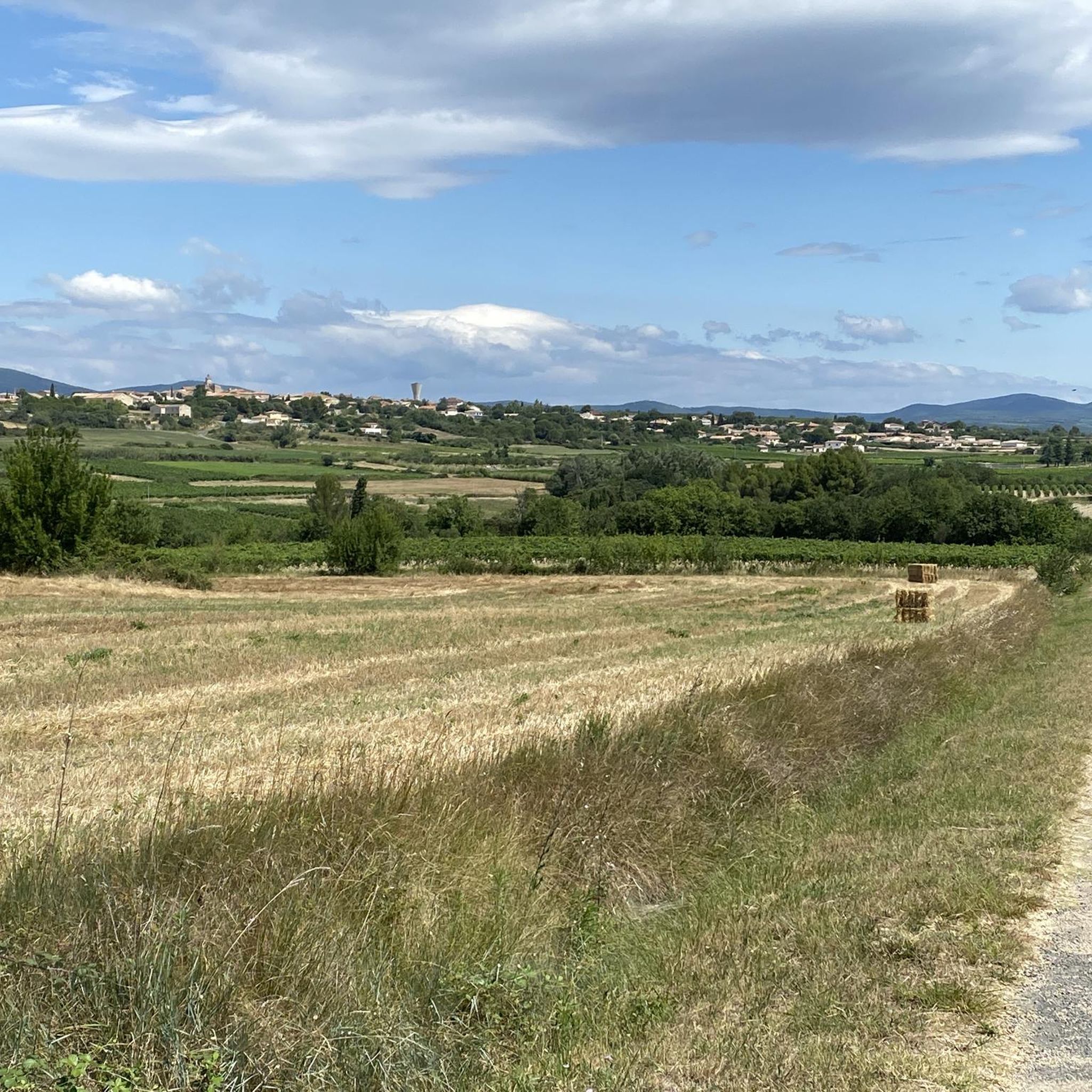
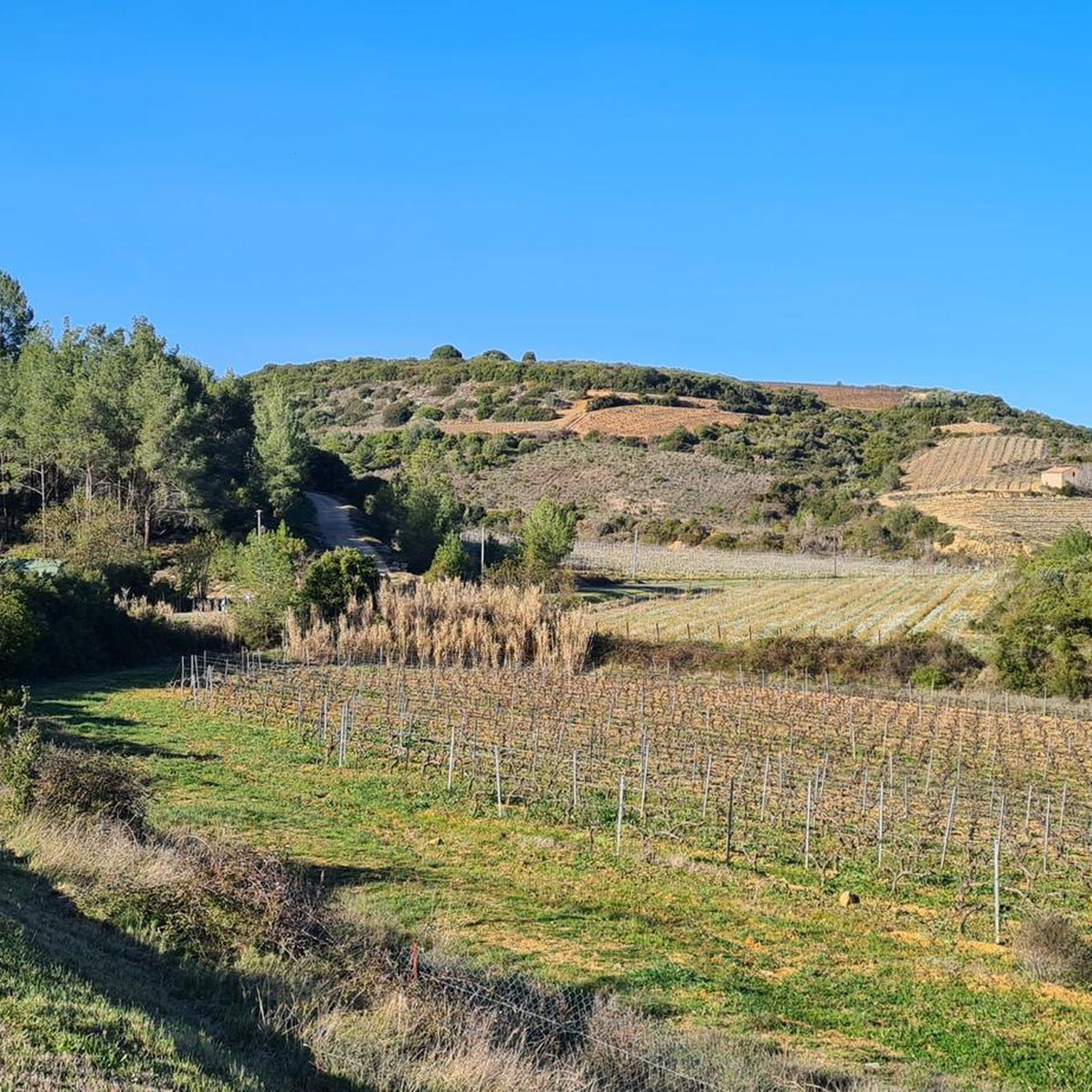
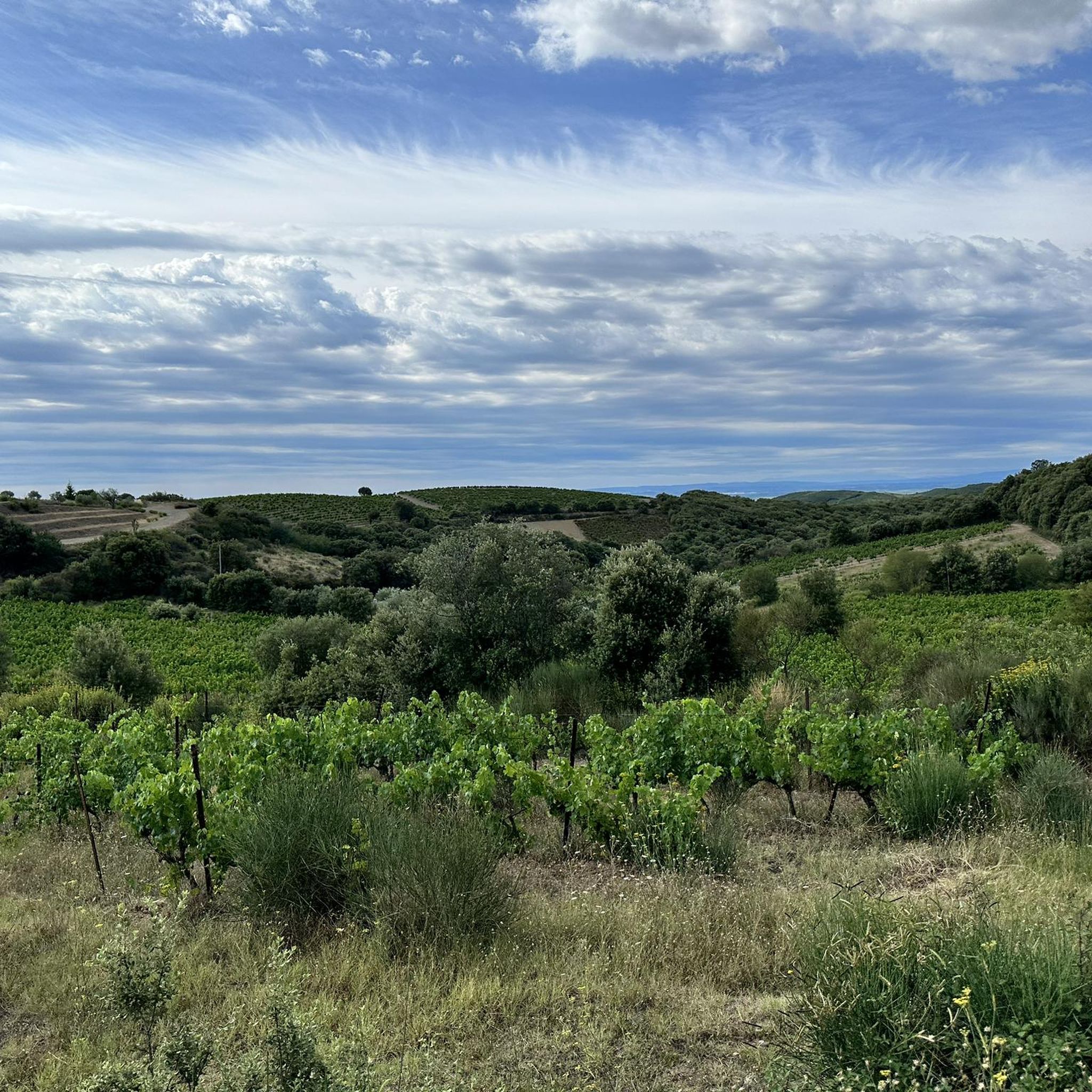
Road cycling routes around Autignac traverse a diverse landscape characterized by vast vineyards, rolling countryside, and distant views of the Haut-Languedoc mountains. The region features generally quiet and well-paved roads, offering varied terrain from flat stretches near the Canal du Midi to undulating hills. Cyclists will encounter fragrant garrigue scrubland and picturesque river valleys, providing a scenic backdrop for rides. This area is ideal for exploring the Hérault department's natural features on two wheels.
Best road cycling routes around Autignac
- The most popular road cycling route is Roquebrun – View of Roquebrun loop from Laurens, a 35.2 miles (56.6 km) trail that takes 2 hours 39 minutes to complete. This route offers scenic views of the Orb River and the charming village of Roquebrun.
- Another top favourite among local road cyclists is View of the Hérault – Saint-Thibéry Roman Bridge loop from Laurens, a moderate 53.0 miles (85.3 km) path. This route winds through varied landscapes, including quiet roads and historical points of interest.
- Local road cyclists also love the Château de Puimisson – Cycle Path loop from Saint-Geniès-de-Fontedit, a 16.3 miles (26.2 km) trail leading through vineyards and garrigue, often completed in about 1 hour 19 minutes.
- Road cycling around Autignac is defined by extensive vineyards, rolling hills, and quiet country roads. The network offers options for easy rides through flat terrain and more challenging routes with significant elevation gains.
- The routes in Autignac are highly rated by the komoot community with an average score of 4.3 stars from over 100 reviews. More than 2,000 road cyclists have used komoot to explore Autignac's varied terrain.
Last updated: October 11, 2026
33
riders
84.6km
03:29
520m
520m
Moderate road ride. Good fitness required. Mostly well-paved surfaces and easy to ride.
18
riders
39.9km
01:57
580m
580m
Moderate road ride. Good fitness required. Mostly well-paved surfaces and easy to ride.

17
riders
26.2km
01:19
230m
230m
Easy road ride. Great for any fitness level. Mostly well-paved surfaces and easy to ride.
4.0
(1)
10
riders
27.2km
01:20
360m
360m
Moderate road ride. Good fitness required. Mostly well-paved surfaces and easy to ride.
5.0
(1)
8
riders
28.7km
01:25
420m
420m
Moderate road ride. Good fitness required. Mostly well-paved surfaces and easy to ride.
Get access to more routes and recommendations from other explorers.
Already have an account?
Our route recommendations are based on thousands of hikes, rides, and runs completed by other people on komoot.
Start today with a free account
Your next adventure awaits.


Tips from the Community

Erected in 1858 at the foot of the ancient ramparts, this monumental fountain is the work of Montpellier sculptor Auguste Baussan. The statue crowning it represents Agathé, the personification of the Greek city of Agde, accompanied by three lionesses who symbolically watch over the city. The ensemble combines three remarkable materials: the Carrara marble of the statue, the African marble of the lionesses, and the basalt of the fountain. This choice echoes the very identity of Agde: a city founded by the Greeks over 2,500 years ago, but whose heritage is deeply marked by volcanic rocks from Agde's volcanism.
2
0
The castle overlooks Pézènes-les-Mines from the upper part of the village. This castle is private, but its facades, roofs, and enclosure have been protected as historical monuments since 1981. Its history is ancient, but the ensemble we see today is the result of several construction and transformation campaigns. The Romanesque chapel, integrated into the castle, dates back to the 12th century. Its apse was later raised in the 14th century to take on a defensive function. The castle itself underwent significant alterations in the 14th, 16th, and 17th centuries. Two gates were notably built into the enclosure in the 17th century. The defensive elements are still very legible: two gates with arrow slits controlled access to the courtyard and were once protected by a drawbridge. Two towers flank the ensemble, while the enclosure follows the natural irregularities of the terrain. The chapel also retains a rather remarkable detail: its door and some of its bays are decorated with basalt inlays, giving the building a discreet but original polychromy. Pézènes-les-Mines was not always the small village one might imagine today. Pézènes was the capital of a marquisate that grouped the communities of Pézènes, Montesquieu, and Valmascle. The castle was therefore at the heart of a larger seigneurial territory. Little-known information: A plan from 1800 shows that behind the castle stretched a long terrace of about 270 meters, arranged as a garden, promenade, and belvedere overlooking the Peyne valley.
2
0
In the heart of the village of Laurens, the former seigneurial castle recalls the medieval origins of this commune in the Hérault Avant-Monts region. Built in the 12th century by the lords of Fouzilhons, it was once the center of local power and the point around which the village developed. Together with the church, it formed the heart of the medieval community: one represented seigneurial authority, the other the spiritual life of the inhabitants. Over the centuries, the castle lost its original defensive and administrative function to become a place closer to the people. Today it houses the town hall, offering a surprising change of destiny: a former symbol of feudal power has become the village's common house. Nearby, the clock tower alone tells several centuries of Laurens' history. The first bell tower that occupied this site had a dual function: it served as a watchtower for the lord of the castle and as a belfry for the village community. From this high point, it participated in the surveillance of the territory while allowing the inhabitants to be alerted and gathered to the rhythm of the bell. In 1730, this first structure was replaced by the current bell tower. It retains its strategic position above the old access to the castle and the former church, which later became the Maison du peuple.
3
0
In the heart of Autignac stands a castle from a very different era than the neighboring medieval fortresses. Built around 1860, it bears witness to the golden age of viticulture in the Hérault region, when the great families of landowners shaped the landscape and built residences befitting their success. This elegant residence was not a defensive castle, but a 19th-century "wine folly": a place where living, social representation, and agricultural activity were combined. Built on the initiative of the de Vigne-Lavit family, winegrowers and players in local life, it recalls the era when the vine was the main economic wealth of the villages of the Avant-Monts. After experiencing the evolutions of the Languedoc vineyard, the castle is now experiencing a new life. Carefully restored, it now hosts guest rooms and continues its connection with the world of wine, offering visitors an immersion into the history, architecture, and wine landscapes of Autignac.
2
0
In the heart of Autignac, the Saint-Martin church stands out from the many Romanesque churches of the Avant-Monts. Built at the end of the 19th century in an elegant neo-Gothic style, it bears witness to a period when the village experienced real growth thanks to the prosperity of viticulture. Its history holds an unexpected anecdote. Originally, the building was topped by a simple bell turret which collapsed in the 1920s. The current bell tower was then built between 1930 and 1933 and still houses three bells cast in 1931 by Joseph Granier. These were the first bells made by this founder, who would later become one of the most renowned in the south of France. The current church succeeds an old parish church located outside the village, Notre-Dame de Beaulieu, reminding us that the heart of Autignac has moved over the centuries. It thus embodies another facet of local heritage: not that of medieval fortresses, but that of a village that transformed itself thanks to the vine and chose to build a church commensurate with its development.
2
0
In the heart of old Cabrerolles, the Saint-Martin church recalls the medieval origins of this village in the Hérault's Avant-Monts. As in many fortified villages in Languedoc, the castle and the church formed the heart of the community. It was around these two poles that the narrow streets, dwellings, and daily life of the village developed. The building discovered today is the result of several construction campaigns and preserves the memory of this long evolution. Its dedication to Saint Martin is far from insignificant. Bishop of Tours in the 4th century, he was one of the great evangelizers of the Gallic countryside. His patronage, widespread in the oldest rural parishes, recalls the antiquity of the Christian community established in Cabrerolles.
2
0
Located at the entrance to the village, it occupies a site steeped in memory: the current building, dating from the 16th century, was built on the traces of a Romanesque chapel mentioned as early as 966. It thus bears witness to the continuity of a place of life and gathering that has spanned the centuries. Caussiniojouls developed around its ancient castrum, a fortified nucleus organized around the castle and the church. Here, the religious and the seigneurial once formed the heart of the medieval village: two essential landmarks that structured daily life and the organization of the territory. The Saint-Étienne church also bears the marks of time: its bell tower, destroyed by lightning in 1920, was rebuilt and then restored with local materials, recalling the village's attachment to its heritage.
2
0
This southern Gothic church, built between the 13th and 14th centuries, has accompanied the village's history for over seven hundred years. Its sober architecture hides numerous transformations: the different construction phases remain visible on the facades, while its imposing bell tower, remodeled in the 17th century and then restored in the 1950s, is distinguished by its green glazed spire, which has become one of the village's emblems. As you leave the churchyard, take the time to discover the old alleyways and the Fontaine à la Grenouille (Frog Fountain), whose spring is said to have favored the birth of Saint-Geniès-de-Fontedit.
2
0
Frequently Asked Questions
How many road cycling routes are available around Autignac?
There are over 175 road cycling routes around Autignac, catering to various skill levels. You'll find a diverse selection, from easy rides through vineyards to more challenging ascents into the hills.
What kind of terrain can I expect on road cycling routes in Autignac?
The terrain around Autignac is quite varied. You can expect quiet, well-paved roads winding through vast vineyards and fragrant garrigue scrubland. Routes often feature rolling countryside with distant views of the Haut-Languedoc mountains, and some even offer flatter sections near the Canal du Midi.
Are there road cycling routes suitable for families or beginners?
Yes, Autignac offers routes suitable for families and beginners. There are 24 easy routes available, often traversing flatter sections through vineyards. For example, the Château de Puimisson – Cycle Path loop from Saint-Geniès-de-Fontedit is an easy 26.2 km trail that winds through vineyards and garrigue.
Can I find challenging road cycling routes with significant elevation gains?
Absolutely. For those seeking a challenge, there are 55 difficult routes and 96 moderate routes around Autignac. These often venture into the undulating hills and offer more significant elevation gains, providing rewarding climbs and scenic descents. The Roquebrun – View of Roquebrun loop from Laurens, for instance, covers 56.6 km with over 700 meters of elevation gain.
What natural features can I see along the road cycling routes?
Road cycling routes often lead through picturesque vineyards and garrigue-dotted hills. You'll frequently encounter views of the Haut-Languedoc mountains and the Orb River. Some routes also pass near the Canal du Midi. The region is rich in natural beauty, offering a peaceful and scenic experience.
Are there any interesting landmarks or villages to explore near the cycling routes?
Yes, the area is dotted with charming villages and historical sites. You might cycle past the stunning village of Roquebrun on the River Orb, or the historic Cessenon-sur-Orb. The region also features ancient village streets and vineyards producing acclaimed Faugères A.O.C. wines.
What is the best time of year for road cycling in Autignac?
The region around Autignac generally offers pleasant cycling conditions for much of the year. Spring and autumn are particularly ideal, with milder temperatures and vibrant landscapes. Summers can be warm, but early morning rides are often very enjoyable. The quiet, well-paved roads are inviting in most seasons.
What do other road cyclists enjoy most about cycling in Autignac?
The komoot community highly rates the road cycling experience in Autignac, with an average score of 4.3 stars from over 100 reviews. Cyclists often praise the extensive vineyards, rolling hills, and quiet country roads that define the area. The varied terrain and scenic backdrops are frequently highlighted as major draws.
Are there circular road cycling routes available?
Yes, many of the road cycling routes around Autignac are designed as loops, allowing you to start and finish in the same location. Examples include the Col du Peyrou loop from Autignac and the Cessenon-sur-Orb – Second mur loop from Laurens, providing convenient options for exploration.
Where can I find parking for road cycling routes in Autignac?
Autignac and its surrounding villages often provide public parking areas, especially near town centers or popular starting points for routes. For specific routes, checking the route details on komoot can often provide information on recommended parking spots near the trailhead or starting point.
Are there cafes or places to stop for refreshments along the routes?
Given the region's focus on wine tourism and charming villages, you'll often find opportunities to stop for refreshments. Many routes pass through or near villages like Autignac, Roquebrun, or Cessenon-sur-Orb, where local cafes and restaurants offer a chance to refuel and experience local hospitality.
What is the general quality of the road surface for cycling?
The roads around Autignac are generally quiet and well-paved, making for a pleasant road cycling experience. While some smaller country roads might have varying conditions, the main cycling routes are typically in good shape, allowing for smooth riding through the picturesque landscapes.
Most popular attractions around Autignac

Get inspired with the komoot mobile app


Explore more
Browse the best Road cycling routes in other regions.
