The best road cycling routes around Velloreille-Lès-Choye
4.3
(15)
261
riders
65
rides
Road cycling routes around Velloreille-Lès-Choye traverse a landscape characterized by rolling hills and river valleys, offering varied terrain for cyclists. The region features a mix of open countryside, agricultural areas, and small villages, with moderate elevation changes. Road surfaces are generally well-maintained, suitable for road bikes.
Best road cycling routes around Velloreille-Lès-Choye
- The most popular road cycling route is Saint-Loup Castle – Charcenne loop from Velesmes-Échevanne, a 25.0 miles (40.3 km) trail that takes 1 hour 49 minutes to…
Last updated: July 7, 2026
8
riders
39.8km
01:49
390m
390m
Moderate road ride. Good fitness required. Mostly well-paved surfaces and easy to ride.
4
riders
40.6km
02:01
480m
470m
Moderate road ride. Good fitness required. Mostly well-paved surfaces and easy to ride.

Sign up for free
10
riders
35.8km
01:36
350m
350m
Moderate road ride. Good fitness required. Mostly well-paved surfaces and easy to ride.
4
riders
44.2km
02:00
290m
290m
Moderate road ride. Good fitness required. Some segments of this route may be unpaved and difficult to ride.
4.0
(1)
9
riders
179km
07:56
840m
840m
Hard road ride. Very good fitness required. Some segments of this route may be unpaved and difficult to ride.
Get access to more routes and recommendations from other explorers.
Sign up for free
Already have an account?
Our route recommendations are based on thousands of hikes, rides, and runs completed by other people on komoot.
Start today with a free account
Your next adventure awaits.
Login or Signup
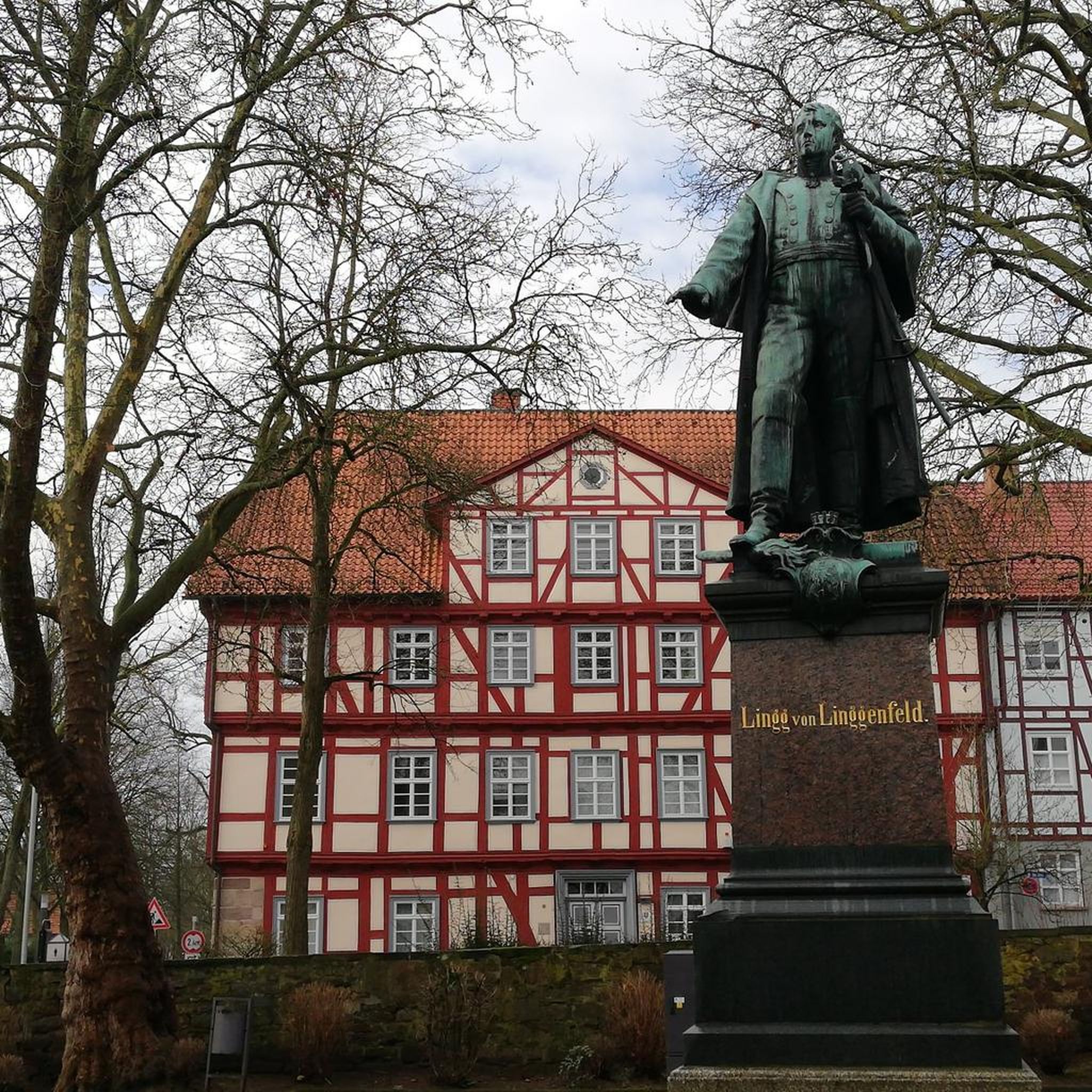

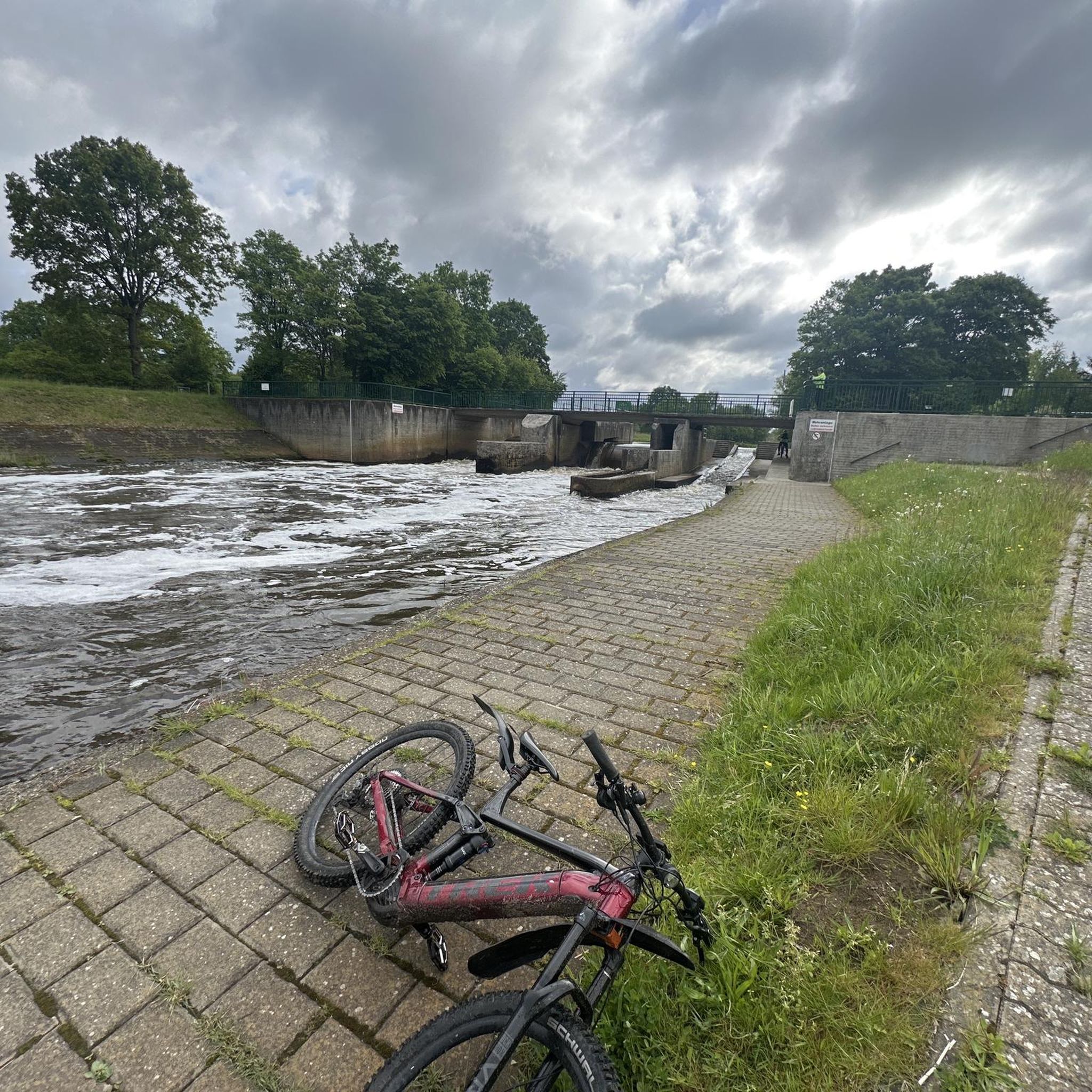

Tips from the Community

Valay – Did you know? The town's name comes from the Celtic words "Val," meaning iron, and "Aid," meaning abundance. Pieces made in Valay were used in the construction of the Grande Galerie at the 1889 Universal Exhibition. It's even rumored that Valay cast iron flows within the Eiffel Tower!
0
0

The washhouse with the oval washbasin was built in 1844.
0
0

Marnay Castle, built from the 11th century onwards, was remodeled several times up until the 18th century. Formerly the residence of the lords of Marnay, it still has a medieval tower, Renaissance façades and a large wooded park.
0
0

A charming town in Franche-Comté, part of the Holy Roman Empire until the Treaty of 1678. Very prosperous in the Middle Ages, thanks to its trade and artisans. A cloth market was established there as early as the 14th century, after Joan of Burgundy, Countess of Franche-Comté and Queen of King Philip V the Long of France, brought weavers from Paris. From June 14, 1354, until the Revolution, the bourgeoisie of Marnay had a charter of emancipation that guaranteed them security and prosperity: "Whoever has a house and keeps a fire in the town will be a bourgeois." This charter allowed the inhabitants to administer the town themselves and thus build ramparts and create the individual gardens that can still be seen today.
0
0
Valay boasts a distinctive architectural heritage: stone farms, old workshops, and wash houses. The town was also home to a major pottery factory in the 19th century, some of whose remains still exist.
0
0

First mentioned in 1225, the castle oversaw the main passage of the river.
0
0
Characterful Comtoise town which was part of the Holy Roman Empire until the treaty of 1678. Very prosperous in the Middle Ages, due to its trade and its artisans. There has been a cloth hall there since the 14th century, after Jeanne de Bourgogne, countess of Franche-Comté and queen of King Philippe V the Long of France, brought weavers from Paris there. From June 14, 1354 and until the Revolution, the bourgeoisie of Marnay had a charter of emancipation which ensured them security and abundance - "anyone who has a house and keeps fire in the village will be bourgeois". This charter allowed residents to administer the city themselves and thus build ramparts and set up the individual gardens that can still be found there today.
0
0
Village which dates back to Gaulle (Gallic burials have been unearthed there) and of which we also find traces under the Gallo-Roman Empire. There we find the source of the Colombine and some beautiful buildings, including the cemetery chapel (listed as a Historic Monument) and the Notre-Dame de Leffond Chapel which dates from the 13th century. However, the village is best known for its vineyards. In the Middle Ages, the wines of Gy and Charcenne were already exported and we found them on the tables of nobles in the 16th century. The Guillaume family has been cultivating vines there since 1732 and has developed a highly specialized nursery business since 1895, recognized worldwide. The 43 hectares of vines therefore produce wine, awarded several times, but also serve as a support for the multiplication of vine plants. They therefore cultivate other grape varieties than those necessary for their production. And if you want to accompany your wine with a cheese, head to the Millet cheese dairy to taste a Charcennais or an Ortolan.
1
0
Frequently Asked Questions
How many road cycling routes are available around Velloreille-Lès-Choye?
There are over 60 road cycling routes documented around Velloreille-Lès-Choye on komoot, offering a wide range of options for different skill levels and preferences.
What kind of terrain can I expect when road cycling near Velloreille-Lès-Choye?
The region around Velloreille-Lès-Choye is characterized by rolling hills and river valleys, providing varied terrain. You'll encounter a mix of open countryside, agricultural areas, and small villages, with moderate elevation changes. Road surfaces are generally well-maintained, making them suitable for road bikes.
Are there easy road bike routes suitable for beginners in Velloreille-Lès-Choye?
Yes, Velloreille-Lès-Choye offers 18 easy road cycling routes perfect for beginners or those looking for a relaxed ride. These routes typically feature gentler gradients and shorter distances.
Are there challenging road cycling routes for experienced riders?
For experienced riders seeking a challenge, there are 3 difficult road cycling routes available. One notable option is the Pont de Pierre of Gray – Apremont Dam Footbridge loop from Velesmes-Échevanne, which covers a significant distance of 180.4 km with substantial elevation gain.
What do other road cyclists say about the routes in Velloreille-Lès-Choye?
The road cycling routes in Velloreille-Lès-Choye are highly rated by the komoot community, with an average score of 4.3 stars from 7 reviews. Nearly 200 road cyclists have explored the area, often praising the scenic views and varied terrain.
Are there circular road bike routes available?
Yes, many routes in the area are designed as loops. Popular circular routes include the Saint-Loup Castle – Charcenne loop from Velesmes-Échevanne and the Charcenne – Valay loop from Colombine, offering convenient starting and ending points.
What are some scenic viewpoints or attractions along the road cycling routes?
While cycling, you can explore charming villages and historical sites. Consider routes that pass through places like Charcenne or Valay. The Corneux Abbey – Pont de Pierre of Gray loop from Velesmes-Échevanne also leads through historic sites and river crossings.
What is the best season for road cycling in Velloreille-Lès-Choye?
Spring and summer are generally ideal for road cycling in Velloreille-Lès-Choye. The weather is typically pleasant, and the countryside is vibrant. Autumn also offers beautiful scenery with changing foliage, though temperatures will be cooler.
Are there options for parking near the road cycling routes?
Many routes start from villages like Velesmes-Échevanne or Colombine, where public parking is usually available. It's advisable to check specific starting points for designated parking areas before your ride.
Is public transport accessible for reaching road cycling routes?
Public transport options in rural areas like Velloreille-Lès-Choye might be limited. It's recommended to plan your journey in advance and check local bus schedules or consider driving to a suitable starting point with parking.
Can I find routes with cafe stops or places to rest?
The routes often pass through small villages where you might find local cafes or bakeries for a refreshment stop. Planning your route to include stops in towns like Charcenne or Valay can enhance your cycling experience.
Are there any family-friendly road cycling options in Velloreille-Lès-Choye?
For families, the easier and shorter routes are most suitable. Look for routes with minimal elevation gain and away from heavy traffic, often found in the 18 easy routes available in the region.
Most popular routes around Velloreille-Lès-Choye
Most popular attractions around Velloreille-Lès-Choye

Get inspired with the komoot mobile app


Explore more
Browse the best Road cycling routes in other regions.
