The best cycling routes around Moussey
4.4
(318)
2,060
riders
286
rides
Touring cycling routes around Moussey traverse a landscape characterized by a mix of waterways, historical towns, and forested areas. The region offers varied terrain, including routes along former railway lines and small roads through agricultural lands. Many paths feature predominantly paved surfaces, with some segments potentially including unpaved sections. This area provides diverse options for exploring the local environment and cultural sites by bike.
Best touring cycling routes around Moussey
- The most popular touring cycling route is Chappes Spillway –…
Last updated: July 5, 2026
4.0
(6)
31
riders
27.5km
01:41
40m
40m
Easy bike ride. Great for any fitness level. Mostly paved surfaces. Suitable for all skill levels.
4.3
(3)
12
riders
50.8km
02:59
250m
250m
Moderate bike ride. Good fitness required. Mostly paved surfaces. Suitable for all skill levels.

Sign up for free
3.0
(1)
17
riders
29.9km
01:42
70m
70m
Easy bike ride. Great for any fitness level. Mostly paved surfaces. Suitable for all skill levels.
4.0
(2)
16
riders
20.8km
01:12
50m
50m
Easy bike ride. Great for any fitness level. Mostly paved surfaces. Suitable for all skill levels.
8
riders
39.4km
02:16
100m
100m
Moderate bike ride. Good fitness required. Mostly paved surfaces. Suitable for all skill levels.
Get access to more routes and recommendations from other explorers.
Sign up for free
Already have an account?
Our route recommendations are based on thousands of hikes, rides, and runs completed by other people on komoot.
Start today with a free account
Your next adventure awaits.
Login or Signup

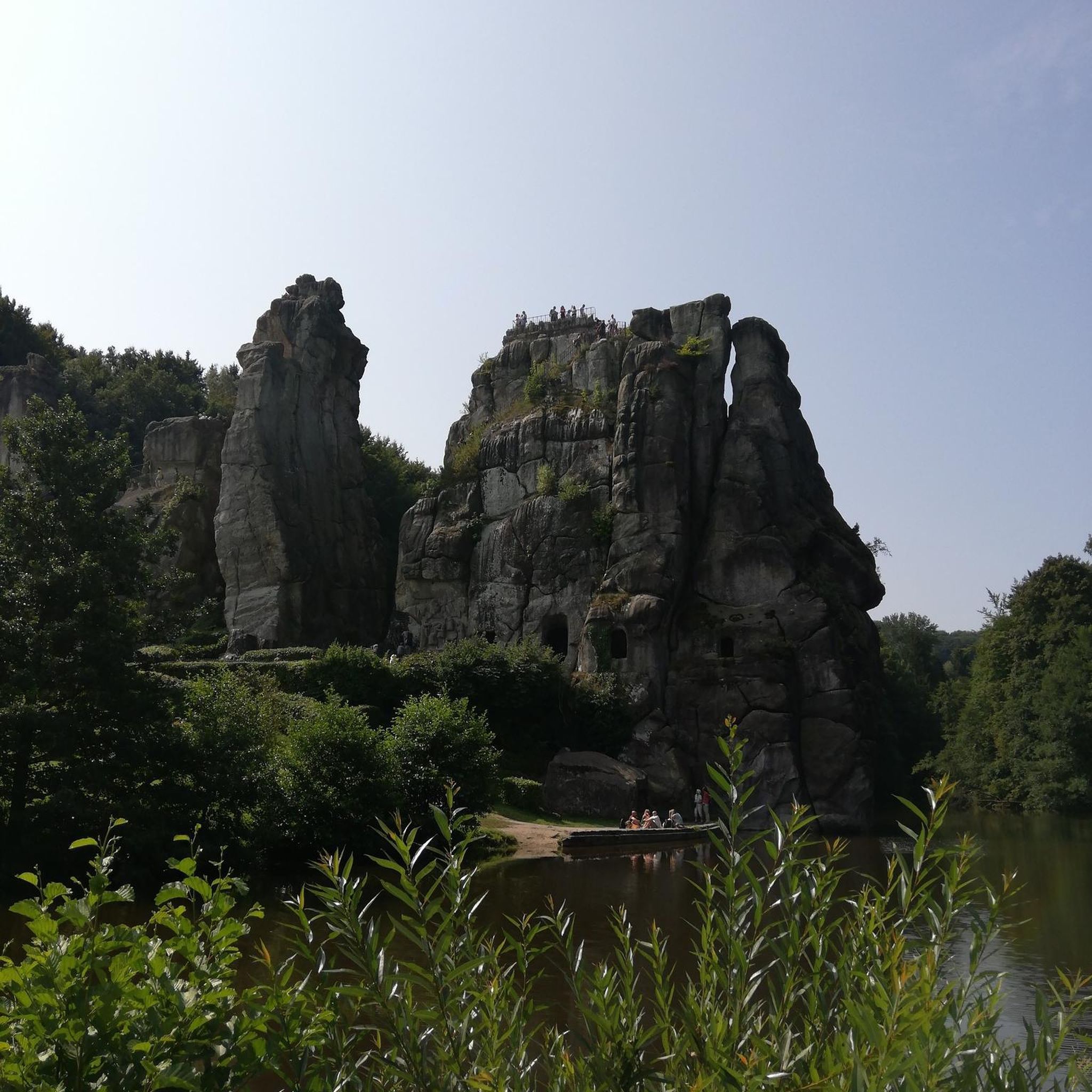
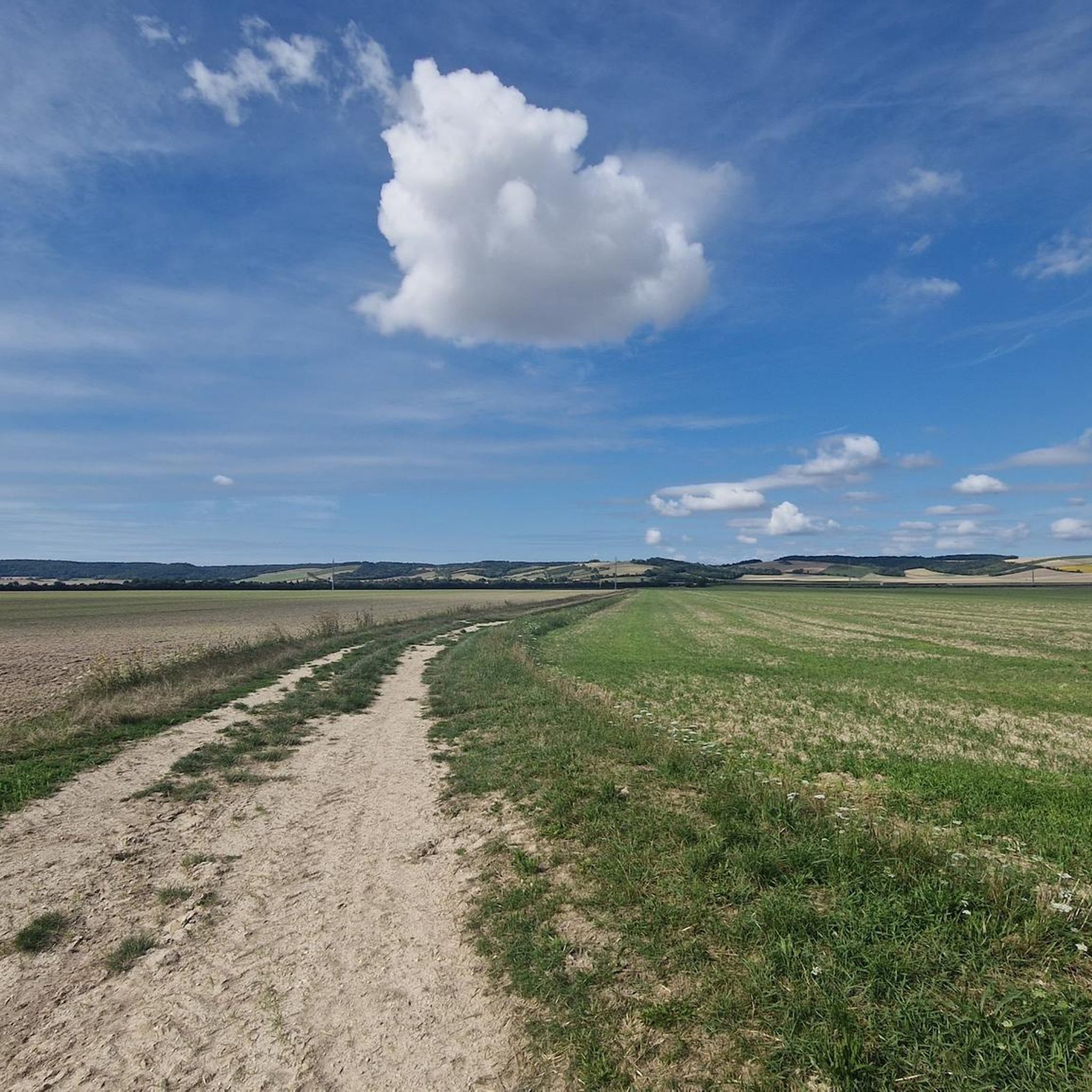

Tips from the Community

The Abbey of Notre Dame aux Nonnains (French: Abbaye de Notre-Dame-aux-Nonnains: Abbey of Our Lady of the Nuns), also called the Royal Abbey of Our Lady of Troyes (French: Abbaye royale de Notre-Dame de Troyes), was a convent founded before the 7th century in Troyes, France. The non-cloistered canonesses became wealthy and powerful in the Middle Ages. In 1266–68 they defied the pope and used force to delay construction of the collegiate Church of St Urbain. They were excommunicated as a result. Later the abbey adopted a strictly cloistered rule and the nuns became impoverished. Work started on building a new convent in 1778 but was only partially completed before the French Revolution (1789–99). The abbey was closed in 1792 and the church was demolished. The convent became the seat of the prefecture of Aube. (Wikipedia)
1
0

Sculpture by the Hungarian sculptor Andreas Lapis (2012).
1
0

Troyes Cathedral (in French: Cathédrale Saint-Pierre-et-Saint-Paul de Troyes) is the main religious building in the French city of Troyes. The cathedral is dedicated to the holy apostles Peter and Paul. Construction of the cathedral began in 1208 and was not completed until the 17th century, in the Gothic style. The church is the seat of the bishopric of Troyes in the Roman Catholic Church. In 1420, the cathedral was the solemn meeting place for the signing of the Treaty of Troyes. Nine years later, Joan of Arc visited the cathedral when she accompanied King Charles VII to Reims. The building was protected as immovable heritage and was given the status of a French classified monument historique in 1862.
3
0

The impressive Troyes Cathedral was begun in the 12th century and completed in the 17th century. The structure is truly impressive. Don't miss a visit to the interior.
1
0

From here, you have a superb view of the town of Bar-sur-Seine.
0
0

As you pass this U-shaped spillway on the restitution canal in Lusigny-sur-Barse, be sure to take a look at this impressive work of art that manages water levels while showcasing the charm of the area. This unique structure not only regulates the flow of the canal, it also creates a charming waterfall effect as the water flows over its banks, adding to the tranquil ambiance.
1
0

The cathedral in Troyes was dedicated to Saints Peter and Paul (SAINTS PIERRE et PAUL), also known as the "Prince of the Apostles." Their common feast day in the calendar of saints is June 29th. * Simon, nicknamed Peter (Rock), was a fisherman on the Sea of Galilee when he, along with his brother Andrew, was called by Jesus Christ to be a "fisher of men." According to Catholic understanding, he is the highest apostle, and the two-millennia-long line of popes—currently Francis—follows his succession. In statues and paintings, Peter is almost always depicted with two keys in his hand; this attribute refers to the biblical passage in Matthew: "I will give you the keys of the kingdom of heaven; whatever you bind on earth will be bound in heaven, and whatever you loose on earth will be loosed in heaven." (Chapter 16, Verse 19). * Paul was initially an opponent of the Christian movement and, unlike the other apostles, was not called to the apostleship by Jesus Christ during his lifetime. Instead, he was converted later with the famous "Damascus Experience." His attribute is the sword with which he was executed. According to Roman law at the time, such a sentence was a "privilege" (a quick death, not a long, painful death struggle like other forms of execution) reserved for the citizens of Rome.
3
1
Frequently Asked Questions
How many touring cycling routes are available around Moussey?
There are over 270 touring cycling routes around Moussey, offering a wide range of options for exploring the region by bike.
What are the typical terrain and surface types for cycling routes in Moussey?
The routes around Moussey feature varied terrain, often characterized by a mix of waterways, historical towns, and forested areas. Many paths predominantly have paved surfaces, but some segments may include unpaved sections, especially along former railway lines or through agricultural lands.
Are there touring cycling routes suitable for beginners or those seeking an easy ride?
Yes, Moussey offers a good selection of routes for all skill levels. There are over 120 easy touring cycling routes, perfect for a relaxed ride. For example, the Old half-timbered houses – Historic Center of Troyes loop from Verrières is a moderate path that highlights historical architecture and urban exploration, suitable for many.
What kind of landmarks or attractions can I see along the cycling routes near Moussey?
Cycling routes around Moussey often lead through historical villages and along waterways, providing scenic views. You can explore cultural sites and natural features such as the Cathedral of Saint Peter and Saint Paul in Troyes, the charming Cats' Alley, or the serene Montaigu Fountain and Pond. Routes like the Château de Vaux – Chappes Spillway loop from Saint-Thibault specifically pass by historical sites and waterways.
Are there family-friendly touring cycling routes in the Moussey area?
Yes, many routes in the Moussey region are suitable for families, especially those with predominantly paved surfaces and lower elevation gains. The area's emphasis on marked and safe routes, sometimes utilizing less-frequented roads, makes it pleasant for family outings. Look for routes categorized as 'easy' for the most family-friendly options.
Can I find circular touring cycling routes around Moussey?
Many of the touring cycling routes around Moussey are designed as loops, allowing you to start and end your ride in the same location. Examples include the popular Chappes Spillway – Bar-sur-Seine Town Center loop from Verrières and the Saint-Jean-de-Bonneval – Saint-Pouange Church loop from Saint-Léger-près-Troyes.
What is the best time of year to go touring cycling in Moussey?
The region around Moussey is generally pleasant for cycling from spring through autumn. During these seasons, the weather is typically mild, and the natural landscapes are vibrant. While specific details on winter cycling are not available, warmer months offer the most comfortable conditions for exploring.
Are there options for parking near the touring cycling routes in Moussey?
While specific parking locations for each route are not detailed here, the presence of numerous cycling routes originating from towns like Verrières and Saint-Thibault suggests that parking facilities are generally available in or near these starting points. It's advisable to check local information for specific parking areas before your trip.
What do other touring cyclists enjoy most about cycling in Moussey?
The touring cycling experience in Moussey is highly regarded by the komoot community, with an average score of 4.3 stars from over 340 reviews. Cyclists often praise the varied terrain, which includes routes along waterways, through historical villages, and across agricultural landscapes, providing diverse options for exploration.
Are there any challenging touring cycling routes for experienced riders?
Yes, while many routes are moderate, Moussey also offers more challenging paths for experienced touring cyclists. There are 48 difficult routes available, featuring greater elevation gains or longer distances. These routes provide a good test for those with very good fitness levels.
Can I find cafes or places to stop for refreshments along the cycling routes?
The cycling routes often pass through or near small villages and historical towns, such as the Historic Center of Troyes, where you can typically find cafes, pubs, and restaurants. Planning your route to include these towns will allow for convenient refreshment stops.
Are dogs allowed on the touring cycling trails around Moussey?
While specific regulations for dogs on every trail are not provided, many outdoor areas in France are dog-friendly, especially on shared paths. It's generally recommended to keep dogs on a leash and ensure they are well-behaved. Always check local signage or specific route descriptions for any restrictions before heading out with your dog.
Is public transport available to access the cycling routes in Moussey?
The region's focus on accessible cycling suggests that some routes may be reachable via public transport, particularly those starting from larger towns like Troyes or other local hubs. However, specific public transport links directly to trailheads are not detailed. It's best to consult local transport schedules for connections to the starting points of your chosen routes.
Most popular attractions around Moussey

Get inspired with the komoot mobile app


Explore more
Browse the best Cycling routes in other regions.
