The best cycling routes around Saint-Léger-Près-Troyes
4.3
(454)
2,968
riders
310
rides
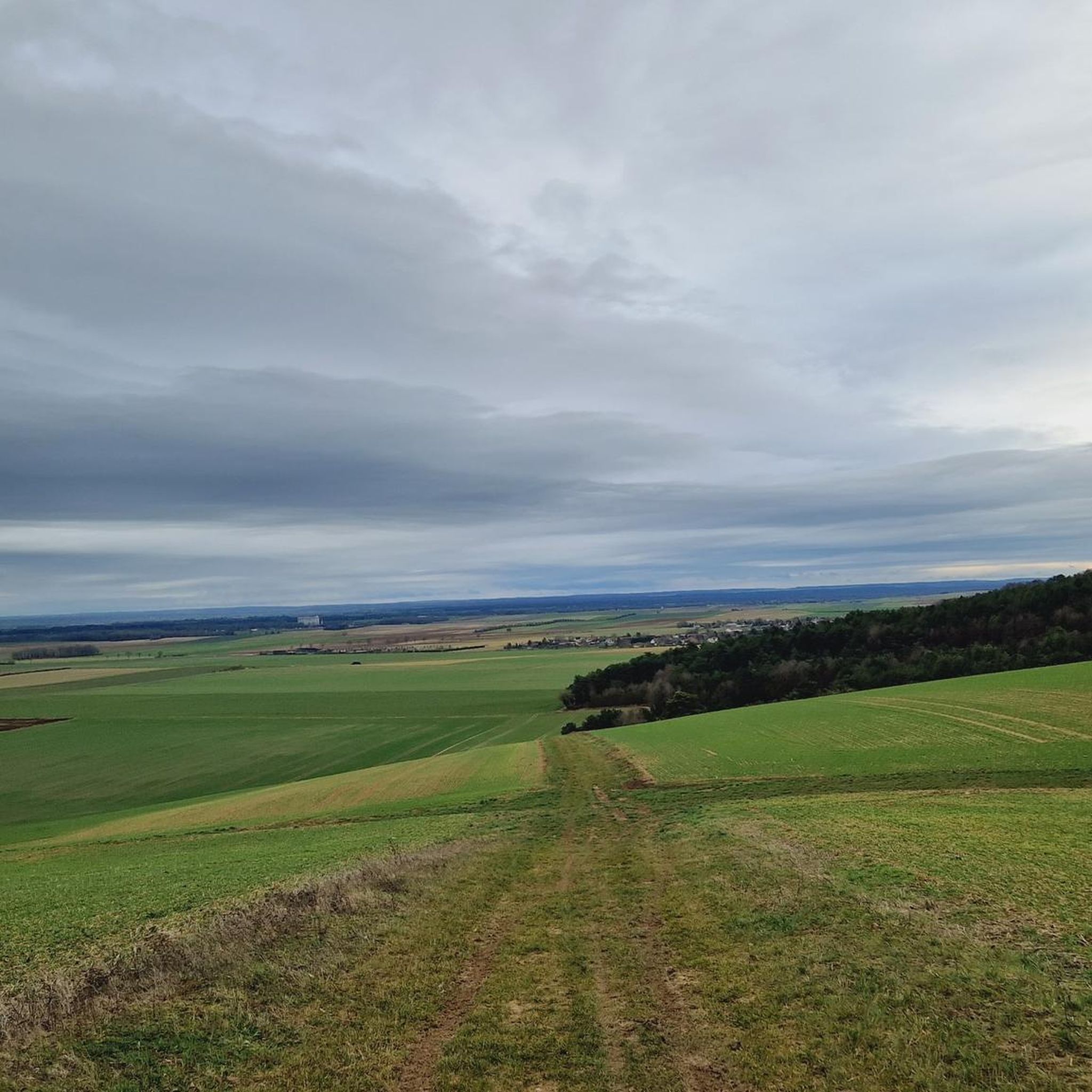
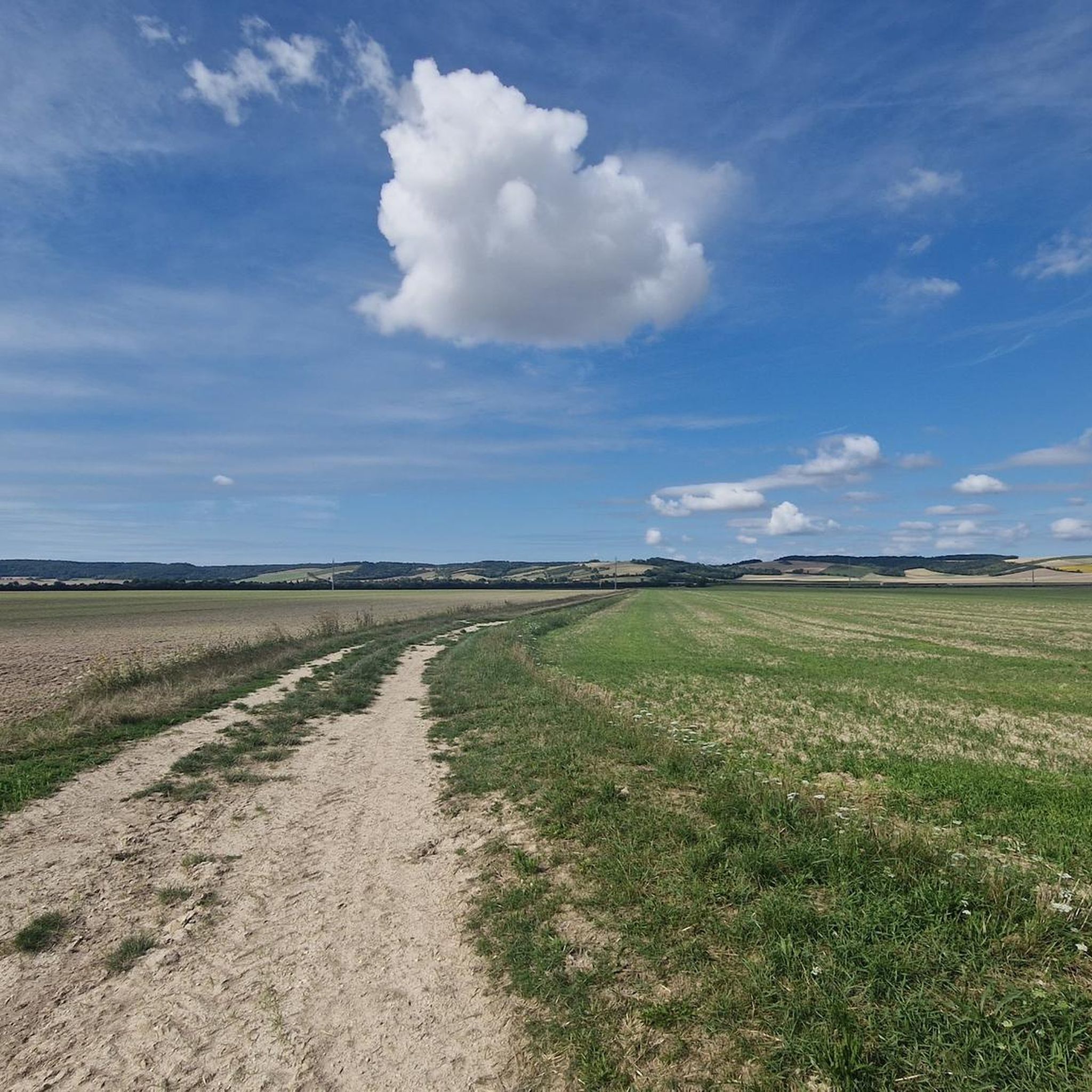
Touring cycling routes around Saint-Léger-Près-Troyes traverse a landscape characterized by agricultural plains, woodlands, and the Hurande and Triffoire rivers. The region offers varied terrain, including open fields and shaded forest paths. It provides access to the extensive greenway network of the Aube department, connecting to the Forêt d'Orient Regional Nature Park and its lakes.
Best touring cycling routes around Saint-Léger-Près-Troyes
- The most popular touring cycling route is Historic Center of Troyes – Old half-timbered houses loop from Bréviandes, a…
Last updated: October 8, 2026
3.0
(2)
19
riders
Easy bike ride. Great for any fitness level. Mostly paved surfaces. Suitable for all skill levels.
5
riders
15.1km
00:57
50m
50m
Easy bike ride. Great for any fitness level. Mostly paved surfaces. Suitable for all skill levels.

4.0
(2)
6
riders
48.3km
02:54
390m
390m
Moderate bike ride. Good fitness required. Mostly paved surfaces. Suitable for all skill levels.
5.0
(2)
8
riders
41.0km
02:27
310m
310m
Moderate bike ride. Good fitness required. Mostly paved surfaces. Suitable for all skill levels.
5.0
(1)
4
riders
23.8km
01:50
70m
70m
Easy bike ride. Great for any fitness level. Mostly paved surfaces. Suitable for all skill levels.
Get access to more routes and recommendations from other explorers.
Already have an account?
Our route recommendations are based on thousands of hikes, rides, and runs completed by other people on komoot.
Start today with a free account
Your next adventure awaits.



Tips from the Community

The Abbey of Notre Dame aux Nonnains (French: Abbaye de Notre-Dame-aux-Nonnains: Abbey of Our Lady of the Nuns), also called the Royal Abbey of Our Lady of Troyes (French: Abbaye royale de Notre-Dame de Troyes), was a convent founded before the 7th century in Troyes, France. The non-cloistered canonesses became wealthy and powerful in the Middle Ages. In 1266–68 they defied the pope and used force to delay construction of the collegiate Church of St Urbain. They were excommunicated as a result. Later the abbey adopted a strictly cloistered rule and the nuns became impoverished. Work started on building a new convent in 1778 but was only partially completed before the French Revolution (1789–99). The abbey was closed in 1792 and the church was demolished. The convent became the seat of the prefecture of Aube. (Wikipedia)
1
0

Sculpture by the Hungarian sculptor Andreas Lapis (2012).
1
0


Saint-Jean-de-Bonneval is located about twenty kilometers from Troyes. There you will find the Saint-Jean-Baptiste church, of medieval origin. The village is surrounded by agricultural landscapes, perfect for recharging your batteries by bike.
0
0
The Dragon, created by Gildas Berthelot for L’art est dans le pré, is a wooden sculpture. With its undulating curves, it seems to emerge from the landscape. A work to see up close!
0
0


Relaxing stroll along the canal
0
0

Frequently Asked Questions
How many touring cycling routes are available around Saint-Léger-Près-Troyes?
There are over 300 touring cycling routes around Saint-Léger-Près-Troyes, offering a wide variety of options for different skill levels and preferences. The komoot community has explored more than 2,600 touring cycling trips in the area.
What kind of landscapes can I expect to see on touring cycling routes in this region?
The region around Saint-Léger-Près-Troyes is characterized by a blend of agricultural plains, deciduous woodlands, and riverside paths along the Hurande and Triffoire rivers. You'll find routes with open fields, shaded forest sections, and views of wooded hills. Many routes also provide access to the expansive Forêt d'Orient Regional Nature Park and its lakes.
Are there any family-friendly touring cycling routes near Saint-Léger-Près-Troyes?
Yes, the region is well-suited for family rides, particularly due to its extensive network of 'greenways'. The Greenway of the Great Lakes Seine and Aube, for example, offers a 42 km route through changing landscapes, and the greenway of the Haute-Seine canal provides about forty kilometers of shaded, bucolic paths, perfect for safe and enjoyable family excursions.
What are some easy touring cycling routes for beginners?
For beginners, there are many easy routes available. An excellent option is Le grand Velo! – Old half-timbered houses loop from Saint-Julien-les-Villas, an easy 7.4-mile (11.9 km) path offering a gentle ride through local surroundings. Another easy choice is Henry Terry loop from Saint-Julien-les-Villas, covering 15.1 km.
Are there any circular touring cycling routes in the area?
Yes, many touring cycling routes around Saint-Léger-Près-Troyes are designed as loops. For instance, the Historic Center of Troyes – Old half-timbered houses loop from Bréviandes is a popular 14.5-mile (23.3 km) route featuring historic architecture. Another option is the Paul Hervy/chemin de Chavant loop from Rosières-près-Troyes, an easy 23.8 km ride.
What kind of attractions or landmarks can I see along the touring cycling routes?
Beyond the natural beauty, you can explore cultural and historical points of interest. Routes often pass through charming villages or offer access to nearby Troyes. Highlights include the impressive Cathedral of Saint Peter and Saint Paul in Troyes, the picturesque Cats' Alley, and the historic Church of Saint Mary Magdalene. The Ferme Musée Rustique also offers a glimpse into rural life.
What is the best time of year for touring cycling in Saint-Léger-Près-Troyes?
The region is generally pleasant for touring cycling from spring through early autumn. During these seasons, the weather is typically mild, and the landscapes are vibrant. The greenways and shaded paths offer comfortable riding even on warmer days. Winter cycling is possible, but conditions may vary, with some paths potentially being less accessible.
How difficult are the touring cycling routes in Saint-Léger-Près-Troyes?
The routes cater to various ability levels. Approximately 142 routes are rated as easy, 110 as moderate, and 50 as difficult. This means you can find everything from gentle, flat rides through agricultural plains to more challenging routes with greater elevation changes, particularly those venturing into wooded areas or longer distances like the Saint-Jean-de-Bonneval – Saint-Pouange Church loop from Saint-Léger-près-Troyes.
What do other touring cyclists enjoy most about the routes here?
The area is highly rated by the komoot community, with an average score of 4.3 stars from over 300 reviews. Reviewers often praise the varied terrain, which includes quiet woodlands and open plains, as well as the well-maintained greenways that provide safe and scenic riding experiences, especially towards the Forêt d'Orient lakes.
Is there public transport access to the cycling routes?
Saint-Léger-Près-Troyes is located just 8.5 km south of Troyes city center, which is a regional hub. While specific public transport links directly to trailheads might vary, Troyes offers connections that can facilitate access to the broader cycling network, including the greenways leading to the Forêt d'Orient.
Are there opportunities to see wildlife or natural features?
Absolutely. The proximity to the Forêt d'Orient Regional Nature Park means excellent opportunities for observing ornithology, especially around the lakes like Lac du Temple and Lac Amance. The Hurande and Triffoire rivers also contribute to a rich natural environment, with diverse flora and fauna along their banks and within the commune's 108 hectares of woods.
Most popular routes around Saint-Léger-Près-Troyes
Most popular attractions around Saint-Léger-Près-Troyes

Get inspired with the komoot mobile app


Explore more
Browse the best Cycling routes in other regions.
