Attractions and Places To See around Étraye - Top 20
Best attractions and places to see around Étraye include historical sites and natural features within the Meuse department. Étraye is a small commune primarily recognized for its historical significance during World War I, situated near the major battlefields of Verdun. The region offers a diverse natural environment within the Meuse valley, characterized by its river, forests, and plains. This landscape provides opportunities for outdoor activities and exploration of its rich history.
Best attractions and places to see around Étraye
- The…
Last updated: July 1, 2026
Church of Forges-sur-Meuse
Highlight • Religious Site
Translated by Google •
Tip by

Murvaux
Highlight • Settlement
Translated by Google •
Tip by
Sign up now to discover places like this
Get recommendations on the best single tracks, peaks, & plenty of other exciting outdoor places.
Sign up for free
Cycle path along the Meuse Canal
Highlight (Segment) • Cycleway
Translated by Google •
Tip by

Beaumont-en-Verdunois Destroyed Village
Highlight • Historical Site
Translated by Google •
Tip by

Passage
Highlight • Other
Translated by Google •
Tip by
Sign up for free to discover even more attractions around Étraye.
Sign up for free
Already have an account?
Start today with a free account
Your next adventure awaits.
Login or Signup



Tips from the Community

Nice gravel along the Maas side. You will find here now and then a bank and now and then a lock. Also striking how much higher the water of the canal is compared to the water of the stream.
5
1
This church, dedicated to Saint-Baudel, originally dates from the 11th century, as evidenced by the use of the typical opus spicatum masonry in the north wall. Over the centuries, the building has been modified and restored several times, resulting in a striking mix of architectural styles. Inside, you will find wooden seating boxes for the faithful and a 19th-century pulpit – silent witnesses to religious life in this village on the Meuse. Note the symbolic animal figures at the ends of the roof beams.
7
0

The Maas Canal, with its pleasant relaxing gravel strips, is the guideline for enjoying a peaceful landscape.
5
1
Bridges connect people with landscapes. This bridge also fulfills this function. At this location you have three bridges within a short distance of each other. In the meantime, enjoy life on and around the waterfronts.
2
0
The Saint Martin's Church was destroyed during the Battle of Verdun. After the Great War, the Saint Martin's Church was restored. The opening took place in the presence of Bishop Jean-Paul Gusching, Bishop of Verdun. Note that the church, before it was destroyed in 14-18, originally stood in the old village. Triggered to the full story? You can read it here on the large information board.
6
0
Bridges connect people to landscapes. Enjoy the river crossing.
4
0
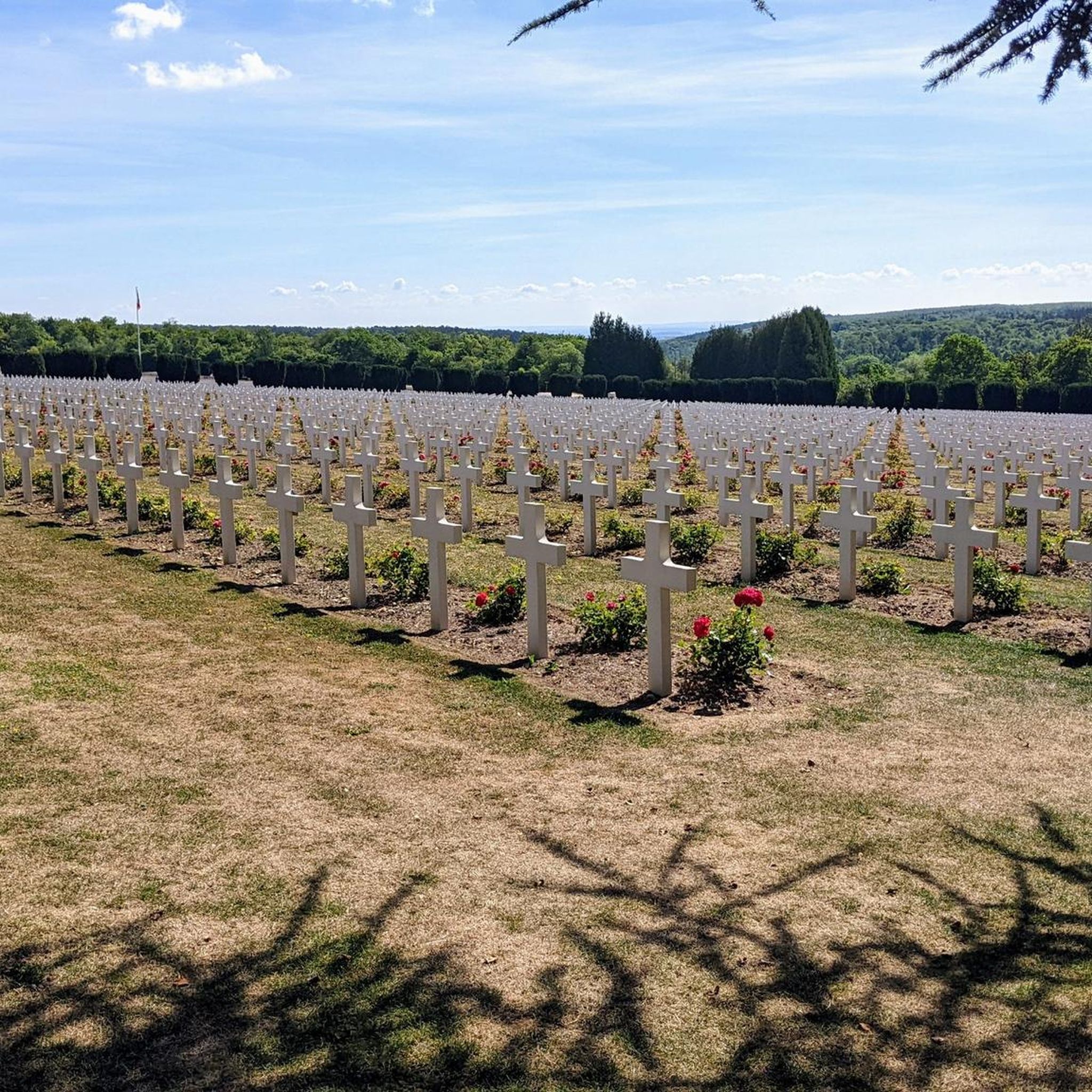
In September 1914, the 186 inhabitants were evacuated from the village, which was temporarily left in no man's land. In October 1914, it was occupied by French troops who transformed it into a strong point. Beaumont unfortunately lay just behind the front line where the first German attack took place on 21 February 1916. Lieutenant-Colonel Emile Driant's chasseurs defended the Caures Wood to the north, in the most advanced position. Despite the heroic resistance of the chasseurs, the wood fell and Colonel Driant gave the order to withdraw to Beaumont. As the columns emerged from the wood, they came under withering German machine gun fire. The colonel, who formed the rearguard, was killed, but fragments of his sections managed to reach Beaumont and reinforce the garrison there. February 24 was the critical day. From the village, elements of two French regiments (four companies) fought off repeated attacks. As the troops of the 18th German Corps entered the village, they were mowed down by machine guns firing from cellar windows. The enemy formations, which were extremely densely packed, advanced so rapidly, with each wave passing the previous one, that the French automatic fire at first seemed to overwhelm them and they suffered terrible losses. The Germans began a systematic shelling of the village again. When the infantry attack was resumed, they again encountered fierce resistance, but the balance of power was now too unequal. As more of the attacking troops managed to break through, the French officers realized that a withdrawal was necessary. The French were able to keep an escape route open and a number of their survivors were able to escape the following morning. Beaumont was lost and it was to become a formidable stronghold for the German army for the remainder of the battle of 1916. Read the full story at https://roadstothegreatwar-ww1.blogspot.com/2022/10/three-battles-at-beaumont-en-verdunois.html
2
0
Murvaux is a small village in the Meuse, in the Grand Est region. It has a rich history and beautiful nature. Here are some places of interest to visit in Murvaux: *The church of Murvaux: This church dates from the 12th century and has a Romanesque style. It is a historical monument since 1926. You can admire the beautiful stained glass windows, the wooden altar and the bell tower. *The Murvaux laundry service: This is an old public wash house that used to be used by the villagers to wash their clothes. It was built in the 19th century and has a stone roof. It is located on the edge of a stream and surrounded by greenery. *The old presbytery of Murvaux: This is a large stone house that used to be the residence of the village's parish priest. It was built in the 18th century and has a typical Lorraine architecture. It is now a private residence, but you can still see it from the outside.
6
0
Frequently Asked Questions
What historical sites related to World War I can I visit near Étraye?
The region around Étraye is deeply connected to World War I history. While Étraye itself was a key location, many significant sites are in the wider Verdun area. These include the Douaumont Ossuary, Fort Douaumont, the Verdun Memorial, Fort de Vaux, Tranchée De Chattancourt (Chattancourt Trench), and the Trench of the Bayonets. You can also visit the Beaumont-en-Verdunois Destroyed Village, which commemorates one of the villages not rebuilt after the war.
Are there any preserved villages or unique settlements to explore near Étraye?
Yes, you can visit Beaumont-en-Verdunois Destroyed Village, a poignant historical site that was not rebuilt after WWI. Another interesting settlement is Murvaux, a small village with a 12th-century church, an old public wash house, and typical Lorraine architecture, offering a glimpse into local history and culture.
What natural landscapes and features can I explore around Étraye?
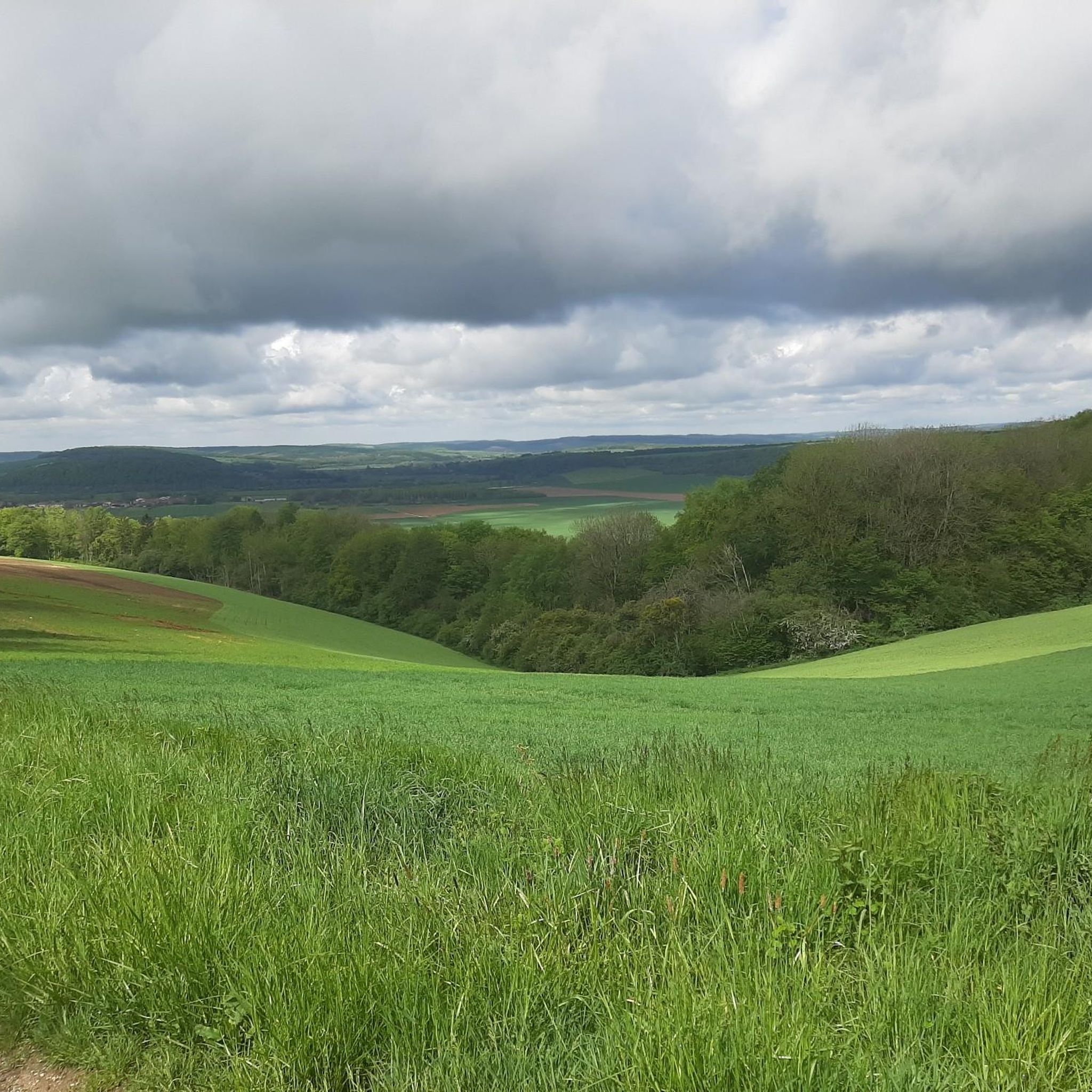
The area around Étraye is part of the 'Terres-de-Meuse' and offers a diverse natural environment within the Meuse valley. You can enjoy its river, verdant valleys, forests, and plains. The region is rich in biodiversity, with various plant and animal species, including numerous bird species and European beavers. The Cycle path along the Meuse Canal provides a peaceful way to experience the tranquil waterside scenery.
What outdoor activities, like cycling, are available near Étraye?
The region offers excellent opportunities for cycling. You can enjoy the Cycle path along the Meuse Canal, which features pleasant gravel strips and relaxing views. For more extensive rides, explore the many road cycling routes available, such as the 'Citadel of Verdun – Chemin forestier tranquille loop' or the 'Douaumont Ossuary – Douaumont Ossuary loop'. You can find more details and routes in the Road Cycling Routes around Étraye guide.
Where can I find hiking trails near Étraye?
There are various hiking trails around Étraye, allowing you to explore the diverse landscapes of the Meuse department. Paths wind through forests, along riverbanks, and across rolling countryside. Popular routes include the 'Pc du Colonel Driant – First-aid station loop' and several other moderate loops from nearby villages like Lissey and Azannes-et-Soumazannes. Discover more options in the Hiking around Étraye guide.
Are there any running trails in the Étraye area?
Yes, the area around Étraye offers several running trails suitable for various distances. You can find moderate running loops starting from villages like Lissey, Samogneux, Consenvoye, and Brandeville, including routes through the Bois de Murvaux. For detailed maps and route information, check the Running Trails around Étraye guide.
Are there any historical churches to visit in the vicinity of Étraye?
Yes, you can visit the Church of Forges-sur-Meuse, dedicated to Saint-Baudel. This church originally dates from the 11th century, showcasing a striking mix of architectural styles due to various modifications and restorations over the centuries. It offers insights into the religious life of the region.
What do visitors enjoy most about the attractions near Étraye?
Visitors particularly appreciate the peaceful and relaxing environment, especially along the Cycle path along the Meuse Canal. The historical depth of sites like the Beaumont-en-Verdunois Destroyed Village and the charm of small villages like Murvaux are also highly valued. The blend of poignant history and tranquil natural beauty makes the area unique.
When is the best time of year to visit Étraye for outdoor activities and sightseeing?
The best time to visit Étraye for outdoor activities and sightseeing is generally from spring to early autumn (April to October). During these months, the weather is milder and more conducive to hiking, cycling, and exploring the historical sites. The natural landscapes of the Meuse valley are particularly vibrant in spring and summer, while autumn offers beautiful foliage.
Are there family-friendly attractions or activities around Étraye?
While many historical sites focus on WWI, which can be educational for older children, the natural environment offers family-friendly activities. Gentle walks and cycling along the Cycle path along the Meuse Canal are suitable for families. Exploring the charming village of Murvaux with its historical church and wash house can also be an engaging experience for all ages.
Can I find unique viewpoints or scenic spots in the Étraye area?
The Meuse valley itself offers many scenic spots, particularly along the river and canal. The Cycle path along the Meuse Canal provides continuous peaceful views of the waterway and surrounding landscapes. Additionally, various hiking trails will lead you through forests and elevated areas, offering picturesque vistas of the rolling countryside.
What kind of biodiversity can I expect to see in the Meuse valley near Étraye?
The Meuse valley is known for its rich biodiversity. You might spot various bird species, including curlews, corncrakes, and red kites. The wetlands and forests are also home to European beavers, swallows, bats, and numerous species of dragonflies. Exploring the hiking and cycling paths provides excellent opportunities for wildlife observation.

Get inspired with the komoot mobile app


Explore more
Still not found the Highlight you’re looking for? See guides of the top attractions in other regions:
