Attractions and Places To See around Saint-Céols - Top 12
Attractions and places to see around Saint-Céols, a small commune in the Cher department of France, offer a tranquil rural experience. The surrounding area provides a variety of attractions, including cultural sites, historical landmarks, and natural landscapes. Visitors can explore vineyards, forests, and ponds, making it suitable for outdoor activities like hiking and cycling.
Best attractions and places to see around Saint-Céols
- The most popular attractions is Pesselières Castle, a castle dating from the 12th century. It includes a remarkable park with a 300-meter-long boxwood alley and a channel fed by two sources.
- Another must-see spot is Monotrace du Bois de Maupas🤗, a path with slopes and roots. This trail leads towards Henrichemont/La Borne and offers varied terrain.
- Visitors also love La Borne, potters' village, a hub for ceramic creation. This village has a history of pottery dating back to the 12th century and hosts two museums.
- Saint-Céols is known for its historical sites, cultural villages, and natural hiking trails. The region offers a variety of attractions to see and explore, from ancient castles to pottery workshops and scenic paths.
- The attractions around Saint-Céols are appreciated by the komoot community, with 8 upvotes and 3 photos shared by visitors.
Last updated: August 17, 2026
La Borne, potters' village
Highlight • Other
La Borne being close to a large sandstone deposit, there are traces of this activity since the 12th century and it has continued to develop over time. In the 15th century, potters acquired mastery of cooking local clay. In the 17th century, the creation of the town of Henrichemont increased demand and concentrated the workshops in the hamlet, halfway between the quarries and the town. Then in the 19th century, at its peak, 21 workshops operated there.
Unlike many pottery villages, La Borne has been able to resist the new materials of the 20th century with the revival of pottery in the form of art.
Today, nearly 80 craftsmen and artists of twelve different nationalities work in the surrounding area and there are two museums in the village.
In the former Saint-Jean-Baptiste chapel, the Pottery Museum was created with a rather traditional and historical approach and in which we find works by renowned potters such as the Talbot family, Vassil Ivanoff and Jean Linard.
Then you will find the La Borne Contemporary Ceramic Center which has occupied the village's former girls' school since 1971 as well as a glass gallery more than 600 meters long inaugurated in 2010.
Every year around October you can participate in the Grands Feux, an event allowing you to discover how the hamlet's wood-fired ovens work.
Translated by Google •
Tip by

Pesselières Castle
Highlight • Castle
Translated by Google •
Tip by

Sign up now to discover places like this
Get recommendations on the best single tracks, peaks, & plenty of other exciting outdoor places.
Sign up for free
Saint-Aignan Church of Veaugues
Highlight • Religious Site
The current church was built in the 19th century, on the ruins of an old 12th century church. It was designed by the architect Leclère, in a neo-Gothic style.
The Saint-Aignan church is a masterpiece of neo-Gothic architecture. It is built in cut stone, and has an imposing façade with two twin towers. The interior of the church is also remarkable, with its Gothic vaults, stained glass windows and sculptures.
The Saint-Aignan church is unique in its kind by the presence of a tribune organ from 1889, built by the Aristide Cavaillé-Coll factory. This organ is considered one of the most beautiful in Europe
Translated by Google •
Tip by

Michavant🤗 wood climb
Highlight (Segment) • Other
Translated by Google •
Tip by

Trail above Morue🤗
Highlight (Segment) • Other
Translated by Google •
Tip by
Sign up for free to discover even more attractions around Saint-Céols.
Sign up for free
Already have an account?
Start today with a free account
Your next adventure awaits.
Login or Signup



Tips from the Community

The last two bends are complicated with the flint piles.
0
0

The Saint-Aignan church in Veaugues is a Catholic church located in the Cher department, in the Centre-Val de Loire region. It is dedicated to Saint Aignan, bishop of Orléans in the 5th century. The current church was built in the 19th century, on the ruins of an old 12th century church. It was designed by the architect Leclère, in a neo-Gothic style. The Saint-Aignan church is a masterpiece of neo-Gothic architecture. It is built in cut stone, and has an imposing façade with two twin towers. The interior of the church is also remarkable, with its Gothic vaults, stained glass windows and sculptures. The Saint-Aignan church is unique in its kind by the presence of a tribune organ from 1889, built by the Aristide Cavaillé-Coll factory. This organ is considered one of the most beautiful in Europe
0
0

If you are a ceramist or an enlightened pottery lover, La Borne will surely mean something to you. Indeed, this village is a mecca for ceramic creation in France and internationally. La Borne being close to a large sandstone deposit, there are traces of this activity since the 12th century and it has continued to develop over time. In the 15th century, potters acquired mastery of cooking local clay. In the 17th century, the creation of the town of Henrichemont increased demand and concentrated the workshops in the hamlet, halfway between the quarries and the town. Then in the 19th century, at its peak, 21 workshops operated there. Unlike many pottery villages, La Borne has been able to resist the new materials of the 20th century with the revival of pottery in the form of art. Today, nearly 80 craftsmen and artists of twelve different nationalities work in the surrounding area and there are two museums in the village. In the former Saint-Jean-Baptiste chapel, the Pottery Museum was created with a rather traditional and historical approach and in which we find works by renowned potters such as the Talbot family, Vassil Ivanoff and Jean Linard. Then you will find the La Borne Contemporary Ceramic Center which has occupied the village's former girls' school since 1971 as well as a glass gallery more than 600 meters long inaugurated in 2010. Every year around October you can participate in the Grands Feux, an event allowing you to discover how the hamlet's wood-fired ovens work.
0
0
You have to take a few moments before to admire the Morue pond which is really magnificent
0
0

This path which follows the GR31 offers a part on flint which rolls under the wheels then the path becomes rolling to end with a ford (if you want to wet the wheels) on the Pré au Merle stream.
1
0

Stop at the mill, the traditional oil mill, very warm welcome and you can have a drink in the fridge
2
0
Beautiful trench of 1km well gullied with a flint bottom.
1
0

Dating from the 12th century, the castle of Pesselières is of Medieval type and includes a remarkable park. Indeed, the French-style garden consists of a 300-meter-long three-hundred-year-old boxwood alley, a channel fed by two sources. A hundred trees of remarkable species were planted in 2009, and the park received the Remarkable Garden label in 2013. The castle can be visited for € 8. More information: https://www.chateau-pesselieres.com/ and http://www.pesselieres.com/
3
0
Frequently Asked Questions
What are some must-see historical sites around Saint-Céols?
The region offers several historical gems. Don't miss Pesselières Castle, a 12th-century medieval castle with a remarkable French-style garden featuring a 300-meter-long boxwood alley. You can also explore the local Église de Saint-Céols, a listed monument, and the historical Prieuré de Saint-Céols, a former 13th-century monastic convent now operating as a winery.
What unique cultural experiences can I find near Saint-Céols?
A truly unique cultural experience awaits at La Borne, potters' village. This internationally recognized hub for ceramic creation has a rich history of pottery dating back to the 12th century. Visitors can explore two museums: the Pottery Museum and the La Borne Contemporary Ceramic Center. The village also hosts the 'Grands Feux' event around October, showcasing wood-fired kiln operations.
What natural landscapes can I explore around Saint-Céols?
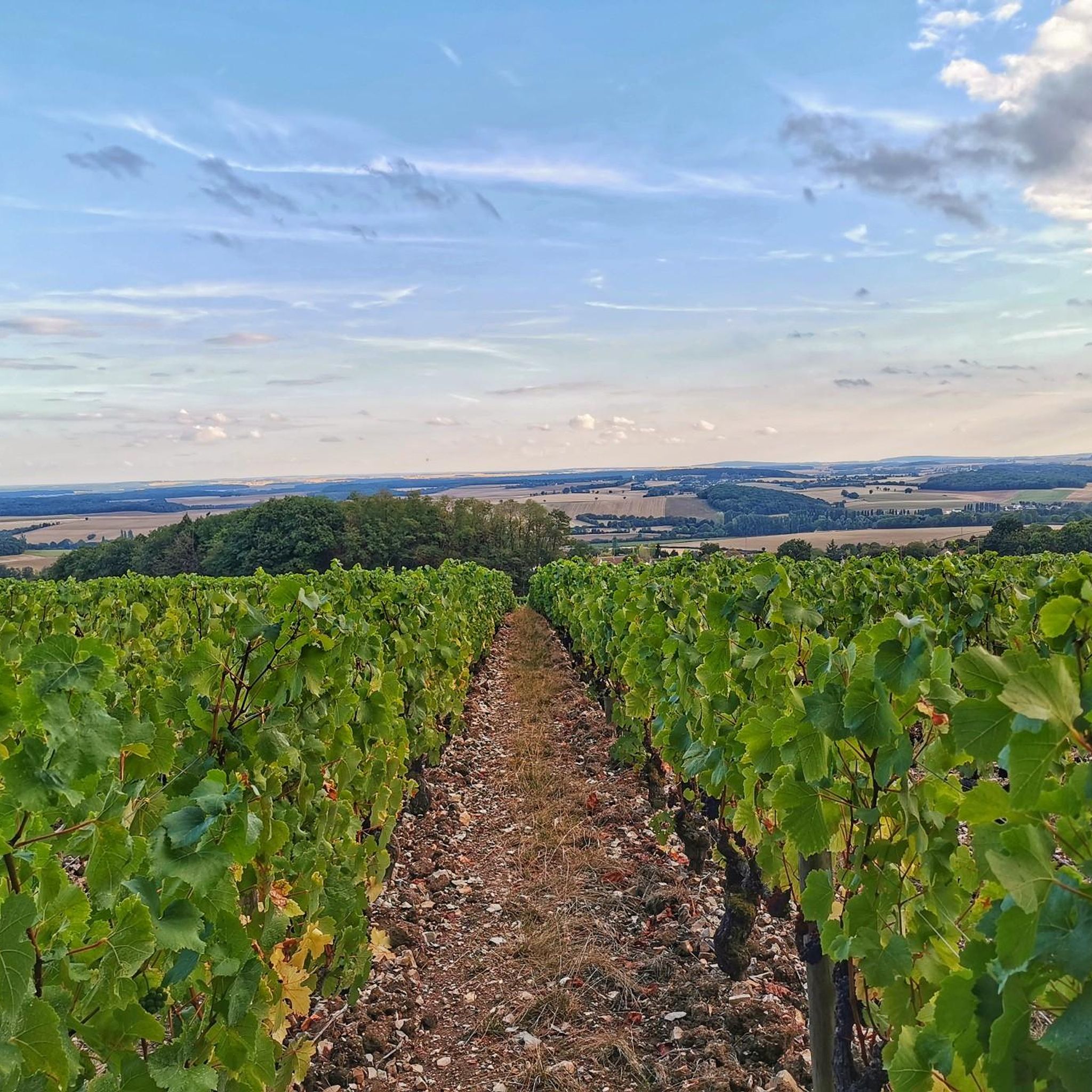
The area around Saint-Céols is rich in natural beauty, perfect for outdoor exploration. You can discover gently sloping vineyards that are part of the Menetou-Salon appellation, as well as forests and tranquil ponds. The Kimmeridgian marl soils of the vineyards contribute to the distinct local wines.
What hiking opportunities are available near Saint-Céols?
There are numerous trails for hiking, allowing you to explore the scenic landscapes. Popular options include the Trail above Morue, which follows the GR31 and features varied terrain and a ford. Another picturesque path is the Monotrace du Bois de Maupas, leading towards Henrichemont/La Borne with slopes and roots. For more options, check out the hiking routes around Saint-Céols.
Can I go cycling around Saint-Céols?
Yes, the region is ideal for cycling with many paths through vineyards, forests, and ponds. You can find various routes, such as the 'Château de Pesselières — loop from Montigny' or the 'Jean Linard's Cathedral – La Borne Museum loop from Morogues'. Explore more options on the cycling guide for Saint-Céols.
Where can I experience the local vineyards?
The gently sloping vineyards surrounding Saint-Céols are part of the Menetou-Salon appellation, known for its distinct fresh, mineral-driven wines. You can visit the Prieuré de Saint-Céols, a historical site that is now a renowned winery, or explore the various vineyard trails, such as those found on the 'La boucle de Redan (Redan Loop)' near Aix-d'Angillon.
Are there family-friendly attractions in the area?
Families can enjoy exploring the historical Saint-Aignan Church of Veaugues, which is tagged as family-friendly. The potters' village of La Borne can also be an engaging visit for older children interested in art and history, with its museums and pottery demonstrations.
What kind of trails can I expect for hiking or cycling?
Trails around Saint-Céols offer varied terrain. You'll find sections with flint, rolling paths, and even fords across streams like the Pré au Merle. Some paths, such as the Monotrace du Bois de Maupas, feature slopes and roots, adding a challenging element, especially when wet, making them suitable for mountain biking or more adventurous hikes.
When is the best time to visit Saint-Céols for outdoor activities?
The region around Saint-Céols is ideal for outdoor activities, suggesting that spring, summer, and early autumn offer the best conditions. During these seasons, the weather is generally favorable for hiking, cycling, and exploring the vineyards and natural landscapes.
What is the history behind Pesselières Castle?
Pesselières Castle dates back to the 12th century and is a medieval-style fortress. Its remarkable park, which received the 'Remarkable Garden' label in 2013, features a 300-meter-long, three-hundred-year-old boxwood alley and a channel fed by two sources. The castle can be visited to explore its historical architecture and gardens.
Are there any religious or architectural sites to visit?
Yes, the local Église de Saint-Céols is a listed monument with architectural and historical value. Additionally, the Saint-Aignan Church of Veaugues is a masterpiece of neo-Gothic architecture from the 19th century, built on the ruins of an older 12th-century church, and features a notable tribune organ from 1889.
What do visitors particularly enjoy about the attractions near Saint-Céols?
Visitors appreciate the blend of history, culture, and nature. The medieval charm of Pesselières Castle and its beautiful park, the unique artistic heritage of La Borne, potters' village, and the scenic hiking and cycling trails through vineyards and forests are frequently highlighted. The tranquility and rural experience of the area are also highly valued.

Get inspired with the komoot mobile app


Explore more
Still not found the Highlight you’re looking for? See guides of the top attractions in other regions:
