Attractions and Places To See around Durban-Corbières - Top 18
Best attractions and places to see around Durban-Corbières include a blend of historical landmarks, cultural sites, and natural features. This charming village in the Aude department of France is situated near the sea and within the Corbières region. Visitors can explore medieval architecture, discover the wild, unspoilt countryside, and follow historic routes like the Road of Cathar Castles. The area offers diverse attractions both within the village and in the surrounding natural landscape.
Best attractions and places to see around…
Last updated: October 11, 2026
Château de Montséret Ruins
Highlight • Castle
Translated by Google •
Tip by

Perillos
Highlight • Castle
Translated by Google •
Tip by

Sign up now to discover places like this
Get recommendations on the best single tracks, peaks, & plenty of other exciting outdoor places.
Durban Castle
Highlight • Castle
Showing Translation
Tip by

Vierge de la Récaoufa
Highlight • Other
Showing Translation
Tip by
Col de Pereille
Highlight • Mountain Pass
Translated by Google •
Tip by

Sign up for free to discover even more attractions around Durban-Corbières.
Already have an account?
Start today with a free account
Your next adventure awaits.
Tips from the Community

The castle of Durban stands in ruins on a rocky outcrop overlooking the village of Durban-Corbières, in the Aude. Built in the 11th century on Roman remains for the lords of Durban, vassals of the viscounts of Narbonne, it is mentioned as early as 1018 and long reigned over the surrounding valleys. Sold in 1873 to recover its stones, then dismantled, it was only saved in 1989 when the commune acquired what remained of it.
0
0
Perched on a hill overlooking Villeneuve-les-Corbières, near Tuchan, the Vierge de la Récaoufa has watched over the Corbières from its tower built around 1869, undoubtedly on an ancient pilgrimage site. Destroyed by a violent storm, the building was rebuilt in 1975 thanks to the mobilization of neighboring municipalities. The path that climbs up to it, short but steep and rocky, can be completed in about two hours for 3 kilometers and 250 meters of elevation gain. The effort is rewarded at the summit by a 360-degree panorama encompassing Mont Tauch, Mont Alaric, and the villages of Durban, Cascastel, and Villeneuve.
0
0

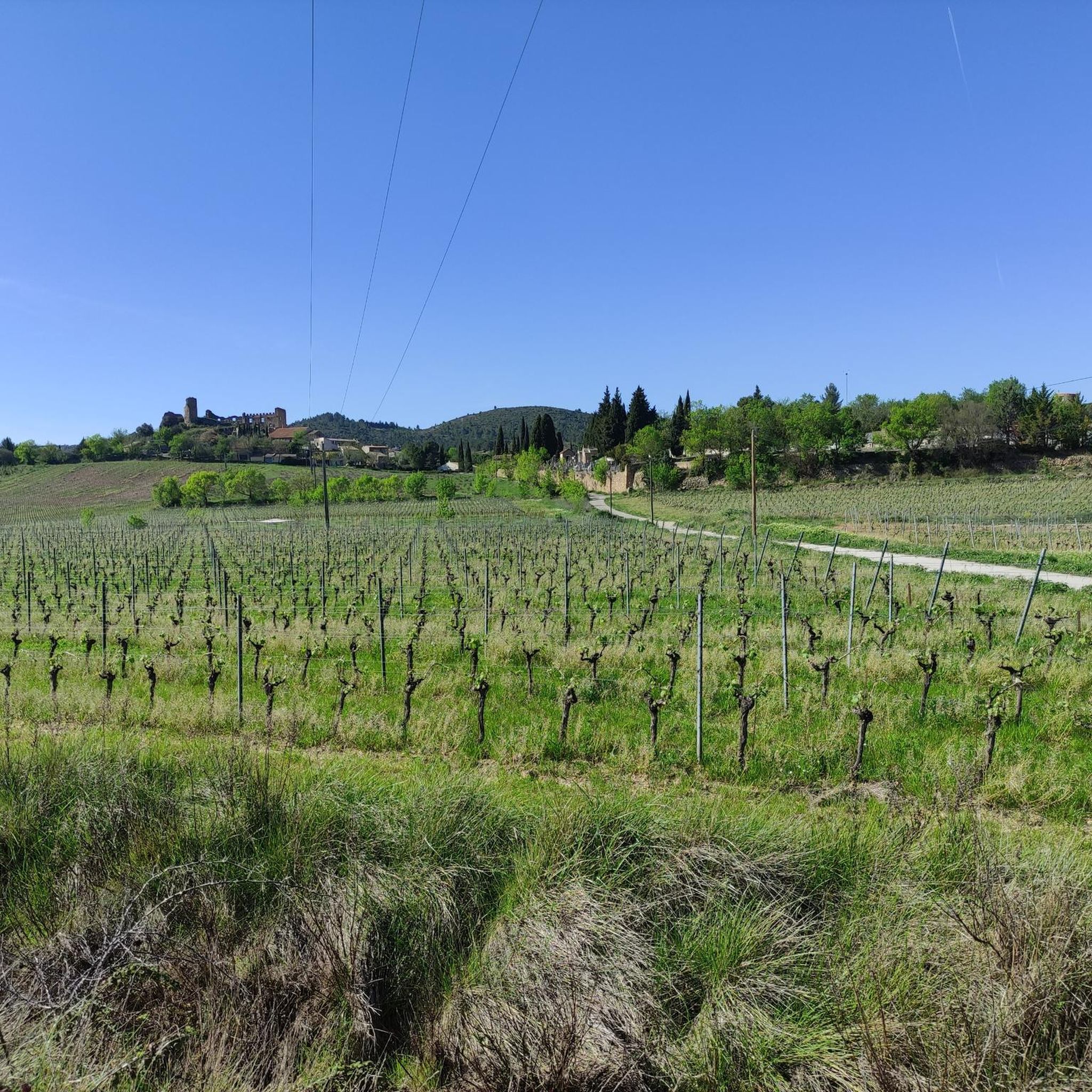
The Château de Montséret (also known as Château de la Bouisse or Moun Séré) is located on a rocky ridge above the village of Montséret in the Corbières. The castle was probably built in the 10th century and was an important medieval fortress with a keep and a double ring wall. It overlooked an important trade route between the Corbières and Narbonne. In the 12th and 13th centuries, it was the seat of the lords of Montséret and played a role in regional power struggles. Around 1550, the fortified village on the mountain was abandoned for unknown reasons – possibly due to a plague epidemic. The inhabitants founded the current village in the plain, and the castle fell into ruin. In the 19th century, many stones from the ruins were reused for the construction of a railway line and dry stone walls. Today, the ruins are a worthwhile destination for hikers and offer a beautiful view over the vineyards of the Corbières. The entire castle remains were classified as a historical monument in 2024 under S
0
0


"In danger, in doubt, in difficulties, think of Mary, invoke Mary. Do not let her name leave your lips, never let it leave your heart. (...) Under her protection, you have nothing to fear; if she goes before you, you will not tire; if she grants you his favor, you will reach your goal." St. Bernard of Clairvaux
2
0


Château de Montséret was originally built in 1050 and has evolved over the years. Now unfortunately only a ruined castle but with a very nice view.
3
1

Magnificent castle, perched in the heart of the village
1
1
Frequently Asked Questions
What historical landmarks can I explore in Durban-Corbières?
The village is rich in history. You can explore the ruins of the 11th-century Château de Durban-Corbières, which dominates the old town. While entrance to the castle itself is prohibited, its presence defines the medieval lanes below. Additionally, the 14th-century Chapelle Saint-Hippolyte and the 19th-century Stone Bridge are notable historical elements.
Are there any natural viewpoints or scenic spots near Durban-Corbières?
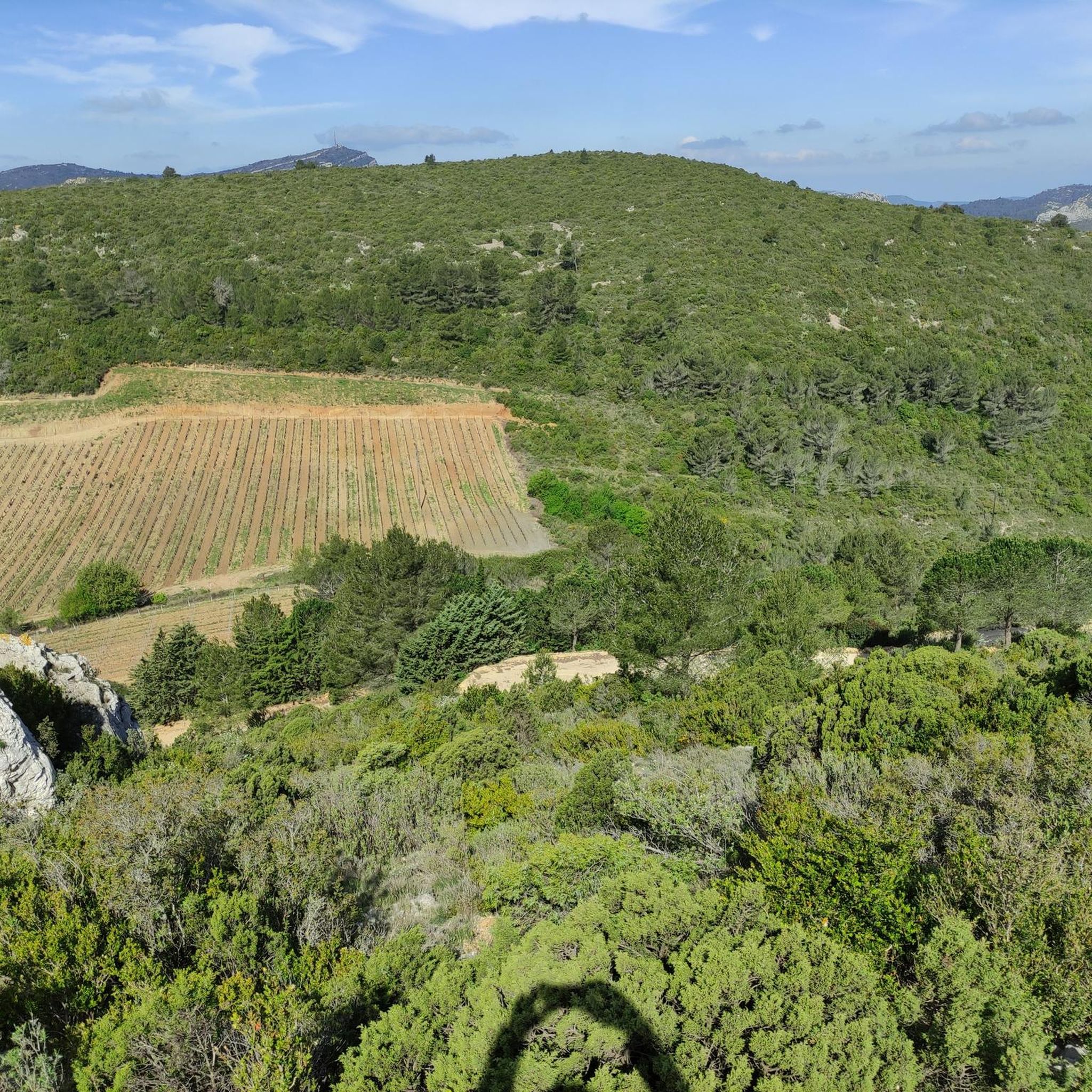
Yes, the region offers several scenic viewpoints. The Col de Pereille, a mountain pass in the Corbières massif, provides superb views of the landscape after a climb. Another highlight, Beautiful view, offers vistas of ponds and the sea as you ascend, leading into a steep-sided valley with a cave and Roman boundary stones.
What kind of outdoor activities can I do around Durban-Corbières?
The Corbières region is ideal for outdoor enthusiasts. You can find numerous trails for cycling, mountain biking, and running. For cycling, explore routes like the 'Col de Pereille and col du Souil loop' or the 'Durban Bridge loop'. Mountain bikers can tackle the 'Grand Windmill of Albas loop' or the 'Durban Castle loop'. Runners have options such as the 'Guter Weg – Geröllweg loop'. You can find more details on these activities in the cycling guide, MTB guide, and running guide for the area.
Are there any unique natural features to discover?
Beyond the scenic views, you can explore caves like Le Trou de la Caune, an impressive natural monument. The region is also characterized by its wild, unspoilt countryside, featuring sandy beaches, lagoons, garrigue, and rocky escarpments, especially within the broader Corbières Massif.
What cultural sites are within a day trip's distance from Durban-Corbières?
Durban-Corbières is located on the historic Road of Cathar Castles. Significant Cathar castles like Château d'Aguilar (13 km), Château de Quéribus (24 km), Château de Peyrepertuse (25 km), and Château de Termes (21 km) are all within reasonable driving distance. Additionally, the 12th-century Fontfroide Abbey, a 'jewel of the Corbières,' is about 16 km away.
What is the Old Town of Durban-Corbières like?
The Old Town features charming cobbled streets nestled at the foot of the castle. You can follow a marked 'Old Durban sightseeing circuit' with 14 key points, starting from the quay along the Berre river and leading up to the fort, to discover the village's heritage.
Are there any family-friendly attractions nearby?
Yes, the Perillos castle ruins offer an interesting exploration for families, with views and a sense of history. For a more active day out, the running trails or cycling routes around the area can be adapted for various fitness levels. The nearby Sigean Nature Reserve (Réserve Africaine de Sigean), about 14 km away, is a popular wildlife park with thousands of animals, making it an excellent family outing.
What do visitors enjoy most about the attractions around Durban-Corbières?
Visitors particularly appreciate the sense of history and the stunning natural landscapes. Highlights like Perillos are enjoyed for their exploration opportunities and beautiful views. The Amazing road surrounded by cliffs is praised for its picturesque scenery and the feeling of solitude, with minimal traffic and the sounds of nature.
Can I find opportunities for nature walks and hikes in the area?
Absolutely. The Corbières region is known for its 'wild, unspoilt countryside' and offers numerous opportunities for nature walks and hikes. The area is well-equipped with equestrian, hiking, and biking routes, allowing you to explore the diverse landscapes of garrigue, rocky escarpments, and coastal proximity.
Are there any unique driving experiences or scenic roads?
Yes, the Amazing road surrounded by cliffs is a small road that crosses picturesque landscapes, offering a sense of solitude with almost no cars, just the chirping of cicadas. It's a great option for a scenic drive or a quiet bike ride.
What is the significance of Durban-Corbières' location near the sea?
Durban-Corbières' proximity to the sea and its beaches offers additional recreational opportunities. Visitors can enjoy the coastline, which complements the inland historical and natural attractions of the Corbières region. This blend provides a diverse range of experiences from mountain passes to sandy shores.
Are there any art or cultural institutions nearby?
Yes, the LAC - Lieu d'Art Contemporain, located in nearby Sigean, is a private contemporary art museum established in 1991, featuring a permanent exhibition. This offers a modern cultural contrast to the region's historical sites.

Get inspired with the komoot mobile app


Explore more
Still not found the Highlight you’re looking for? See guides of the top attractions in other regions:
