The best cycling routes around Durban-Corbières
4.7
(83)
384
riders
36
rides
Touring cycling routes around Durban-Corbières traverse a landscape characterized by small, hilly roads, garrigue, and vineyards within the Aude department of the Occitanie region. The area features the Corbières Massif, offering mountain passes and varied terrain suitable for cycling. Proximity to the coast and the Regional Natural Park of Narbonne in the Mediterranean adds diverse scenery, including sandy beaches and lagoons. This region provides a mix of challenging and moderate routes through its wild countryside.
Best touring cycling routes around…
Last updated: October 16, 2026
3.5
(2)
22
riders
Moderate bike ride. Good fitness required. Mostly paved surfaces. Suitable for all skill levels.
5.0
(5)
16
riders
28.7km
01:49
320m
320m
Moderate bike ride. Good fitness required. Mostly paved surfaces. Suitable for all skill levels.

4.0
(1)
17
riders
48.8km
03:13
740m
740m
Hard bike ride. Very good fitness required. Mostly paved surfaces. Suitable for all skill levels.
5
riders
26.9km
02:32
580m
580m
Hard bike ride. Very good fitness required. Mostly paved surfaces. Suitable for all skill levels.
5
riders
32.3km
03:07
720m
720m
Hard bike ride. Very good fitness required. You may need to push your bike for some segments of this route.
Get access to more routes and recommendations from other explorers.
Already have an account?
Our route recommendations are based on thousands of hikes, rides, and runs completed by other people on komoot.
Start today with a free account
Your next adventure awaits.
Tips from the Community

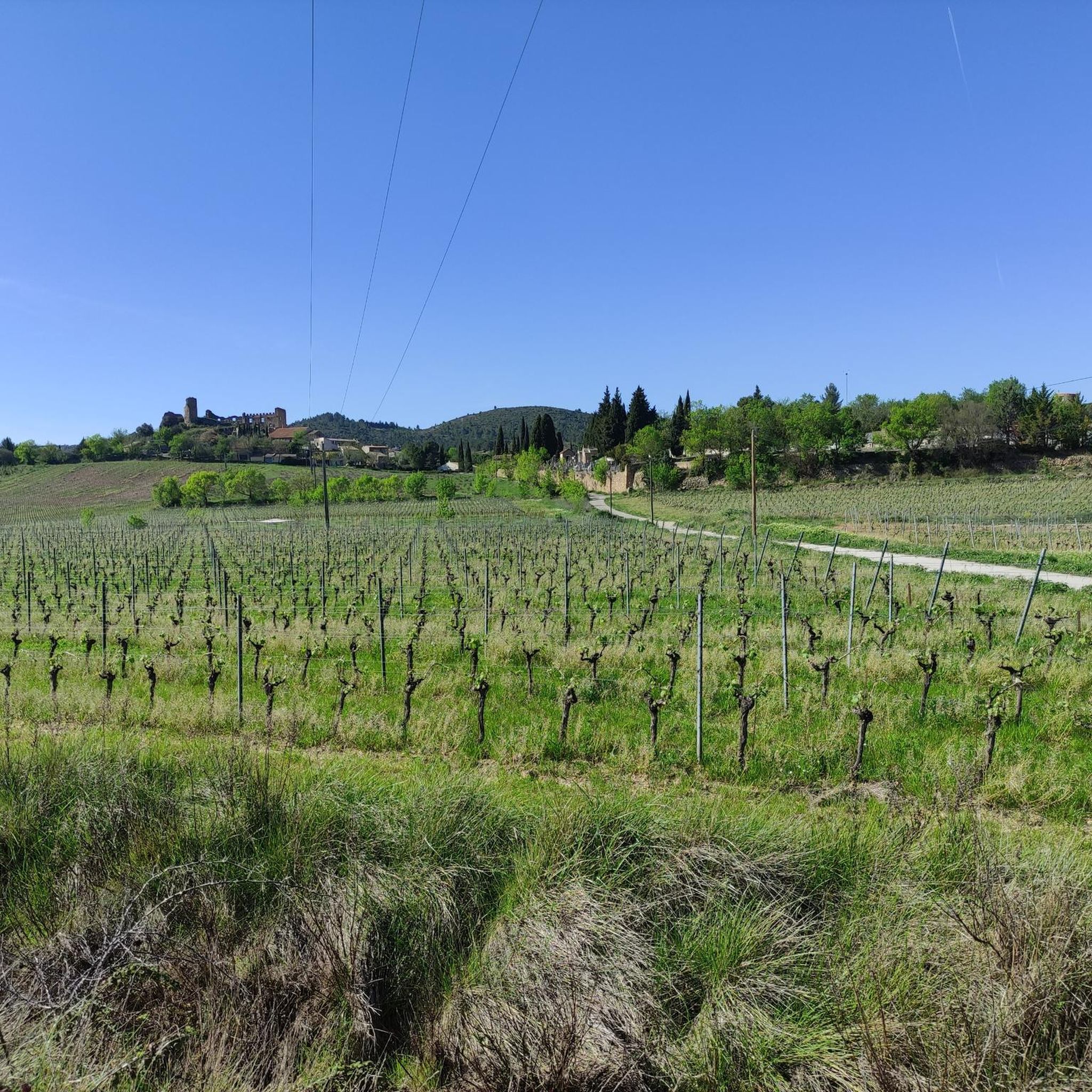
The castle of Durban stands in ruins on a rocky outcrop overlooking the village of Durban-Corbières, in the Aude. Built in the 11th century on Roman remains for the lords of Durban, vassals of the viscounts of Narbonne, it is mentioned as early as 1018 and long reigned over the surrounding valleys. Sold in 1873 to recover its stones, then dismantled, it was only saved in 1989 when the commune acquired what remained of it.
0
0
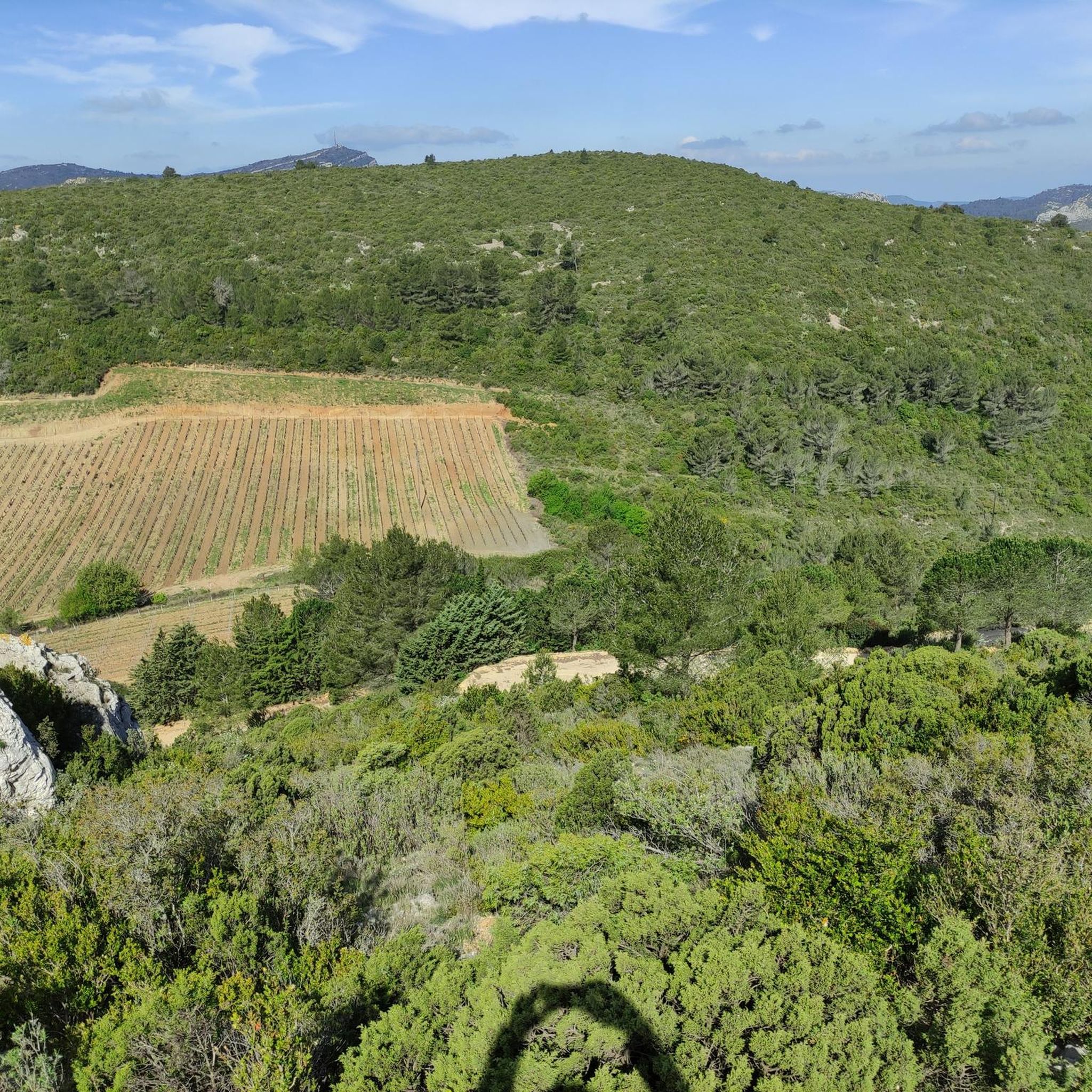
Perched on a hill overlooking Villeneuve-les-Corbières, near Tuchan, the Vierge de la Récaoufa has watched over the Corbières from its tower built around 1869, undoubtedly on an ancient pilgrimage site. Destroyed by a violent storm, the building was rebuilt in 1975 thanks to the mobilization of neighboring municipalities. The path that climbs up to it, short but steep and rocky, can be completed in about two hours for 3 kilometers and 250 meters of elevation gain. The effort is rewarded at the summit by a 360-degree panorama encompassing Mont Tauch, Mont Alaric, and the villages of Durban, Cascastel, and Villeneuve.
0
0

"In danger, in doubt, in difficulties, think of Mary, invoke Mary. Do not let her name leave your lips, never let it leave your heart. (...) Under her protection, you have nothing to fear; if she goes before you, you will not tire; if she grants you his favor, you will reach your goal." St. Bernard of Clairvaux
2
0


small grocery store often open and well stocked
0
0


Very impressive château in a small, pleasant town; a restaurant with a shady garden is located directly opposite.
3
1

Magnificent castle, perched in the heart of the village
1
1
Frequently Asked Questions
What kind of terrain can I expect on touring cycling routes around Durban-Corbières?
The region features a diverse landscape, primarily characterized by small, hilly roads that traverse garrigue, vineyards, and mountain pastures within the Corbières Massif. You'll find a mix of challenging climbs and scenic stretches, with many routes on paved surfaces. The proximity to the coast also means some routes offer views of sandy beaches and lagoons.
How many touring cycling routes are available in the Durban-Corbières area?
There are over 30 touring cycling routes available around Durban-Corbières, offering a variety of experiences for different skill levels. These routes are well-documented on platforms like komoot, indicating a robust cycling infrastructure.
Are there any family-friendly touring cycling routes in Durban-Corbières?
While many routes involve hilly terrain, there are moderate options available that can be suitable for families, especially those comfortable with some elevation. Routes like the Durban Bridge loop from Villesèque-des-Corbières offer a moderate ride, mostly on paved surfaces, which can be a good starting point for families.
What are the best times of year to go touring cycling in Durban-Corbières?
The mild climate of the Occitanie region makes Durban-Corbières appealing for outdoor activities for much of the year. Spring and autumn generally offer the most comfortable temperatures for cycling, avoiding the peak heat of summer while still enjoying pleasant weather.
What historical sites or landmarks can I see along touring cycling routes?
The region is rich in history. You can explore sites like the Château de Durban-Corbières, which dates back to 1020, or cycle along routes that are part of the 'road of Cathar castles'. Nearby attractions include the historic village of Perillos. The Old Durban sightseeing circuit also allows you to explore the village's heritage, including the fort overlooked by the Castle of the Lords of Durban.
Are there any routes that offer panoramic views or natural features?
Absolutely. Many routes in the Corbières Massif provide superb vistas. For example, the Col de Pereille and Col du Souil loop offers scenic views from mountain passes. You might also encounter impressive natural sites like the Gorges de Galamus or the Gouffre de l'Œil Doux, and some routes pass by the Col de Pereille itself, known for its views.
Are there any circular touring cycling routes in the area?
Yes, many of the touring cycling routes around Durban-Corbières are designed as loops, allowing you to start and finish at the same point. Examples include the Col de Pereille and Col du Souil loop and the Col d'Extrême – Ferréol Pass loop from Embres-et-Castelmaure.
What is the difficulty level of touring cycling in Durban-Corbières?
The routes vary in difficulty. You'll find a good mix of moderate and difficult routes. For instance, there are 16 moderate routes and 17 difficult routes. More challenging rides, like the Villerouge-Termenès Castle loop from Fontjoncouse, require good fitness due to significant elevation gain.
What do other touring cyclists enjoy about cycling in Durban-Corbières?
The area is highly rated by the komoot community, with an average score of 4.9 stars from over 60 reviews. Reviewers often praise the varied terrain, the scenic views from mountain passes, and the quiet, hilly roads that wind through vineyards and garrigue.
Can I find cafes or places to stop along the touring cycling routes?
While specific establishments are not listed, the region's villages and towns, often nestled among vineyards, provide opportunities for refreshment. Cycling routes frequently pass through or near these communities, offering chances to stop for a break or a meal.
Are there any less crowded touring cycling routes in the Durban-Corbières area?
The region is known for its wild and unspoilt countryside, with small, hilly roads that are generally less trafficked than major routes. Exploring some of the lesser-known loops, such as the Durban Bridge loop from Embres-et-Castelmaure, can offer a more tranquil experience away from larger crowds.
Is there public transport access to the cycling routes in Durban-Corbières?
Information on specific public transport links directly to trailheads is limited. However, Durban-Corbières is a village in the Aude department, and regional bus services might connect it to larger towns. For detailed planning, it's advisable to check local transport schedules for connections to your chosen starting point.
Most popular attractions around Durban-Corbières

Get inspired with the komoot mobile app


Explore more
Browse the best Cycling routes in other regions.
