The best cycling routes around Beaucourt-Sur-L'Ancre
4.7
(55)
500
riders
108
rides
Touring cycling routes around Beaucourt-Sur-L'Ancre are situated in the Somme department of the Hauts-de-France region, characterized by diverse landscapes. The area features picturesque countryside, extensive forests, and agricultural land, with the Ancre River flowing into the canalized Somme. Terrain includes plateau areas with siliceous soil and rich earth, alongside limestone hillsides.
Best touring cycling routes around Beaucourt-Sur-L'Ancre
- The most popular touring cycling route is Parc Mémorial de Thiepval — loop from Newfoundland Memorial, a 15.1 miles (24.4 km) moderate…
Last updated: October 12, 2026
5.0
(1)
2
riders
24.4km
01:38
270m
270m
Moderate bike ride. Good fitness required. Mostly paved surfaces. Suitable for all skill levels.
4.5
(4)
18
riders
144km
08:32
810m
810m
Hard bike ride. Very good fitness required. Mostly paved surfaces. Suitable for all skill levels.

20
riders
53.5km
04:18
550m
550m
Hard bike ride. Very good fitness required. Mostly paved surfaces. Suitable for all skill levels.
5.0
(1)
13
riders
33.1km
02:06
210m
210m
Moderate bike ride. Good fitness required. Mostly paved surfaces. Suitable for all skill levels.
11
riders
56.2km
04:11
390m
390m
Moderate bike ride. Good fitness required. Mostly paved surfaces. Suitable for all skill levels.
Get access to more routes and recommendations from other explorers.
Already have an account?
Our route recommendations are based on thousands of hikes, rides, and runs completed by other people on komoot.
Start today with a free account
Your next adventure awaits.



Tips from the Community

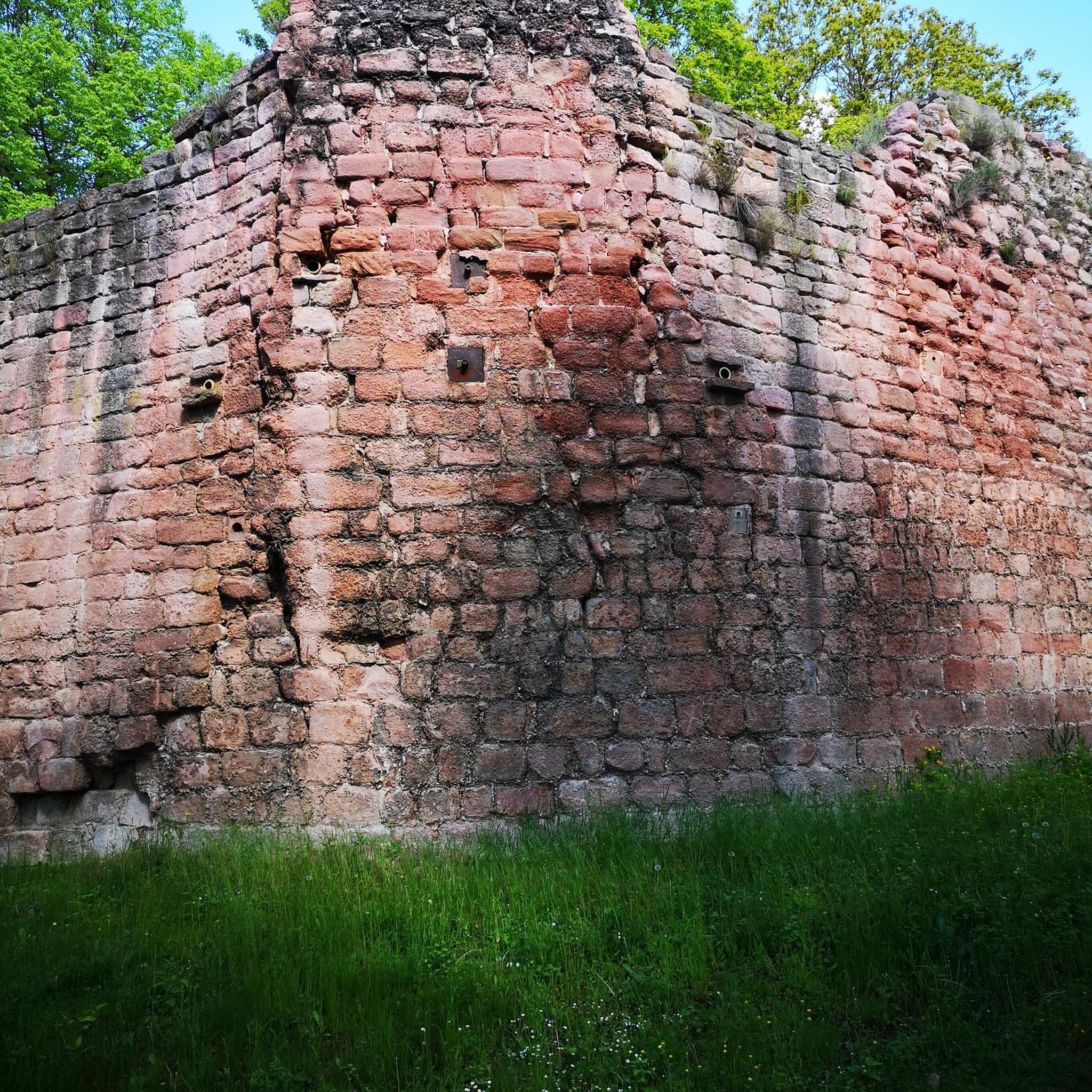
Well-preserved space. The rampart tour is worth the detour. There is even a shelter for bike parking.
0
0
Very beautiful a cemetery and a World War I memorial located in Arras.
0
0

The Mémorial à la 18e Division britannique consists of a stone obelisk with bronze plaques on each side. These plaques commemorate the officers, non-commissioned officers and men of the division and record the battles in which the division fought. Interestingly, the 18th British Division played a crucial role in the Battle of the Somme, suffering significant losses but making important territorial gains.
6
0
Officially part of the Historial de la Grande Guerre, the Thiepval Museum is located near the impressive Thiepval Memorial and offers an in-depth look at the Battle of the Somme of 1916. Opened in 2016 to mark the centenary of this bloody battle, the museum comprises seven thematic areas, each highlighting a different aspect of the war. One of the highlights is the 60-metre-long panoramic comic strip by artist Joe Sacco, which vividly depicts the events of 1 July 1916. Visitors will gain insight not only into the military strategies, but also into the human suffering and the culture of remembrance surrounding the missing of the Somme.
5
0
The Tour d'Ulster, also known as the Helen Tower or Tour de Belfast, is a British war memorial. It was built in 1921 to commemorate the soldiers of the 36th Ulster Division who died during the Battle of the Somme in World War I. The tower is a replica of a neo-Gothic tower in Clandeboye Park, near Belfast, where the 36th Division trained. An interesting anecdote is that the 36th Ulster Division was the first to attack during the Battle of the Somme on 1 July 1916, but suffered heavy losses from both German and British artillery fire. The division lost over 5,500 men in just a few hours. The Tour d'Ulster has a cafeteria where you can enjoy a cup of tea, scones or Tayto chips, a specialty from Northern Ireland. It is a nice place to relax.
6
0
An interesting anecdote is that the Royal Naval Division was originally formed from reservists of the British Navy who had no place on ships during the war. This unit was trained as infantry and played a crucial role in several battles, including the Battle of the Ancre.
6
0
The British Royal Naval Division Memorial in Beaucourt-sur-l'Ancre commemorates the officers and men of the Royal Naval Division who died during the Battle of the Ancre, part of the great Somme offensive. The memorial is located on Rue d'Hamel (Route D50) and Chemin de Serres les Pusieux.
6
0
Miraumont is a small village in the Somme department, in the Hauts-de-France region, which occupies a historically and geographically special place. It is situated in a narrow valley at the source of the Ancre River, a tributary of the Somme, and is surrounded by gently rolling hills that were once the scene of fierce fighting during the First World War. During the Battle of the Somme in 1916, Miraumont was close to the front line and was badly hit. Today it is a quiet rural commune of around 630 inhabitants, where the past is still palpable in the surroundings and in nearby military cemeteries. Its proximity to other historic sites such as Thiepval and Beaumont-Hamel makes it a worthwhile stop for those wishing to explore the region's wartime past.
7
0
Frequently Asked Questions
How many touring cycling routes are available around Beaucourt-Sur-L'Ancre?
There are over 110 touring cycling routes around Beaucourt-Sur-L'Ancre, offering a wide range of options for exploring the region. These routes are highly rated by the komoot community, with an average score of 4.7 stars.
What is the general terrain like for touring cycling in Beaucourt-Sur-L'Ancre?
The terrain around Beaucourt-Sur-L'Ancre is diverse, featuring picturesque countryside, extensive forests, and agricultural land. You'll encounter plateau areas with siliceous soil and rich earth, alongside limestone hillsides, particularly near the Ancre valley. The broader Somme region is known for its modest elevation gains, making it suitable for various cycling abilities.
Are there routes suitable for beginners or those looking for an easy ride?
Yes, there are 25 easy touring cycling routes around Beaucourt-Sur-L'Ancre. These routes typically feature gentler gradients and are ideal for a relaxed ride. For example, the Somme Valley Cycle Route, while longer, is largely flat and safe, making it suitable for novice cycle tourists.
Are there more challenging touring cycling routes for experienced cyclists?
For experienced cyclists seeking a challenge, there are 17 difficult touring cycling routes in the area. These routes often cover longer distances and include more significant elevation changes. An example is the Parc de la Bassure – The Citadel loop from Beaumont-Hamel, which spans over 137 km.
What historical landmarks can I explore while cycling near Beaucourt-Sur-L'Ancre?
The region is rich in World War I history. You can cycle past significant memorials such as the Thiepval Memorial, the Newfoundland Memorial, and the Ulster Memorial Tower. The Parc Mémorial de Thiepval — loop from Newfoundland Memorial is a moderate route that passes by several of these historical sites.
Are there any natural features or viewpoints to see along the cycling routes?
Yes, the routes offer views of the Ancre River valley, agricultural plains, and forests. You can also find natural monuments like the Hawthorn Ridge Crater and the Lochnagar Crater, which are poignant reminders of the area's past. The Somme Valley Cycle Route, further afield, offers scenic views of hedgerows, ponds, and peat bogs.
Are there any circular touring cycling routes available?
Many of the touring cycling routes around Beaucourt-Sur-L'Ancre are designed as loops, allowing you to start and end at the same point. Examples include the Aveluy Wood Cemetery – Miraumont loop from Miraumont and the Sucrerie military cemetary – Hawthorne ridge crater loop from Miraumont.
Is it possible to cycle with family on these routes?
Yes, the region offers family-friendly cycling options. The Somme Valley Cycle Route, for instance, is described as flat and safe with picnic areas, making it ideal for family cycling. Look for the 'easy' graded routes in the guide for suitable family outings.
What is the best time of year to go touring cycling in the Beaucourt-Sur-L'Ancre region?
The spring and autumn months generally offer pleasant weather for touring cycling, with milder temperatures and beautiful scenery. Summer can also be enjoyable, though it may be warmer. Always check local weather forecasts before heading out.
Are there options for parking when starting a cycling tour?
While specific parking locations for each route are not detailed here, many routes start from villages or towns where public parking is typically available. It's advisable to check the starting point of your chosen route on komoot for more specific parking information.
Can I access the cycling routes using public transport?
Public transport options in rural areas like Beaucourt-Sur-L'Ancre can be limited, especially for transporting bicycles. Larger towns like Amiens or Arras, which are accessible by train, might offer better connections to regional cycling networks. For detailed public transport information, it's best to consult local transport authorities or the SNCF website for train services in the Hauts-de-France region.
What do other touring cyclists enjoy the most about touring cycling in Beaucourt-Sur-L'Ancre?
The area is highly rated by the komoot community, with an average score of 4.7 stars from over 40 reviews. Reviewers often praise the historical significance of the routes, the peaceful countryside, and the varied terrain that offers something for different skill levels.
Most popular routes around Beaucourt-Sur-L'Ancre
Most popular attractions around Beaucourt-Sur-L'Ancre

Get inspired with the komoot mobile app


Explore more
Browse the best Cycling routes in other regions.
