The best road cycling routes around Saint-Jory-Las-Bloux
4.5
(24)
771
riders
190
rides
Road cycling routes around Saint-Jory-Las-Bloux traverse the picturesque landscapes of the Dordogne department in Nouvelle-Aquitaine, France. The region is characterized by varied topography, including winding climbs and descents through country lanes, dense oak forests, and limestone formations. Situated on a promontory above the river Isle, the area offers a green environment with springs, wild plateaus, and vineyards. Cyclists can expect well-paved surfaces and diverse terrain suitable for various fitness levels.
Best road cycling routes around Saint-Jory-Las-Bloux
- The most popular road…
Last updated: October 16, 2026
5.0
(1)
15
riders
Moderate road ride. Good fitness required. Mostly well-paved surfaces and easy to ride.
8
riders
40.5km
01:55
510m
510m
Moderate road ride. Good fitness required. Mostly well-paved surfaces and easy to ride.

4
riders
Hard road ride. Very good fitness required. Mostly well-paved surfaces and easy to ride.
4
riders
88.4km
04:09
1,020m
1,020m
Hard road ride. Very good fitness required. Mostly well-paved surfaces and easy to ride.
6
riders
Easy road ride. Great for any fitness level. Mostly well-paved surfaces and easy to ride.
Get access to more routes and recommendations from other explorers.
Already have an account?
Our route recommendations are based on thousands of hikes, rides, and runs completed by other people on komoot.
Start today with a free account
Your next adventure awaits.



Tips from the Community


Why Visit Thiviers? For its gastronomy: Thiviers is a paradise for gourmets. With its fat markets, truffles and local products, the city offers an authentic and unique culinary experience. For its historical heritage: Between its Gothic church and its museums, Thiviers allows you to delve into the history of Périgord and discover the Périgord way of life. For the surrounding nature: Located in the Périgord Vert, the city is an excellent starting point for exploring the surrounding countryside, whether through hikes or bike rides. Thiviers is an ideal destination for those looking to discover the gastronomic and natural heritage of Périgord, while enjoying the charm of an authentic and welcoming small town.
1
0
Nature and hiking: Green environment: Surrounded by hills and forests, Thiviers is the ideal starting point for hikes in the Périgord Vert. Nature lovers can take advantage of the marked trails to discover the local flora and fauna. The Thiviers-Saint-Pardoux greenway: This old railway line transformed into a cycle path allows you to explore the surrounding countryside in complete tranquility, whether on foot or by bike. Market and local traditions: Weekly market: The Thiviers market is a meeting place for locals and visitors. You can find local products, fruits, vegetables, cheeses, and of course, Périgord specialties such as foie gras and duck confit. Festivals and festivals: Thiviers regularly organizes cultural and gastronomic events, such as the Foire du Gras, which celebrates local products, or even music and traditional arts festivals. Vaucocour Castle: 18th century building: Located not far from the city, this castle, surrounded by a magnificent park, is a beautiful example of 18th century architecture. It is possible to visit its gardens and learn more about local history.
1
0
Thiviers, located in the Dordogne, is a charming little town in the Périgord Vert, renowned for its rich historical and gastronomic heritage. Nicknamed the "capital of foie gras and truffles", Thiviers is a destination of choice for lovers of good food and history buffs. Surrounded by green landscapes, this town offers a beautiful immersion in the culture and traditions of the Périgord. Points of Interest in Thiviers: Historical Heritage: Notre-Dame-de-l'Assomption Church: This Gothic church, dating from the 13th century, is one of the most important monuments in Thiviers. It impresses with its sober and elegant architecture, with its square bell tower and colorful stained glass windows. Museum of earthenware and tableware: Located in a private mansion, this museum houses a beautiful collection of old earthenware and tableware objects, testifying to the importance of culinary traditions in Périgord. Local gastronomy: Capital of foie gras: Thiviers is world-renowned for its foie gras production. Every year, foie gras markets attract many visitors, and the city regularly organizes gastronomic events showcasing this emblematic product. Périgord truffles: In addition to foie gras, Thiviers is also famous for its truffles, these precious mushrooms that make the region famous. The truffle market in winter is an unmissable event for gourmets.
1
0

The castle was partly destroyed, along with the village, by the Black Prince who came to besiege the neighboring castle of Bourdeilles in 1369. At the end of the 15th century, construction of a main building flanked by an octagonal tower between the two remaining large round towers of the original castle. In 1569, Coligny had 260 peasants who had sought refuge there to protect themselves from the Huguenot armies massacred in a lower room. In 1653, Antoine de Chabans, loyal to the king, besieged the castle to regain possession of the domain that his brothers, supporters of the Prince of Condé, had appropriated. Restored within its walls, the marquis destroyed the fortifications and the drawbridge, built a castle and the stables, and developed the terraces. In the 18th century, a low house was added, adjacent to the main buildings. Other outbuildings close the north side of the interior courtyard, having retained their domestic function. In 1916, lightning destroyed all of the roofs which were not restored.
0
0

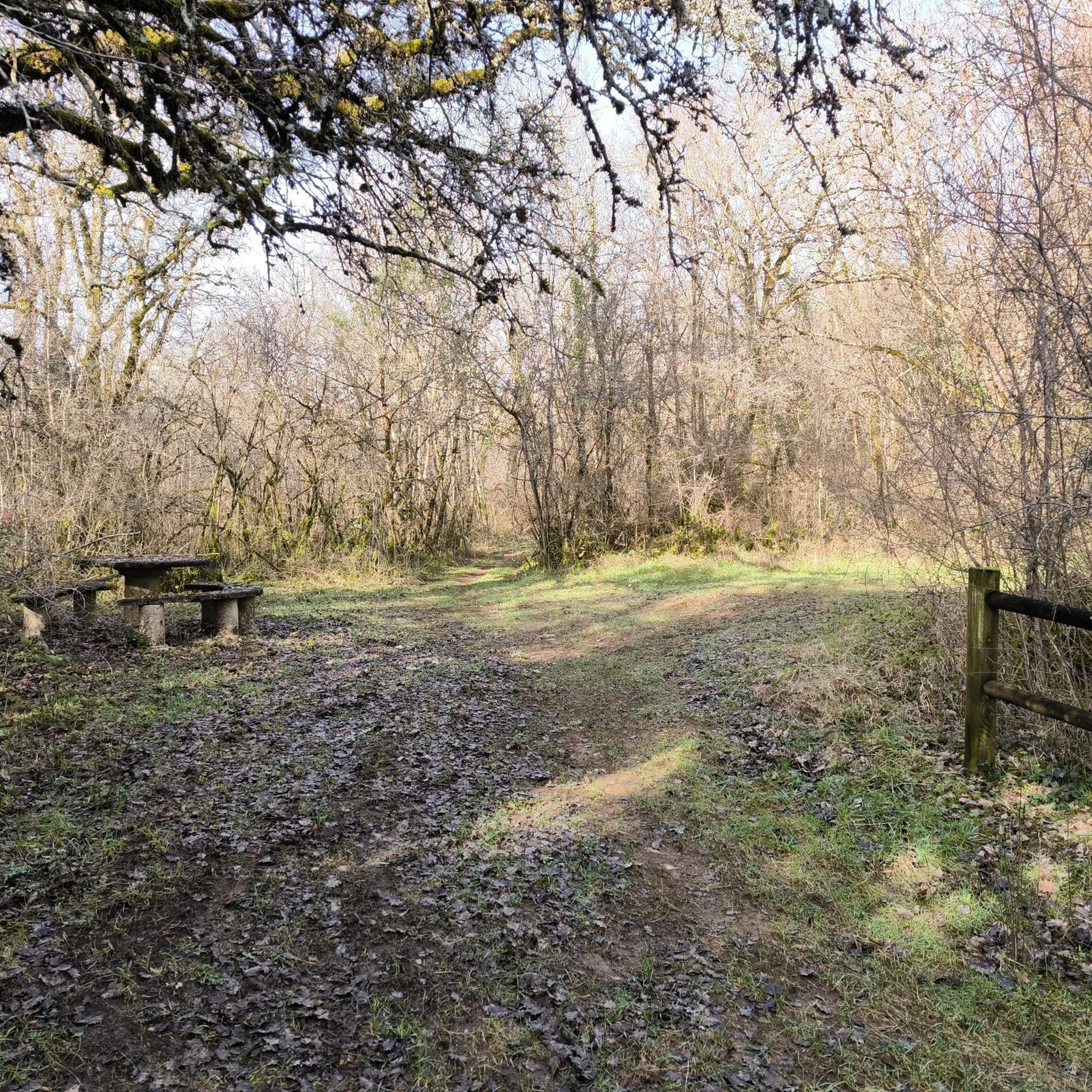
beautiful bike tour across country
1
0
The Abbey of Tourtoirac is a Romanesque building from the 11th century which experienced an important monastic life linked to the Abbey of Saint-Martial in Limoges, known in the 13th century for its cultural influence.
0
0

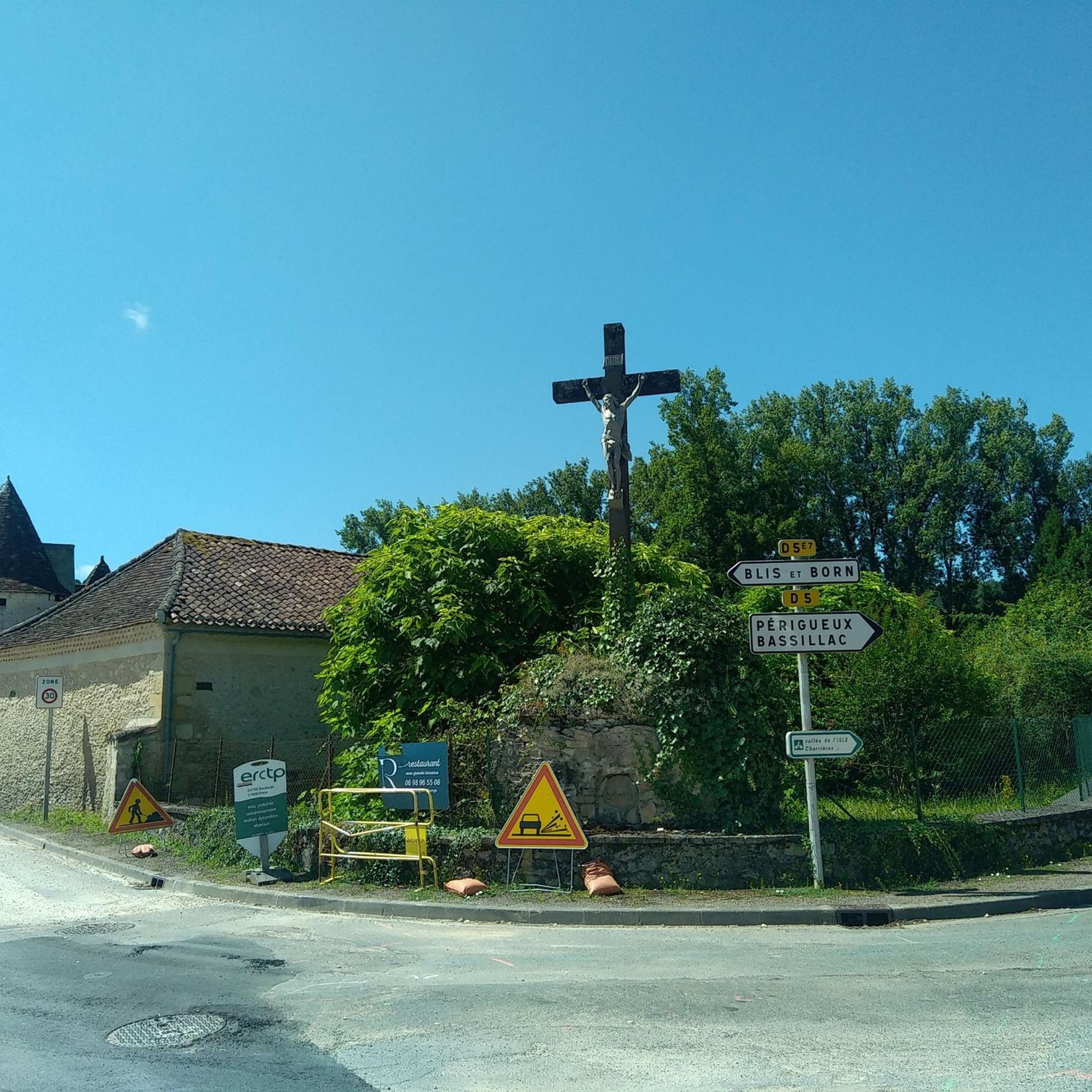
The town of Thiviers is located on the way to Saint Jacques de Compostela and at the start of the Flow Vélo. It is home to several half-timbered houses from the 16th century as well as many buildings of architectural interest such as the Château de Malaveix and... the Maison du Foie-gras!
1
0
Frequently Asked Questions
How many road cycling routes are available around Saint-Jory-Las-Bloux?
There are over 200 road cycling routes around Saint-Jory-Las-Bloux, offering a diverse range of options for cyclists. These routes traverse the picturesque landscapes of the Dordogne department, featuring varied topography from winding country lanes to dense oak forests.
Are there easy road cycling routes suitable for beginners or families?
Yes, Saint-Jory-Las-Bloux offers around 30 easy road cycling routes. For instance, the Château de Glane loop from Corgnac-sur-l'Isle is an easy option. The broader Dordogne Valley also features dedicated bicycle tracks, like the one from Cazoulès to Sarlat-la-Canéda, which is mostly flat and shaded, making it ideal for families.
What kind of terrain can I expect on road cycling routes in this region?
The region offers varied topography, characterized by winding climbs and descents through country lanes, vast tracts of countryside, and deep oak forests. You'll encounter green environments with springs and limestone formations, as well as fields of walnut groves, wild plateaus, and vineyards. Routes often feature well-paved surfaces, providing an enjoyable cycling experience.
What are some notable attractions or landmarks I might see along the cycling routes?
Many routes pass by charming villages and historical sites. You might encounter picturesque villages like Saint-Jean-de-Cole (a 'Most Beautiful Village') or Tourtoirac. Historic châteaux such as the Thiviers Old Town, Chateau de Jumilhac, and Chateau de Hautefort are also within cycling distance. The area is part of the Périgord-Limousin Natural Regional Park, offering natural beauty.
Are there any circular road cycling routes available?
Yes, many routes are designed as loops. Popular examples include the Abbaye Saint-Pierre-ès-Liens loop from Saint-Germain-des-Prés, the Career loop from Saint-Germain-des-Prés, and the Abbaye Saint-Pierre-ès-Liens – Savignac les églises loop from Saint-Germain-des-Prés, all offering varied distances and elevation.
What is the best time of year for road cycling in Saint-Jory-Las-Bloux?
The region's climate generally makes spring and autumn ideal for road cycling, with pleasant temperatures and vibrant landscapes. Summer can also be enjoyable, especially when routes pass through deep oak forests that provide shade. The Dordogne Valley is known for its relatively low traffic on country roads, allowing for a relaxed pace throughout much of the year.
What do other road cyclists enjoy most about cycling in Saint-Jory-Las-Bloux?
The area is highly rated by the komoot community, with an average score of 4.7 stars from over 13 reviews. Cyclists often praise the unrivalled scenic beauty, the quiet country lanes, and the diverse terrain that caters to various fitness levels. The opportunity to discover medieval villages and enjoy local food along the way is also a highlight.
Are there options for more advanced road cyclists seeking a challenge?
Absolutely. While there are many moderate routes, Saint-Jory-Las-Bloux also offers around 28 difficult road cycling routes. These more challenging options can feature over 3,000 feet of elevation gain, requiring good to very good fitness levels, and provide rewarding experiences with significant ascents and descents.
Can I find places to eat or drink along the road cycling routes?
Yes, the routes often pass through charming villages where you can find local cafes and restaurants. The Dordogne Valley is known for its local cuisine, so you can enjoy regional specialties like duck confit or walnut salad, making for pleasant stops during your ride.
Is parking available near the starting points of road cycling routes?
While specific parking facilities aren't detailed, starting points for many routes, such as Saint-Germain-des-Prés or Corgnac-sur-l'Isle, are typically located in or near villages where public parking options are generally available for visitors.
What are the typical distances and durations for road cycling routes in the area?
Routes vary significantly in length and duration. For example, the Château de la Rivière – Vieux lavatory loop from Saint-Germain-des-Prés is about 21.8 km and takes around 1 hour 4 minutes, while the Abbaye Saint-Pierre-ès-Liens – Savignac les églises loop is 45.9 km and typically takes about 2 hours 11 minutes. You can find routes tailored to your preferred distance and time.
Most popular routes around Saint-Jory-Las-Bloux
Most popular attractions around Saint-Jory-Las-Bloux

Get inspired with the komoot mobile app


Explore more
Browse the best Road cycling routes in other regions.
