Attractions and Places To See around La Puisaye - Top 20
Best attractions and places to see around La Puisaye include a landscape characterized by gently sloping plains, wooded plateaus, serene ponds, and lush bocages. This historical and natural region spans parts of the Loiret, Nièvre, and Yonne departments in France. It offers a rich tapestry of notable landmarks, natural features, and cultural sites. The area is known for its extensive forests and numerous ponds, providing a tranquil environment for exploration and is deeply rooted in traditional pottery making.
Best attractions…
Last updated: June 29, 2026
Château de Senonches
Highlight • Castle
Translated by Google •
Tip by

Ferté-Vidame Castle
Highlight • Other
Translated by Google •
Tip by
Sign up now to discover places like this
Get recommendations on the best single tracks, peaks, & plenty of other exciting outdoor places.
Sign up for free
Ruins of the Château de La Ferté-Vidame
Highlight • Castle
Translated by Google •
Tip by

View of the Château de Saint-Simon⚜️🏰✨
Highlight • Historical Site
Translated by Google •
Tip by
Saint Nicholas Church - La Ferté-Vidame
Highlight • Religious Site
SAINT NICOLAS
(17th century)
The town of La Ferté-Vidame takes its name from the Latin Firmitas Castrum which means the fortified villa belonging to the vidame'.
Its primitive church …
Translated by Google •
Tip by

Sign up for free to discover even more attractions around La Puisaye.
Sign up for free
Already have an account?
Start today with a free account
Your next adventure awaits.
Login or Signup


Tips from the Community

The castle of Senonches. You will find an information point inside.
0
0
Possibility of taking a walk in the park adjoining this beautiful ruin.
0
0
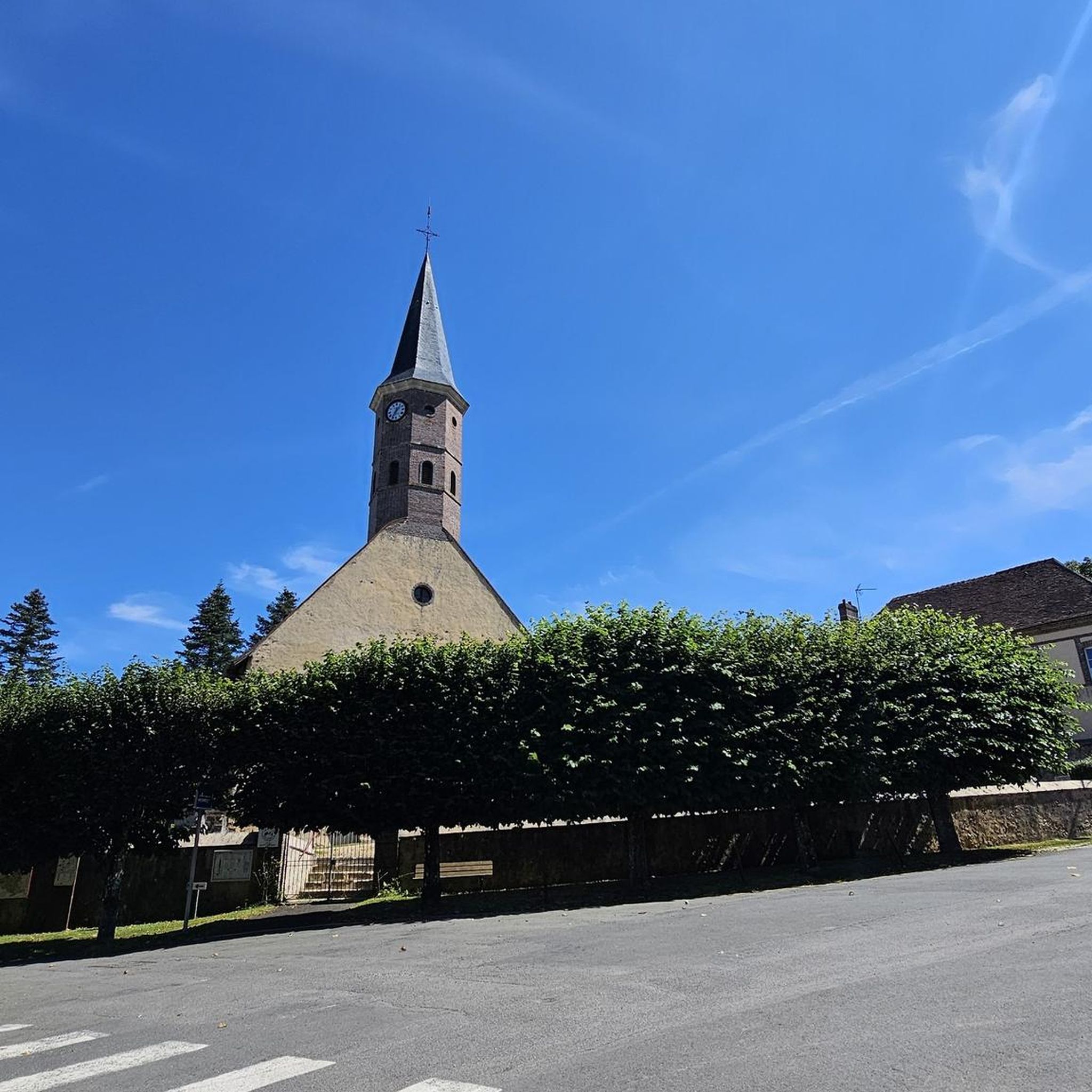
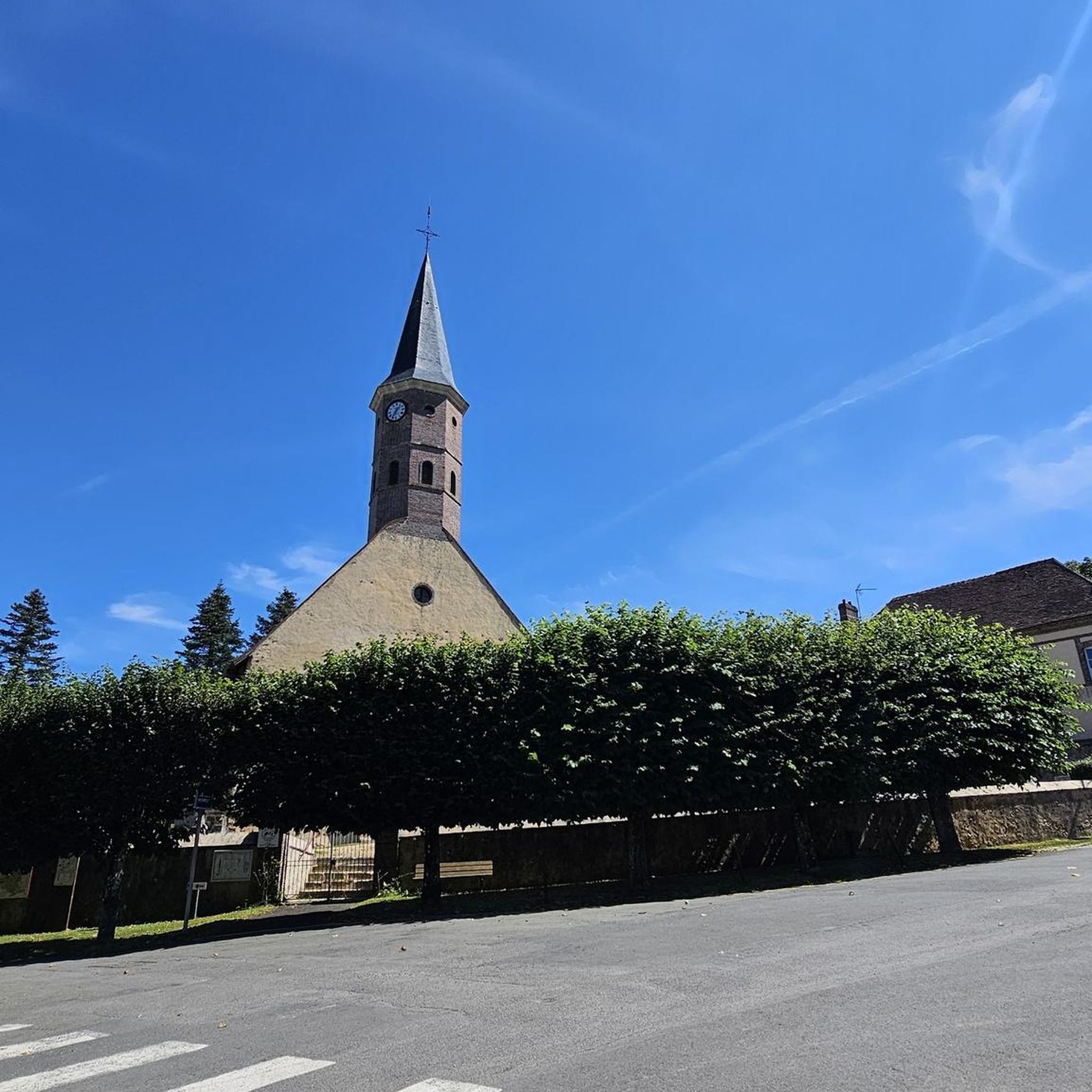
CHURCH SAINT NICOLAS (17th century) The town of La Ferté-Vidame takes its name from the Latin Firmitas Castrum which means the fortified villa belonging to the vidame'. Its primitive church existed from the 12th century. We find it mentioned in a charter dated 1136 under the name “Ecclesia Sancti Nicolai de Firmitate”. Under the Ancien Régime, the rectory which was at the disposal of the abbot of Saint-Vincent-des-Bois became an annex of the parish of Lamblore. This particular situation of a chief town of a castellany belonging to a rural parish is explained by the detachment of the original parish from the territory around the castle. Successor to the Huguenot heirs, Claude de Rouvroy de Saint-Simon, proclaimed by the grace of Louis XIII duke and peer of France, acquired the La Ferté estate in 1632. In order to erase all traces of Protestantism, of which the church had become over the centuries a very active platform, the Duke of Saint-Simon ordered in 1658 the demolition of the original church to replace it on the same site with the current building. The work was carried out promptly. On November 1, 1659, the Saint-Nicolas church was blessed by Messire Louis Oudard de Germens, canon priest of Chartres. Classic in style with its homogeneous and ordered composition, the church was built according to a plan in the shape of a Latin cross. Its construction was inspired by the drawings of the famous Italian architect, Andrea di Pietro Palladio, whose sketches Duke Saint-Simon had brought back from Spain. The architecture remains faithful to the marriage of stone and brick while giving this alternation a fanciful touch. Very majestic, the facade is built according to the Italian pattern (bossed pilasters, superposition of orders, pediment, volutes), a style also in vogue in France since 1630. The arms of the Saint-Simon family were engraved on a stone at the pediment of the portal and on two others on either side of the portal. They were burned during the Revolution. Today, only the date engraved on the frieze remains: 1659. 16 59 Square in plan, the bell tower, which adjoins the church in the northern part, is topped with a dome surmounted by a lantern. Two bells are housed in the bell tower: one dates from 1762, the second from 1813. The history of the church is closely intertwined with that of the lords of the parish, including the families Saint-Simon, Laborde, Bourbon-Penthievre and Bourbon-Orléans remain the most famous. Grandstands accessible from the outside and opening onto the side chapels recall their presence. In 1743, at the request of Louis de Saint-Simon, a great memoirist, the family vault was built in the Chapel of the Resurrection. A slab on the ground marks the location of the grave. Unfortunately, during the Revolution, the tombs were desecrated, the bones of the benefactors were extracted from the vault and scattered in a common grave dug at the apse of the church. The church was the subject of significant restorations at the end of the 18th century and the beginning of the 19th century, including the interior ornamentation of the building which is a manifestation of the neo-classical style.
2
0

The castle park is a great spot for a break. Access to the park is free.
0
0

The castle of La Ferté-Vidame impresses with its ruins, the only remains of its destruction during the French Revolution. Its park is also pleasant to visit.
2
0

A report on the castle and its history https://www.dailymotion.com/video/x7ypeas
0
0

On the edge of the Perche, the Senonches castle, whose oldest remains date from the 12th century, had illustrious owners until the Revolution: from the lords of Thimerais to “Monsieur”, brother of King Louis XVI.
0
0

The Château de Senonches is a medieval castle which dates from the 12th century and which is classified as a historic monument. It is surrounded by the Senonches forest, one of the largest and most diverse forests in Perche. You can explore the castle and its museum, which presents the ecology, history and industry of the forest.
2
0
Frequently Asked Questions
What historical landmarks can I explore in La Puisaye?
La Puisaye is rich in history, offering several notable landmarks. You can visit the unique Château de Senonches, a medieval castle with a 12th-century keep and later additions. Another significant site is the Ferté-Vidame Castle, where you can explore its impressive ruins and learn about its past, including its connection to the Duc de Saint-Simon. Don't miss Guédelon Castle, an ongoing project constructing a 13th-century castle using period techniques, or the grand Château de Saint-Fargeau, known for its historical shows.
Are there any family-friendly attractions in La Puisaye?
Yes, La Puisaye offers several family-friendly options. Guédelon Castle is a fantastic experience for all ages, allowing visitors to see medieval construction in action. The historical shows at Château de Saint-Fargeau are also engaging for families. For nature lovers, Lac du Bourdon provides a leisure complex with various activities, and the region's extensive forests offer plenty of opportunities for easy walks and exploration.
What natural features characterize the La Puisaye region?
La Puisaye is known for its abundant natural beauty, characterized by verdant forests and serene ponds. Key natural features include the Loing and Ouanne Valleys, which are central to much of the region's activity. Lac du Bourdon is the largest body of water, serving as a nature reserve and leisure spot. The area also boasts over 1,000 km of marked trails through its picturesque landscapes and includes three Natura 2000-classified zones, highlighting its ecological significance.
What cultural sites can I visit in La Puisaye?
La Puisaye has a vibrant cultural scene. You can explore the region's distinctive tradition of pottery making at sites like Poterie de la Bâtisse in Moutiers-en-Puisaye or follow the 'chemin des potiers' (potters' path) between Saint-Amand and Treigny. Visit La Fabuloserie, Bourgogne's unique museum of 'art brut,' or discover the birthplace and museum of renowned French writer Colette in Saint-Sauveur-en-Puisaye. La Pyramide du Loup offers insights into wolves and biodiversity, and La Poèterie is an artists' village and cultural hub.
What outdoor activities are available near the attractions in La Puisaye?
Near attractions like the castles, you can find various outdoor activities. For running, there are routes such as the "Château Saint-Simon — loop" from La Ferté Vidame. Hiking enthusiasts can enjoy trails like the "Bassins de Mousseuse loop" from La Ferté-Vidame or the "Senonches Castle loop" from Senonches. Gravel biking is also popular, with routes like the "Ferté-Vidame Castle – Brasserie du Perche loop." You can find more details on these activities in the Running Trails around La Puisaye, Hiking around La Puisaye, and Gravel biking around La Puisaye guides.
Are there specific hiking trails near the castles of La Puisaye?
Yes, several hiking trails are accessible near the castles. For instance, close to the Ferté-Vidame Castle, you can find the "Château Saint-Simon — loop" which is an easy 4 km hike. Near Château de Senonches, there's a moderate 11.8 km "Senonches Castle loop." These trails allow you to explore the surrounding forests and landscapes. More options are available in the Hiking around La Puisaye guide.
What is the significance of pottery making in La Puisaye?
La Puisaye has a long and distinctive tradition of fine pottery making, deeply rooted in the region's identity. Much of this activity is concentrated in the Loing and Ouanne valley regions. Visitors can explore sites like the Poterie de la Bâtisse in Moutiers-en-Puisaye, see historical 'Fours Couchés' (lying ovens), and follow the 'chemin des potiers' (potters' path) to discover local artisans and their craft. The Maison de la Mémoire Potière in Saint-Amand-en-Puisaye further highlights this rich heritage.
What are the Seven Locks of Rogny?
The Seven Locks of Rogny (Rogny-les-Sept-Ecluses) is an impressive historical site in La Puisaye. This staircase of seven locks, begun under Henry IV, was designed to connect the Loire and Seine rivers. It stands as an emblematic engineering marvel and is also part of the EuroVelo 3 cycling route, making it a point of interest for both history buffs and cyclists.
Can I find any unique art or cultural experiences in La Puisaye?
Absolutely. La Puisaye is home to La Fabuloserie in Charny Orée de Puisaye, Bourgogne's first and only museum dedicated to 'art brut' (outsider art), featuring a collection dear to Jean Dubuffet. Additionally, La Poèterie in Saint-Sauveur-en-Puisaye is a former industrial site transformed into an artists' village and cultural hub, hosting artists in residence and various events throughout the year.
What is the best time of year to visit La Puisaye for outdoor activities?
The region offers pleasant conditions for outdoor activities for much of the year. Spring and autumn are particularly popular for hiking and cycling, with mild temperatures and beautiful scenery as the foliage changes. Summer is ideal for enjoying the leisure complex at Lac du Bourdon and other water-based activities. While winter can be colder, the forests still offer serene walks, though some services might be limited.
Are there any religious buildings of historical importance in La Puisaye?
Yes, La Puisaye features several historically significant religious buildings. The Church of Saint-Marien in Fontenoy and the Church of Saint-Pierre in Toucy are both notable historical monuments. Additionally, the Saint Nicholas Church - La Ferté-Vidame, built in the 17th century, showcases a classical style inspired by Andrea di Pietro Palladio and has a rich history intertwined with the local lords.
What kind of wildlife can I expect to see in La Puisaye?
Given its extensive forests, numerous ponds, and Natura 2000 classified zones, La Puisaye is a great region for wildlife spotting. You can expect to see various bird species, including waterfowl around the ponds and forest birds. Mammals such as deer, wild boar, and smaller forest creatures are also present. The region's commitment to biodiversity, highlighted by places like La Pyramide du Loup, underscores its rich natural environment.
Most popular routes around La Puisaye

Get inspired with the komoot mobile app


Explore more
Still not found the Highlight you’re looking for? See guides of the top attractions in other regions:
