The best road cycling routes around Loubejac
4.4
(39)
973
riders
79
rides
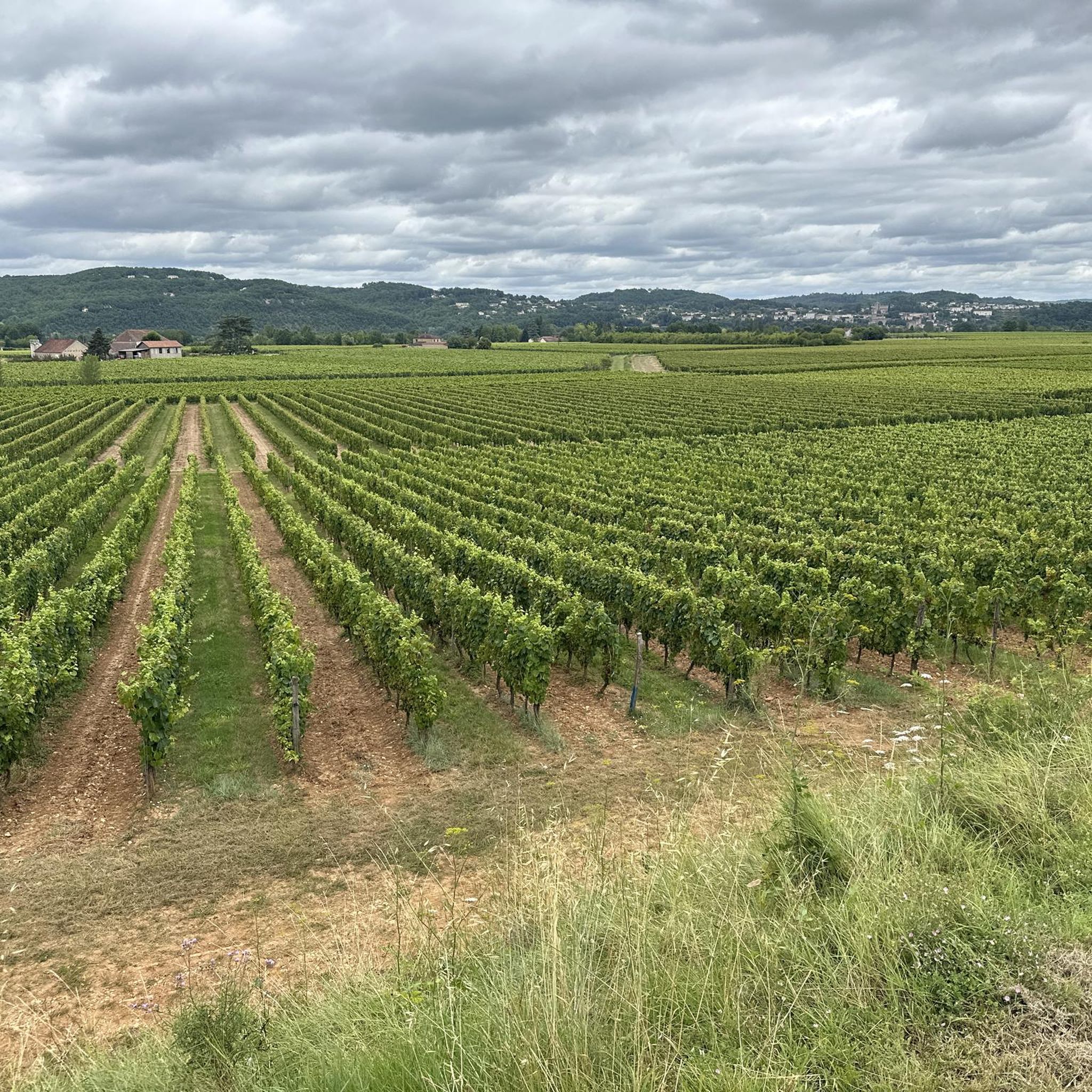
Road cycling routes around Loubejac traverse the discreetly hilly landscapes of the Périgord Noir region, characterized by verdant countryside and extensive oak forests. The terrain offers a mix of valleys and hills, providing varied elevation changes suitable for different fitness levels. Cyclists can expect winding asphalt paths and quiet rural roads, often shaded by natural canopies, with altitudes ranging from approximately 135m to 287m. The region's low traffic density enhances the cycling experience, allowing for peaceful rides through picturesque scenery.
…Last updated: October 17, 2026
9
riders
42.1km
01:50
370m
370m
Moderate road ride. Good fitness required. Mostly well-paved surfaces and easy to ride.
4.0
(1)
9
riders
Moderate road ride. Good fitness required. Some segments of this route may be unpaved and difficult to ride.

5.0
(1)
4
riders
46.4km
02:21
520m
520m
Moderate road ride. Good fitness required. Some segments of this route may be unpaved and difficult to ride.
4
riders
88.1km
04:03
1,000m
1,000m
Hard road ride. Very good fitness required. Mostly well-paved surfaces and easy to ride.
7
riders
Moderate road ride. Good fitness required. Mostly well-paved surfaces and easy to ride.
Get access to more routes and recommendations from other explorers.
Already have an account?
Our route recommendations are based on thousands of hikes, rides, and runs completed by other people on komoot.
Start today with a free account
Your next adventure awaits.


Tips from the Community

The greatest paradox of Bonaguil is that it appeared totally obsolete as soon as it was completed (at a time when kings were building the peaceful châteaux of the Loire). Situated away from the main strategic routes, it was never attacked or besieged, which explains why it has come down to us almost intact. A war machine... that never served!
0
0
The village owes its name to a saintly bishop of Naples from the 6th century, particularly revered by the Crusaders. The town is home to the Château de Saint-Pompon and the famous Sainte-Marie Fountain, located on the road leading to the neighboring commune of Daglan. The urban landscape is characterized by its traditional buildings with blonde stone facades and tiled roofs, typical of the Dordogne valley.
0
0
The Notre-Dame-de-l'Assomption church of Villefranche-du-Périgord is a 19th-century religious building located in the heart of the medieval bastide The current church was built between 1864 and 1865 based on plans by architect Paul Abadie, famous for being the architect of Sacré-Cœur de Montmartre. It features a neo-Romanesque style, replacing an older building damaged over the centuries by the Hundred Years' War and the Wars of Religion. The interior space is vast, bright, and sober, characterized by a clear nave lit by stained-glass windows.
0
0
SauveTerre Museum of Prehistory: A modern space that reconstructs the daily life, environment, and evolution of prehistoric populations following major excavations in the region. Le Site du Martinet: Classified as a historic monument, this open-air archaeological site is located less than a kilometer from the museum and can be discovered independently. Le Château des Rois Ducs: A dominant medieval fortress built at the end of the 13th century by Edward I, a witness to ancient Franco-English rivalries. L'Église Saint-Barthélemy: 12th-century Romanesque building located in the heart of the historic town, of which a magnificent original apse remains. La Croix du Chemin: A remarkable 15th-century wrought iron artwork classified as a Historic Monument.
0
0
The commune has the peculiarity of encompassing three distinct former bourgs or villages: Blanquefort (the main bourg), nestled around its castle and crossed by the river la Briolance. La Sauvetat, perched on an agricultural plateau, housing a Romanesque church from the 12th/13th centuries with a square bell tower. Saint-Chaliès, a forest sector also possessing a Romanesque church from the same period as well as an unusual llama farm.
0
0
The commune has the particularity of encompassing three former distinct market towns or villages: Blanquefort (the main town), nestled around its castle and crossed by the river la Briolance. La Sauvetat, perched on an agricultural plateau, housing a Romanesque church from the 12th/13th centuries with a square bell tower. Saint-Chaliès, a forest sector, also possessing a Romanesque church from the same period as well as an unusual llama farm.
0
0

Located on the banks of the Lot River, Flumel offers a pleasant setting. Discover its castle and fortified town, and enjoy a break by the water before continuing your journey.
0
0
Bonaguil is home to an ancient 13th-century fortified castle of the same name. The town offers a beautiful setting for a stopover. It also hosts a festival every August, featuring wonderful plays.
0
1
Frequently Asked Questions
How many road cycling routes are available around Loubejac?
There are over 70 road cycling routes around Loubejac, offering a diverse range of experiences. These include 8 easy routes, 62 moderate routes, and 9 more challenging options, catering to various fitness levels and preferences.
What is the typical terrain like for road cycling in the Loubejac area?
The terrain around Loubejac, nestled in the Périgord Noir, is characterized by discreetly hilly landscapes with a mix of valleys and hills. You can expect winding asphalt paths, often shaded by extensive oak forests, and quiet rural roads. Altitudes generally range from 135m to 287m, providing varied elevation changes without extreme mountain passes.
Are there any family-friendly road cycling routes near Loubejac?
While specific 'family-friendly' designations for road cycling can vary, the region's quiet rural roads and moderate routes are generally suitable for families with older children or those comfortable with road cycling. For example, the Panoramic viewpoint — Puy-l'Évêque loop from Lavoir du Pas de Sivié is a moderate 22.1 km route that leads through valleys and past historical sites, offering a manageable distance and scenic views.
What historical landmarks or points of interest can I discover along road cycling routes?
The Loubejac area is rich in history. You can cycle past the 13th-century parish church of Saint-Pierre-ès-Liens in Loubejac itself, or the historic Château de Bonaguil, a formidable fortress. Routes often pass through charming medieval villages like Puy-l'Évêque, known for its golden stone houses, and Villefranche-du-Périgord, surrounded by chestnut forests.
What do other road cyclists enjoy most about cycling in Loubejac?
The road cycling routes around Loubejac are highly rated by the komoot community, with an average score of 4.0 stars from over 30 reviews. Cyclists frequently praise the quiet, low-traffic roads, the verdant countryside, and the natural shade provided by the extensive oak forests, which create a peaceful and immersive riding experience.
Are there any loop routes for road cycling starting from or near Loubejac?
Yes, many road cycling routes in the area are designed as loops, allowing you to start and finish in the same location. An example is the Duravel War Memorial – Puy l'Évêque Town Entrance loop from Montcabrier, a 41.8 km route that offers varied terrain through the local landscape.
What is the best time of year for road cycling around Loubejac?
The region is generally pleasant for road cycling from spring through autumn. The extensive oak forests provide natural shade, which can be particularly welcome during warmer summer months. Spring and early autumn offer comfortable temperatures and beautiful scenery, with fewer crowds and vibrant natural colors.
Are there options for longer, more challenging road cycling routes?
Yes, for those seeking a greater challenge, there are more difficult routes available. For instance, the Saint-Pompon – Place des Cornières, Monpazier loop from Villefranche-du-Périgord is a difficult 87.7 km route with significant elevation gain, offering a demanding ride through the picturesque countryside.
Can I find cafes or restaurants along the road cycling routes near Loubejac?
The charming villages and bastide towns scattered throughout the Périgord Noir, such as Villefranche-du-Périgord and Puy-l'Évêque, often have local cafes and restaurants where cyclists can stop for refreshments. While Loubejac itself is a small village, planning your route through these larger settlements will provide opportunities for breaks and meals.
Is it possible to reach Loubejac by public transport with a bike?
Public transport options directly to Loubejac with a bike might be limited due to its rural location. However, larger towns in the wider Dordogne-Lot area, such as Villefranche-du-Périgord or Puy-l'Évêque, may offer more accessible public transport links. It's advisable to check local bus or train services for their bike carriage policies and schedules in advance.
Are there any specific regulations or permits required for road cycling in the Dordogne region?
Generally, no specific permits are required for road cycling on public roads in the Dordogne region of France. Cyclists are expected to follow standard French traffic laws. For more information on cycling in the wider Dordogne Valley, you can visit visit-dordogne-valley.co.uk.
What are some of the longer road cycling routes available?
For longer rides, you can explore routes like the Church of Prats-du-Périgord – Saint-Pompon loop from Villefranche-du-Périgord, which covers 58.5 km and offers a moderate challenge through varied landscapes.
Most popular attractions around Loubejac

Get inspired with the komoot mobile app


Explore more
Browse the best Road cycling routes in other regions.
