Attractions and Places To See around Serrigny - Top 20
Best attractions and places to see around Serrigny are located in the Yonne department of Burgundy-Franche-Comté, offering a blend of historical and natural sites. This region is characterized by its rich cultural heritage, including medieval towns and significant religious architecture. Visitors can explore a variety of historical monuments, natural springs, and scenic waterways. The area provides diverse opportunities for cultural exploration and outdoor activities.
Best attractions and places to see around Serrigny
- The most popular attractions is Towpath of the…
Last updated: October 10, 2026
Towpath of the Canal de Bourgogne
Highlight (Segment) • Trail
Translated by Google •
Tip by

Fosse Dionne
Highlight • Natural Monument
Translated by Google •
Tip by

Sign up now to discover places like this
Get recommendations on the best single tracks, peaks, & plenty of other exciting outdoor places.
Saint-Martin Collegiate Church
Highlight • Religious Site
Translated by Google •
Tip by

Hôtel-Dieu de Tonnerre
Highlight • Historical Site
The Hôtel-Dieu was donated by Margaret of Burgundy and built from …
Translated by Google •
Tip by
Notre-Dame Church
Highlight • Religious Site
Translated by Google •
Tip by
Sign up for free to discover even more attractions around Serrigny.
Already have an account?
Start today with a free account
Your next adventure awaits.

Tips from the Community

Beautiful church in Chablis currently being renovated
1
0

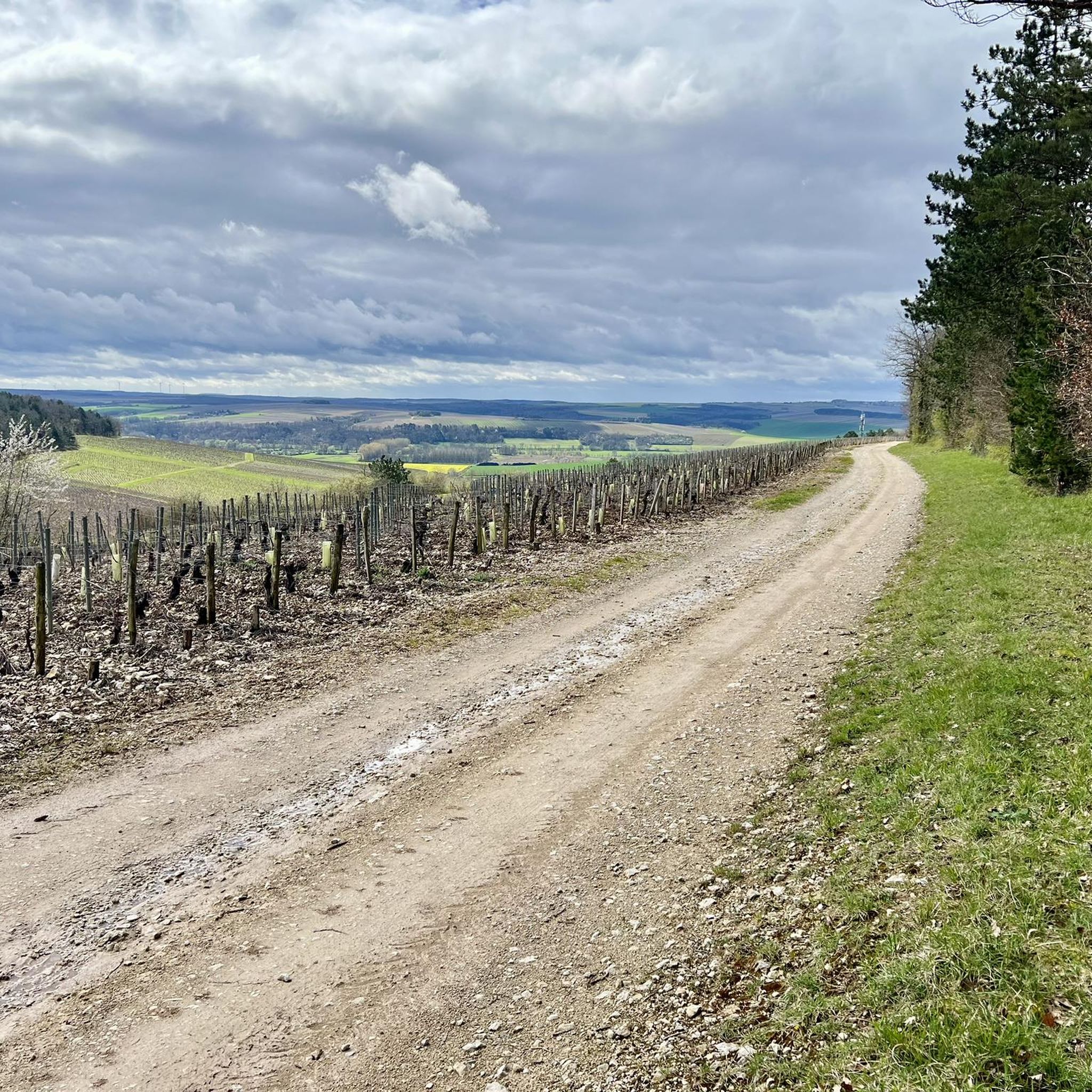
A "chemin de halage", in German "treidelpfad", which runs alongside the waterway right next to the bed of the river or canal, was an indispensable part of the transport infrastructure in earlier times. Before ships could move using motor power, horses ran along the bank and pulled the ship against the current. This was called "treideln", and that is how the "treidelpfad" got its name. Where these paths directly on the bank have been preserved, they are now popular with hikers and cyclists.
1
0

I walked past without seeing it 😂😂
0
0

The Saint-Martin collegiate church from the 12th and 13th centuries is very well preserved. The church is definitely worth a visit. A special feature is the south portal, whose door wings are decorated with various horseshoes. Built in 1160, rebuilt from 1220. Apart from the tower, all the walls date from the Middle Ages. The paintings from the 13th century and the horseshoes on the side gate identify the building as a stage on the St. James pilgrimage to Santiago de Compostela. The various restorations have not changed the building, with the exception of the tower, which was added in 1852. https://www.moulindelacoudre.fr/de/2017/02/11/die-stiftskirche-saint-martin/
3
0

The Hotel Dieu is the work of Marguerite de Bourgogne. it is the longest medieval hospital in Europe. It was built in the XIII century.
0
1
We enjoyed a remarkable guided tour.
0
0
The Saint-Martin collegiate church from the 12th and 13th centuries is very well preserved. The church is definitely worth a visit. A special feature is the south portal, whose door wings are decorated with various horseshoes. Like many church buildings from the early Middle Ages, the Saint-Martin collegiate church (built in 1160, rebuilt from 1220) was inspired by the cathedral of Sens. Apart from the tower, all the walls date from the Middle Ages. The paintings from the 13th century and the horseshoes on the side gate identify the building as a stage on the St. James pilgrimage to Santiago de Compostela. The various restorations have not changed the building, except for the tower, added in 1852, whose top is 50 meters high. https://www.moulindelacoudre.fr/de/2017/02/11/die-stiftskirche-saint-martin/
1
0
The deep basin of the karst spring with the historic washhouse around it is, in my opinion, the main attraction in Tonnerre. Depending on your perspective, when the sun is shining you will see deep turquoise water in front of you. Plus the rushing of the water. You can also just sit here for a while and enjoy. When we visited the spring on a Friday morning, there was surprisingly little going on.
2
0
Frequently Asked Questions
What historical sites can I explore around Serrigny?
The region around Serrigny is rich in history. You can visit the impressive Fosse Dionne and the town of Tonnerre, featuring an 18th-century washhouse built around a unique karst spring. Also, explore the medieval Hôtel-Dieu de Tonnerre, a former hospital founded in 1293. For religious history, the Saint-Martin Collegiate Church in Chablis, dating from the 12th and 13th centuries, is well-preserved and features unique horseshoe decorations on its south portal.
Are there family-friendly attractions near Serrigny?
Yes, several attractions are suitable for families. The Towpath of the Canal de Bourgogne is a great option for walks or bike rides, offering scenic views and historic locks. The Fosse Dionne and the town of Tonnerre is also considered family-friendly, with its fascinating natural spring and historical context. Additionally, the Notre-Dame Church in Tonnerre and the Hôtel-Dieu de Tonnerre offer engaging historical insights for all ages.
What outdoor activities can I do near Serrigny?
The area offers diverse outdoor activities, particularly along the Towpath of the Canal de Bourgogne, which is popular for hiking and cycling. For more structured routes, you can find numerous options for mountain biking, running, and road cycling. Explore MTB Trails around Serrigny, Running Trails around Serrigny, and Road Cycling Routes around Serrigny.
Where can I find good hiking or walking routes around Serrigny?
The Towpath of the Canal de Bourgogne provides an excellent, mostly flat path for walking and hiking, connecting the Yonne with the Saône. For dedicated hiking routes, you can explore various trails listed in the Running Trails around Serrigny guide, which includes routes of varying difficulties and lengths, such as the 'Chablis Old Town – Chablis Village and Vineyards loop from Chichée' or the 'Burgundy Canal loop from Épineuil'.
What are some natural features or monuments to see?
A prominent natural feature is the Fosse Dionne in Tonnerre, a remarkable karst spring with a high flow rate, surrounded by an 18th-century washhouse. While Serrigny in Yonne is not known for large natural parks directly within its borders, the surrounding region offers scenic landscapes, particularly along the Canal de Bourgogne.
What is the best way to experience the Canal de Bourgogne?
The best way to experience the Canal de Bourgogne is by walking or cycling along its historic Towpath. This path, originally used for 'treideln' (towing boats), offers a unique perspective on the waterway, its historic locks, and the surrounding countryside. It's a peaceful way to connect with nature and history.
What do visitors enjoy most about the attractions near Serrigny?
Visitors particularly appreciate the historical depth and natural beauty of the area. The unique Fosse Dionne is often highlighted as a must-see for its distinctive appearance and historical significance. The well-preserved medieval architecture of the Hôtel-Dieu de Tonnerre also receives high praise for offering an immersive journey into the past.
Are there any notable churches or religious buildings to visit?
Yes, the region features significant religious architecture. The Notre-Dame Church in Tonnerre, originally an 11th-century oratory, grew to become the main church of the town. In Chablis, the Saint-Martin Collegiate Church, built between the 12th and 13th centuries, is very well preserved and was a stage on the St. James pilgrimage.
Can I find cycling routes of different difficulties around Serrigny?
Absolutely. The cycling routes around Serrigny cater to various skill levels. For mountain biking, you can find routes ranging from 'easy' like the 'Tonnerre – Château de Tanlay loop' to 'difficult' like 'Le Serein – Chablis Village and Vineyards loop'. Road cycling also offers 'easy' options such as the 'Yonne Vineyards and Burgundy Canal Loop' and more 'difficult' long-distance rides. Check the MTB Trails and Road Cycling Routes guides for details.
What is the historical significance of the town of Tonnerre?
Tonnerre holds significant historical importance, largely due to the presence of the Fosse Dionne, which was instrumental in the town's creation. It is also home to the remarkable Hôtel-Dieu de Tonnerre, a medieval hospital founded by Marguerite de Bourgogne in 1293, which served the sick and needy for centuries. The Notre-Dame Church also reflects the town's long religious history.
Are there any hidden gems or lesser-known spots worth visiting?
While not explicitly 'hidden,' the historical details of the Saint-Martin Collegiate Church in Chablis, particularly its south portal adorned with various horseshoes, offer a unique and often overlooked detail for visitors. The historical context of the Canal de Bourgogne's towpath, understanding its original purpose for 'treideln,' adds a deeper layer to a seemingly simple walk or ride.

Get inspired with the komoot mobile app


Explore more
Still not found the Highlight you’re looking for? See guides of the top attractions in other regions:
