Top 5 Mountain Passes around Clumanc
Best mountain passes around Clumanc are found in the Alpes-de-Haute-Provence department, offering access to the Southern Alps. The region's geography features diverse landscapes, including valleys, forests, and mountainous terrain. Clumanc serves as a base for exploring various mountain passes that connect different valleys and natural areas. These passes provide routes for cycling and hiking, showcasing the natural features of the area.
Best mountain passes around Clumanc
- The most popular mountain passes is Col du Défens (1,230 m), a mountain…
Last updated: June 26, 2026
Col du Défens (1,230 m)
Highlight • Mountain Pass
Translated by Google •
Tip by

Col des Robines
Highlight • Mountain Pass
More information: fr.wikipedia.org/wiki/Col_des_Robines and alpenrouten.de/Robines-Col-des_point927.html
Translated by Google •
Tip by

Sign up now to discover places like this
Get recommendations on the best single tracks, peaks, & plenty of other exciting outdoor places.
Sign up for free
Corobin Pass
Highlight • Mountain Pass
Translated by Google •
Tip by

Col de Pierre Basse
Highlight • Mountain Pass
From Digne-les-Bains, the 7.6 kilometer climb includes portions between 5 and 9.5%, enough to tickle your legs.
Translated by Google •
Tip by

L'Orme Pass
Highlight • Mountain Pass
Translated by Google •
Tip by
Sign up for free to discover even more mountain passes around Clumanc.
Sign up for free
Already have an account?
Start today with a free account
Your next adventure awaits.
Login or Signup
Tips from the Community

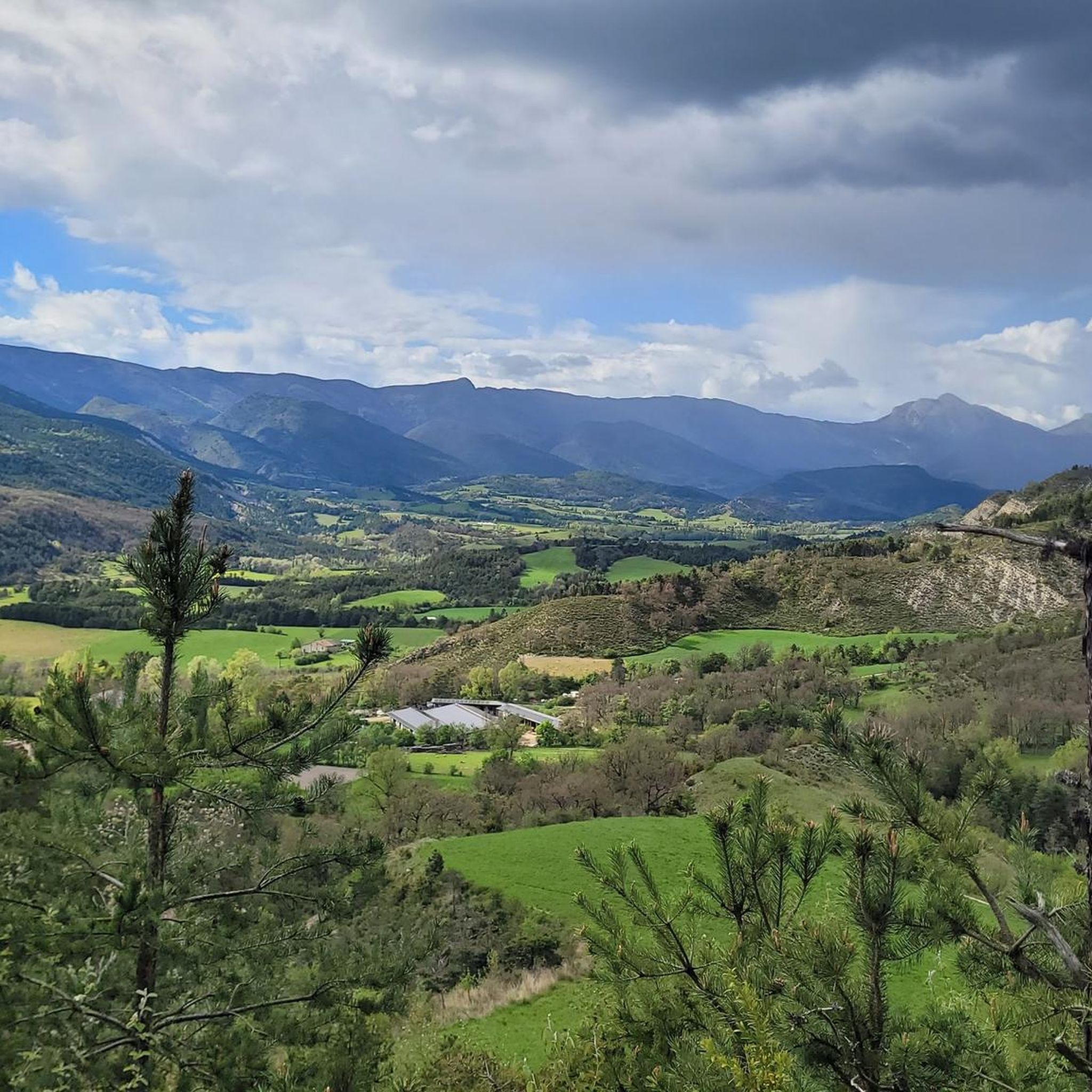
The southern slope, from Chaudon-Norante, is advertised at an average gradient of 6.6% for a length of about 8km. But the road has 4 or 5 flat sections over 150 or 200m, which means that in reality we are very often on slopes between 8 and 10%. This pass nevertheless remains accessible to any moderately trained cyclist and, the icing on the cake, it is reserved for cyclists at certain times during the summer. The view at the summit is magnificent.
0
0

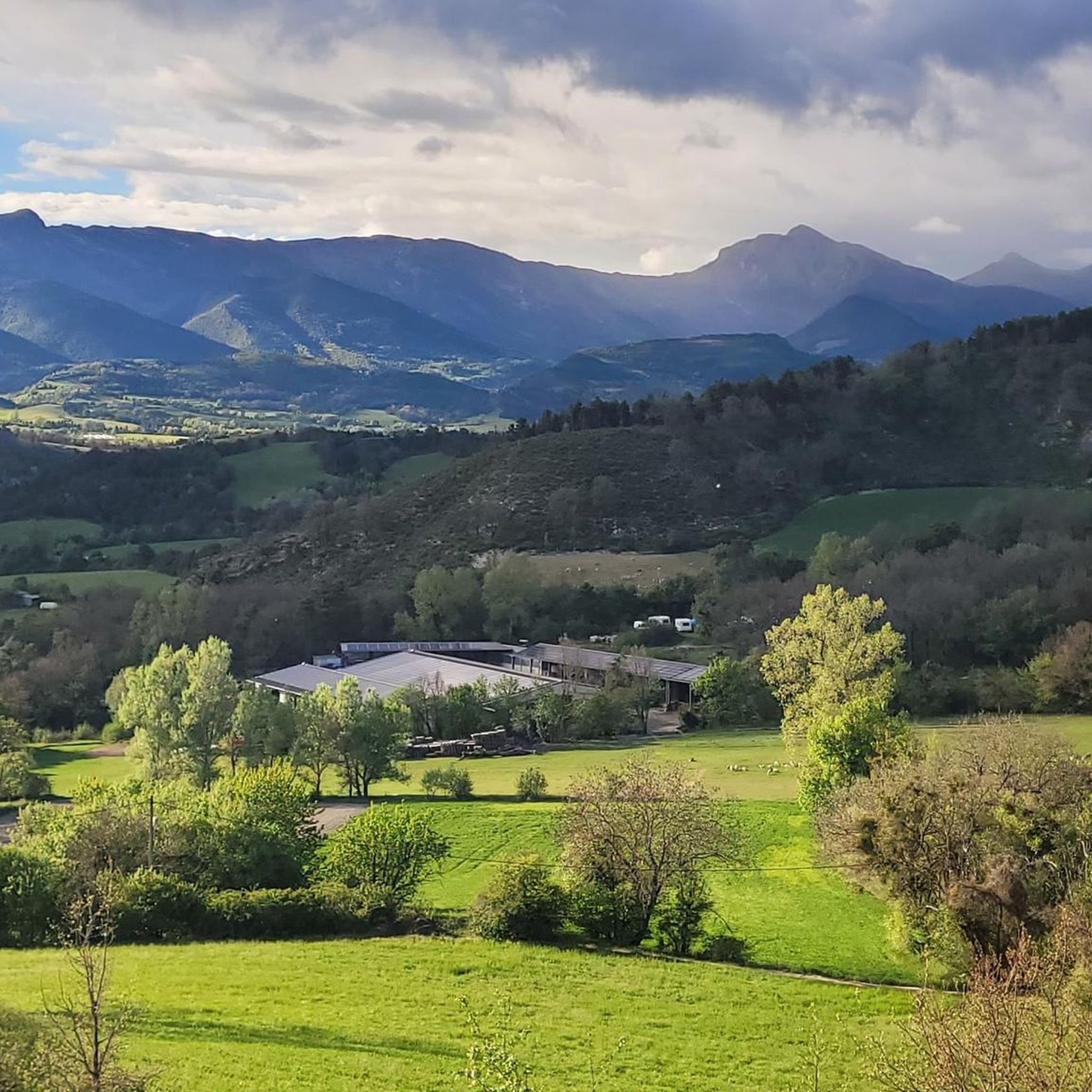
Beautiful landscape, small road, only the last bends are strenuous.
3
0

The Col des Robines peaks at 988m and will allow you to climb to almost 1000m without making any effort because from Moriez you would have a slope of around 3km with a slope not exceeding 5% and on the Saint-André les Alpes side this will be shorter, around 1.5 km, but harder with an average of 6-7%. Be careful, however, of the often very heavy traffic on this pass because it is on the RN 202 which is HUGELY used almost all year round.
1
0

This pass is 1,065 meters above sea level, on the way to Corobin Pass. From Digne-les-Bains, the 7.6 kilometer climb includes portions between 5 and 9.5%, enough to tickle your legs.
1
0

A pass located at an altitude of 1065m near the Col du Corobin in the direction of Digne-les-Bains.
1
0
The Col de Corobin from Chaudon-Norante is a climb in the Alpes de Haute Provence region. It has a length of 7.7 kilometers and an ascent of 535 vertical meters with an average gradient of 7%, which implies a difficulty level of 413. The top of the ascent is located at 1,220 meters above sea level. On the other hand, from Digne-les-Bains via Col de Pierre Basse, it is 14.6 kilometers long and climbs 650 vertical meters with an average gradient of 4.4%, which implies a difficulty level of 448.
2
0
The Col de l'Orme peaks at 734m. This pass is really simple, especially from the baths despite its 9km climb. To put it simply, this pass has an average of not even 3%. The big downside is that it's a road pass located on the RN 85 and it's very busy so don't linger too long at the top, there's not much to see...
2
1
The Corobin pass peaks at 1,211 meters. From Digne-les-Bains a fairly long slope of almost 16 kilometers awaits you. The first eight are pretty straightforward. You will cross the intermediate Col des Abeilles (710 meters). Secondly, you will see the slope steepen quite significantly over 3.3 kilometers at almost 9% on average to reach the second intermediate pass, that of Pierre Basse (1,065 meters). Arriving at this pass, take the time to breathe, a flat area then a slight descent over three kilometers towards the hamlet of La Clappe will help you. Then, return to the attack for 1.4 kilometers at an 8% average, taking the eight bends which will allow you to cross the summit of the Col du Corobin.
2
0
Frequently Asked Questions
What are some of the most scenic mountain passes near Clumanc?
Beyond the local passes, the region offers stunning routes like the Col d'Allos and the Col de la Cayolle. Col d'Allos, part of the famous Route des Grandes Alpes, offers breathtaking views and is a gateway to Mercantour National Park. The Col de la Cayolle, though less known, provides equally remarkable panoramas, traversing Mercantour National Park with diverse landscapes including the impressive Gorges du Bachelard.
What kind of outdoor activities can I do around the mountain passes near Clumanc?
The mountain passes around Clumanc are excellent for various outdoor activities. You can find numerous routes for cycling, hiking, and mountain biking. For example, there are challenging hiking trails like the 'Joli panorama – Trail to the Pas de la Faye loop' and moderate options such as the 'Old salt spring – Tartonne loop'. Cyclists can enjoy the climbs of passes like Col du Défens (1,230 m), known for its good quality road and low traffic. Mountain bikers can explore routes like 'Randuro Terres Noires Trail' or 'Le Tour de la Sapet' from the MTB Trails around Clumanc guide.
When is the best time to visit the mountain passes in the Alpes-de-Haute-Provence region?
The best time to visit the mountain passes in this region is generally from late spring to early autumn. Passes like Col d'Allos are typically open from May to October, while Col de la Cayolle is usually accessible from June to October. During winter, many higher passes close due to snow. Summer months, particularly July and August, are popular, with some passes like Col d'Allos even reserving Friday mornings for bicycles, enhancing the cycling experience.
Are there any historically significant mountain passes in the area?
Yes, several passes in the region have historical significance. The Col des Robines is located on the N202, which is part of the historic Route Napoleon. Higher passes like Col d'Allos and Col de la Cayolle are legendary in cycling history, having been featured multiple times in the Tour de France. The Corobin Pass is also notable, as Napoleon himself took this pass instead of the valley route.
What unique natural features or landmarks can I expect to see at these passes?
The passes offer a variety of natural features. At Col du Défens (1,230 m), you can find an interesting egg-shaped sculpture by Andy Goldworthy amidst beautiful landscapes. The Col d'Allos provides access to Lac d'Allos, Europe's largest natural high-altitude lake. The Col de la Cayolle traverses the Mercantour National Park, known for its abundant fauna and diverse flora, and features impressive sections like the Gorges du Bachelard with its narrow road winding between rock walls.
Are there any family-friendly options for exploring mountain passes near Clumanc?
While some passes involve challenging climbs, the region offers diverse terrain. For family-friendly walks, you might look for trails with moderate difficulty and shorter distances. The area around Clumanc has hiking routes such as the 'Old salt spring – Tartonne loop' which is rated moderate. When planning, consider the elevation gain and length of the specific route to ensure it's suitable for all family members.
What are the difficulty levels for cycling these mountain passes?
The difficulty levels vary significantly. Passes like L'Orme Pass are relatively simple, with an average slope of less than 3% over 9 km. In contrast, the ascent to Corobin Pass from Digne-les-Bains includes portions with gradients up to 9.5%, especially around Col de Pierre Basse. The legendary climbs of Col d'Allos and Col de la Cayolle also present significant challenges, with average gradients ranging from 4% to over 6% on their longer ascents, making them popular for experienced cyclists.
Can I find amenities like cafes or accommodation near the mountain passes?
While some passes are remote, you can find amenities in nearby towns and at certain pass summits. For instance, the summit of Col d'Allos features a mountain refuge. Larger towns in the valleys connected by these passes, such as Barcelonnette or Saint-André-les-Alpes, offer a range of cafes, restaurants, and accommodation options. It's always advisable to check availability and opening hours in advance, especially during off-peak seasons.
Are there any specific passes known for their quiet roads and less traffic?
Yes, if you prefer quieter routes, the Col du Défens (1,230 m) is highly regarded for its very low traffic and good quality road, offering a peaceful cycling or driving experience. The Col de la Cayolle is also known for generally quieter roads compared to some of the more famous passes, allowing for a more serene exploration of its remarkable panoramas.
What is the 'Three Passes' loop and which passes are included?
The 'Three Passes' loop is a popular cycling circuit in the region. It typically includes the Col de la Cayolle, Col d'Allos, and Col des Champs. This loop offers a challenging and scenic ride through diverse landscapes of the Southern Alps, making it a favorite among cyclists looking for a multi-pass adventure.
What do visitors particularly enjoy about the mountain passes around Clumanc?
Visitors frequently praise the magnificent scenery, the good quality of the roads, and the low traffic on many of the passes, which makes for an enjoyable experience. The accessible climbs on both sides of passes like Col du Défens (1,230 m) are also appreciated. The breathtaking views, especially from viewpoints at the summits, and the opportunity to spot local wildlife like marmots, sheep, or cows, add to the appeal.
Most popular attractions around Clumanc

Get inspired with the komoot mobile app


Explore more
See even more epic mountain passes by checking out these guides around Clumanc:
