Highlight • Summit
Centennial Peak
Centennial Peak is a prominent mountain summit located in Montezuma County, Colorado, rising to an elevation of 3,981 meters (13,062 feet). As the sixth-highest peak in the La Plata Mountains, a subrange of the majestic Rocky Mountains, it offers a challenging yet rewarding experience for hikers. This distinctive peak, sometimes referred to as "Banded Mountain" for its unique geological striping, is situated approximately 16 miles northwest of Durango.
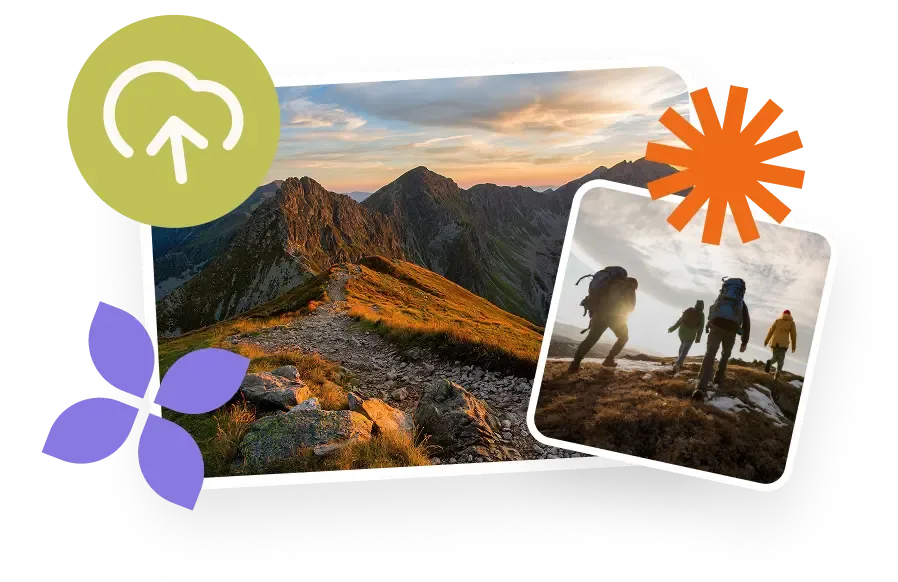
What truly captivates visitors to Centennial Peak are the awe-inspiring panoramic views from its summit. Hikers are treated to expansive vistas of the surrounding San Juan Mountains, with close-up perspectives of neighboring peaks like Mount Moss, Lavender Peak, and the dominant Hesperus Mountain. Many consider it an excellent "first thirteener," providing a significant sense of achievement without being overly technical, and the vibrant alpine wildflowers in July and August add to its allure.
Before embarking on your journey to Centennial Peak, it is essential to be prepared. The hike typically covers about 5.5 miles with an elevation gain of 2,200 feet, involving a blend of serene forest paths and challenging rocky terrain. The final ascent to the summit is a Class 2+ scramble along a broad ridge, which may include talus and mild exposure. Access to the primary starting point, the Sharkstooth Trailhead, often requires a 4WD vehicle with good clearance due to rough road conditions.
The best time to climb Centennial Peak is generally during the summer months, particularly July and August, when the alpine meadows burst with an abundance of wildflowers. This period also typically offers more favorable weather conditions for hiking and scrambling. The peak is well-suited for experienced hikers seeking a moderate challenge and is even considered dog-friendly, making it a great option for those wanting to bring their canine companions.
The journey to Centennial Peak is filled with memorable moments. As you ascend, you'll pass through old-growth spruce forests, observe the unique Sharkstooth rock glacier, and experience a dramatic transition to the open alpine landscape. The horizontal striping, a geological feature shared with Hesperus Mountain, is a fascinating sight, and reaching Sharkstooth Pass provides stunning views before the final push to Centennial's top.
Whether you're looking for a challenging day hike or an introduction to Colorado's 13,000-foot peaks, Centennial Peak offers a rewarding adventure. Explore the various hiking routes available and plan your visit to this magnificent summit in the La Plata Mountains. With komoot, you can discover detailed maps and trail information to help you prepare for an unforgettable experience in the Rocky Mountains.
Routes leading to this Highlight may be dangerous
Routes may comprise technical, difficult, or hazardous terrain. Specialist equipment and prior experience may be required.
This Highlight is in a protected area
Please check local regulations for:
San Juan National Forest
Tips

In the know? Log-in to add a tip for other adventurers!
Sign up for free
Nearby routes
Best routes near Centennial Peak
Details
Informations
Elevation 3,910 m
Weather
Powered by Foreca
Today
Saturday 13 June
21°C
9°C
30 %
Additional weather tips
Max wind speed: 18.0 km/h
Frequently Asked Questions
Are there other Centennial Peaks, or is this the only one?
While there are other peaks named Centennial in different regions like Montana, Wyoming, and Canada, this specific Centennial Peak is located in Montezuma County, Colorado. It's a prominent summit in the La Plata Mountains, a subrange of the Rocky Mountains.
What makes Centennial Peak a good choice for a 'first thirteener'?
Centennial Peak is often recommended as an excellent 'first thirteener' (a mountain over 13,000 feet) because of its accessible approach and moderate climbing challenge. The hike typically covers about 5.5 miles with a manageable elevation gain of 2,200 feet, making it a rewarding yet achievable goal for experienced hikers looking to tackle a higher elevation peak.
What are the key geological features that make Centennial Peak unique?
Centennial Peak is distinguished by its striking horizontal striping, a geological characteristic it shares with nearby Hesperus Mountain. These bands are alternating layers of magma and baked sedimentary rock called hornfels, part of the La Plata Mountain laccolith. Hikers can observe these unique formations, along with the Sharkstooth rock glacier, during their ascent.
Is Centennial Peak suitable for dogs?
Yes, Centennial Peak is considered dog-friendly. Many hikers bring their canine companions along for the adventure. However, ensure your dog is accustomed to strenuous hikes, rocky terrain, and high altitudes, and always keep them leashed and pack out all waste.
What kind of vehicle is needed to access the trailhead?
Access to the primary starting point, the Sharkstooth Trailhead, often requires a 4WD vehicle with good clearance. The road conditions can be rough, so a capable vehicle is highly recommended to reach the trailhead safely.
Are there any historical points of interest along the trail?
Yes, the area around Centennial Peak holds a touch of history. Hikers may encounter the remains of the historic Windy Williams Mill, an abandoned mine and boarding house, adding an interesting historical dimension to the natural beauty of the hike.
How does Centennial Peak compare to Pikes Peak in terms of hiking experience?
Centennial Peak offers a more rugged, less developed hiking experience compared to Pikes Peak. While Pikes Peak is a 14er with multiple routes, including a paved road and cog railway, Centennial Peak is a 13er known for its accessible approach and moderate Class 2+ scramble, providing a more traditional wilderness hiking challenge without the same level of infrastructure or crowds.
What are the best months to see wildflowers on Centennial Peak?
The alpine meadows around Centennial Peak burst with an abundance of wildflowers during July and August. Hikers can expect to see diverse flora such as streamside brookcress, caraway, purple monkshood, osha, bluebells, and corn husk lilies at various elevations during these months.
Are permits required to hike Centennial Peak?
No, permits are generally not required for day hiking Centennial Peak. However, it's always advisable to check with the local land management agency (e.g., US Forest Service) for any updated regulations or restrictions before your visit.
What should I pack for a hike to Centennial Peak's summit?
Given the elevation and potential for varied conditions, hikers should pack layers of clothing, including a waterproof outer shell. Essential items include plenty of water, high-energy snacks, sun protection (hat, sunglasses, sunscreen), a map and compass or GPS device, a first-aid kit, and sturdy hiking boots. Trekking poles can also be beneficial for the rocky and talus sections.