Attractions and Places To See around Broussy-Le-Grand - Top 16
Attractions and places to see around Broussy-Le-Grand include historical sites and natural features within this rural commune in the Marne department. The area is characterized by the Champagne crayeuse agricultural region, sections of the Saint-Gond marshes, and Mont Août, an erosional remnant reaching 221 meters. The commune also features medieval ruins and ancient chalk quarries, reflecting its historical past.
Best attractions and places to see around Broussy-Le-Grand
- The most popular attractions is Étoges Castle, a 17th-century moated castle. It…
Last updated: July 1, 2026
Château de Congy
Highlight • Castle
Translated by Google •
Tip by

Étoges Castle
Highlight • Other
Translated by Google •
Tip by

Sign up now to discover places like this
Get recommendations on the best single tracks, peaks, & plenty of other exciting outdoor places.
Sign up for free
Menhir de l'étang
Highlight • Monument
Translated by Google •
Tip by
Abbaye Notre-Dame du Reclus
Highlight • Other
Translated by Google •
Tip by

Chateau des Pucelles - in Broyés
Highlight • Other
The following information is taken from the following link:
chateau-fort-manoir-chateau.eu/chateaux-marne-chateau-a-broyes-chateau-de-broyes.html#google_vignette
In 1580, Protestant troops burned the village, the castle, and the church. In the 17th century, …
Translated by Google •
Tip by

Sign up for free to discover even more attractions around Broussy-Le-Grand.
Sign up for free
Already have an account?
Start today with a free account
Your next adventure awaits.
Login or Signup

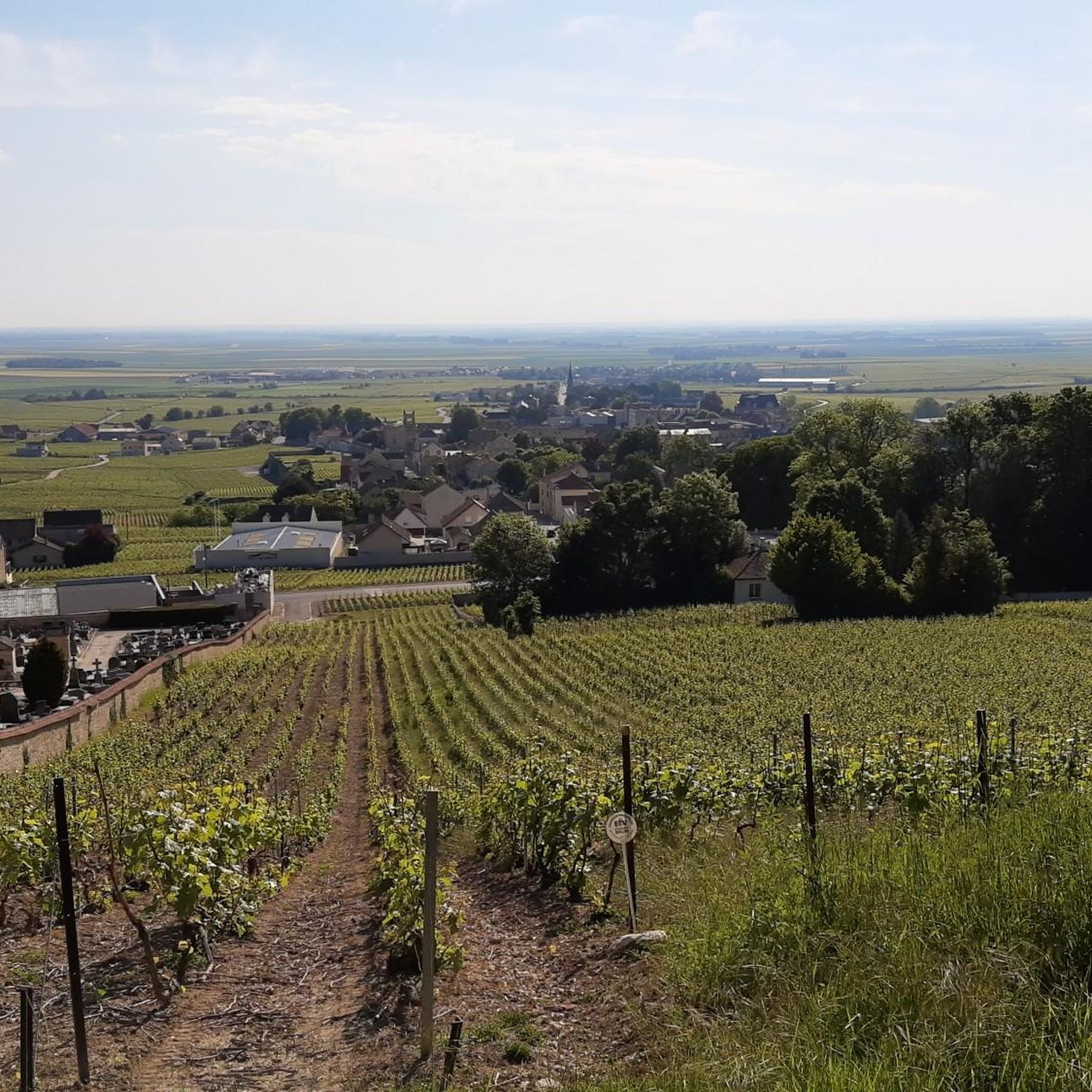
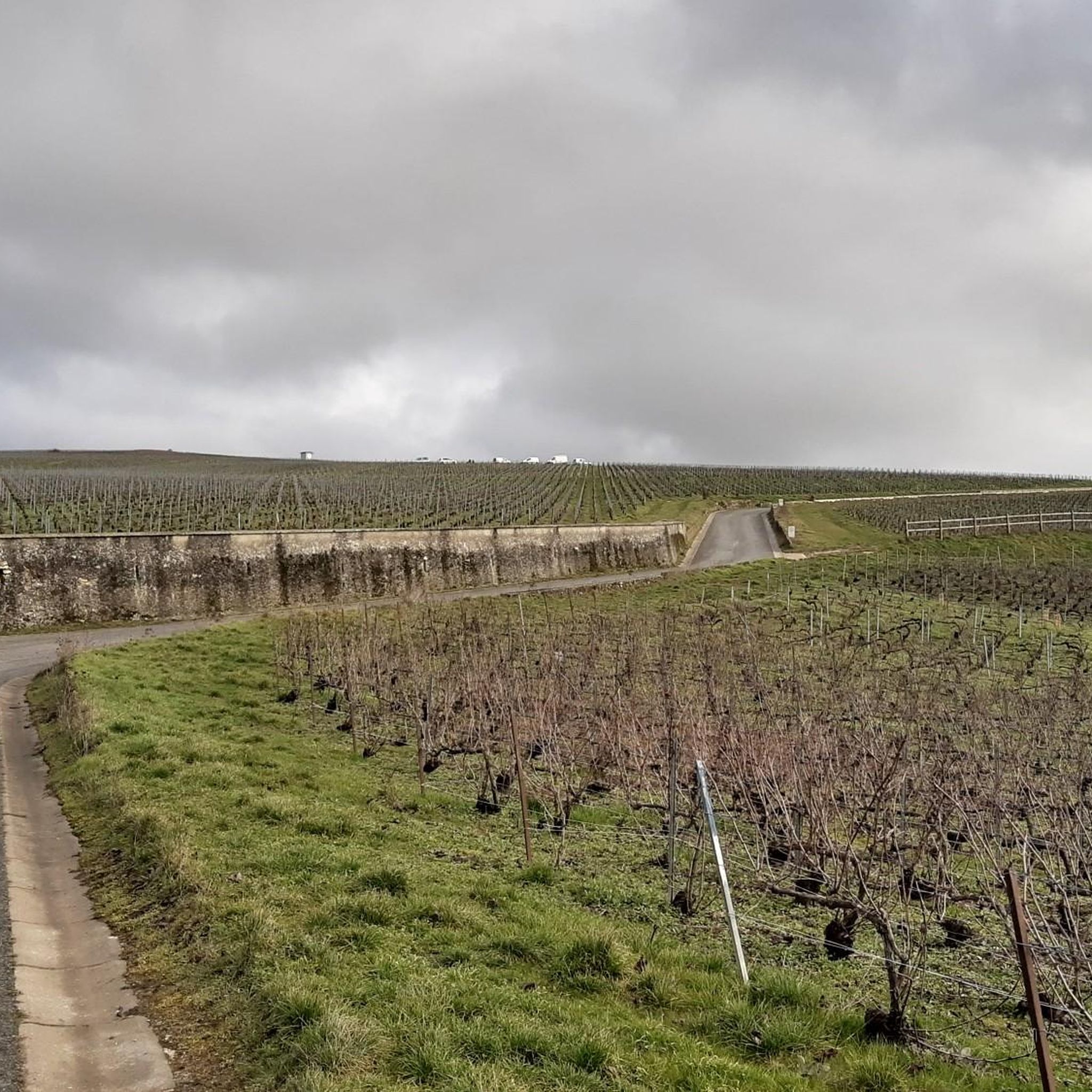
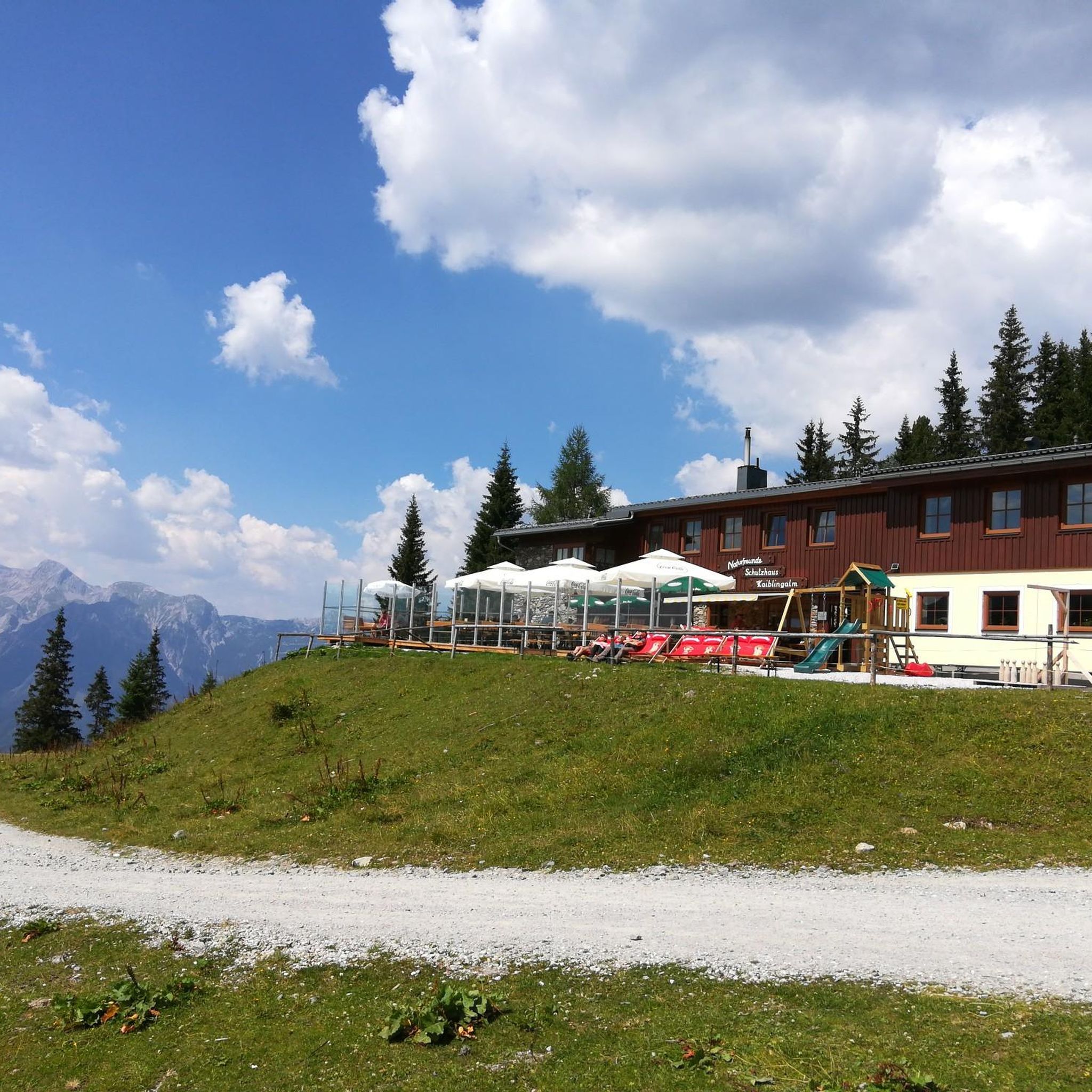
Tips from the Community

The Château des Maidens The following information is taken from the following link: https://www.chateau-fort-manoir-chateau.eu/chateaux-marne-chateau-a-broyes-chateau-de-broyes.html#google_vignette In 1580, Protestant troops burned the village, the castle, and the church. In the 17th century, the town of Broyes was a barony owned by the Barbin family, who had acquired it at the end of the 16th century. Its location on a limestone plateau facilitated its defense and development. At that time, there were two churches (the collegiate church of Saint-Blier and the parish church of Saint-Martin). The castle, known as the Château des Pucelles, had a chapel (Notre-Dame). Today, the Broyes town hall houses the remains of the Château des Pucelles, to which General Humbert was forced to move his headquarters on September 7, 1914. Of this building, mentioned since the 11th century and the birthplace of one of the most powerful families in Champagne, a pavilion flanked by a brick watchtower adjoins the old entrance, recognizable by its carriage arch, the recess of its drawbridge, and the traces of its portcullis (early 17th century), still survives. Château de Broyes 51120 Broyes, property of the municipality, Town Hall.
0
0
A beautiful complex, including a hotel, where you can even just enjoy a drink in the castle courtyard. A very pleasant place for a break. Only the champagne, at €12.50 a glass, is a bit overpriced.
0
1

You can visit this abbey if you call in advance, more info here: https://www.abbayedureclus.fr/
0
0
Entirely remodeled at the beginning of the 20th century in an opulent style inspired by the end of the 16th century, the Château de Congy seems abandoned. Surrounded by a beautiful landscaped park, it retains a dovecote and an interesting entrance pavilion from the beginning of the 17th century, with a cart arcade, pedestrian passage and side loopholes. Former possession of the Conflans family, the land of Congy belonged in the 16th century to Florentin de Béthune, gentleman of the chamber of the King of Navarre and guardian of the future Sully. The castle had in 1886 a stone staircase and a living room decorated with mythological paintings, probably dating back to Bénigne Chasot, president of the parliament of Metz, lord of Congy in 1704.
1
0
Menhir is a monument formed by a standing stone. This menhir is isolated and dates from the Neolithic period. It is classified as a historical monument and seems to indicate an ossuary located nearby (according to the anthropological society of Paris).
0
0
It is a hotel built in the 17th century. It has its own park and cellar.
1
0

you can visit this (didn't do it yourself)
1
0

The moated castle from the 17th century is surrounded by a 18-hectare park. It has housed a hotel and a restaurant since the 1990s. Unfortunately nothing for the small purse 😕
1
0
Frequently Asked Questions
What historical sites can I explore around Broussy-Le-Grand?
The region is rich in history. You can visit the 17th-century moated Étoges Castle, which also houses a hotel and restaurant. Another significant site is Abbaye Notre-Dame du Reclus, an abbey that can be visited by appointment. Within Broussy-le-Grand itself, you can find mysterious ruins of a medieval fortress and ancient chalk quarries, which are vestiges of a time when white stone was used for construction.
Are there any ancient monuments or religious buildings to see?
Yes, you can discover the Menhir de l'étang, an isolated standing stone from the Neolithic period classified as a historical monument. For religious architecture, the Saint-Pierre Church, a Gothic church in Romanesque style dating from the 12th century, is classified as a Historic Monument. The village of Broussy-le-Grand also has its own local church.
What natural attractions are there in and around Broussy-Le-Grand?
Broussy-Le-Grand is part of the 'Champagne crayeuse' agricultural region and encompasses a section of the Saint-Gond marshes to its north, offering tranquil natural scenery. Mont Août, an erosional remnant reaching 221 meters, dominates the southern part of the commune, and the Petit Morin river also drains the area. The nearby Forest of La Traconne (Forêt de la Traconne) is another site of natural beauty.
What kind of outdoor activities can I do near these attractions?
The area around Broussy-Le-Grand is excellent for outdoor activities. You can find various cycling routes, including moderate to difficult options like the 'Abbaye Notre-Dame du Reclus – Saint-Pierre Church loop' or the 'Étoges Castle – Wasserstelle loop'. For more details on cycling, visit the Cycling around Broussy-Le-Grand guide. Road cycling enthusiasts can explore routes such as the 'Route d'Épernay – Étoges Castle loop'. Discover more at the Road Cycling Routes around Broussy-Le-Grand guide.
Are there hiking trails suitable for different difficulty levels?
Yes, there are hiking trails for various abilities. Easy options include the 'Reuves Marsh Loop' and an 'Étoges Castle loop from Étoges'. For moderate hikes, consider the 'Thibaud de Champagne and Congy Menhir Trail'. More challenging routes, such as the 'Loop around Vert-Toulon — Menhir de l'étang de Chénevry', are also available. You can find more information on these and other trails in the Hiking around Broussy-Le-Grand guide.
What are some family-friendly activities or places to visit?
Many of the natural and historical sites can be enjoyed by families. The Menhir de l'étang is a unique monument that can spark curiosity. Exploring the pastoral scenery and medieval remnants within Broussy-le-Grand itself offers a quiet outdoor experience. The nearby Saint-Gond marshes also provide opportunities for nature walks suitable for families.
What is the best time of year to visit Broussy-Le-Grand for outdoor activities?
The region, being part of the Champagne area, is generally pleasant for outdoor activities from spring through early autumn (April to October). During these months, the weather is typically mild, making it ideal for hiking, cycling, and exploring the vineyards and natural landscapes. Summer offers warmer temperatures, while spring and autumn provide beautiful scenery with blooming flowers or changing foliage.
Are there any notable towns or cities nearby worth visiting?
Absolutely. Epernay, known as the 'Capital of Champagne,' is approximately 29 km away and famous for its grand wine houses. Châlons-en-Champagne, about 41 km away, boasts various churches, including the notable Collégiale Notre-Dame-en-Vaux. Provins, a UNESCO Heritage Site, is a medieval town renowned for its well-preserved heritage, located about 49 km away.
Where can I find local markets near Broussy-Le-Grand?
Several nearby towns host markets on different days. You can find markets in Fere-Champenoise on Wednesdays (approx. 9 km away) and in Sezanne on Saturdays (approx. 13 km away). These markets offer a chance to experience local life and discover regional products.
What do visitors particularly enjoy about the attractions around Broussy-Le-Grand?
Visitors appreciate the blend of historical grandeur and natural beauty. For instance, Étoges Castle is admired for its 17th-century architecture and 18-hectare park. The Menhir de l'étang is noted for its ancient historical significance. The overall tranquility of the countryside and the rich history embedded in the landscape are frequently highlighted by those who explore the area.
Are there any specific tips for visiting Abbaye Notre-Dame du Reclus?
Yes, the Abbaye Notre-Dame du Reclus can be visited, but it is advisable to call in advance to arrange your visit. More information can be found on their website, abbayedureclus.fr.
Is Broussy-Le-Grand part of the Champagne vineyards region?
Yes, Broussy-Le-Grand is situated in the heart of the Champagne region, which is a UNESCO World Heritage Site. While the commune itself is more rural, its proximity means you are surrounded by the famous vineyards, offering opportunities to explore the viticultural landscape and potentially visit nearby Champagne houses.

Get inspired with the komoot mobile app


Explore more
Still not found the Highlight you’re looking for? See guides of the top attractions in other regions:
