Attractions and Places To See around Vert-Toulon - Top 17
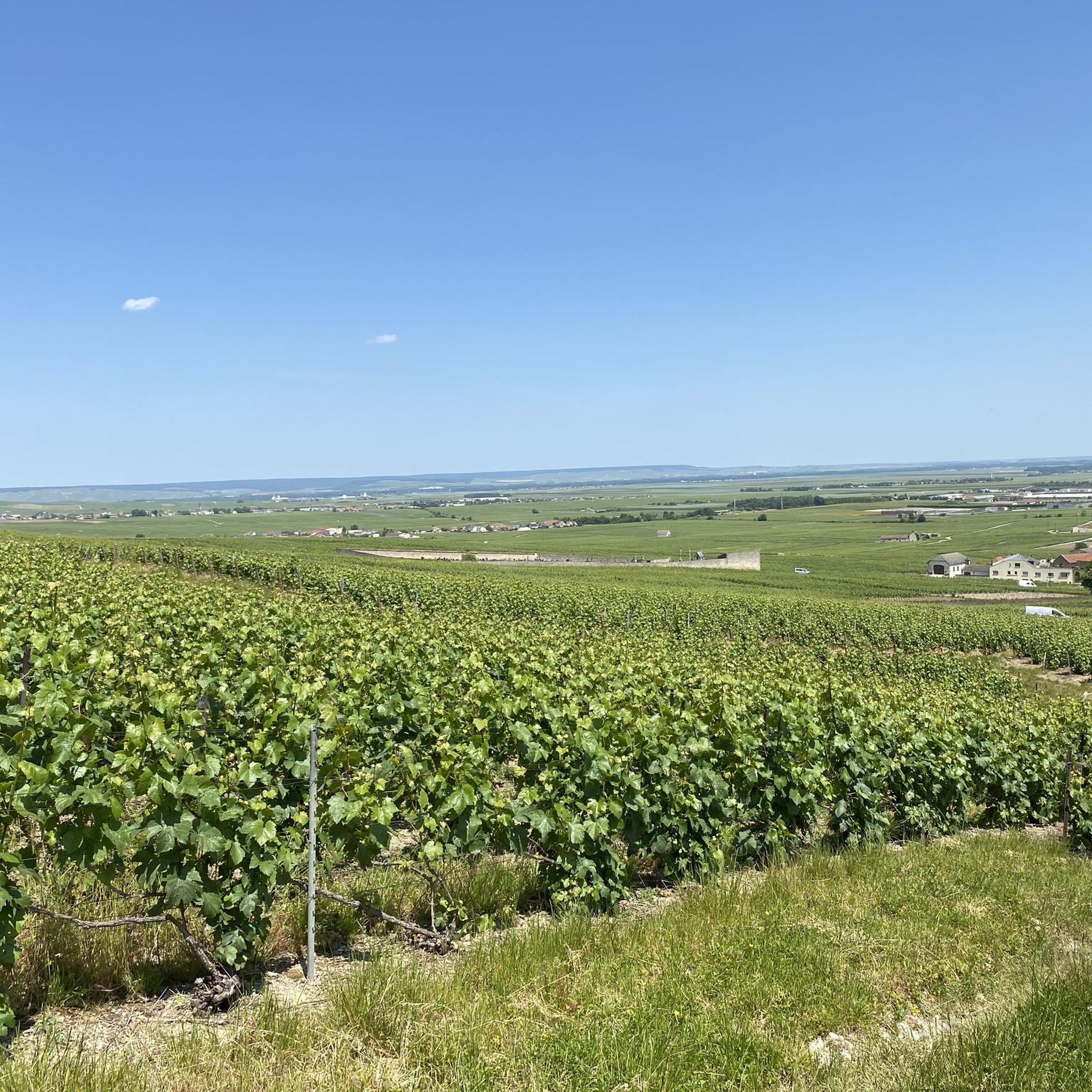
Best attractions and places to see around Vert-Toulon include a mix of historical sites, natural features, and viticultural landscapes. This small commune in the Marne department of north-eastern France is primarily an agricultural village, known for its Champagne vineyards. The area features natural points of interest such as the Marais de Saint-Gond and Mont Charmont, alongside historical churches. Vert-Toulon offers insights into the region's heritage and natural environment.
Best attractions and places to see around Vert-Toulon
- The most popular attractions…
Last updated: October 19, 2026
Eglise St. Martin and Swan
Highlight • Religious Site
The most spectacular are the crypts which you should not hesitate to discover: they are very well preserved. A very beautiful room is …
Translated by Google •
Tip by

Château de Congy
Highlight • Castle
Translated by Google •
Tip by
Sign up now to discover places like this
Get recommendations on the best single tracks, peaks, & plenty of other exciting outdoor places.
Étoges Castle
Highlight • Other
Translated by Google •
Tip by

An old car wash in the middle of the city
Highlight • Other
The plaque translates:
This spacious square is dominated at its center by the "Grande Fontaine," a fountain whose existence is documented as early as 1267 …
Translated by Google •
Tip by

Menhir de l'étang
Highlight • Monument
Translated by Google •
Tip by
Sign up for free to discover even more attractions around Vert-Toulon.
Already have an account?
Start today with a free account
Your next adventure awaits.
Tips from the Community

A beautiful complex, including a hotel, where you can even just enjoy a drink in the castle courtyard. A very pleasant place for a break. Only the champagne, at €12.50 a glass, is a bit overpriced.
1
1
Place de la Grand Fontaine The plaque translates: This spacious square is dominated at its center by the "Grande Fontaine," a fountain whose existence is documented as early as 1267 and whose current design, with railings and four entrances, dates back to 1858. As an important transit point and distributor of water sources, it testifies to the omnipresence of water, which today flows beneath several streets in the district. During a fire following the German invasion in June 1940, the district was severely damaged and completely redesigned: a block of houses disappeared, leaving behind a spacious square surrounded by newer buildings. However, some old houses have survived, including one with a restored half-timbered facade.
0
0

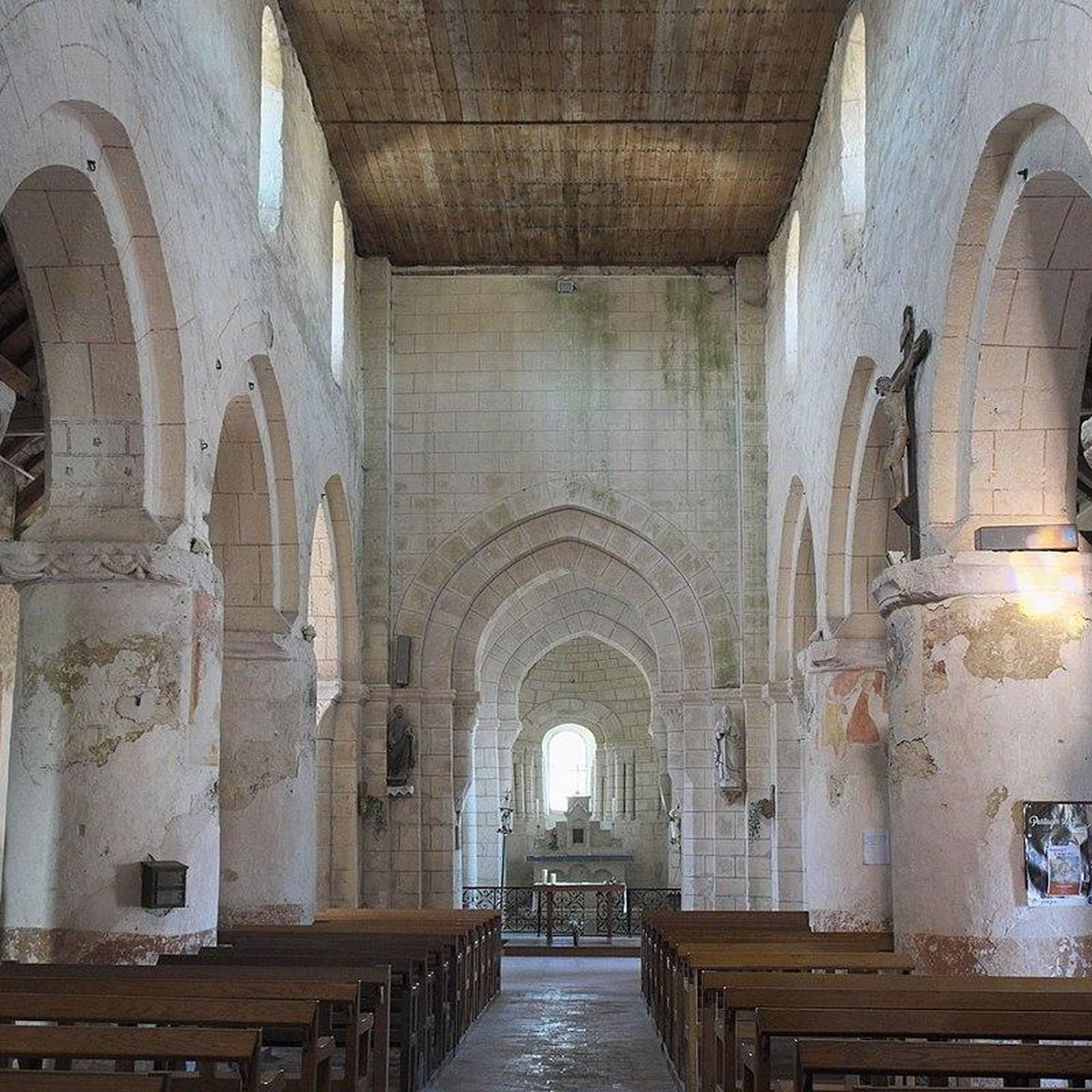
Very beautiful Romanesque church. Very beautiful organ. The most spectacular are the crypts which you should not hesitate to discover: they are very well preserved. A very beautiful room is dedicated to Saint Anne. You can also discover an ancient sarcophagus. You can also see swans in the pond in front of the church.
1
1
Entirely remodeled at the beginning of the 20th century in an opulent style inspired by the end of the 16th century, the Château de Congy seems abandoned. Surrounded by a beautiful landscaped park, it retains a dovecote and an interesting entrance pavilion from the beginning of the 17th century, with a cart arcade, pedestrian passage and side loopholes. Former possession of the Conflans family, the land of Congy belonged in the 16th century to Florentin de Béthune, gentleman of the chamber of the King of Navarre and guardian of the future Sully. The castle had in 1886 a stone staircase and a living room decorated with mythological paintings, probably dating back to Bénigne Chasot, president of the parliament of Metz, lord of Congy in 1704.
1
0
Menhir is a monument formed by a standing stone. This menhir is isolated and dates from the Neolithic period. It is classified as a historical monument and seems to indicate an ossuary located nearby (according to the anthropological society of Paris).
0
0
It is a hotel built in the 17th century. It has its own park and cellar.
1
0

The moated castle from the 17th century is surrounded by a 18-hectare park. It has housed a hotel and a restaurant since the 1990s. Unfortunately nothing for the small purse 😕
1
0
A beautiful wine village with a magnificent castle.
0
1
Frequently Asked Questions
What historical sites can I explore around Vert-Toulon?
The region is rich in history. You can visit the Saint-Pierre Church, a Gothic church in Romanesque style dating from the 12th century and classified as a Historic Monument. Another significant site is the Menhir de l'étang, an isolated standing stone from the Neolithic period, also classified as a historical monument. Additionally, the Eglise St. Martin and Swan offers beautiful Romanesque architecture with well-preserved crypts and an ancient sarcophagus.
Are there any natural attractions or scenic viewpoints near Vert-Toulon?
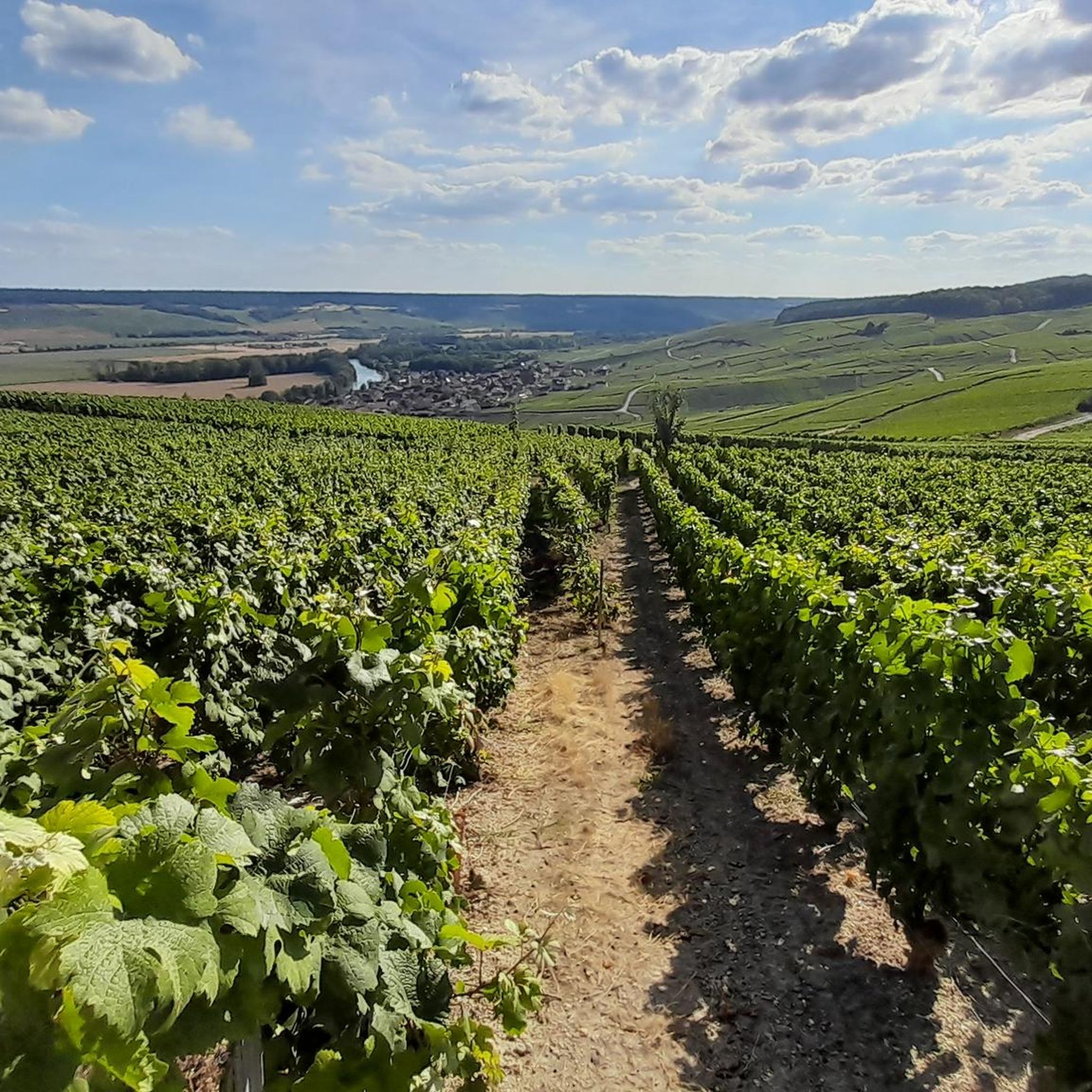
Yes, Vert-Toulon is surrounded by natural beauty. You can explore the significant natural area of the Marais de Saint-Gond (Saint-Gond Marshes). The village itself is perched on Mont Charmont (210m), which offers views over the former Château de la Gravelle. The area is also characterized by extensive Champagne vineyards, predominantly Chardonnay, covering approximately 100 hectares, providing picturesque landscapes.
What outdoor activities are available around Vert-Toulon?
The area around Vert-Toulon is excellent for outdoor enthusiasts. You can find numerous options for hiking, road cycling, and mountain biking. For detailed routes, explore the guides for Hiking around Vert-Toulon, Road Cycling Routes around Vert-Toulon, and MTB Trails around Vert-Toulon.
Are there family-friendly attractions in the Vert-Toulon area?
Families can enjoy several spots. The Eglise St. Martin and Swan is a lovely place where children might enjoy seeing swans in the pond in front of the church. The Menhir de l'étang, a unique standing stone, can also be an interesting historical stop for all ages.
What is the best time of year to visit Vert-Toulon?
The best time to visit Vert-Toulon largely depends on your interests. For enjoying the vineyards and outdoor activities like hiking and cycling, late spring (May-June) and early autumn (September-October) offer pleasant weather and beautiful scenery, especially during harvest season in the vineyards. Summer (July-August) is also popular for warm weather, though it can be busier.
Can I visit a castle near Vert-Toulon?
Yes, the magnificent Étoges Castle is a notable attraction. This 17th-century moated castle is surrounded by an 18-hectare park and has been converted into a hotel and restaurant, offering a glimpse into the region's grand past.
What are some unique or lesser-known spots to discover around Vert-Toulon?
Beyond the main attractions, you might find interest in the historical context of the 'old car wash' area, which is actually a spacious square with a fountain dating back to 1267, as described in the highlight An old car wash in the middle of the city. This area reveals a fascinating history of fire damage and redesign, with some surviving old houses.
Are there any specific hiking trails recommended near Vert-Toulon?
Yes, there are several hiking trails catering to different difficulty levels. For example, you can explore the 'Thibaud de Champagne and Congy Menhir Trail' (moderate, 15.5 km) or the 'Loop around Vert-Toulon — Menhir de l'étang de Chénevry' (difficult, 21.6 km). Shorter, easier options include the 'Mont Aimé Viewpoint – Mont-Aimé loop from Bergères-lès-Vertus' (easy, 6 km). You can find more details and routes in the Hiking around Vert-Toulon guide.
What kind of churches can be found in Vert-Toulon?
Vert-Toulon and its constituent villages host several historic churches. In Vert-la-Gravelle, you'll find a Romanesque-style church, while Toulon-la-Montagne is home to the Church of St-Vincent. Additionally, the Saint-Pierre Church, a Gothic church in Romanesque style from the 12th century, is a classified Historic Monument.
What is the significance of the vineyards in Vert-Toulon?
Vert-Toulon is primarily an agricultural village, with approximately 100 hectares dedicated to Champagne production. The vineyards are a defining feature of the landscape, predominantly growing Chardonnay grapes. This viticultural activity is central to the region's economy and cultural identity, offering scenic views and a taste of the famous Champagne region.
What do visitors particularly enjoy about the attractions around Vert-Toulon?
Visitors appreciate the blend of historical depth and natural beauty. For instance, the Eglise St. Martin and Swan is noted for its beautiful Romanesque architecture, well-preserved crypts, and the presence of swans. The Étoges Castle is admired for its grandeur, 18-hectare park, and its setting in a beautiful wine village.

Get inspired with the komoot mobile app


Explore more
Still not found the Highlight you’re looking for? See guides of the top attractions in other regions:
