Attractions and Places To See around Gionges - Top 20
Best attractions and places to see around Gionges include a variety of historical sites and natural landscapes. Gionges is a small village in the Marne department of France, situated on the plateau of La Brie des Etangs and bordered by communal forests. It serves as a gateway to the Champagne region, offering access to renowned cultural and historical sites. The area provides opportunities to explore both rural French life and significant regional landmarks.
Best attractions and places to see around…
Last updated: June 24, 2026
Avenue de Champagne
Highlight • Historical Site
Translated by Google •
Tip by

Town Hall
Highlight • Historical Site
Translated by Google •
Tip by

Sign up now to discover places like this
Get recommendations on the best single tracks, peaks, & plenty of other exciting outdoor places.
Sign up for free
Champagne Wine and Regional Archaeology Museum (Château Perrier)
Highlight • Historical Site
Translated by Google •
Tip by
Statue of Dom Pérignon at Moët & Chandon
Highlight • Monument
Translated by Google •
Tip by
Monument to the Martyrs of the Resistance (Épernay)
Highlight • Monument
Translated by Google •
Tip by
Sign up for free to discover even more attractions around Gionges.
Sign up for free
Already have an account?
Start today with a free account
Your next adventure awaits.
Login or Signup
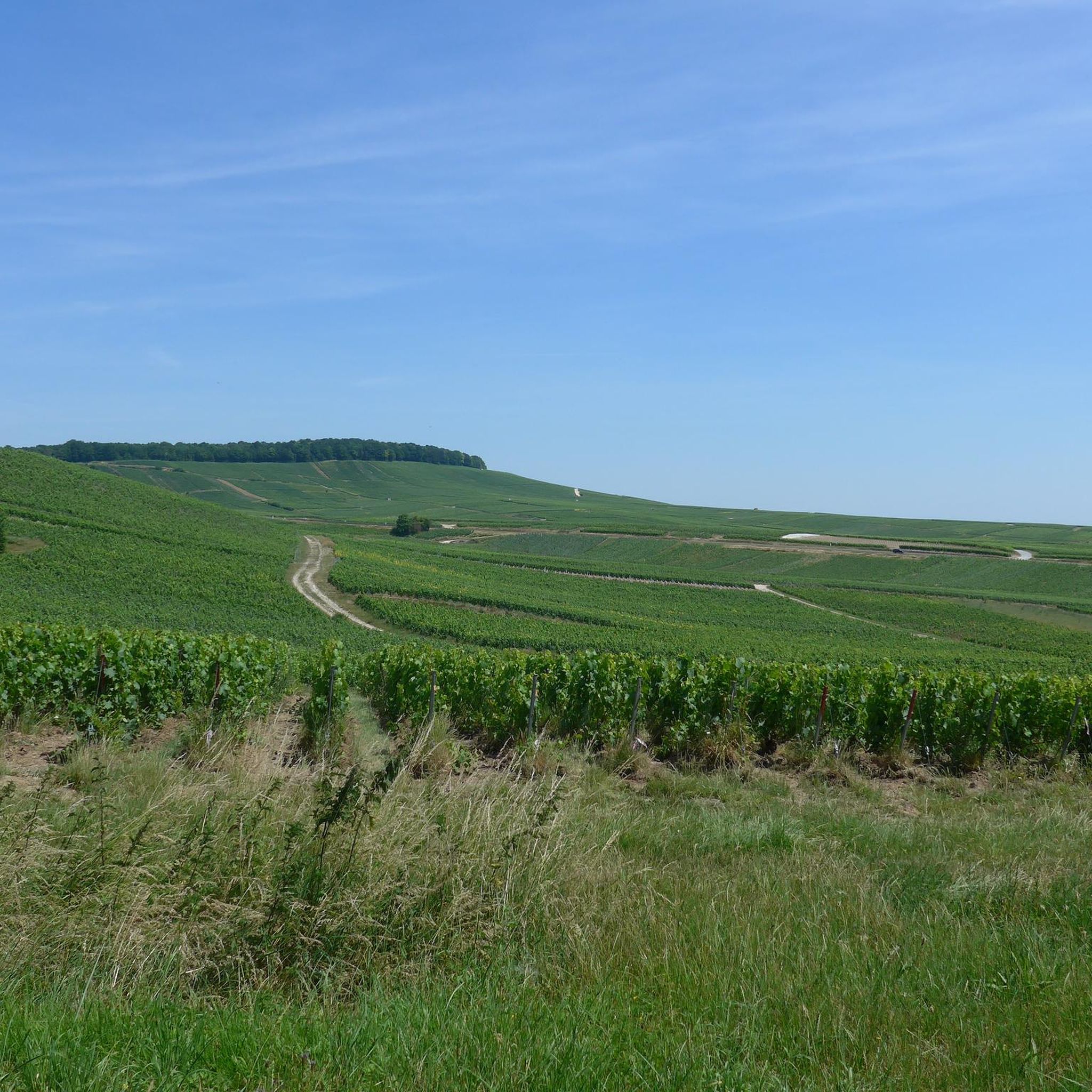
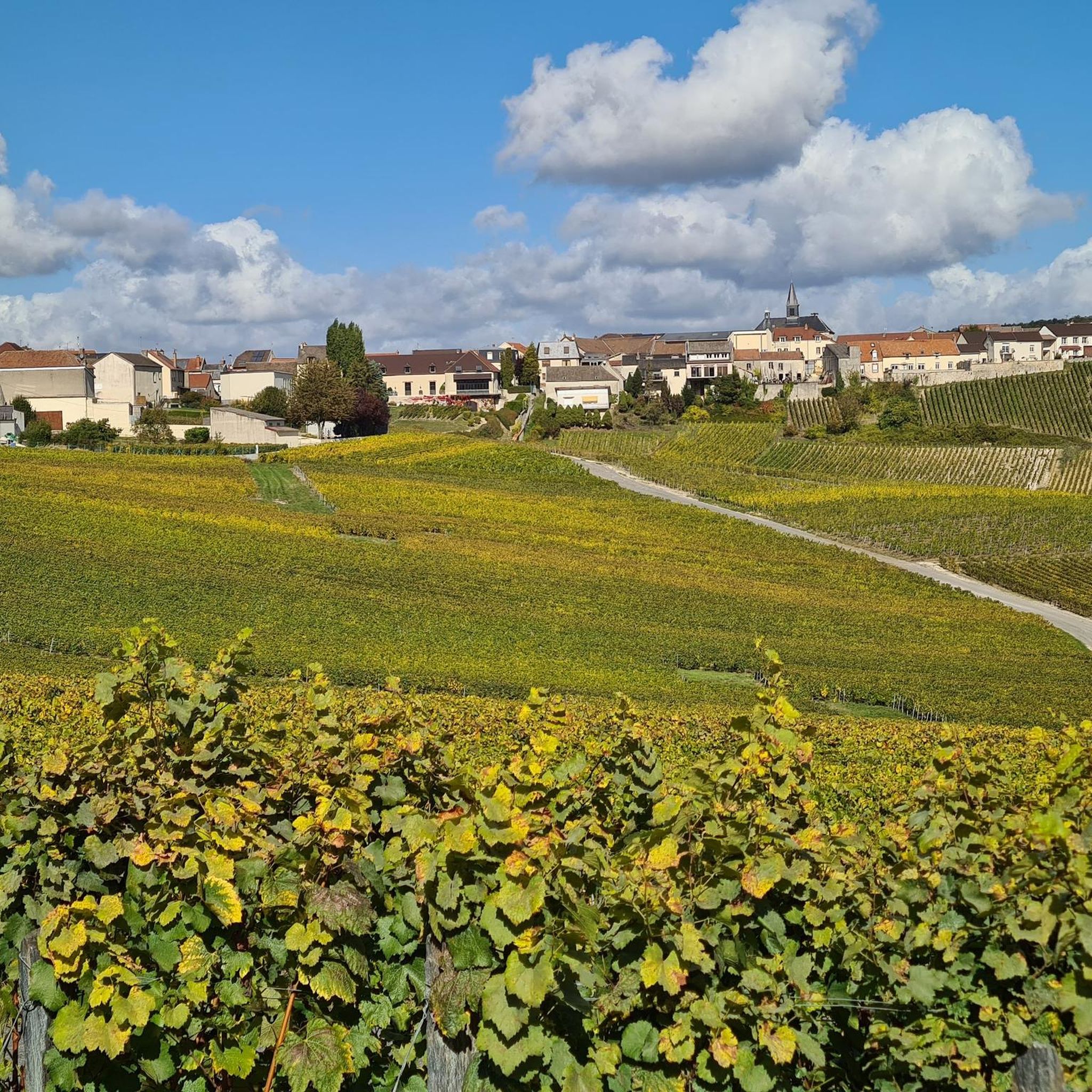
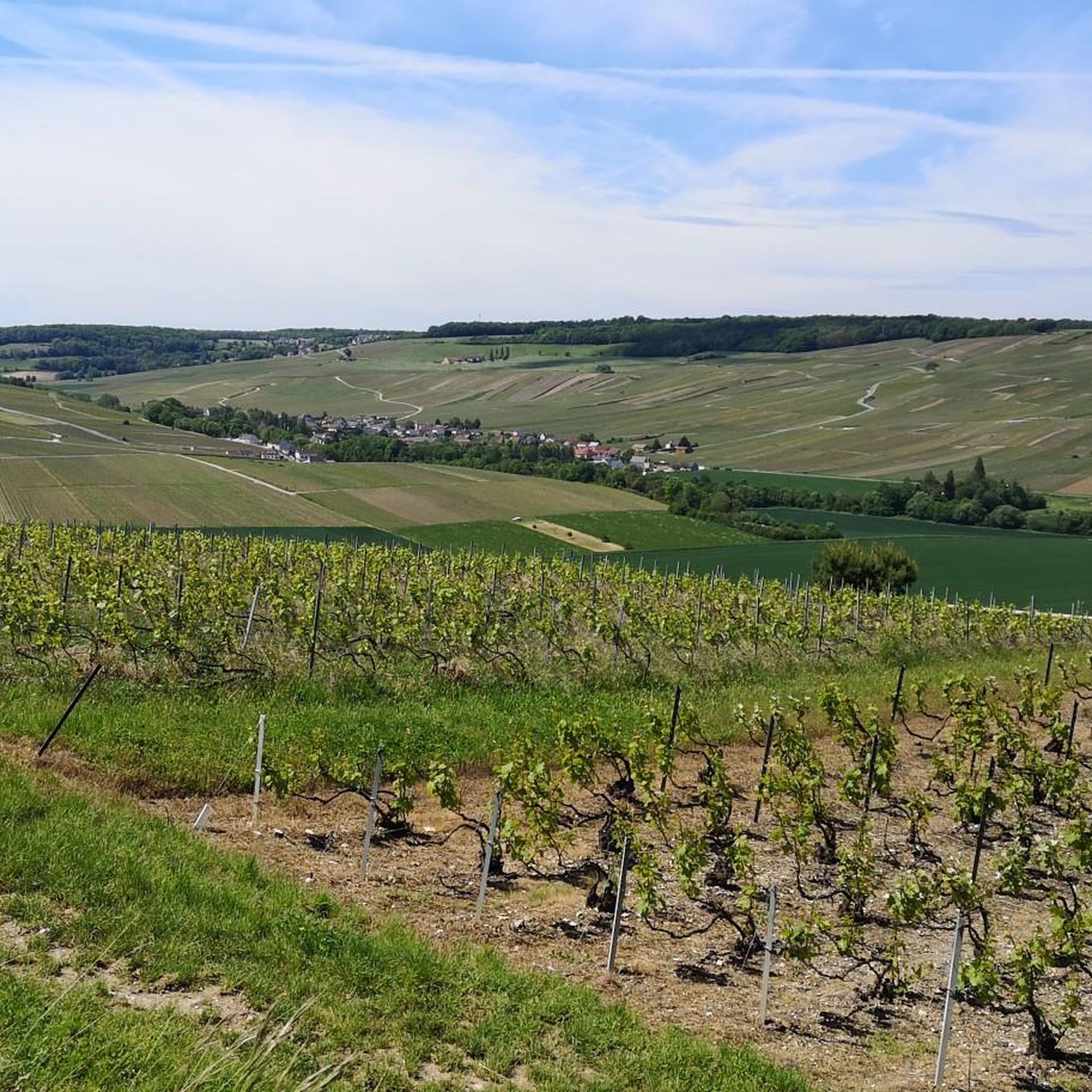
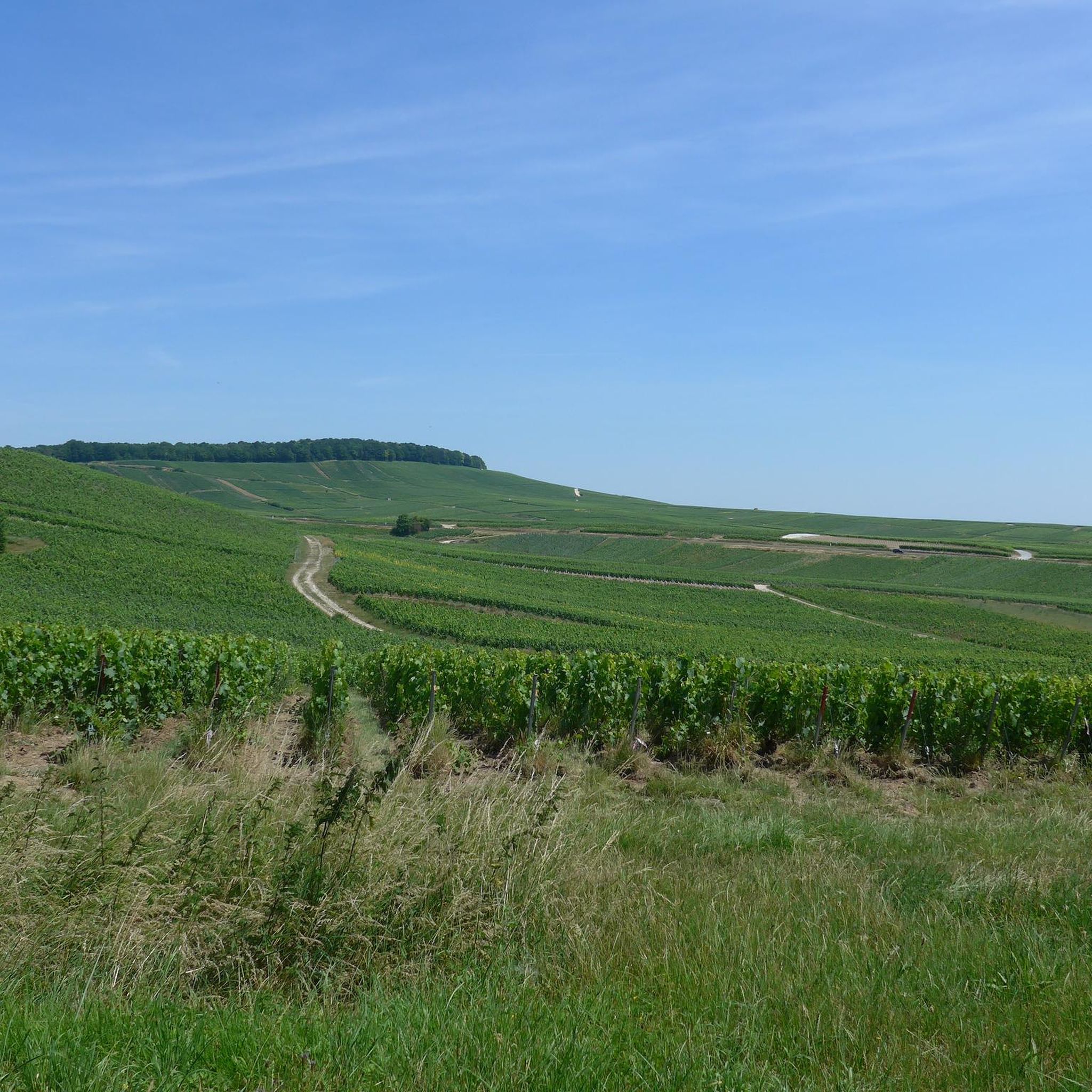

Tips from the Community

Some of the buildings are monumental and an expression of capital - but even the small winemakers have very good champagnes to offer that are in no way inferior to the big houses!
1
0

In 2011[9], the idea for the current Museum of Champagne and Regional Archaeology was born. The project was approved by the French Ministry of Culture in 2014, and in 2016 the renovation work was entrusted to the architectural firm Frenak + Jullien. Work began in 2018, under the supervision of the chief architect of historical monuments Lionel Dubois. Château Perrier has now been restored and contains one of the most important archaeological exhibits in France, with some 80,000 regional artefacts (dating from the Paleolithic to the Early Middle Period) and 4,000 artefacts relating to the history of Champagne wine (since 1960).[10]
4
0
The Château Perrier, at number 13, was built from 1852 to 1857[9] by the architect Pierre-Eugène Cordier, in an eclectic Louis XIII style. In 1854[10], the couple Pierre-Nicolas Perrier, a cork manufacturer, and Adèle Jouët (the founders of the Perrier-Jouët champagne house), who had married in 1811, commissioned the construction of this castle. The four facades are inspired by the architecture of the French Renaissance, to the Parisian image of the Palais du Luxembourg, the Palais des Tuileries or the Lescot of the Louvre. The facades are a play of colours with materials such as brick, natural stone, slate and glass.
4
0
Between 1872 and 1884, the concierge and the orangery were built on the outer edge of a vast park, according to plans by the architect Alphonse Gosset (1835-1914)[5]. In 1920, the park was acquired by the municipality with the Auban-Moët mansion and opened to the public. The part of the park around the town hall is laid out in the French style, to emphasise the classical and sober facade of the building. It consists of a grass path and two symmetrical access paths arranged in a horseshoe shape around a fountain. It is decorated with two bronze lions, cast iron statues of ancient gods and various other statues. The other part of the park is laid out in the English style: it is crossed by hilly paths, groves, two pools of water, an artificial island and a rocky grotto with a waterfall. On this side of the garden is a temple of love, built of limestone. This belvedere with Corinthian columns has a coffered ceiling. It is inspired by the Temple of Love in the Petit Trianon in Versailles. The City Hall Park has the label "Remarkable Garden".🪴 In
7
1
Épernay Town Hall is located at number 7bis in the former Auban-Moët mansion, built in 1858 by Victor Moët (1797–1881)[5] to a design by the architect Victor Le Noir, who also designed the Montparnasse railway station in Paris. In the early 19th century, Jean-Baptiste Isabey had the building redesigned in a classical style for Jean-Remy Moët, owner of the Hôtel Auban-Moët and mayor of Épernay. The current layout dates from 1857 and is the work of the brothers Denis and Eugène Bühler. It was donated to the city in 1919, which took it into use as a town hall in 1920. The building houses luxurious rooms, including the wedding hall and the council chamber. The building has been listed as a French Historical Monument since 26 June 2012.[5][6]
7
1
In his day, the fermentation of wine in the bottle, which produces sparkling wine, was a huge problem for winemakers. When colder weather arrived in autumn, the fermentation process would sometimes halt before all the fermenting sugar in the wine had been converted into alcohol. If this wine was bottled at this stage, it literally became a time bomb. When the weather warmed in spring, the remaining yeast would begin to work again, producing carbon dioxide, which would at least force the cork out of the bottle and often cause the bottle to explode, setting off a chain reaction in nearby bottles. This posed a danger to workers and sometimes destroyed an entire year's worth of wine production.[citation needed] Dom Pérignon sought to prevent this imperfect fermentation and introduced several improvements that are still in use in the Champagne region today, such as the extensive blending of wines from different winemakers.
4
0
Pierre Pérignon (Sainte-Menehould, 1639 - Hautvillers, 24 September 1715) known as Dom Pérignon was a Benedictine monk to whom the méthode champenoise, the method of making champagne, is often attributed. The best champagne of the Moët et Chandon winery is also named after him: champagne Dom Pérignon. Legend has it that he exclaimed: "Come quickly, I'm tasting the stars!" when he tasted the first sparkling champagne. The reality is, however, that although the Dom worked tirelessly to improve the wines of the Champagne region, he invented neither sparkling wine nor champagne.
4
0
In Épernay, at the initiative of Pierre Servagnat and the Committee of the Association of Former FFIs of the Épernay Region, the Monument to the Martyrs of the Resistance was erected on the Place de la République in memory of "their 176 comrades who died for France in their resistance to the occupiers". The extensive foundation and earthworks, as well as the transport of 90 tonnes of stone from Euville (Meuse), were carried out by former resistance fighters and volunteer construction workers. It was financed by collections, a subsidy from the city of Épernay and the sale of stamps. The monument, the result of a public competition with a prize, is the work of an architect from Épernay, André Schnell. The statue is by Marius Giot, a sculptor from Gionges, and the inscriptions were engraved or sculpted by Roger Chatelain. The architect who supervised the construction of the monument was Lucien KIEFFER.
3
0
Frequently Asked Questions
What historical sites can I visit near Gionges?
Gionges is a great base for exploring the rich history of the Champagne region. You can visit the famous Avenue de Champagne in Épernay, home to prestigious Champagne houses and historic buildings. Also in Épernay, explore the Town Hall, a former mansion with a beautiful park, and the Champagne Wine and Regional Archaeology Museum housed within Château Perrier. Don't miss the local Saint Fergeux Church in Gionges itself, showcasing Romanesque and Gothic architecture.
Are there any family-friendly attractions around Gionges?
Yes, several attractions near Gionges are suitable for families. The Avenue de Champagne offers a fascinating walk with impressive architecture, and many Champagne houses provide tours that can be interesting for older children. The park adjacent to the Town Hall in Épernay is a lovely spot for a stroll. The Champagne Wine and Regional Archaeology Museum also offers engaging exhibits for various ages.
What natural features or outdoor spaces can I explore near Gionges?
Gionges is located on the plateau of La Brie des Etangs, characterized by its ponds, and is bordered by communal forests. You can explore the nearby Réserve naturelle du Coteau de Chartèves for local flora and fauna, or enjoy walks in the Forêt de la Traconne. Several villages, including Gionges itself and Oger, are recognized for their beautiful floral displays as 'Villages in bloom'.
What kind of outdoor activities can I do near Gionges?
The area around Gionges offers various outdoor activities. You can find numerous routes for mountain biking, gravel biking, and running. For example, there are MTB trails like the 'Château de Saran – Grauves wood loop' and gravel biking routes such as the 'Bridge Over the Marne loop'. Running enthusiasts can enjoy loops from Vertus or Oger. You can find detailed routes and guides for these activities on komoot, such as the MTB Trails around Gionges guide.
Are there any notable religious buildings to visit?
Yes, Gionges and its surroundings feature significant religious architecture. In Gionges, the local Saint Fergeux Church displays a blend of Romanesque and Gothic styles. Further afield, you can visit the magnificent Reims Cathedral, a UNESCO World Heritage site, or the Notre-Dame-en-Vaux Collegiate Church in Châlons-en-Champagne. In Épernay, the Saint Peter and Saint Paul Church is also worth seeing.
What is the best time of year to visit Gionges and the Champagne region?
The Champagne region is beautiful throughout the year, but the best time to visit for outdoor activities and vineyard tours is typically from late spring to early autumn (May to October). During this period, the weather is generally pleasant, the vineyards are lush, and many Champagne houses offer tours and tastings. Harvest season in September/October is particularly vibrant.
Are there any gardens or botanical sites to visit?
Yes, the region offers several charming gardens. The park around the Town Hall in Épernay is a 'Remarkable Garden' with both French and English styles. You can also visit the Jardin botanique de la Presle, Entre Cour et Jardin, and the Jardins de Viels-Maisons, all within a reasonable distance from Gionges.
What are the public transport options to get to attractions from Gionges?
While Gionges is a small village, it's strategically located. Public transport options to larger towns like Épernay (where many attractions are located) may include local bus services. However, for flexibility in exploring the wider Champagne region and its various attractions and trailheads, driving or utilizing local taxi services from Épernay might be more convenient.
Where can I find cafes or restaurants near Gionges?
Gionges itself is a tranquil, rural village, so dining options might be limited. For a wider selection of cafes, pubs, and restaurants, you would typically head to larger nearby towns such as Épernay, which is approximately 12 km away. Épernay offers a variety of establishments catering to different tastes.
What do visitors enjoy most about the attractions around Gionges?
Visitors particularly enjoy the blend of historical significance and the prestige of the Champagne region. The Avenue de Champagne is highly praised for its beautiful architecture and the opportunity for Champagne tastings. The well-maintained parks, such as the one at the Town Hall, and the rich historical exhibits at the Champagne Wine and Regional Archaeology Museum are also popular highlights.
Are there any accessible attractions for visitors with mobility needs?
The Statue of Dom Pérignon at Moët & Chandon in Épernay is noted as wheelchair accessible. When planning visits to other historical sites or Champagne houses, it's advisable to check their specific accessibility information in advance, as some older buildings may have limitations.
Can I find dog-friendly trails or walks near Gionges?
The natural areas around Gionges, including the communal forests and the plateau of La Brie des Etangs, offer opportunities for walks with dogs. Many of the running and walking routes in the region, such as those found in the Running Trails around Gionges guide, can be enjoyed with a dog, provided they are kept under control and local regulations are followed, especially in vineyard areas.
Most popular routes around Gionges

Get inspired with the komoot mobile app


Explore more
Still not found the Highlight you’re looking for? See guides of the top attractions in other regions:
