Attractions and Places To See around Les Cluses - Top 20
Best attractions and places to see around Les Cluses, a commune in France's Pyrénées-Orientales department, offer a blend of historical sites and natural landscapes. Situated near the Franco-Spanish border and the Vallespir hills, the area provides insights into ancient civilizations and scenic beauty. Visitors can explore various landmarks and natural features that characterize this region.
Best attractions and places to see around Les Cluses
- The most popular attractions is Puig Neulós, a summit that offers panoramic views over Roselló and Alt Empordà. This peak is the highest point of the Albères massif and marks the Franco-Spanish border.
- Another must-see spot is Reynès Iron Bridge, a historical bridge. This iron bridge, with its truss construction, was a strategic point during the Second World War and spans the Tech River.
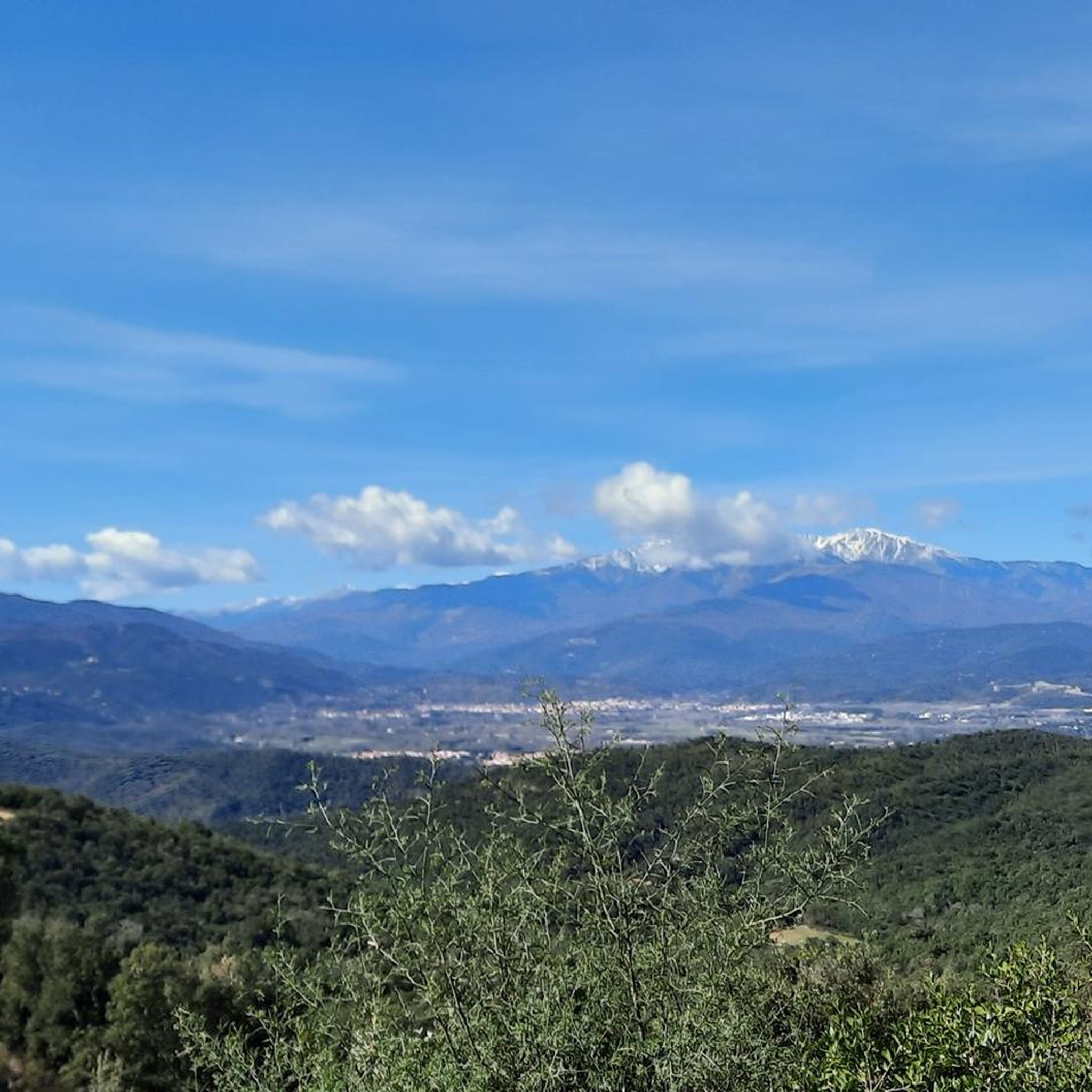
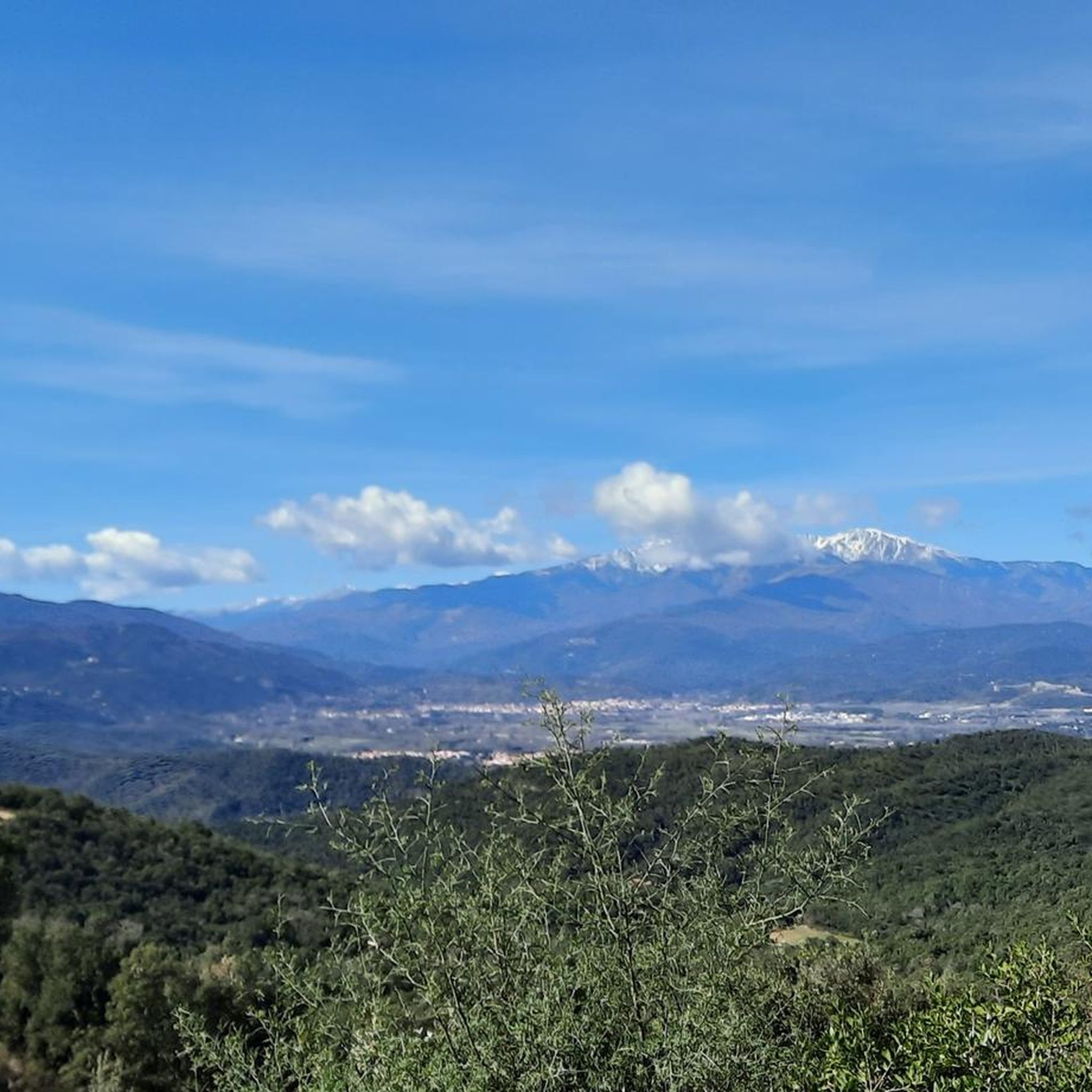
- Visitors also love Puig Saint-Christau Summit, a summit known for its views. The summit offers panoramas of the surrounding area, including the Canigou and the sea.
- Les Cluses is known for its historical sites, natural features, and cultural landmarks. The area offers a variety of attractions to see and explore, from ancient ruins to mountain peaks.
- The attractions around Les Cluses are appreciated by the komoot community, with more than 190 upvotes and over 40 photos shared.
Last updated: July 6, 2026
Reynès Iron Bridge
Highlight • Bridge
Translated by Google •
Tip by

Puig Neulós
Highlight • Summit
Translated by Google •
Tip by

Sign up now to discover places like this
Get recommendations on the best single tracks, peaks, & plenty of other exciting outdoor places.
Sign up for free
Chalet of the Albère
Highlight • Other
Its privileged location at the Col de l'Ouillat offers a breathtaking setting and panoramic view.
Translated by Google •
Tip by

Devil's bridge
Highlight • Bridge
Translated by Google •
Tip by

Douglas DC-6 crash site (1986)
Highlight • Monument
Translated by Google •
Tip by

Sign up for free to discover even more attractions around Les Cluses.
Sign up for free
Already have an account?
Start today with a free account
Your next adventure awaits.
Login or Signup

Tips from the Community

In a movie they always just make it to the top, how unlucky this crew was, so close to the top and just missing out.
6
0

The linguistic proximity of the "Pont Eiffel", which spans the valley here, and the low mountain range "Eifel" in the far west of Germany is no coincidence: The family of the designer - whose world-famous Tower of Paris (named after its builder) is probably known to everyone - has German roots. The ancestors of the Eiffel Tower builder Gustave EIFFEL come from the Eifel town of Marmagen (in the Euskirchen district, North Rhine-Westphalia). The village square there - if you are interested, see the following hiking highlight https://www.komoot.com/de-de/highlight/1830307 - is named after him.
0
0

The Tech River rises in the Canigou massif in the Pyrénées-Orientales, France, at an altitude of around 2,500 metres. It runs for approximately 84 km through the Vallespir and Roussillon, passing through towns such as Prats-de-Mollo, Céret and Le Boulou, before flowing into the Mediterranean Sea near Argelès-sur-Mer. The Tech is a Mediterranean river, with irregular flows that depend on seasonal rainfall and snowmelt. It is essential for agricultural irrigation and the ecosystem of the region.
1
0
It spans the Tech River and has become a symbol of both the city and medieval engineering. It was built in the early 14th century, between 1321 and 1341, and is one of the finest examples of medieval architecture in the region. In its time, it was considered a masterpiece of engineering.
1
0
Pont du Diable, a single arch of 45 metres, standing out for its age and grandeur.
1
0
The refuge is surrounded by lush nature, with beech and oak forests, and is an excellent place to observe the local fauna and flora. It is also a strategic point for those who wish to explore the biodiversity and natural heritage of the Albera mountain range.
1
0
The refuge can be reached on foot from various points in the region, and is accessible via several hiking trails that cross the forests and hills of the Albera. It is a starting or resting point for those exploring the Puig Neulós or hiking through the Eastern Pyrenees.
1
0
The shelter offers basic accommodation, with bunk beds and essential services for hikers. It is an ideal place to rest during long hiking routes. It also has a kitchen and a dining room where visitors can prepare their meals.
1
0
Frequently Asked Questions
What historical sites can I explore in and around Les Cluses?
Les Cluses is rich in history. You can visit the ancient Roman Ruins of Les Cluses, which offer insights into the Via Domitia. Other notable historical sites include the ancient megalithic structure of Dolmen St Pierre de Llaner, Chapelle Saint-Pierre de Llaner, and Eglise Sainte-Marie de Cluse-Haute. Additionally, the Reynès Iron Bridge, a strategic point during WWII, and the medieval Devil's Bridge are also significant historical landmarks nearby.
Where can I find the best panoramic views and natural beauty near Les Cluses?
For breathtaking views, head to Puig Neulós, the highest point of the Albères massif, offering panoramic vistas over Roselló and Alt Empordà. Another excellent viewpoint is Puig Saint-Christau Summit, which provides views of the Canigou and the sea. Beyond these, the region boasts natural wonders like Pic de Fontfrède, the dramatic Gorges de la Fou, and the unique rock formations of Orgues d'Ille-sur-Tet.
Are there good hiking opportunities around Les Cluses?
Yes, the area around Les Cluses offers various hiking opportunities, especially to its summits. You can embark on trails leading to Puig Neulós or Puig Saint-Christau Summit, both providing rewarding views. For more structured routes, consider exploring the running trails listed in the Running Trails around Les Cluses guide, which include options like the 'On the Pirinexus cycling route – Cycle Path Through the Fields loop from Céret' or the 'Estelle Peak loop from Céret'.
What kind of cycling routes are available near Les Cluses?
Cyclists will find a variety of routes near Les Cluses. The Cycling around Les Cluses guide features routes like the 'On the Pirinexus cycling route – Cycle Path Through the Fields loop from Céret' for touring bicycles, and more challenging options such as the 'Chalet of the Albère – Departure loop from Céret'. For mountain biking enthusiasts, the MTB Trails around Les Cluses guide offers routes like 'Pic Calmeille – Fort de Bellegarde loop from Céret' and 'Estelle Peak – Old Stone Bridge loop from Céret'.
Are there family-friendly attractions around Les Cluses?
While Les Cluses itself is a small commune, several nearby attractions are suitable for families. The Reynès Iron Bridge is categorized as family-friendly and offers an interesting historical stop. Exploring the Roman Ruins can also be an educational outing. For nature, the Gorges de la Fou, though about 20 km away, offers a unique walk along a canyon floor that can be an exciting adventure for older children.
What is the best time to visit Les Cluses for sightseeing and outdoor activities?
Spring and autumn are generally recommended as the best times to visit Les Cluses, especially for exploring historical sites like the Roman Ruins, to avoid the intense summer heat. These seasons also offer pleasant temperatures for hiking and cycling, allowing you to fully enjoy the natural landscapes and panoramic views.
What are some charming towns or points of interest close to Les Cluses?
Several charming towns are within a short drive from Les Cluses. Ceret, about 7 km west, is known for its historic town center and the Picasso Museum. Castelnou, recognized as one of France's 'most beautiful villages,' is about 18 km north-west and features a picturesque setting with a castle. Other options include Argelès-sur-Mer for a seaside experience, Elne with its cathedral cloisters, and Collioure, a traditional harbor town.
Are there any places to eat or stay near the attractions?
Yes, the Chalet of the Albère, located at the Col de l'Ouillat, serves as both a refuge and a restaurant. It's a great spot to refuel after a hike, offering local cuisine in a setting with a breathtaking panoramic view. It's advisable to check their operating hours and consider booking in advance.
What do visitors enjoy most about the attractions around Les Cluses?
Visitors particularly enjoy the impressive panoramic views from summits like Puig Neulós and Puig Saint-Christau Summit, often describing them as 'wonderful' with 'real sensations of altitude.' The historical significance of sites like the Reynès Iron Bridge and the medieval Devil's Bridge also captivates many, highlighting the region's rich past and engineering marvels.
Can I find any unique natural formations in the area?
Absolutely. Beyond the general natural beauty, the region is home to the unique Orgues d'Ille-sur-Tet, which are distinctive rock formations sculpted by erosion. These 'fairy chimneys' create a striking landscape that is well worth a visit for those interested in geological wonders.
What is the significance of the Roman Ruins of Les Cluses?
The Roman Ruins of Les Cluses are a significant historical site, providing tangible evidence of ancient civilizations in the region. They bear witness to the strategic importance of the Via Domitia, an ancient Roman road that connected Italy to Hispania, used by Roman legionnaires and merchants. The ruins offer a direct link to the past and are accessible on foot from the village.
Are there any coastal attractions or beaches near Les Cluses?
While Les Cluses is inland, coastal attractions are within a reasonable distance. Argelès-sur-Mer, approximately 17 km east-north-east, is a popular seaside resort known for its long beach and lively atmosphere. Collioure, about 20 km east, offers an attractive traditional harbor and a small beach, making it a picturesque coastal destination.
Most popular routes around Les Cluses
Most popular attractions around Les Cluses

Get inspired with the komoot mobile app


Explore more
Still not found the Highlight you’re looking for? See guides of the top attractions in other regions:
