Attractions and Places To See around Campoussy - Top 20
Best attractions and places to see around Campoussy include a blend of local historical charm and natural sites within the Fenouillèdes region. Situated on a plateau at 666m altitude, the area is characterized by extensive wooded areas and striking granite formations. Visitors can explore ancient structures such as dolmens, menhirs, and a Roman bridge, alongside traditional dry stone huts. The region offers diverse landscapes and cultural points of interest.
Best attractions and places to see around Campoussy
- The most popular…
Last updated: July 6, 2026
Mosset — Listed Village
Highlight • Settlement
Translated by Google •
Tip by

Guilléra Gorges and Rodès Canal
Highlight (Segment) • Gorge
Tour to the highlight: komoot.de/tour/340848344?ref=itd
Translated by Google •
Tip by

Sign up now to discover places like this
Get recommendations on the best single tracks, peaks, & plenty of other exciting outdoor places.
Sign up for free
Saint-Michel de Cuxa Abbey
Highlight • Other
Translated by Google •
Tip by

Joch — Medieval Village
Highlight • Historical Site
Thanks to its fortified position, Joch was recognized for six centuries as the capital of …
Translated by Google •
Tip by

Saint Peter's Church, Prades
Highlight • Religious Site
Translated by Google •
Tip by

Sign up for free to discover even more attractions around Campoussy.
Sign up for free
Already have an account?
Start today with a free account
Your next adventure awaits.
Login or Signup
Tips from the Community

Very nice small village, which once had significantly more inhabitants.
1
0

The village's history is rooted in its castle, mentioned as early as the 11th century. Thanks to its fortified position, Joch was recognized for six centuries as the capital of the "Barony," a territory occupying the entire plain. Today, only ruins remain of the castle. Only two medieval gates are still visible to the north and west, and the remains of the old chapel have been converted into a house. The church, dating from 1776, and its listed altarpieces enrich Joch's heritage, as does the 17th-century painted ceiling, uncovered in the former presbytery during its restoration. In addition to the built heritage, there is also the vernacular, which bears witness to an entire ancestral way of life.
0
0
This church was built in the 17th century on the foundations of a Romanesque church, of which only the Lombard-style bell tower, dating from the 12th century, remains today. The church has a large nave flanked on either side by fourteen chapels. The vault is pointed, the transept arches are basket-handle, while those of the side chapels are semicircular. From an architectural point of view, this church, whose construction took place over a hundred years (1606-1696), is remarkably simple.
0
0
The great cellist Pablo Casals lived (in exile) in Prades. Every year there is a great festival in his honour.
2
0

Easy access and very beautiful route
0
0

Beautiful village, worth a stop
1
0


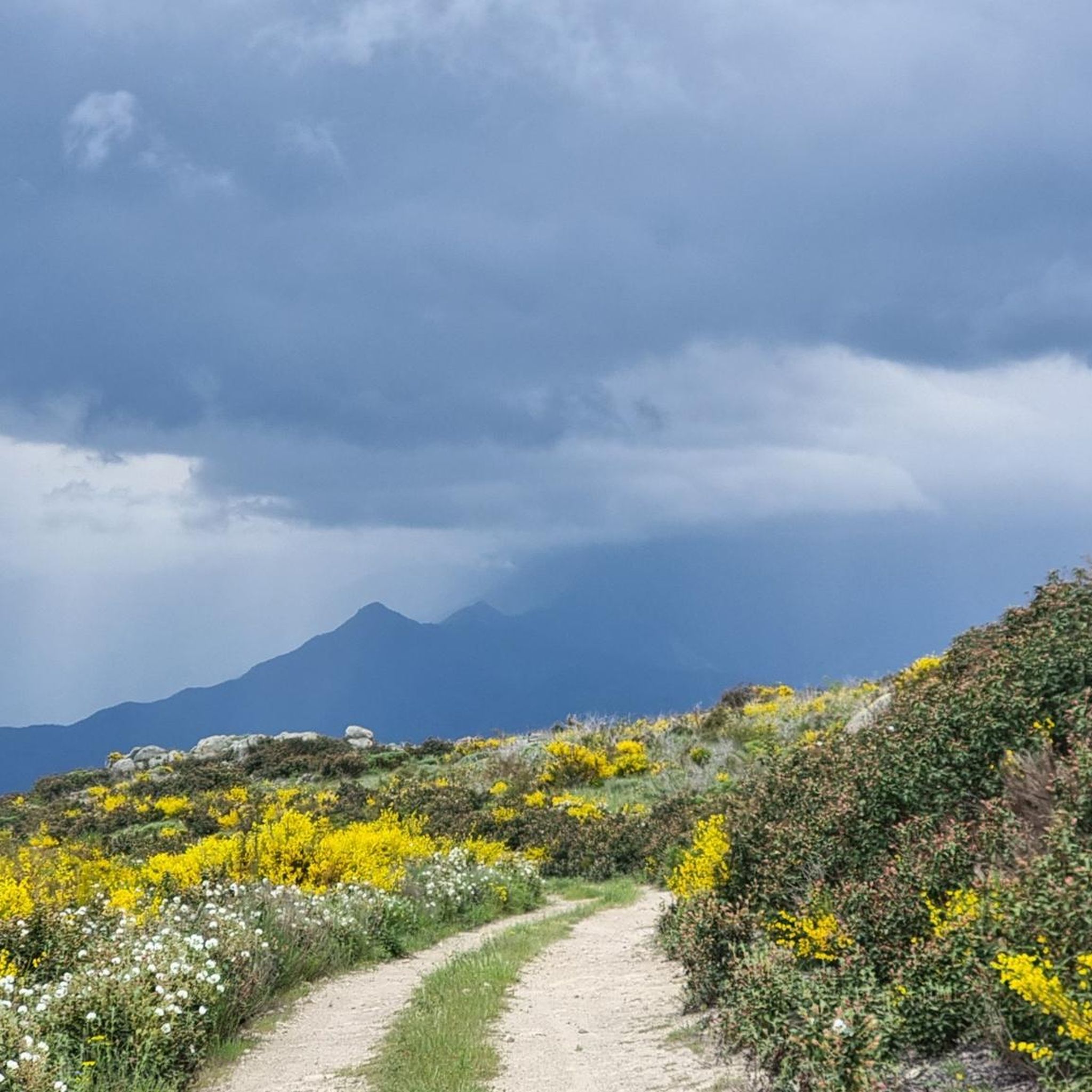
Mosset is a village perched on a rocky spur at more than 600 m which dominates the Castellane Valley. In this superb village, everything bears the mark of time. Because Mosset was for a long time a border marker between France and Catalonia, hence its fortifications. The road offers a spectacular view when arriving from Prades. The city experienced economic and demographic development thanks to its immense forests which provided the energy necessary for processing iron ore from the Canigou peak. The population thus rose to 1,350 inhabitants in the middle of the 19th century. There are now only a little more than 300 left. The ramparts, towers and curtain walls of the old castle which still remain, the Capelleta, an old restored chapel, the small streets, the “portals” and even the fountains of The spring water bears witness to this historical past. We will also note the St Julien church, with this tree perched at the top of its bell tower, which seems to stand guard over the surroundings of the village.
1
0
Frequently Asked Questions
What historical landmarks can I explore in and around Campoussy?
Campoussy and its surroundings are rich in history. You can visit the local Église paroissiale dédiée à Saint Etienne, which dates back to 1334 and houses a 1650 altarpiece. The area also features ancient structures like a dolmen, the menhir known as "La Peyre Drete," and the Roman bridge "Pont romain de Mandres." Traditional dry stone huts, called "oris," are scattered throughout the landscape. Further afield, consider the UNESCO World Heritage site of the Ramparts of Villefranche de Conflent, the significant Abbey of Saint Michel de Cuxa, and the historic Liberia Fort.
Are there any unique natural features to see near Campoussy?
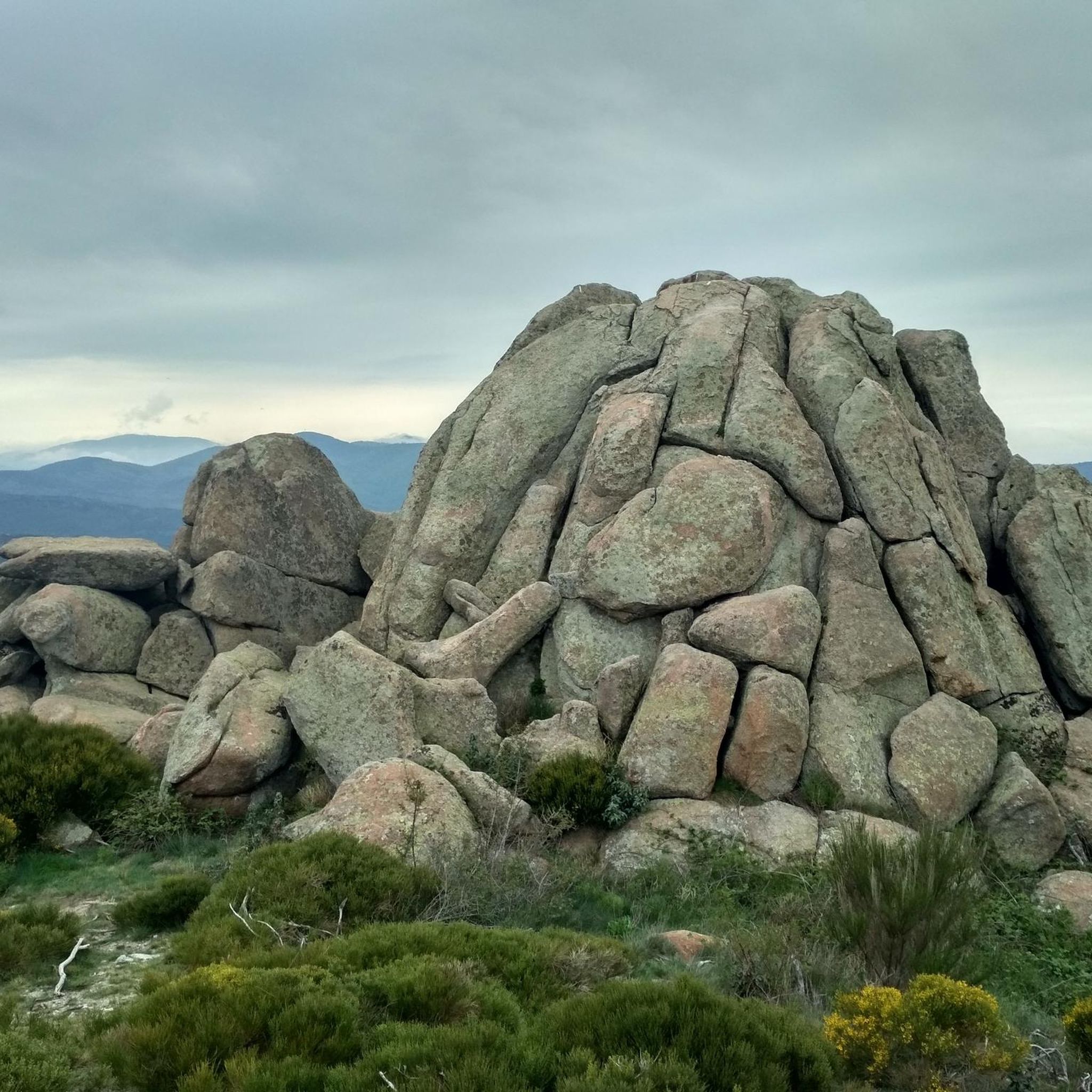
Yes, the region boasts several unique natural features. Campoussy is known for Roc Cornut, an intriguing cluster of rocks near a dolmen. The broader Fenouillèdes region, where Campoussy is located, is characterized by extensive wooded areas, garrigue, and striking granite formations. A must-see are the fascinating natural rock formations of the Orgues d'Ille Sur Tet, and the Grotte des Canalettes, often called the "underground Versailles of the Pyrenees."
What kind of outdoor activities can I do near Campoussy?
Campoussy is an excellent starting point for various outdoor activities. You can explore numerous hiking and walking trails that showcase the natural beauty of the Fenouillèdes. For adventure seekers, Accrobranche & Canyoning - Extérieur Nature near Marquixanes offers tree-top adventures and canyoning. The nearby Regional Natural Park of the Catalan Pyrenees provides extensive natural scenery for mountain climbing and other outdoor pursuits. You can find many routes for hiking, road cycling, and touring cycling in the area.
Are there family-friendly attractions around Campoussy?
Families can enjoy several attractions in the area. The Guilléra Gorges and Rodès Canal offer a pleasant hike along a water canal, often shaded, which can be suitable for families. The Accrobranche & Canyoning - Extérieur Nature center provides adventurous activities like tree-top courses and canyoning. Additionally, the Saint Peter's Church in Prades is noted as a family-friendly historical site.
What is the best way to experience the local culture and village life?
To experience local culture, explore Campoussy village itself, with its cobbled streets and beautifully renovated old stone wells, offering a glimpse into traditional rural life. You can also find several oratories dedicated to saints, some with inscriptions from 1696. The nearby Mosset — Listed Village, perched on a rocky spur, retains its historical character with ramparts, towers, and old chapels, providing a deeper dive into the region's past.
Where can I find hiking trails near Campoussy?
Campoussy is surrounded by numerous hiking opportunities. You can find trails that explore the Fenouillèdes landscape, including routes that pass by the Guilléra Gorges and Rodès Canal. For a variety of options, check out the Hiking around Campoussy guide, which includes routes like the Coma loop from Eus or the Marcevol and its priory loop from Arboussols.
What are some notable historical buildings or ruins in the area?
Beyond the village church, the region features significant historical structures. The Abbey of Saint Michel de Cuxa is a major Benedictine monastery with rich architectural and spiritual heritage. The Mosset — Listed Village showcases medieval fortifications, including ramparts and towers. Additionally, the Prieure de Marcevol is another notable historical building located just 6.3 km from Campoussy.
Can I find cycling routes around Campoussy?
Yes, the area around Campoussy offers various cycling routes. You can explore options for road cycling, with routes like the Escoumes Lake – The Organ Pipes of Ille-sur-Têt loop. For more general touring cycling, there are challenging routes such as the Tour of Lake Vinça or the View of Eus – Arboussols loop.
What is the terrain like for outdoor activities near Campoussy?
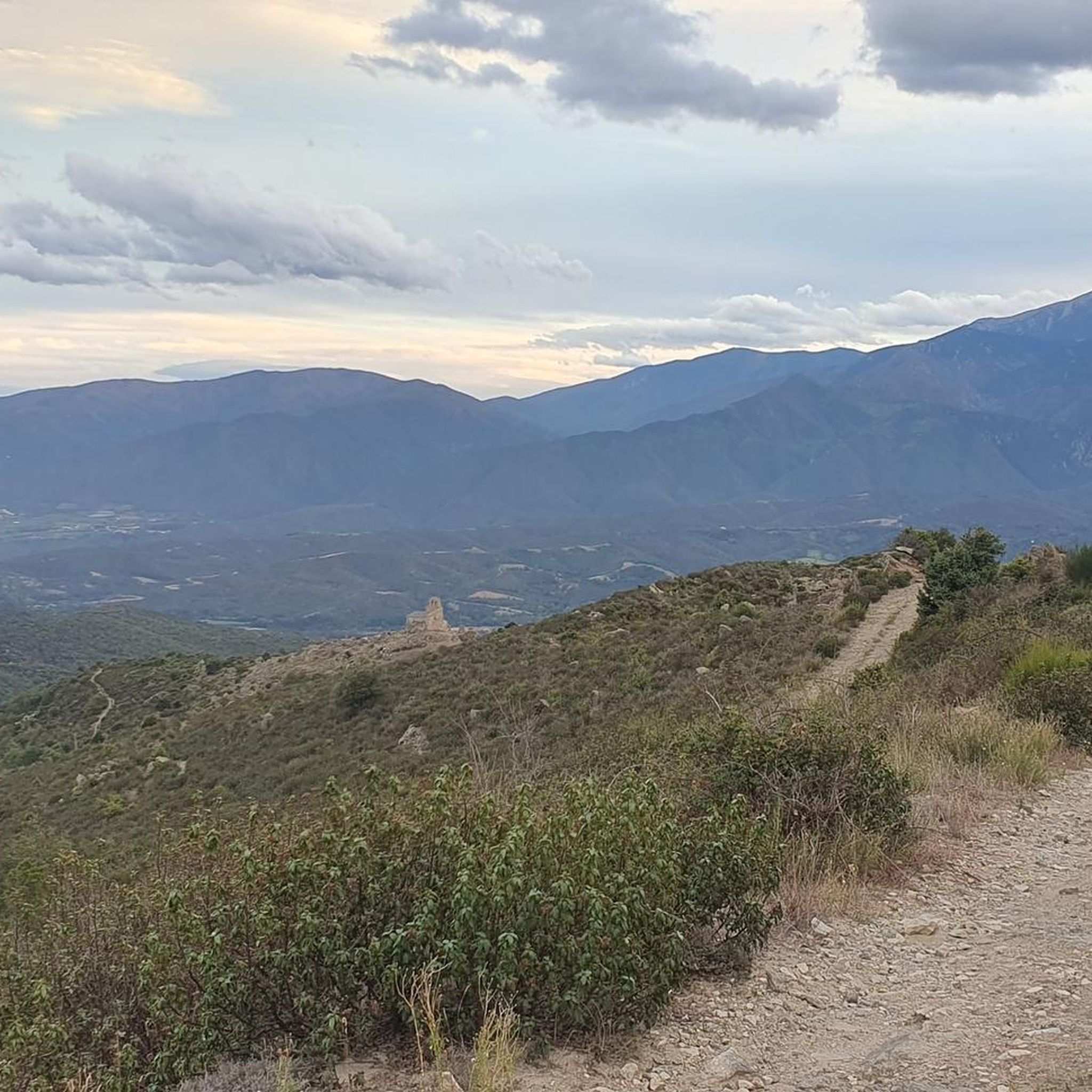
Campoussy is situated on a plateau at 666m altitude within the Fenouillèdes region. The terrain is diverse, characterized by extensive wooded areas, garrigue, and striking granite rock formations. The varied geological structures lead to unique reliefs and depressions, offering a mix of moderate to difficult trails for hiking and cycling, with some pleasant, shaded walks like those along the Guilléra Gorges and Rodès Canal.
What do visitors enjoy most about the attractions around Campoussy?
Visitors particularly enjoy the blend of historical charm and natural beauty. The Guilléra Gorges and Rodès Canal are praised for their pleasant, shaded hikes. The Mosset — Listed Village is appreciated for its historical character and superb views. The Saint-Michel de Cuxa Abbey is considered a must-visit for its architectural and spiritual significance. Overall, the area's diverse landscapes and cultural points of interest receive positive feedback from the komoot community.
Are there any hidden gems or less-known spots worth visiting?
Beyond the more prominent sites, exploring the numerous "oris" (traditional dry stone huts) scattered throughout the Campoussy area offers a glimpse into local historical building techniques. The village itself, with its beautifully renovated old stone wells and oratories, provides a tranquil experience of traditional rural life. The diverse petrographic structures of the Fenouillèdes region create unique reliefs and depressions, making for interesting discoveries off the main paths.
Most popular routes around Campoussy
Most popular attractions around Campoussy

Get inspired with the komoot mobile app


Explore more
Still not found the Highlight you’re looking for? See guides of the top attractions in other regions:
