The best MTB trails around Corscia
4.4
(93)
577
riders
32
rides
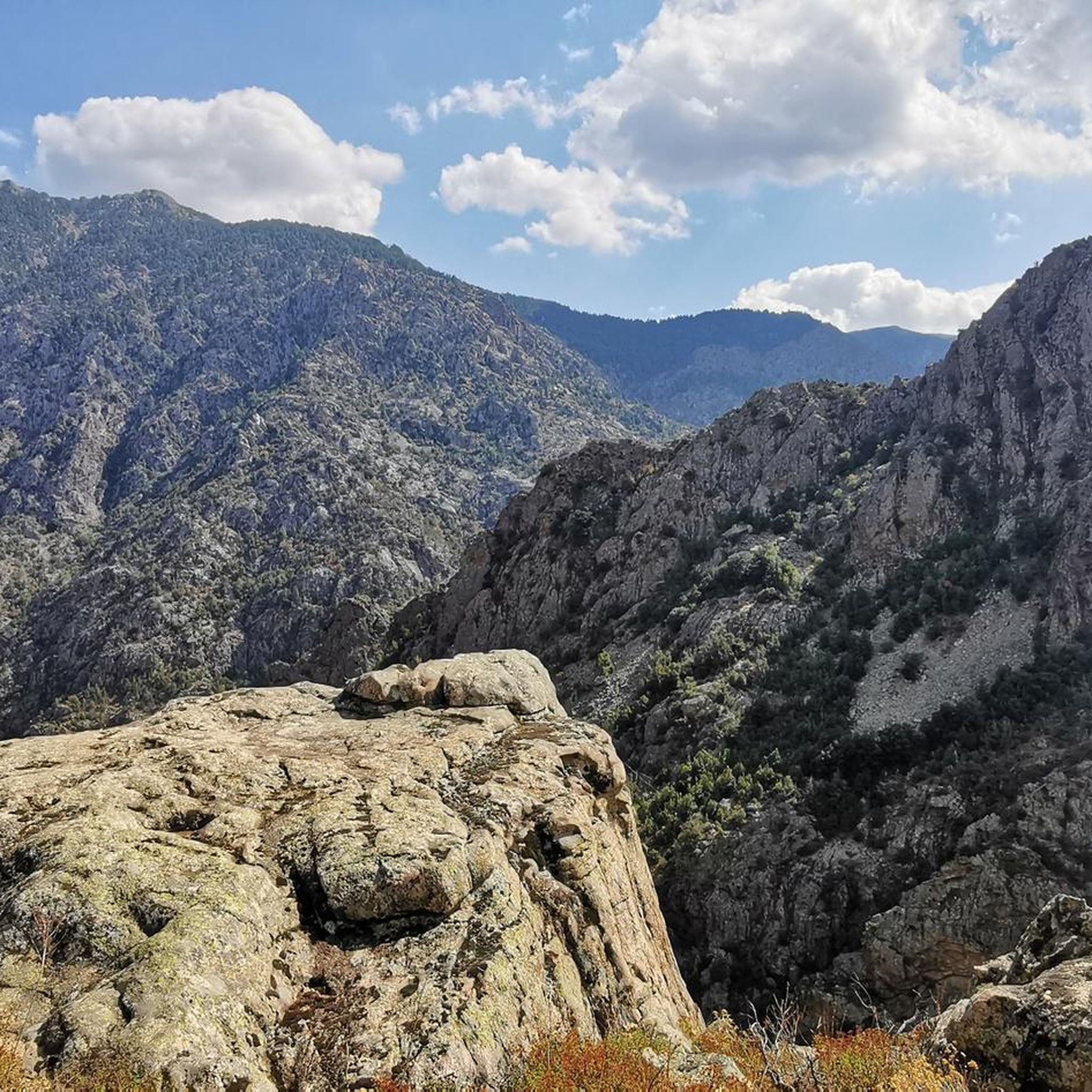
Mountain biking around Corscia offers a diverse range of terrain, from rugged mountainous interiors to varied coastlines and ancient forests. The island is characterized by steep mountains, deep gorges, and extensive scrubland, providing a challenging environment for mountain bikers. Trails wind through landscapes featuring granite formations, pine-covered slopes, and coastal paths, catering to different skill levels. This geographical diversity creates a dynamic setting for exploring on two wheels.
Best mountain bike trails around Corscia
- The most popular mountain bike trail…
Last updated: June 28, 2026
4.8
(8)
44
riders
45.6km
04:08
1,070m
1,070m
Hard mountain bike ride. Very good fitness required. Suitable for all skill levels.
4.7
(15)
103
riders
18.4km
01:21
420m
420m
Moderate mountain bike ride. Good fitness required. Suitable for all skill levels.

Sign up for free
4.2
(5)
32
riders
23.3km
02:05
630m
630m
Moderate mountain bike ride. Good fitness required. Advanced riding skills necessary.
4.5
(8)
31
riders
33.0km
03:20
1,060m
1,060m
Hard mountain bike ride. Very good fitness required. Advanced riding skills necessary. Some portions of the route may require you to push your bike.
5.0
(3)
24
riders
45.9km
03:27
960m
960m
Hard mountain bike ride. Very good fitness required. Suitable for all skill levels.
Get access to more routes and recommendations from other explorers.
Sign up for free
Already have an account?
Our route recommendations are based on thousands of hikes, rides, and runs completed by other people on komoot.
Start today with a free account
Your next adventure awaits.
Login or Signup
Tips from the Community


Beautiful route. Very quiet, only local traffic. Beautiful views. Fantastic descent after Bustanico with wide asphalt and gentle curves. 10 km of downhill riding at its finest.
0
0
Some places are quite challenging.
0
0

I would rate the trail as S1 but occasionally there are large stones
0
0

Corte is a city well worth seeing. The citadel towers above everything.
0
0

Architecturally unusual bridge to access the hiking trails on the other side of the Restonica
0
0

Downhill, mostly loose ground, marketed, a little more difficult to find on the flat. At the end of the downhill, go through the marked fence gate. Then it goes on an uphill trail to Corte.
0
0
Frequently Asked Questions
What types of terrain can I expect on mountain bike trails in Corsica?
Corsica offers an incredibly diverse range of terrain for mountain biking. You'll find everything from rugged, steep mountain paths with significant elevation changes in the interior, such as those around Monte Cinto and the Massif de Bavella, to coastal routes, forest paths, and technical singletracks. Expect granite formations, pine-covered slopes, and extensive scrubland (maquis). Regions like Balagne and Castagniccia offer extensive networks with varied surfaces.
Are there mountain bike trails suitable for advanced riders in Corsica?
Yes, Corsica is well-known for its challenging mountain biking. The island's steep mountains and rugged landscapes provide thrilling environments for experienced riders. For example, the Gnarled Tree Stump – Ponte Altu loop from Calacuccia is a difficult 28.3-mile route navigating rugged mountain terrain with significant elevation changes. Another challenging option is the Calacuccia – Calacuccia Dam loop from Lozzi, which features over 1,100 meters of elevation gain. Trails in the Niolu region and areas above Calvi and around L'Île-Rousse also offer technical descents and varied singletracks.
What are some easy or family-friendly mountain bike routes in Corsica?
While many trails are challenging, Corsica does offer options for easier rides. The Balagne region, often called 'the garden of Corsica,' has certified mountain biking routes for all skill levels, including easier options like the Muratu Loop. These trails often wind through vineyards and olive groves, providing a gentler experience. Look for routes classified as 'easy' in komoot, which typically have less elevation and smoother paths.
What natural features or landmarks can I see along mountain bike trails in Corsica?
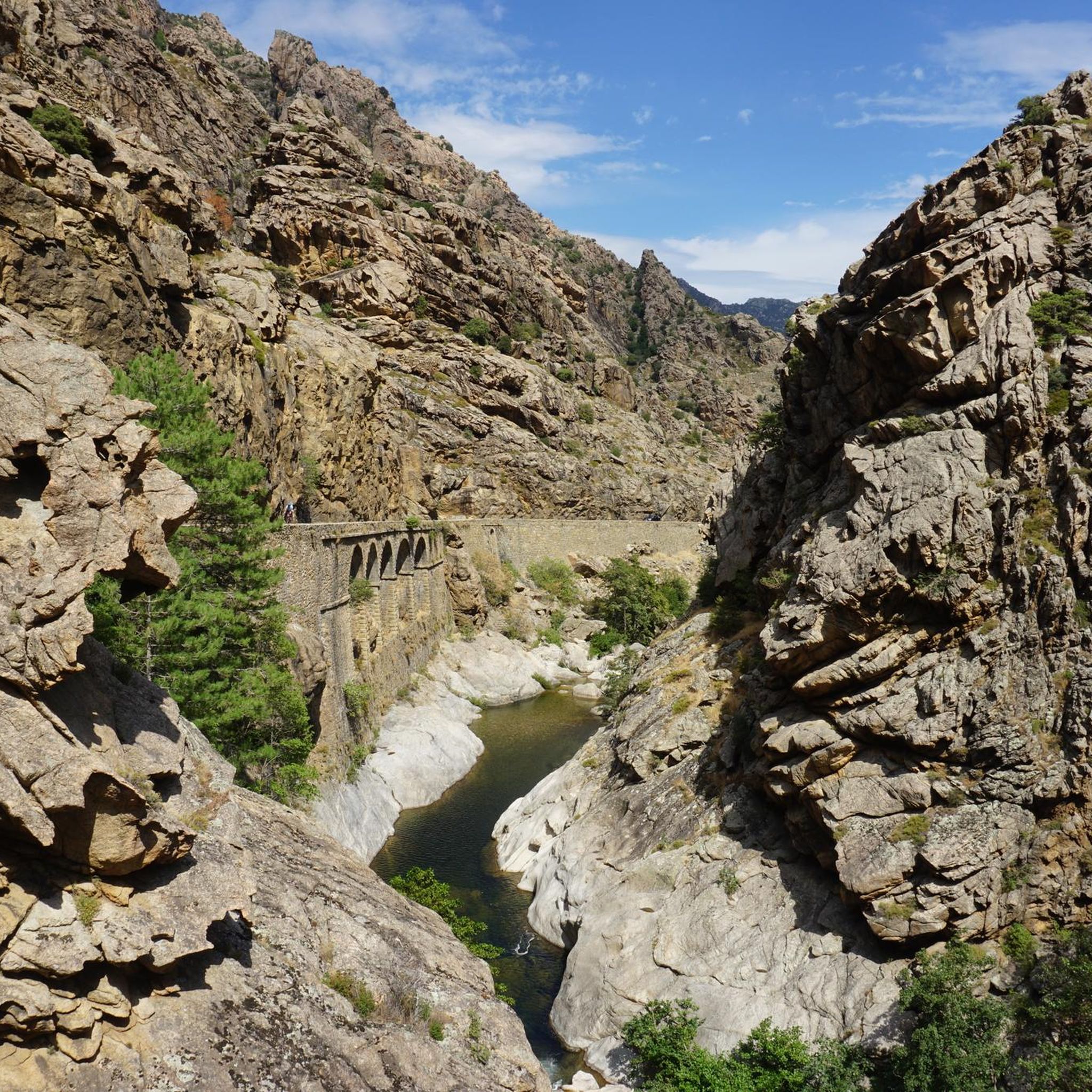
Corsica's trails often lead past stunning natural features and historical landmarks. You might encounter the dramatic granite gorges of the Restonica Valley, explored on routes like the Restonica Gorges – Ponte Restonica loop from Corte, which also passes natural pools. Other notable sights include the towering peaks of Monte Cinto, the Corte Citadel, and the Belvedere of Corte offering panoramic views. High-altitude lakes such as Lac d'Argento and Lake of Oriente are also accessible along some routes.
When is the best time of year for mountain biking in Corsica?
The best time for mountain biking in Corsica is generally spring (April to June) and autumn (September to October). During these periods, the weather is pleasantly mild, and the trails are in good condition. Summer can be very hot, especially in coastal areas, making mountain biking more challenging, though higher mountain trails might offer cooler temperatures. Winter can bring snow to the higher peaks, limiting access to some routes, but lower-altitude and coastal trails can still be ridden.
Are there any circular mountain bike routes in Corsica?
Yes, many mountain bike routes in Corsica are designed as loops, allowing you to start and finish in the same location. Examples include the Gnarled Tree Stump – Ponte Altu loop from Calacuccia, the Restonica Gorges – Ponte Restonica loop from Corte, and the Fresh water – Memorial to Pasquale de Paoli loop from Corte. These circular routes offer convenient starting points and varied scenery without needing a shuttle.
What do other mountain bikers enjoy most about mountain biking in Corsica?
The area is highly rated by the komoot community, with an average score of 4.5 stars from over 80 reviews. Reviewers often praise the island's incredible geographical diversity, from rugged mountains to stunning coastlines, and the challenging yet rewarding nature of the trails. The opportunity to explore ancient forests, deep gorges, and historical landmarks while riding is also frequently highlighted.
Are there cafes or places to eat near mountain bike trails in Corsica?
Yes, especially in and around towns like Corte or Calacuccia, you'll find places to refuel. For example, the A Mazzola Snack at Lake Sidossi is a specific cafe highlight that could be a good stop on a ride. Certified mountain biking sites often provide welcome points with information and facilities, and many villages along popular routes will have local eateries.
Can I rent mountain bikes in Corsica?
Yes, bike rentals, including electric mountain bikes, are widely available across Corsica, particularly in popular tourist areas and towns. This makes it convenient for visitors who don't bring their own bikes to explore the island's trails. Certified mountain biking sites also often have rental services or can direct you to nearby providers.
Are there any specific regulations or permits needed for mountain biking in Corsica, especially in protected areas?
While general mountain biking on public trails typically doesn't require specific permits, it's always wise to be aware of local regulations, especially when riding in protected areas like national parks or nature reserves (e.g., Scandola Nature Reserve, though primarily coastal). Always stick to marked trails, respect private property, and be mindful of environmental protection rules. Certified mountain biking sites usually provide detailed information on local guidelines.
Are there mountain bike trails in Corsica with great panoramic views?
Absolutely. Corsica's mountainous and coastal landscapes offer numerous trails with breathtaking panoramic views. The Col Sant'Antone – Trail mit grandiosem Ausblick loop from Corte is specifically highlighted for its magnificent vistas. The Balcons de l'Ostriconi trail in Balagne also provides superb panoramic views of the Agriate desert, Cap Corse, and the mountains. Many high-altitude routes will reward you with expansive views of the island's diverse scenery, from rugged peaks to the turquoise sea.
How many mountain bike trails are available around Corsica?
There are over 35 mountain bike trails available around Corsica on komoot. These routes cater to various skill levels, with 4 easy, 20 moderate, and 11 difficult options, ensuring there's a trail for almost every rider.
Most popular attractions around Corscia

Get inspired with the komoot mobile app


Explore more
Browse the best MTB trails in other regions.
