Top 7 Mountain Passes around Fuilla
Best mountain passes around Fuilla are situated within the Rotja valley in the Pyrénées-Orientales department, offering access to the broader Canigou massif. The region is characterized by its mountainous terrain and Mediterranean vegetation, providing varied landscapes for exploration. While the commune itself is small, nearby passes serve as gateways to extensive hiking networks. These natural landmarks offer opportunities to experience the Pyrenean environment.
Best mountain passes around Fuilla
- The most popular mountain passes is Jou Pass, a mountain pass…
Last updated: June 26, 2026
Jou Pass
Highlight • Mountain Pass
Translated by Google •
Tip by

Mantet Pass
Highlight • Mountain Pass
Translated by Google •
Tip by

Sign up now to discover places like this
Get recommendations on the best single tracks, peaks, & plenty of other exciting outdoor places.
Sign up for free
Pla Guillem
Highlight • Viewpoint
Translated by Google •
Tip by

Voltes Pass
Highlight • Mountain Pass
Translated by Google •
Tip by

Collade de la Roquette
Highlight • Mountain Pass
Translated by Google •
Tip by
Sign up for free to discover even more mountain passes around Fuilla.
Sign up for free
Already have an account?
Start today with a free account
Your next adventure awaits.
Login or Signup
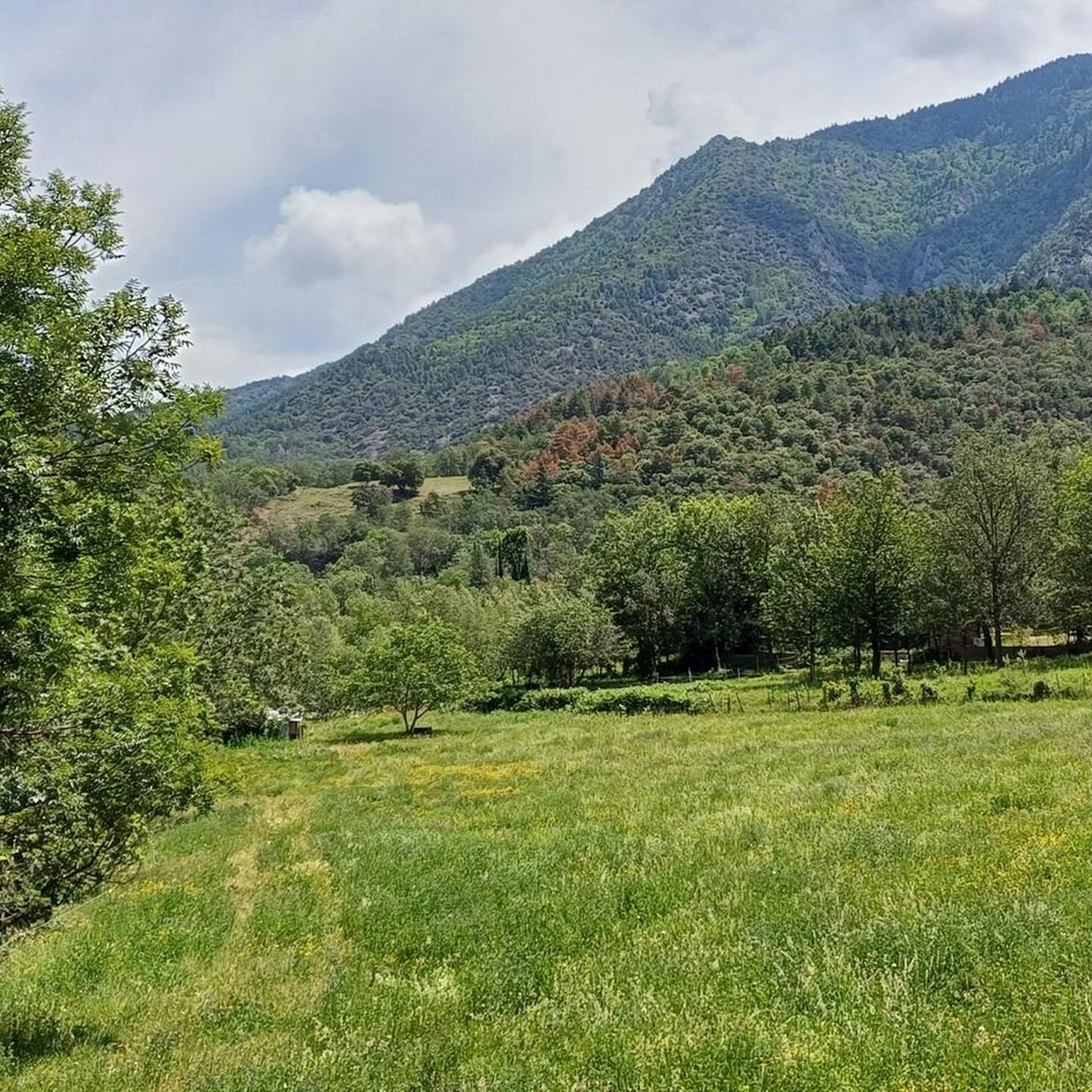

Tips from the Community

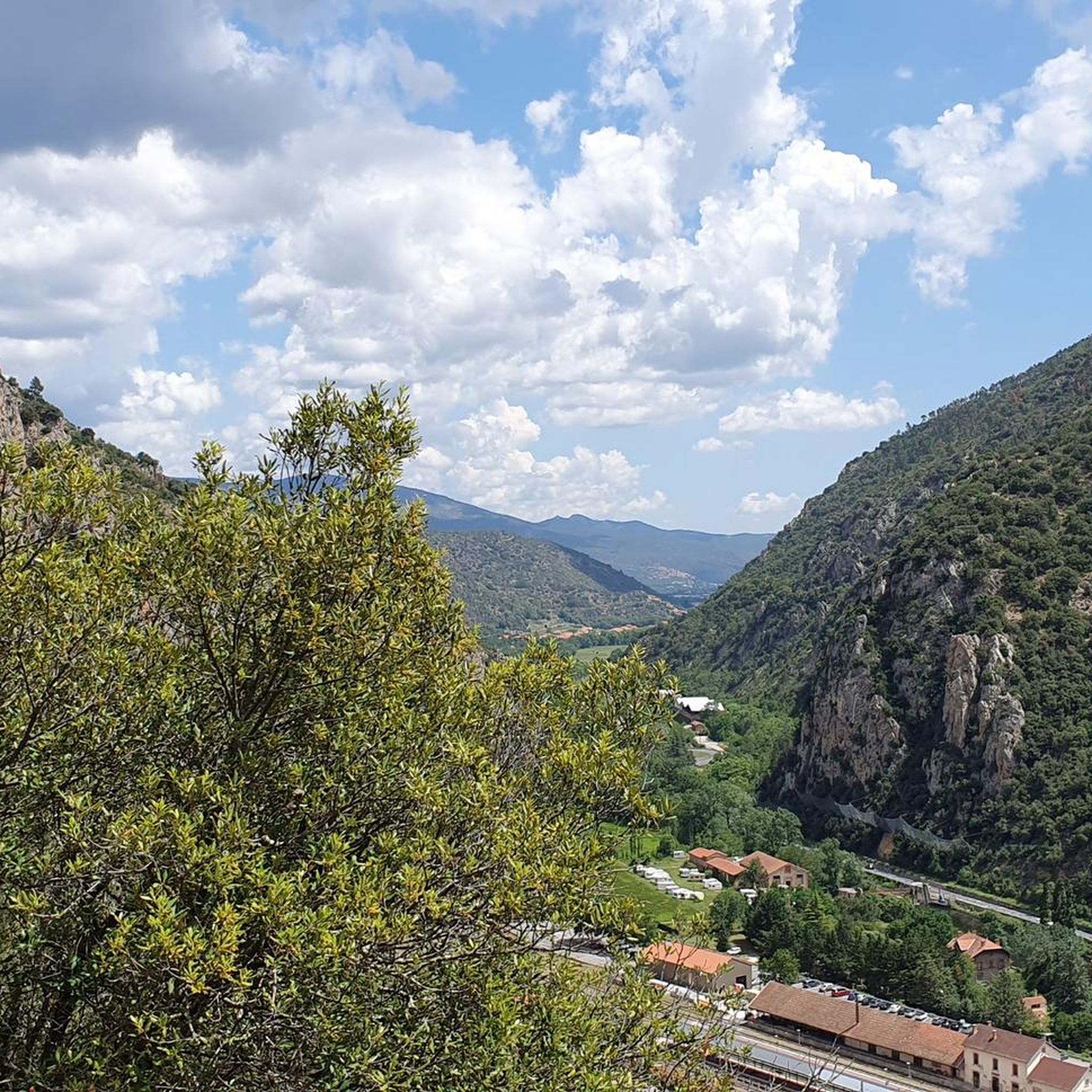
The Col de Jou from Villefranche de Conflent is a climb in the French Pyrenees. This climb is 11.4 kilometers long and has a positive elevation gain of 687 meters. The Col de Jou from Villefranche de Conflent has an average gradient of 6%.
15
0

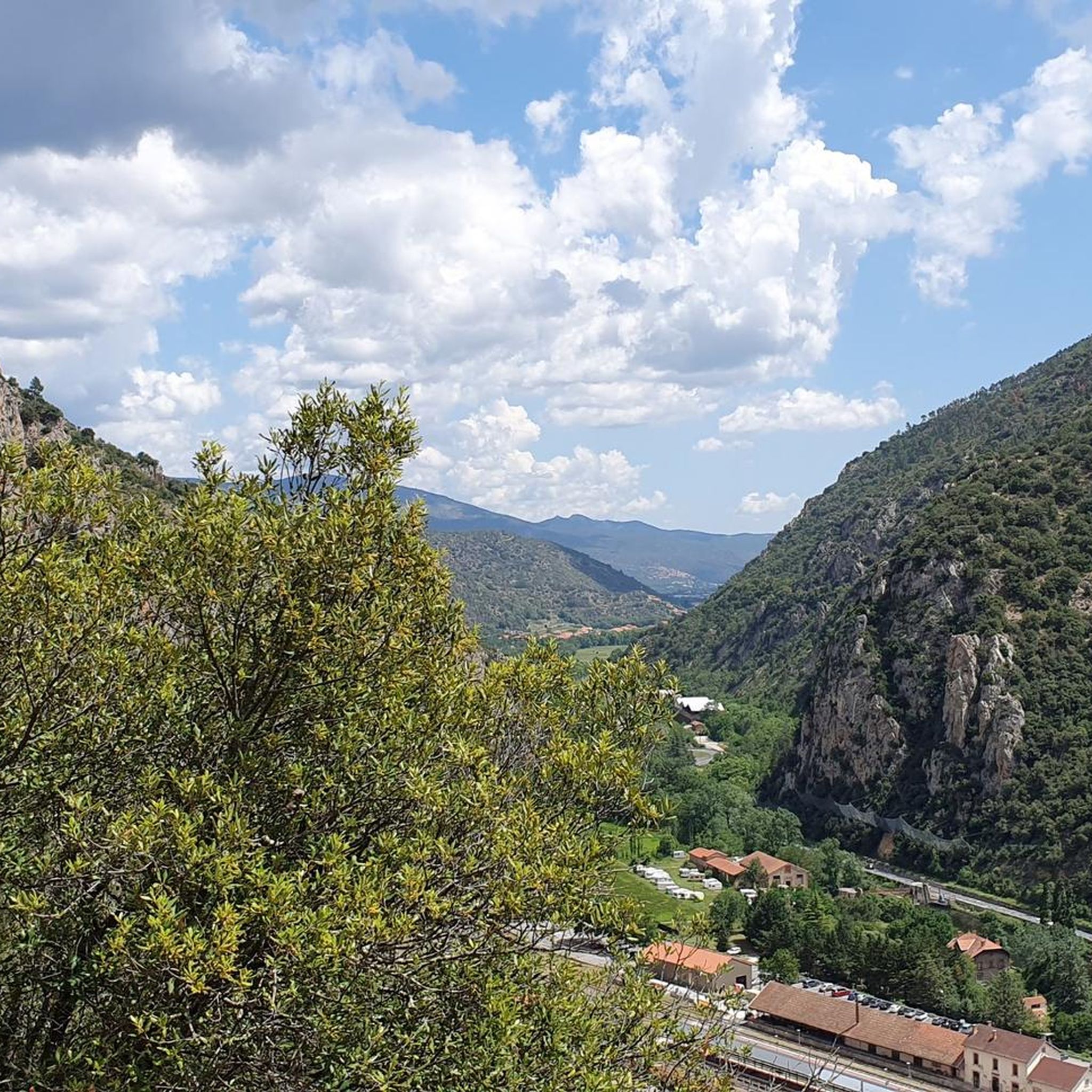
A fairly difficult hike all the same for an occasional hiker because of the very rough ground and many steps. We tend to believe that we are marking time on the spot. Hiking equipment and water are essential. The descent is just as challenging. 960m of D+ Constant. Breathtaking viewpoint
0
0

Col des Voltes From here it is another 3 km to the refuge des Cortalets
1
0

Return to the road going down (rocky then forest track) from the Col des Roques Blanches.
2
0

The Col de Jou peaks at an altitude of 1,125 meters. It is a well-known rallying point for local hikers. Indeed, the GR 10 passes through there, and it is the starting point for many hikes including the one that connects Canigou peak.
1
0

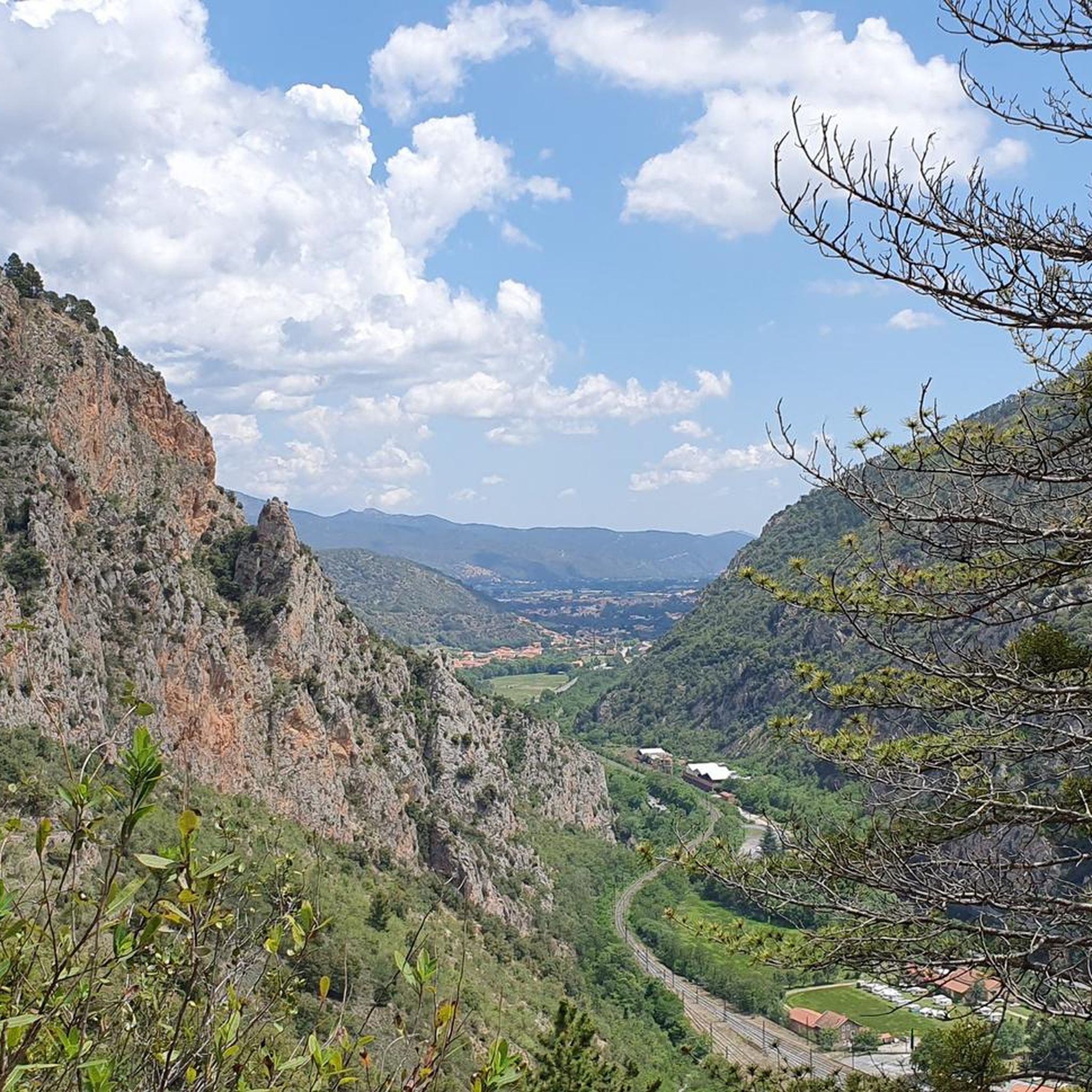
High point between Conflent and Vallespir. Magnificent view that deserves. Possible to descend by the GR or by the 4x4 path towards Prats de Mollo.
1
0

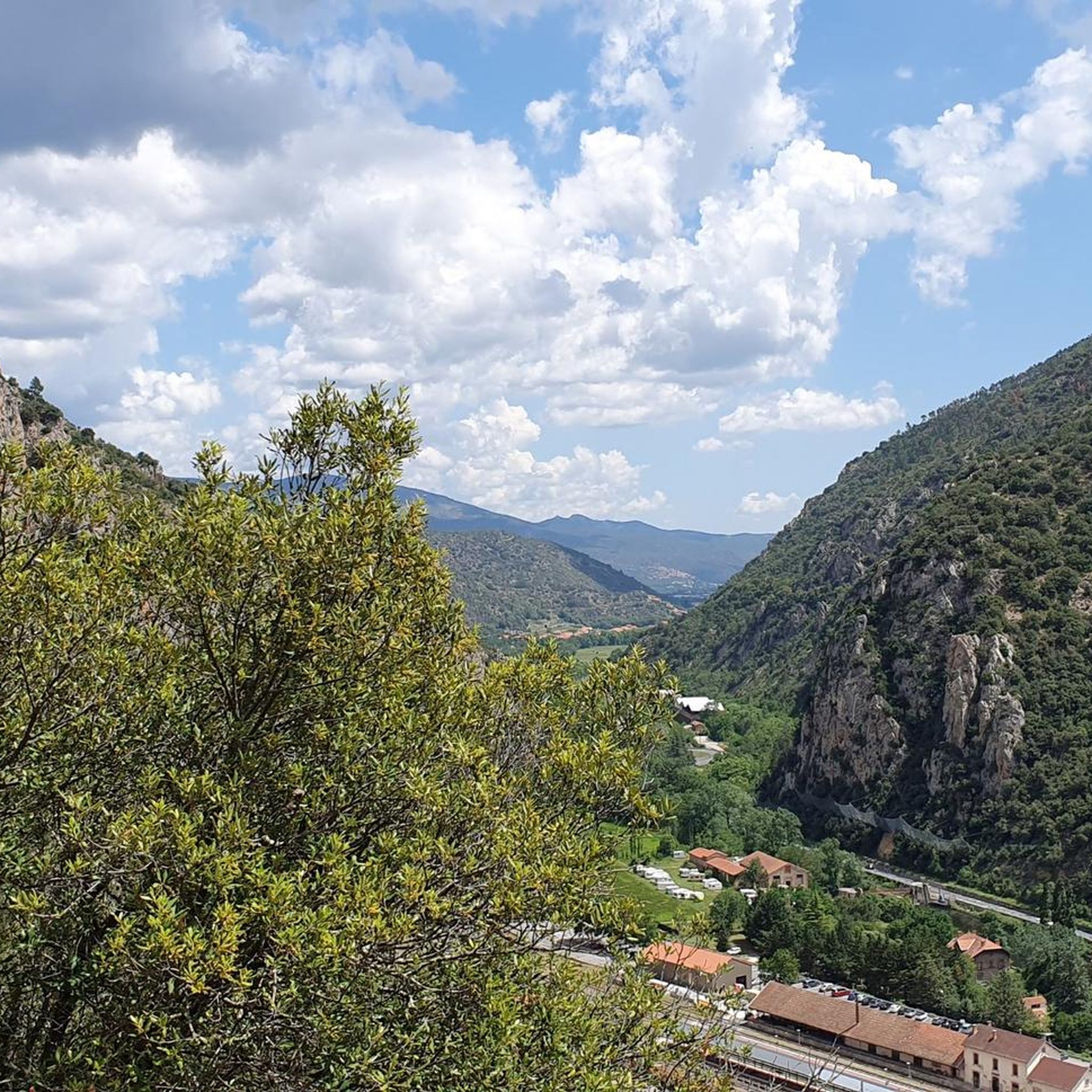
Pla Guillem is 2,290 meters above sea level. It is located on the Canigou tour between the Miriailles refuge and the village of Prats-de-Mollo-la-Prest. There is also a path that leads to a beautiful ridge made up of peaks around 2,700 meters above sea level.
0
0
Pla Guillem is located at an altitude of 2,290 meters. It is located on the Canigou tour between the Miriailles refuge and the village of Prats-de-Mollo-la-Preste. There is also a path that leads to a beautiful ridge made up of peaks around 2,700 meters above sea level.
1
0
Frequently Asked Questions
What are some notable mountain passes around Fuilla?
Beyond the well-known passes, you can explore Collade de la Roquette, which culminates at 2,080 meters and offers beautiful panoramas of the valleys. Another option is Col de Segalès, a saddle-shaped pass that provides routes down to the Conflent region or allows you to continue around the Canigou massif.
What kind of natural features can I expect to see on mountain passes near Fuilla?
The mountain passes around Fuilla are nestled within the Rotja valley and offer access to the broader Canigou massif. You'll encounter diverse landscapes ranging from Mediterranean vegetation at lower altitudes to dramatic high-mountain scenery with peaks around 2,700 meters, especially near areas like Pla Guillem. The region is characterized by its mountainous terrain and offers extensive views of the Pyrenees.
Are there historical or cultural points of interest near the mountain passes?
While the passes themselves are natural features, the surrounding area, particularly the 'Water and iron trail in Fuilla' (Chemin de l'eau et du fer à Fuilla), hints at the region's past industrial activities, likely linked to mining and water management. The iconic Mont Canigou, accessible from some passes, is also a significant symbol of Catalonia with cultural importance.
What activities can I do on or near the mountain passes around Fuilla?
The mountain passes serve as excellent starting points for various outdoor activities. You can enjoy extensive hiking, including routes that lead to higher peaks like Canigou. The area also offers opportunities for gravel biking, mountain biking, and road cycling. For specific routes, you can explore guides such as Gravel biking around Fuilla, MTB Trails around Fuilla, and Road Cycling Routes around Fuilla.
Are the mountain passes around Fuilla suitable for families or children?
Some passes and associated trails are more challenging, but there are also easier walks around Fuilla. For family-friendly options, it's best to research specific trails, as difficulty can vary greatly. Look for routes with moderate elevation gain and shorter distances, which are often found at lower altitudes or within designated walking paths like the 'Water and iron trail'.
Can I bring my dog on trails around Fuilla's mountain passes?
Generally, dogs are permitted on many hiking trails in the Pyrenees, but specific rules can apply, especially within protected areas or national parks. It's always advisable to keep dogs on a leash and ensure you clean up after them. Check local regulations for any specific restrictions on the trails you plan to visit.
What is the best time of year to visit the mountain passes near Fuilla?
The best time to visit is typically from late spring to early autumn (May to October) when the weather is milder and trails are generally free of snow. Summer offers warm temperatures, while spring and autumn provide pleasant conditions with vibrant flora or colorful foliage. In winter, higher passes may be inaccessible due to snow and require specialized equipment like snowshoes or skis.
How difficult are the hiking trails associated with Fuilla's mountain passes?
The difficulty varies significantly. Passes like Jou Pass offer intermediate to challenging climbs, with routes like the one from Villefranche de Conflent having an average gradient of 6% over 11.4 km. High-altitude passes like Voltes Pass (1,838m) can involve very rough ground and many steps, making them challenging for occasional hikers. Always check the specific trail details and be prepared with appropriate equipment and water.
Where can I find parking when visiting mountain passes near Fuilla?
Parking availability can vary by trailhead. For popular starting points like those leading to Jou Pass, there are often designated parking areas. In smaller villages like Fuilla, you might find public parking spaces. It's recommended to check specific trail information or local village maps for parking facilities before your visit.
Are there public transport options to reach the trailheads for Fuilla's mountain passes?
Public transport options directly to high-altitude mountain pass trailheads can be limited in this rural region. However, you might find bus services connecting larger towns to villages like Fuilla or nearby Vernet-les-Bains. From these villages, some trailheads might be accessible on foot or via local taxi services. Planning ahead is crucial if relying on public transport.
Do I need any permits for hiking the mountain passes in the Fuilla area?
Generally, permits are not required for hiking most mountain passes and trails in the Fuilla area, especially on established routes. However, if you plan to enter specific protected natural reserves or engage in activities like overnight stays in mountain huts, there might be regulations or fees. Always check with local tourist information centers or park authorities for the most current requirements.
What views can I expect from the mountain passes around Fuilla?
The mountain passes offer breathtaking views of the Pyrenean landscape. From passes like Pla Guillem (2,290m), you can expect dramatic mountain scenery and panoramic vistas of the surrounding peaks. Lower passes, such as the Col ou Coll de Vernet (784m), provide scenic views of the Rotja valley and Mediterranean vegetation.
Are there any amenities like cafes or restaurants near the mountain passes?
Directly at the mountain passes, amenities like cafes or restaurants are rare. However, you will find options in nearby villages such as Fuilla, Vernet-les-Bains, or Villefranche-de-Conflent. Some longer routes, especially those leading to the Canigou massif, may have mountain huts (refuges) like the Refuge des Cortalets, which offer basic accommodation and sometimes food services.
What makes the mountain passes around Fuilla unique compared to other Pyrenees trails?
The mountain passes around Fuilla offer a unique blend of accessibility to the iconic Canigou massif and insights into the region's history, as seen on trails like the 'Water and iron trail'. They provide a diverse range of experiences, from moderate climbs integrated into scenic village walks to high-altitude routes leading to prominent peaks, all within a region rich in Catalan culture and natural beauty.
Most popular attractions around Fuilla

Get inspired with the komoot mobile app


Explore more
See even more epic mountain passes by checking out these guides around Fuilla:
