Attractions and Places To See around Cersot - Top 20
Attractions and places to see around Cersot, a small commune in the Saône-et-Loire department of Bourgogne-Franche-Comté, offer a range of historical and natural points of interest. The region serves as a base for exploring various landmarks, cultural sites, and natural features within a reasonable distance. Visitors can find historical settlements, religious monuments, and scenic viewpoints. The area provides diverse options for exploration.
Best attractions and places to see around Cersot
- The most popular attractions is Saint-Gengoux-le-National, a settlement that…
Last updated: June 22, 2026
Saint-Gengoux-le-National
Highlight • Settlement
Translated by Google •
Tip by

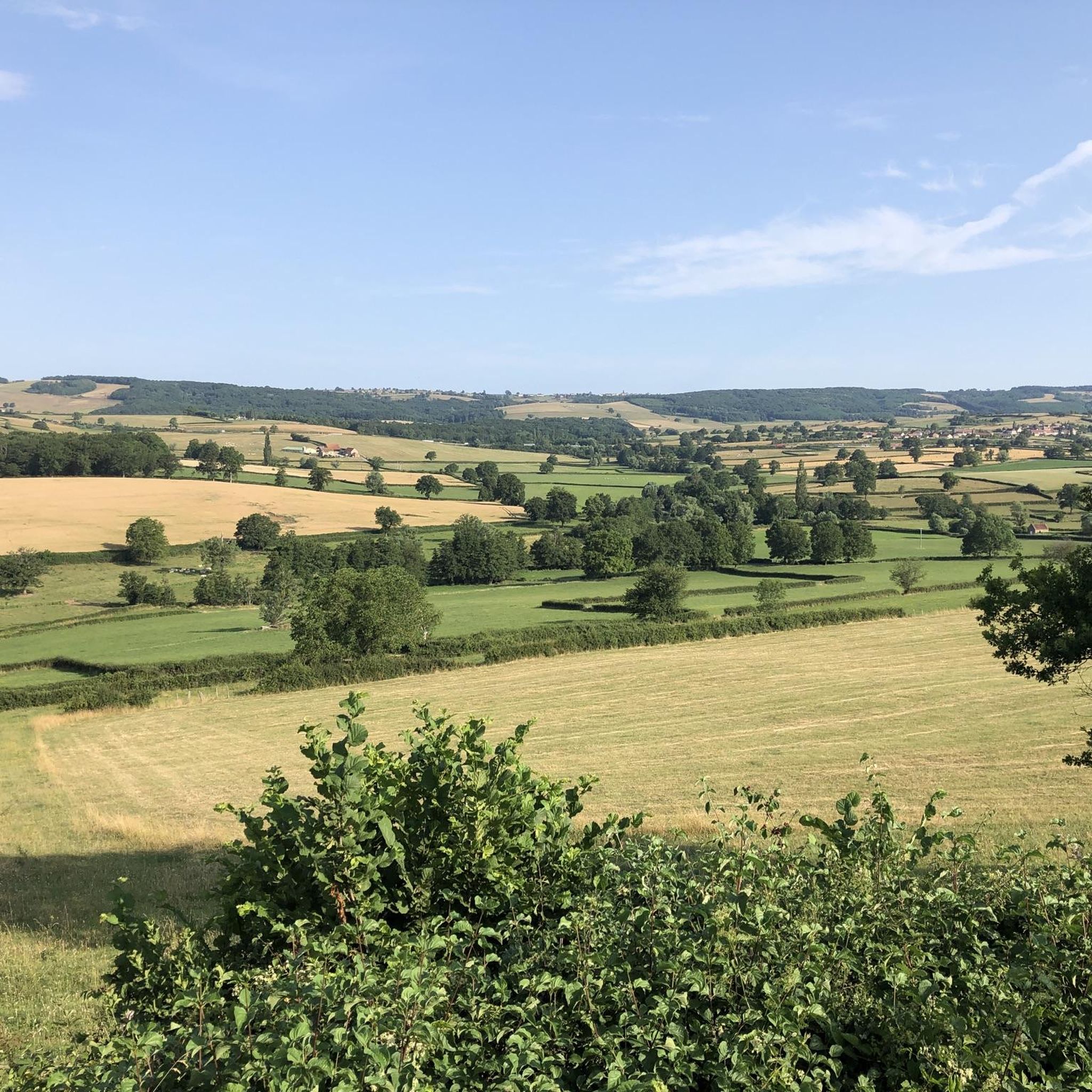
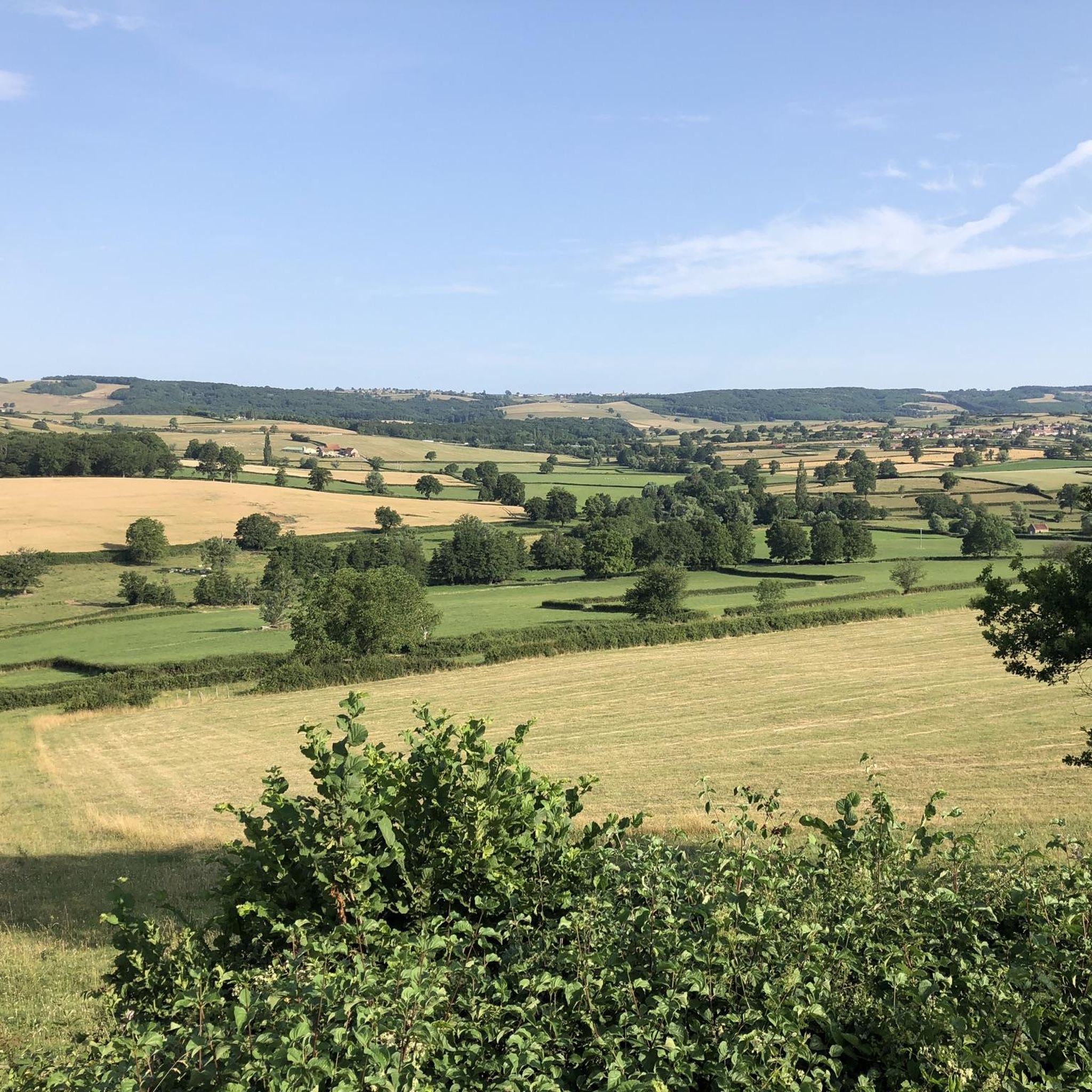
View of Saint-Denis-de-Vaux
Highlight • Other
Translated by Google •
Tip by

Sign up now to discover places like this
Get recommendations on the best single tracks, peaks, & plenty of other exciting outdoor places.
Sign up for free
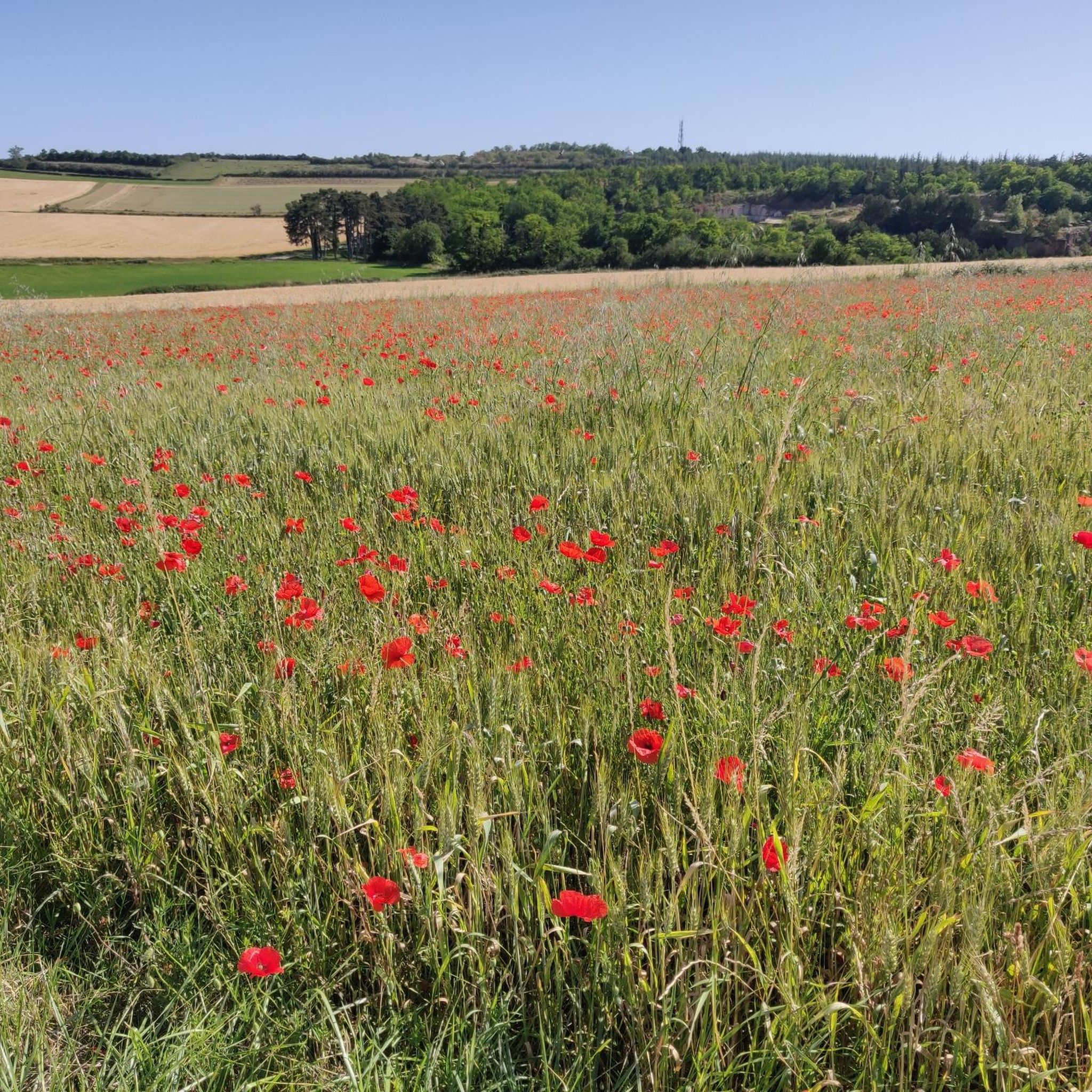
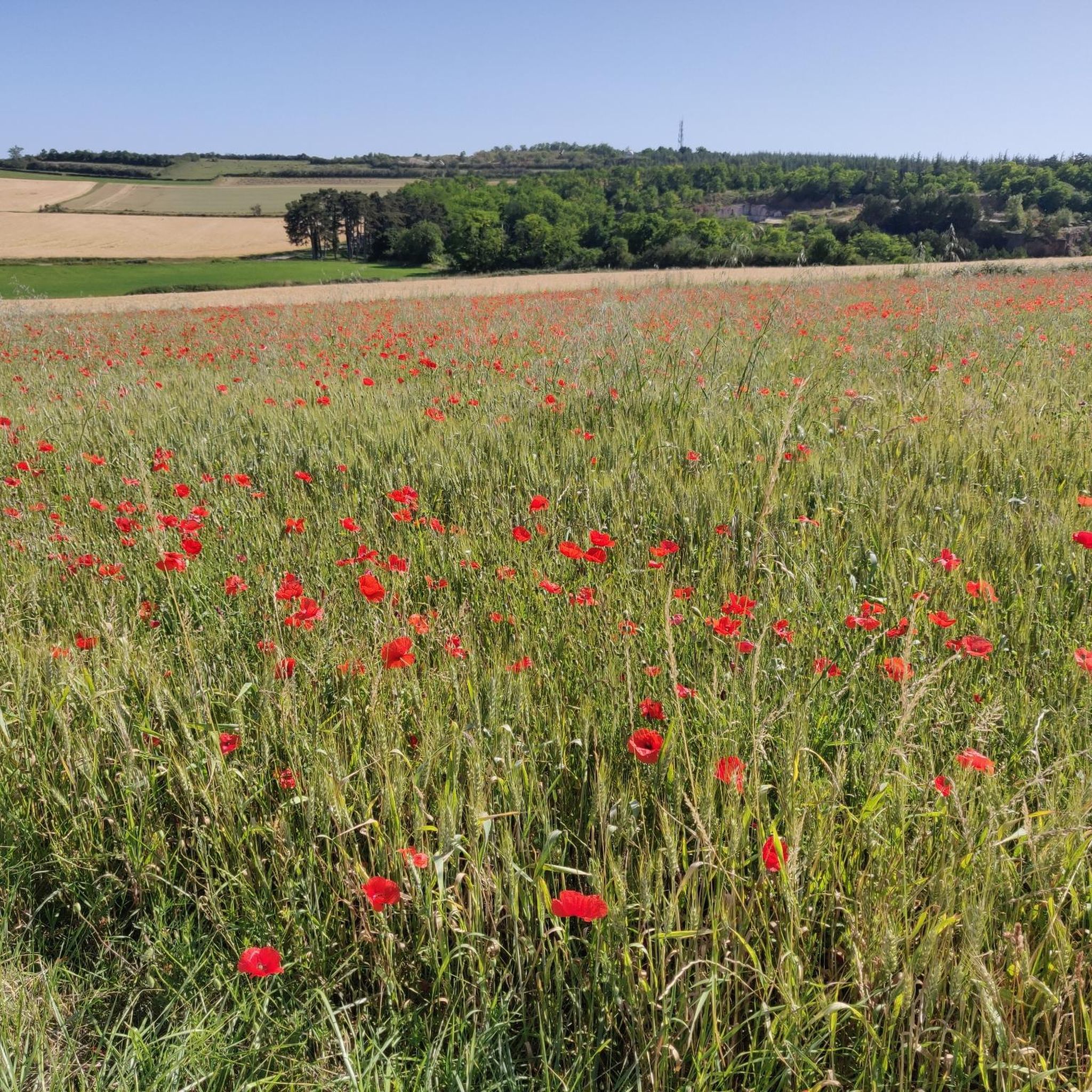
Voie Verte Chalon–Mâcon
Highlight (Segment) • Cycleway
Translated by Google •
Tip by

Crainseny Viaduct
Highlight • Bridge
Translated by Google •
Tip by

Accessible Drinking Water Fountain
Highlight • Rest Area
Translated by Google •
Tip by

Sign up for free to discover even more attractions around Cersot.
Sign up for free
Already have an account?
Start today with a free account
Your next adventure awaits.
Login or Signup

Tips from the Community

The completely car-free "Green Way" leads over around 70 kilometers from Chalon-sur-Saône to Mâcon. The path winds through picturesque vineyards (Côte Chalonnaise), past medieval villages like Saint-Gengoux-le-National, historic castles, and Romanesque architecture. On the route, you will pass the historic town of Cluny with its famous, thousand-year-old abbey. Near Cluny, you will cross the longest tunnel in Europe open to cyclists, at 1.6 km (note the winter closure for bat protection). Together with the parallel river route Voie Bleue along the Saône, the route can be combined into a fantastic 145 km circular tour (Grande Boucle de Bourgogne du Sud).
0
0
The Crainseny Viaduct (French: Viaduc de Crainseny) is a historic railway bridge in the south of the Côte Chalonnaise region. The viaduct was built in 1882. It has a total length of 246 meters, spans the valley at a height of around 23 meters, and features a distinctive curve with a radius of 400 meters. The masonry bridge consists of 16 elegant round arches, each with a span of 12 meters. Originally, the railway ran here on the Étiveau-Montchanin line, connecting the towns of Saint-Gengoux-le-National and Montchanin. Train services were discontinued in 1969.
0
0

A very beautiful piece of work, a testament to the local railway era.
1
0

This spot is interesting not only for the view that can be enjoyed. For here, the hiker or walker encounters not just a simple wayside cross, but a complete crucifixion group has been erected in this exposed location: the white body of the crucified Christ stands out clearly against the brown tone of the crossbeams. In front of it, three other figures surround the incarnate Son of God. Both the cross and these figures stand individually on a rocky pedestal, probably made of granite. According to the biblical accounts of the execution of Jesus of Nazareth, the viewer can recognize Mary, the mother of Jesus, and the beloved disciple John, who, according to the gospel text, persevered beneath the cross. Directly opposite the cross is the third figure, depicted kneeling.
2
0

Superb little town, all shops and services.
2
0

Saint-Gengoux-le-National owes its medieval town to the dual supervision exercised by the Abbey of Cluny and by King Louis VII from the 12th century. Walking through the streets of this city is a real pleasure, it has managed to preserve its urban, architectural and landscape heritage.
3
0

The Crainseny viaduct, 246 m long, with a curve radius of 400 m, 16 arches and an opening of 12 m, is undoubtedly the most imposing structure on the South Chalonnaise Coast. The old railway line crossed it and the viaduct linked St-Gengoux to Montchanin crossing the Crainseny valley until 1969. Built in 1882, its height is approximately 23 m.
2
0

Railway cycle path with beautiful accompanying forest, only steeper gradients at intersections. Circulation barriers at intersections are easy to drive through, even with trailers.
1
0
Frequently Asked Questions
What historical settlements can I explore near Cersot?
You can visit Saint-Gengoux-le-National, a village known for its medieval streets, half-timbered houses, and Renaissance residences, with a church blending Gothic and Romanesque architecture. Another notable historical settlement is Jambles, which has ties to Cluny Abbey since the 9th century and features a fountain near a cross in its center.
Are there significant religious monuments to visit in the Cersot area?
Yes, the region is rich in historical religious sites. You can find the Eglise de Saint Vincent in Mont-Saint-Vincent, the Abbatiale Eglise de Saint Philibert in Tournus, and the significant Abbaye de Cluny. Further afield, the impressive Cathédrale Saint Lazare in Autun and the renowned Hospices de Beaune are also accessible.
What natural features and scenic spots are there around Cersot?
The area offers several natural attractions. The Cirque du Bout du Monde is a beautiful natural amphitheater. You can also visit the Confluence - la Seille and Saône for scenic river views. For panoramic vistas, consider the View of Saint-Denis-de-Vaux, which features a unique crucifixion group, or the Statue of Mary, offering fantastic views of the Saône valley.
What industrial heritage sites can I visit near Cersot?
Near Cersot, you can explore the Château de la Verrerie in Le Creusot, a former royal crystal glassworks now a residence, offering insights into local industrial history. Also in Le Creusot, the Mining Museum at the Saint-Claude mine provides an immersive experience into the evolution of coal mining techniques.
Are there family-friendly activities or attractions in the Cersot region?
Yes, several attractions are suitable for families. The historical settlements of Saint-Gengoux-le-National and Jambles are tagged as family-friendly, offering interesting historical exploration. Additionally, bike rides along the central canal are an accessible activity for all ages, with e-bike rentals available.
Where can I find local markets near Cersot?
To experience local culture, you can visit several nearby markets. Givry hosts a market on Thursdays, Montchanin on Wednesdays, and Le Creusot on Tuesdays, Thursdays, and Saturdays. Chalon-sur-Saône has markets on Wednesdays, Thursdays, Sundays, and Fridays, while Cluny's market is on Saturdays.
Are there hiking trails around Cersot?
Yes, there are numerous hiking opportunities. You can find a variety of routes, including an easy 5 km loop from Montagny-lès-Buxy, or more moderate trails like the 11 km 'Panoramic rest area – Statue of Mary loop from Savianges'. For more options, explore the dedicated guide to Hiking around Cersot.
What are the options for cycling or mountain biking near Cersot?
The region offers excellent routes for both cycling and mountain biking. You can enjoy scenic bike rides along the central canal, with e-bike rentals available. For mountain biking enthusiasts, there are challenging routes like the 'Fley – Saint-Gengoux-le-National loop from Buxy' (49.7 km) or the 'Vallée de Russilly – Moroges Church loop from Moroges' (23.6 km). More routes can be found in the MTB Trails around Cersot guide.
Are there any accessible facilities for visitors with mobility needs?
Yes, the area includes some accessible facilities. For instance, there is an Accessible Drinking Water Fountain that is wheelchair-friendly, providing a convenient stop for all visitors.
What parks and gardens can I visit in the vicinity of Cersot?
Several châteaux in the area feature beautiful parks and gardens. You can explore the Parc et jardins du château de Sully, the Jardin du château de Digoine, and Les Jardins du château de Drée. Other options include the Jardin du château de Chaumont and Les jardins Romans de Varenne-l'Arconce.
What do visitors enjoy most about the attractions around Cersot?
Visitors particularly appreciate the authentic charm of historical villages like Saint-Gengoux-le-National, where time seems to stand still amidst medieval streets and Renaissance architecture. The scenic viewpoints, such as the Statue of Mary, are also highly rated for their fantastic views of the Saône valley, often accompanied by picnic spots for a relaxing break.
Are there running trails available near Cersot?
Yes, there are various running trails for different fitness levels. You can find moderate loops like the 'Bois de Rheune loop from Buxy' (6.2 km) or the 'Running loop from Montagny-lès-Buxy' (11.5 km). For more challenging runs, consider the 'Mont Brogny loop from Bissey-sous-Cruchaud' (14.6 km). More detailed routes are available in the Running Trails around Cersot guide.

Get inspired with the komoot mobile app


Explore more
Still not found the Highlight you’re looking for? See guides of the top attractions in other regions:
