The best walks and hikes around Saint-André-De-Valborgne
4.5
(1011)
6,422
hikers
210
hikes
Hiking around Saint-André-De-Valborgne offers exploration within the Cévennes mountains, characterized by a blend of mountain ridges and the fertile Borgne Valley, where the Gardon river flows. The region features diverse geological formations, including limestone plateaus, schist, and granite, creating varied terrain. Trails often pass through wooded sections with chestnut groves, beech, and ash trees. This natural environment provides a range of hiking experiences, from riverside paths to mountain ascents.
Best hiking trails around Saint-André-De-Valborgne
- The most popular hiking route is…
Last updated: August 17, 2026
5.0
(5)
19
hikers
11.9km
03:51
510m
510m
Moderate hike. Good fitness required. Easily-accessible paths. Suitable for all skill levels.
4.8
(5)
52
hikers
11.4km
03:58
550m
550m
Hard hike. Good fitness required. Sure-footedness, sturdy shoes and alpine experience required.

Sign up for free
4.5
(4)
33
hikers
9.83km
03:07
380m
380m
Moderate hike. Good fitness required. Easily-accessible paths. Suitable for all skill levels.
4.0
(2)
15
hikers
11.8km
03:51
530m
530m
Moderate hike. Good fitness required. Easily-accessible paths. Suitable for all skill levels.
3.6
(5)
17
hikers
12.6km
03:51
440m
440m
Moderate hike. Good fitness required. Easily-accessible paths. Suitable for all skill levels.
Get access to more routes and recommendations from other explorers.
Sign up for free
Already have an account?
Our route recommendations are based on thousands of hikes, rides, and runs completed by other people on komoot.
Start today with a free account
Your next adventure awaits.
Login or Signup

Tips from the Community

This small sacred monument, too, is a symbol of remembrance of the crucifixion and resurrection of Jesus Christ. However, its design is very unique and unlike the usual crosses that often crown mountain peaks. At the end of the triangular base plate, a small wall appears to have been built, its sides terminating in the shape of a stepped gable. In the center is a V-shaped cutout, the ends of which extend significantly beyond the height of the small wall. From this V emerges the longitudinal beam of the cross, which, however, has two crossbeams. This double crossbeam, as well as the lack of a corpus, is typical of the so-called "Lorraine Cross."
3
0


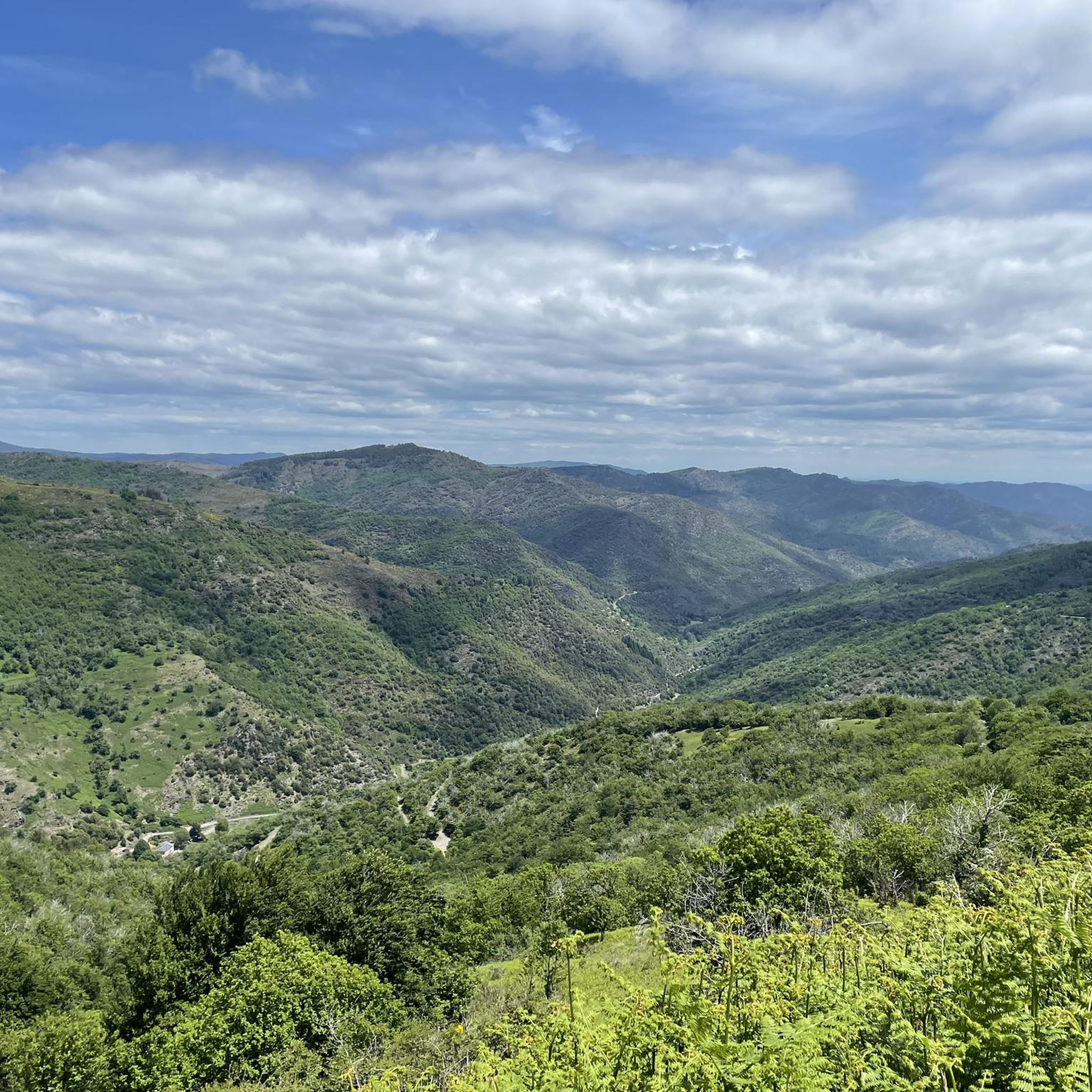
One of the passes on the Corniche des Cévennes - unfortunately the viewpoints up here are overgrown so that the views are no longer ideal...
0
0
Memorial to the German and French dead from World War II
0
0

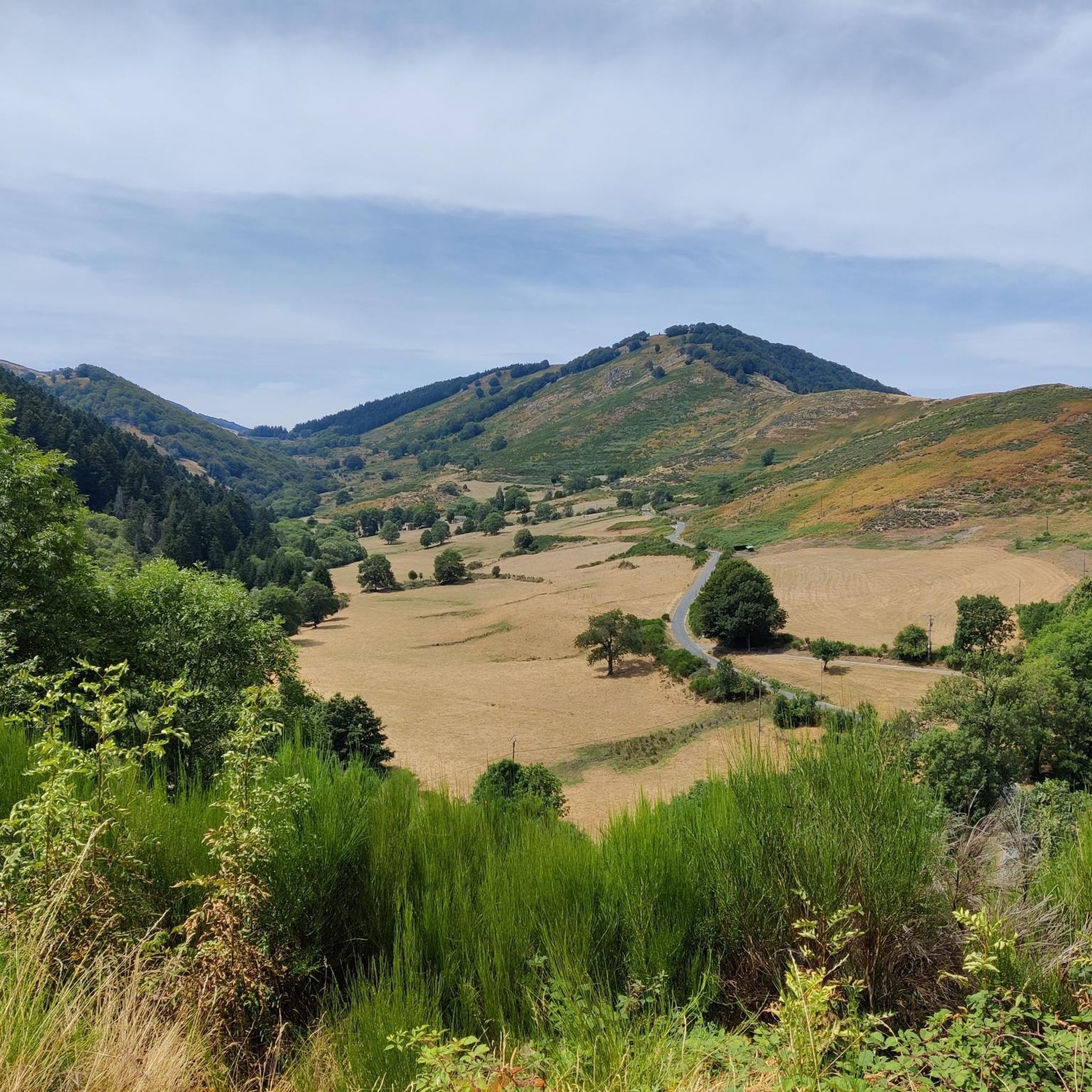
Le Coulet is a stunning view-point on the way up to Mont Aigoual, with that offers panoramic views the region's southern peaks. Well worth a stop. Under clear skies, the vista is extensive, but be mindful that the weather up here can change rapidly.
1
0

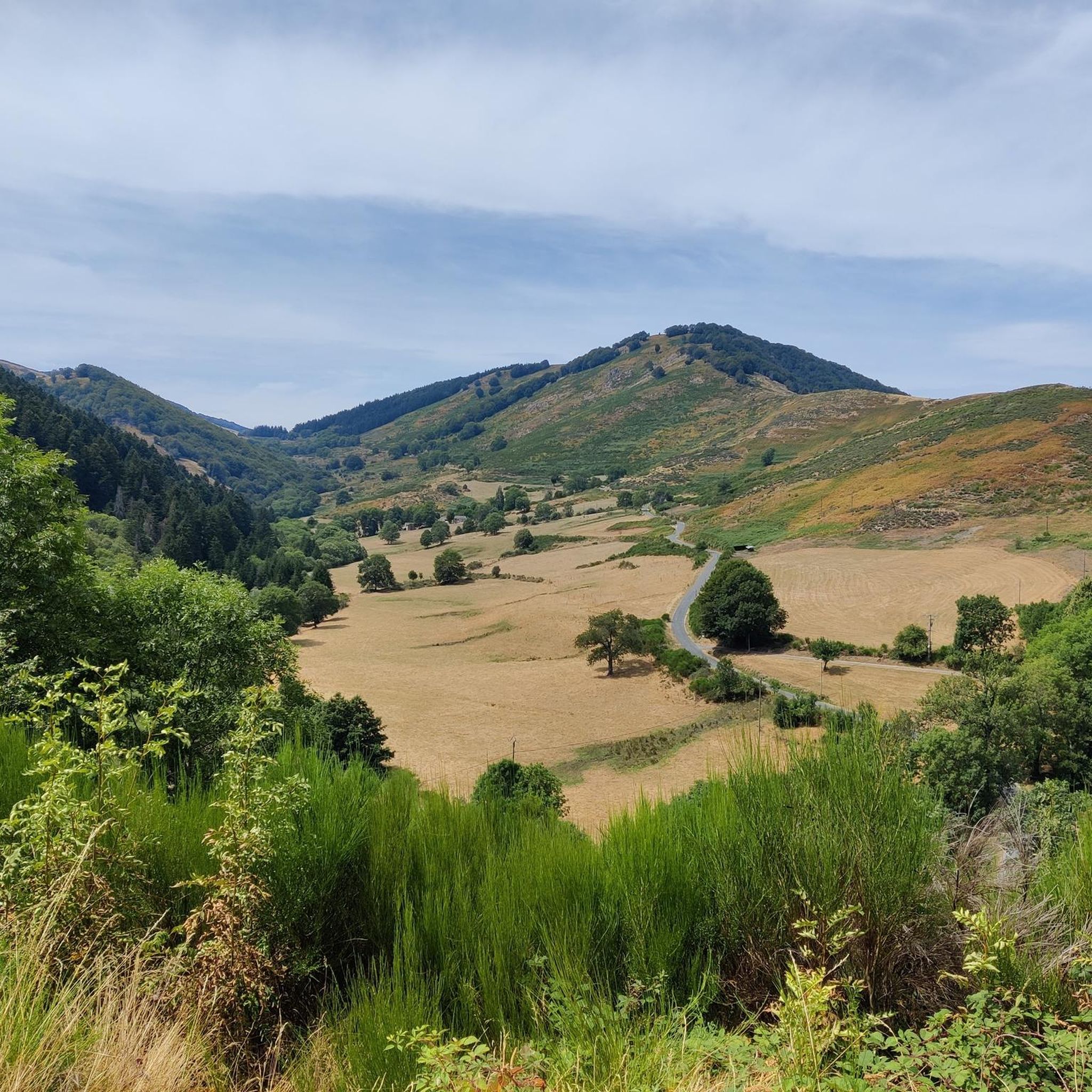
We are never disappointed by the small roads of the Cévennes
0
0

The Lique Ser trail linked Saint-André-de-Valborgne to Pompidou and was protected by the Château de Nogaret built in the 12th century. Today the path leads to Departmental 9: the Corniche des Cévennes, which offers magnificent panoramas and which was built for the circulation of the king's troops during the war of the Camisards.
0
0
St-André de Valborgne is a pretty village marked by the silk industry in the 19th century. Five spinning mills are thus present on the banks of the Gardon de Saint-Jean. The Château de Nogaret, on an old path leading to the Pompidou, is also an important monument in the village.
0
0
Frequently Asked Questions
What kind of terrain can I expect on hikes around Saint-André-De-Valborgne?
The region offers a diverse landscape, from the rugged Cévennes mountains to the fertile Borgne Valley where the Gardon river flows. You'll encounter varied geological formations including limestone plateaus (Causses), schist, and granite. Trails often lead through wooded sections with chestnut groves, beech, and ash trees, providing shade and changing scenery.
Are there many hiking options for different skill levels?
Yes, Saint-André-De-Valborgne is a hiker's paradise with a wide range of trails. Out of over 200 routes, you'll find approximately 40 easy trails perfect for a relaxed stroll, around 120 moderate routes, and nearly 50 challenging hikes for more experienced adventurers. This includes everything from village walks to strenuous mountain treks.
What are some notable natural features or landmarks to look out for on the trails?
The area is rich in natural beauty and historical sites. You can explore the majestic Mont Aigoual, which offers exceptional 360-degree panoramic views. The Borgne Valley itself is picturesque, and the Gardon river creates natural swimming pools. Other highlights include impressive gorges like the Jonte and Capoue, and the 4000 Steps, a challenging path leading towards Mont Aigoual.
Are there any circular hiking routes available?
Yes, many routes in the area are circular, allowing you to start and end in the same location. For example, the Saint-André-de-Valborgne loop from Saint-André-de-Valborgne takes you through the village surroundings and the Borgne Valley. Another option is the Trépaloup menhir loop from Aire de Côte, which features a significant menhir.
What is the best time of year to go hiking in Saint-André-De-Valborgne?
The Cévennes region offers beautiful hiking experiences throughout the year. Spring and autumn provide pleasant temperatures and vibrant colors, with chestnut groves, beech, and ash trees changing hues. Summer is ideal for enjoying the natural swimming pools in the Gardon river after a hike, though some higher altitude trails like those near Mont Aigoual can be cooler. Winter hiking is also possible, but requires appropriate gear for potentially snowy conditions at higher elevations.
Are there family-friendly hiking options in the area?
Yes, there are several accessible trails suitable for families. The village itself has a short discovery trail that allows you to explore its narrow streets, cobbled paths, and fountains, revealing its history. Many of the easier routes, such as some sections along the Gardon river, are also suitable for families looking for a less strenuous outing.
Can I bring my dog on the hiking trails?
The Cévennes National Park, where Saint-André-De-Valborgne is located, generally welcomes dogs, but specific rules apply. Dogs must be kept on a leash to protect wildlife and livestock. Always check local signage for any specific restrictions on certain trails or protected areas within the park.
What do other hikers enjoy most about the trails in Saint-André-De-Valborgne?
The area is highly rated by the komoot community, with an average score of 4.5 stars from over 800 reviews. Hikers often praise the diverse landscapes, from mountain ridges to river valleys, and the well-preserved natural environment. The variety of trails, from easy village walks to challenging mountain ascents, is also frequently highlighted.
Are there any challenging hikes for experienced hikers?
Absolutely. For those seeking a challenge, the region offers strenuous mountain treks. A notable example is the historic 'The 4,000 steps' trail, which, while not directly listed as a komoot route here, is a challenging 9.5 km path with a significant elevation gain leading towards the Mont Aigoual observatory. The Trépaloup menhir loop from Aire de Côte is also rated as difficult, featuring substantial elevation changes.
Are there opportunities for wild swimming after a hike?
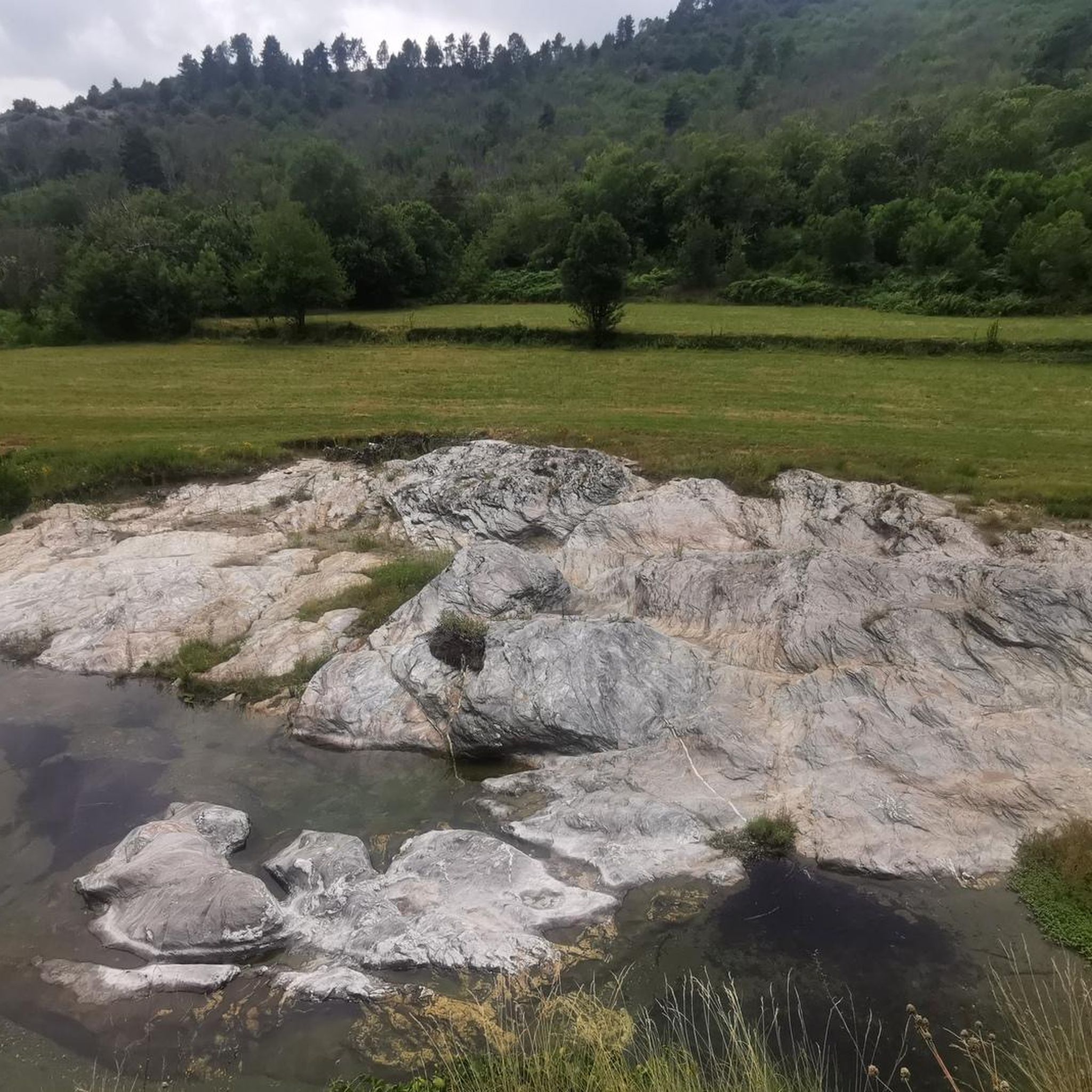
Yes, the Gardon river, which flows through the Borgne Valley, creates natural swimming pools perfect for a refreshing dip after a hike. These spots are a popular way to cool down and relax, especially during warmer months.
Is public transport available to reach hiking trailheads?
While Saint-André-De-Valborgne is nestled in a natural area, public transport options can be limited directly to all trailheads. It's advisable to check local bus schedules for connections to the village itself. For reaching more remote starting points, personal vehicles or local taxi services might be necessary. Parking is generally available in and around the village.
What kind of views can I expect on the trails?
The trails offer magnificent panoramas across the Cévennes landscape. From higher points like Mont Aigoual, you can enjoy 360-degree views that, on clear days, can stretch from the Alps to the Pyrenees. The Beautiful view of the Cévennes – Col du Pas Monument loop from Col du Pas is specifically named for its scenic vistas. You'll also find views of the Borgne Valley, schist formations, and lush forests.
Most popular routes around Saint-André-De-Valborgne
Most popular attractions around Saint-André-De-Valborgne

Get inspired with the komoot mobile app


Explore more
Browse the best Hikes in other regions.
