Attractions and Places To See around Pancy-Courtecon - Top 20
Best attractions and places to see around Pancy-Courtecon offer a blend of historical sites and natural landscapes in the Hauts-de-France region. The commune itself is situated along the Ailette River, providing a natural setting. The area holds historical significance, particularly related to its reconstruction after World War I, with nearby sites detailing this past. Visitors can explore a variety of cultural landmarks and natural reserves within a short distance.
Best attractions and places to see around Pancy-Courtecon
- The most popular…
Last updated: July 2, 2026
Notre-Dame Cathedral
Highlight • Other
Translated by Google •
Tip by

Vauclair Abbey Ruins
Highlight • Historical Site
Translated by Google •
Tip by
Sign up now to discover places like this
Get recommendations on the best single tracks, peaks, & plenty of other exciting outdoor places.
Sign up for free
Porte d'Ardon
Highlight • Monument
Translated by Google •
Tip by
Laon Old Town — Murals and Fortifications
Highlight • Historical Site
Translated by Google •
Tip by

Porte de Soissons
Highlight • Other
Translated by Google •
Tip by
Sign up for free to discover even more attractions around Pancy-Courtecon.
Sign up for free
Already have an account?
Start today with a free account
Your next adventure awaits.
Login or Signup


Tips from the Community


The Porte d’Ardon is one of the medieval city gates of Laon. The current structure dates from the 13th and 14th centuries. Originally, this gate was called “Porte Royée” because of its proximity to the royal palace of Laon. The gate consists of a châtelet with a portcullis and used to have doors. There was also a barbican, but this has now disappeared. Under the gate there was a fountain and wash houses, some of which still exist. The Porte d’Ardon was classified as a historical monument in 1909.
9
0
The Porte de Soissons is a medieval city gate in Laon. It is one of the three remaining city gates of Laon and was built at the beginning of the 13th century when the fortifications were resumed. The gate is located in the south-west of the medieval city and is built of sandstone and limestone. The gate was originally known as the Porte Saint-Martin or Soibert, but was later renamed after the nearby town of Soissons. The rear of the gate (which was demolished in 1895) offers a cross-section of this type of defensive system: a vaulted room on the first floor, giving access to the harrow and the machicolation.
12
1

A remarkable remnant of what was once a large and important abbey. Caesar, Napoleon and German troops are said to have passed through this area during the First World War.
3
0
This abbey, which was founded in 1134 by St. Bernard, was severely damaged in a bombardment in 1917. The best preserved buildings are the pantry, the refectory of the lay brothers, the chapter house and the monks' hall. The foundations of the abbey church and the inn are still visible. Next to the garden with medicinal plants there is an exhibition space. Surrounding it is the monastic forest of Vauvelair, which covers 1000 hectares.
11
0

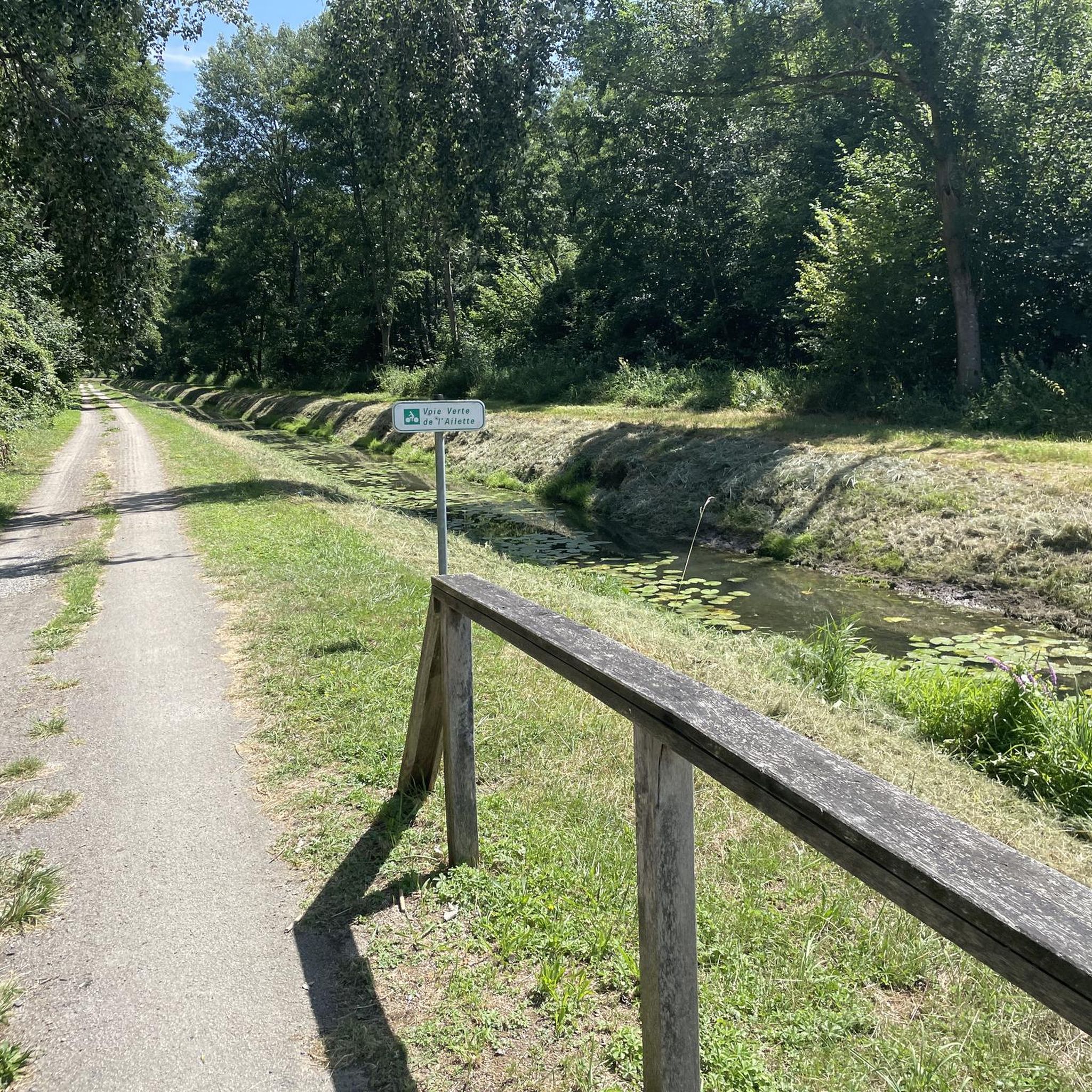
Between the woods and the greenway, this former abbey is interesting from a historical point of view
0
0

Here, the city walker will find an early masterpiece of Gothic architecture, a style often found in this part of France – Chartres and Reims, for example, attract enthusiastic international visitors and are far more famous than Laon. In the following 13th century, many Gothic churches were built, not only in their country of origin, France, but also beyond the country's borders, where this sky-high, light-filled architectural style was now in great demand for new churches (for example, the laying of the foundation stone for Cologne Cathedral in 1248).
3
0

Loan is a medieval town on a mesa. A trip is very worthwhile! I would always prefer visiting Reims.
1
1
Frequently Asked Questions
What historical sites can I explore near Pancy-Courtecon?
The area around Pancy-Courtecon is rich in history. You can visit the Vauclair Abbey Ruins, founded in 1134 by Saint Bernard and severely damaged in WWI, where you can still see well-preserved buildings and a medicinal plant garden. Other significant sites include the Commemorative Chapel in Courtecon, marking a village destroyed in WWI, and the broader Chemin des Dames area with its interpretation panels. Further afield, Laon Old Town offers a large contiguous protected area with medieval buildings and fortifications, including the historic Porte d'Ardon and Porte de Soissons.
Are there any natural reserves or significant natural features in the area?
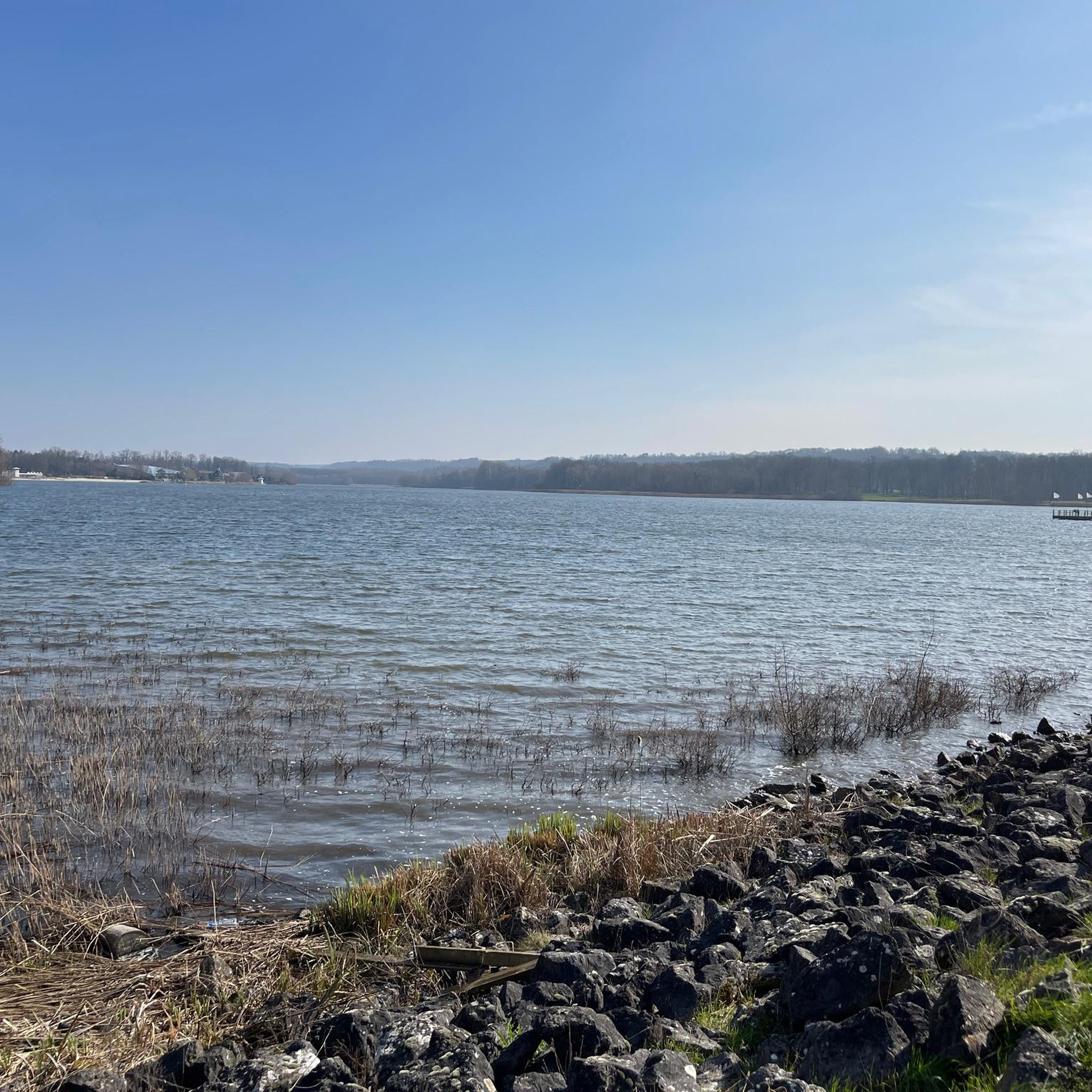
Yes, Pancy-Courtecon is situated along the Ailette River, known for its natural beauty. Nearby, you can explore the Réserve naturelle des Landes de Versigny and the Réserve naturelle du marais de Vesles-et-Caumont, both about 23 km away. The Forêt de Retz is also within reach, offering extensive woodland. The Ailette River area also features the Lac de l'Ailette, which is a focal point for outdoor activities.
What kind of outdoor activities, like hiking or cycling, are available?
The region offers various outdoor activities. For hiking, you can find routes like the 'View of Lake Ailette – Lake Ailette loop' or the 'Ailette Lake – Ruins of Vauclair Abbey loop'. Cyclists can enjoy tours such as the 'View of Lake Ailette – Lake Ailette loop from Chamouille' or the 'Lac de l'Ailette – Ferme d'Hurtebise War Memorial loop'. Gravel biking is also popular, with routes like 'Vauclair Abbey – Lake Ailette loop'. You can find more details and specific routes in the hiking guide, cycling guide, and gravel biking guide for the area.
Can I find family-friendly attractions around Pancy-Courtecon?
While specific 'family-friendly' categories aren't always listed for every site, many attractions can be enjoyed by families. The Vauclair Abbey Ruins offer an interesting historical exploration with a medicinal plant garden. The natural areas around the Ailette River and Lac de l'Ailette provide opportunities for walks and outdoor recreation. The Center Parcs Le Lac d'Ailette nearby also features a water park, which is a popular family destination.
What is the best time of year to visit Pancy-Courtecon for exploring?
The spring and summer months (April to September) are generally ideal for visiting Pancy-Courtecon and its surrounding attractions. The weather is typically pleasant for outdoor activities like hiking and cycling, and the natural landscapes are in full bloom. Historical sites and towns are also easily accessible during these seasons.
Where can I experience the local history related to World War I?
The region has significant WWI history. The Commemorative Chapel in Courtecon stands on the site of a village largely destroyed during the war. The surrounding Chemin des Dames area is particularly important, featuring interpretation panels that detail the history of destroyed hamlets and villages from the First World War. Exploring this area offers a poignant look into the past.
Are there any notable cathedrals or religious buildings to visit?
Absolutely. Just 10 km north-north-west, you'll find Notre-Dame Cathedral in Laon, an astonishing early Gothic masterpiece built between 1155 and 1235. It's one of the oldest Gothic structures in France and is known for its distinctive towers. Soissons, about 26 km away, also offers an abbey and a cathedral for exploration, and Reims, 37 km away, boasts the UNESCO-listed Cathédrale de Reims.
What are some charming towns or villages worth visiting nearby?
Beyond Pancy-Courtecon, several charming towns and villages are worth exploring. Laon, with its historic fortified old town, is a must-see. Soissons and Reims are recognized as 'Towns of Art and History' and offer rich cultural experiences. For picturesque scenery, Parfondeval, recognized as a 'Most Beautiful Village,' is about 47 km away. Additionally, several 'Villages in Bloom' (Villages fleuris 4*) like Vivaise and Ebouleau are known for their floral displays.
Is public transport available to reach attractions around Pancy-Courtecon?
While Pancy-Courtecon is a small commune, public transport options to reach specific attractions might be limited. It's advisable to check local bus routes or consider driving for greater flexibility when exploring the various historical sites, natural reserves, and towns scattered around the region. Laon, Soissons, and Reims are larger cities with more comprehensive public transport connections.
Are there options for dining or accommodation in Pancy-Courtecon or nearby?
Pancy-Courtecon itself is a small village, so dining and accommodation options might be limited directly within the commune. However, the surrounding area, especially larger towns like Laon, Soissons, and Reims, offers a wider selection of restaurants, cafes, pubs, and various accommodation types, including guesthouses and hotels. The Ailette River area also has options like the Hôtel du Golf de l'Ailette.
What are the main architectural highlights in the region?
The region boasts significant architectural heritage. The most prominent is Notre-Dame Cathedral in Laon, an early Gothic masterpiece. Laon Old Town itself is an architectural highlight with its medieval buildings, fortifications, and city gates like Porte d'Ardon and Porte de Soissons. Further away, Reims is home to three UNESCO-listed attractions, including its magnificent cathedral. Château Coucy, a national monument, also represents a significant architectural landmark.
Are there any specific viewpoints or scenic spots?
Yes, the elevated position of Laon Old Town on a table mountain offers several points with beautiful panoramic views of the surrounding landscape. The area around Lac de l'Ailette also provides scenic vistas, particularly along the various hiking and cycling routes that loop around the lake. The Chemin des Dames area, while historically significant, also offers elevated positions with views.
Can I bring my dog on trails or to attractions in the area?
Many natural areas and trails in the Hauts-de-France region are generally dog-friendly, especially if dogs are kept on a leash. For specific attractions like cathedrals or indoor historical sites, it's best to check their individual policies beforehand. When exploring the natural reserves or the monastic forest of Vauvelair, keeping dogs under control is usually required to protect wildlife.
Most popular routes around Pancy-Courtecon
Most popular attractions around Pancy-Courtecon

Get inspired with the komoot mobile app


Explore more
Still not found the Highlight you’re looking for? See guides of the top attractions in other regions:
