Attractions and Places To See around Mignéville - Top 18
Best attractions and places to see around Mignéville include historical and cultural sites within this small commune in the Meurthe-et-Moselle department of northeastern France. The area features architectural heritage, including religious buildings and 18th and 19th-century houses. Its rural setting provides a landscape typical of the Grand Est region.
Best attractions and places to see around Mignéville
- The most popular attractions is Village Church and Scenic Road, a religious_building that offers views and a climb on a road with…
Last updated: July 1, 2026
Saint Martin Church of Badonviller
Highlight • Religious Site
Translated by Google •
Tip by

Baccarat
Highlight • Other
Translated by Google •
Tip by

Sign up now to discover places like this
Get recommendations on the best single tracks, peaks, & plenty of other exciting outdoor places.
Sign up for free
Village Church and Scenic Road
Highlight (Segment) • Religious Site
Translated by Google •
Tip by

Small picnic area with tables and benches
Highlight • Other
Translated by Google •
Tip by

Badonviller national necropolis
Highlight • Historical Site
Translated by Google •
Tip by
Sign up for free to discover even more attractions around Mignéville.
Sign up for free
Already have an account?
Start today with a free account
Your next adventure awaits.
Login or Signup
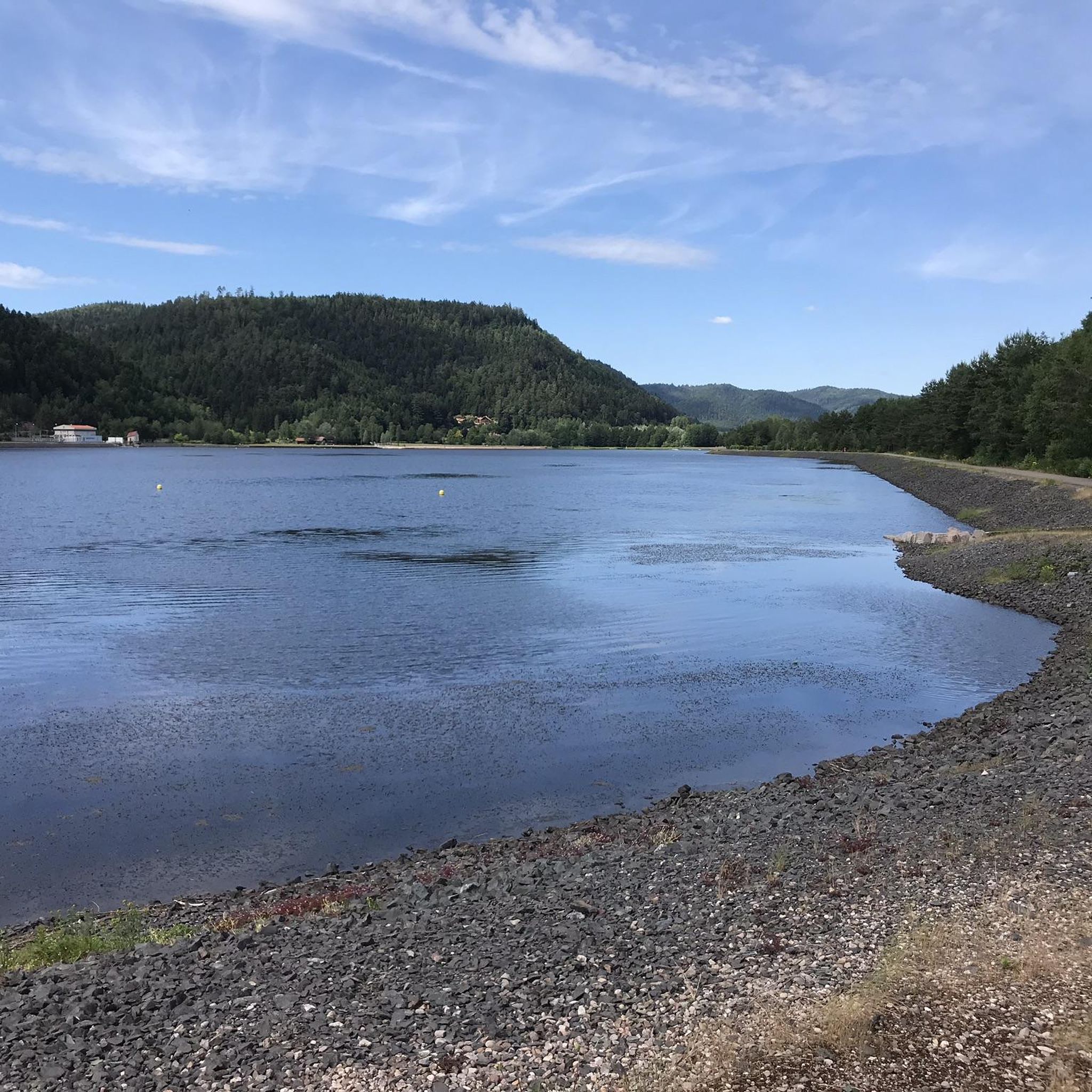

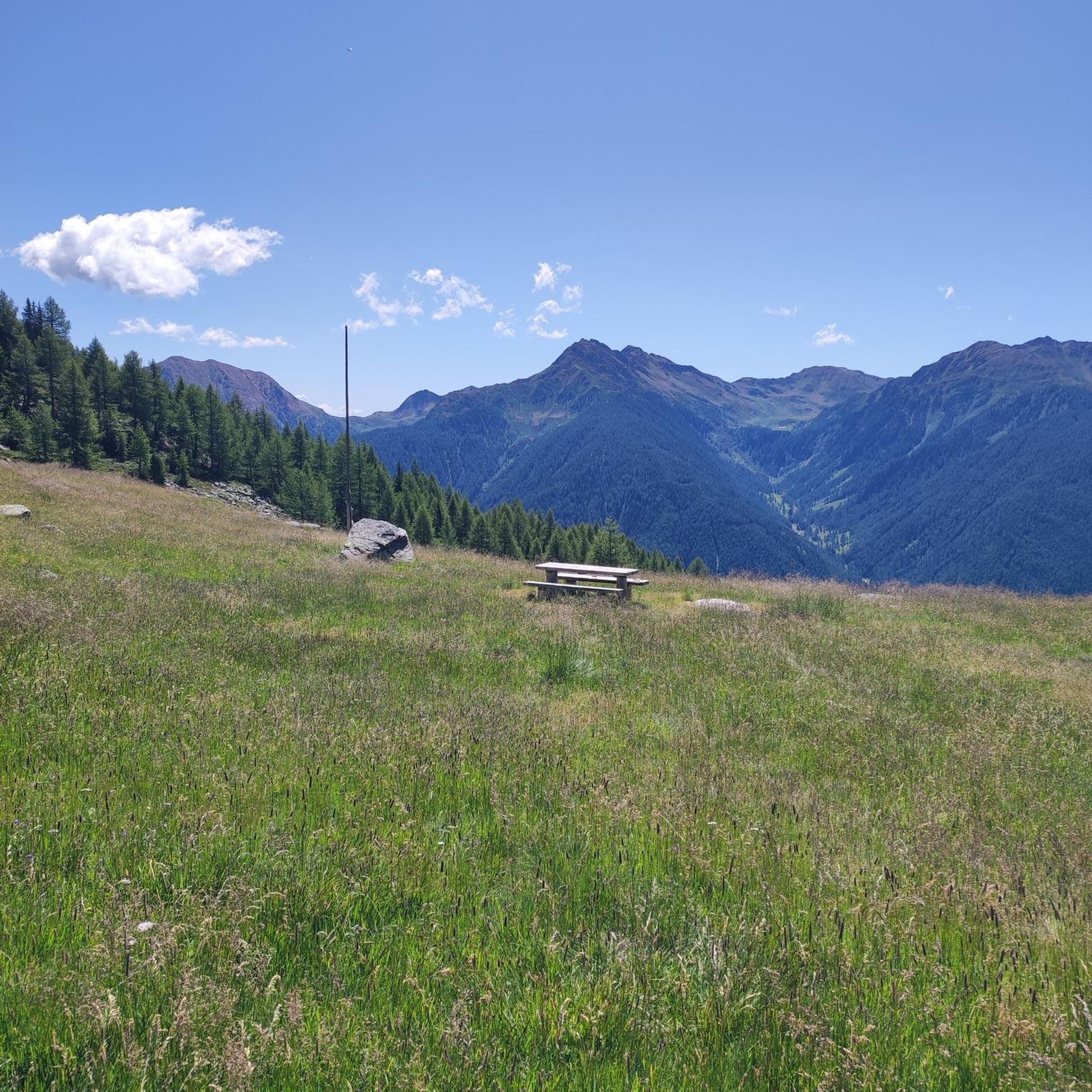

Tips from the Community

very friendly
0
0

A great place to take a break. Including a beautiful view from the platform at the front.
0
0

"The Badonviller National Necropolis is a military cemetery that keeps alive the memory of the fierce fighting in the Vosges during the First World War. This necropolis was built between 1920 and 1935 to regroup the bodies of French soldiers who died in the Vosges and Haute-Alsace sectors. A total of 2,653 soldiers are buried here, 1,444 in individual graves and 1,209 in two ossuaries. 28 French soldiers from the Second World War also found their final resting place here. At the centre of the site is a monument in honour of the 363rd Infantry Regiment, designed by sculptor Antoine Sartorio. This monument originally stood on the Col de la Chapelotte, a strategic point where fierce fighting took place between 1915 and 1917. The necropolis is not only a place of rest, but also of remembrance of the devastation which struck Badonviller, including the plundering by Bavarian troops on 12 August 1914.
6
0
"The Église Saint-Martin in Badonviller is a rare example of religious architecture in the Louis XVI style (1788). Although it is of Romanesque origin, its elegant façade is particularly striking, which is one of the few remaining examples of this style in the Lorraine region. Together with the Chapel of the Visitation in Nancy, this church forms a unique duo. The church was badly damaged during the First World War and partially rebuilt afterwards.
6
0

A place of meditation. If you are emotional, pausing to spend a few moments here is a moving experience. The commemoration of the soldiers who died in the Vosges until 1939 is commemorated here.
3
0

The original church building in the Louis XVI style. was described as Little Saint Peter in Rome. The royal chief engineer François-Michel Lecreulx (1734–1812) built the building in 1787/88. Nine days after the outbreak of the First World War, on August 12, 1914, the church building burned down completely during the fighting. Reconstruction began as early as 1921. St. Martin soon had all four bells back with its remarkable round bell tower. The most powerful bell named Edith weighs 2150 kg. Its chime is reminiscent of Big Ben in London. Its organ is the work of Ernest Jacquot, an organ builder from Rambervillers. https://de.wikipedia.org/wiki/Badonviller Unfortunately, the church is mostly locked. The cemetery is above the church. Next to the church there are some rest areas and the square with its monument to the Resistance. From the edge of the square you have a view of the village. An impressive place. The mighty bells remind you of the passage of time every quarter of an hour.
5
0

Very nice climb on a road with little traffic, followed by a descent to Val et Chatillon.
0
0
Frequently Asked Questions
What historical sites can I visit around Mignéville?
Mignéville and its surroundings offer several significant historical sites. You can visit the American Cemetery and Memorial Sandwiller, which commemorates soldiers who died in the Vosges up to 1939. Another important site is the Badonviller national necropolis, a military cemetery for French soldiers from the First and Second World Wars. Within Mignéville itself, the Église Saint-Georges, reconstructed after 1918, houses a Virgin of Pity classified as a historical monument.
Are there any notable architectural sites in Mignéville?
Yes, Mignéville features architectural heritage including the Église Saint-Georges, which was rebuilt after 1918 and contains a historically classified sculpted group of a Virgin of Pity. The village also boasts several charming 18th and 19th-century houses that showcase the local architectural style. Nearby, the Saint Martin Church of Badonviller is a rare example of Louis XVI style architecture from 1788.
What outdoor activities are available near Mignéville?
The rural setting around Mignéville is ideal for various outdoor activities. You can explore numerous cycling routes, including mountain biking, road cycling, and touring bicycle options. For example, there are MTB Trails around Mignéville, Road Cycling Routes around Mignéville, and general Cycling routes around Mignéville, offering diverse terrain and distances.
Are there family-friendly attractions around Mignéville?
Several attractions in the area are considered family-friendly. The American Cemetery and Memorial Sandwiller and the Badonviller national necropolis offer educational experiences about history. The Saint Martin Church of Badonviller is also listed as family-friendly, providing an opportunity to appreciate historical architecture.
What do komoot users enjoy most about the attractions near Mignéville?
Komoot users appreciate the historical significance and scenic beauty of the area. They highlight the well-maintained grounds of sites like the American Cemetery and Memorial Sandwiller, noting its contemplative atmosphere. The Village Church and Scenic Road is praised for its pleasant climb on a road with little traffic and the nice views it offers.
Can I find scenic viewpoints or natural features near Mignéville?
While Mignéville itself is a rural commune, the surrounding area offers scenic spots. The Village Church and Scenic Road provides lovely views during its climb. The broader Meurthe-et-Moselle department, part of the Grand Est region, features a landscape typical of northeastern France, with opportunities for enjoying the countryside.
What is the best time to visit Mignéville?
The best time to visit Mignéville and the surrounding Grand Est region generally depends on your preferred activities. Spring and autumn offer pleasant temperatures for outdoor activities like cycling and exploring historical sites, with fewer crowds. Summer is also popular, though it can be warmer. Winter can be quiet, with potential for colder weather.
Are there hiking trails near Mignéville?
While specific dedicated hiking trails are not detailed, the rural landscape around Mignéville is suitable for walks and exploring. The Village Church and Scenic Road is described as a route that includes a climb and descent, offering a pleasant experience for those looking for a walk or cycle with views.
Is there parking available at the attractions?
Specific parking details for each attraction are not always provided, but generally, in smaller French communes like Mignéville, you can expect to find street parking or small designated areas near main points of interest such as churches or memorial sites. It's advisable to check local signage upon arrival.
What is the significance of the Église Saint-Georges in Mignéville?
The Église Saint-Georges in Mignéville is a significant historical and architectural landmark. Reconstructed after the First World War, it houses a sculpted group of a Virgin of Pity, which has been officially classified as a historical monument object since 1960, highlighting its cultural importance.
Can I find places to eat or stay near Mignéville?
Mignéville is a small commune, so dining and accommodation options within the village itself may be limited. However, nearby larger towns in the Meurthe-et-Moselle department, such as Baccarat, offer a wider selection of cafes, pubs, restaurants, and accommodation choices for visitors.
Are there any unique local features or hidden gems in the Mignéville area?
Beyond the main historical sites, Mignéville's charm lies in its preserved 18th and 19th-century houses, offering a glimpse into traditional local architecture. The former Mignéville Train Station, now a residential building, is another interesting piece of local history. Exploring the quiet rural roads can reveal picturesque village scenes and tranquil countryside.

Get inspired with the komoot mobile app


Explore more
Still not found the Highlight you’re looking for? See guides of the top attractions in other regions:
