Attractions and Places To See around La Poterie-Cap-D'Antifer - Top 20
Best attractions and places to see around La Poterie-Cap-D'Antifer include dramatic natural landscapes and historical sites along the Alabaster Coast in Normandy, France. This charming village is situated on the Côte d'Albâtre, known for its white chalk cliffs and shingle beaches. The area features the Cap d'Antifer headland and the nearby Valleuse d'Antifer, a natural site with diverse ecosystems. It provides opportunities for exploring coastal scenery and local heritage.
Best attractions and places to see around La Poterie-Cap-D'Antifer
- The most…
Last updated: July 6, 2026
Cliffs of Étretat
Highlight • Natural Monument
Translated by Google •
Tip by

Porte d'Aval Arch (Étretat)
Highlight • Natural Monument
Translated by Google •
Tip by

Sign up now to discover places like this
Get recommendations on the best single tracks, peaks, & plenty of other exciting outdoor places.
Sign up for free
Pointe de la Courtine Viewpoint
Highlight • Viewpoint
The Pointe de la Courtine is a rocky outcrop from which you can see the white chalk …
Translated by Google •
Tip by

Étretat
Highlight • Settlement
Translated by Google •
Tip by

Étretat to Vattetot-sur-Mer Coastal Path
Highlight (Segment) • Trail
Translated by Google •
Tip by
Sign up for free to discover even more attractions around La Poterie-Cap-D'Antifer.
Sign up for free
Already have an account?
Start today with a free account
Your next adventure awaits.
Login or Signup
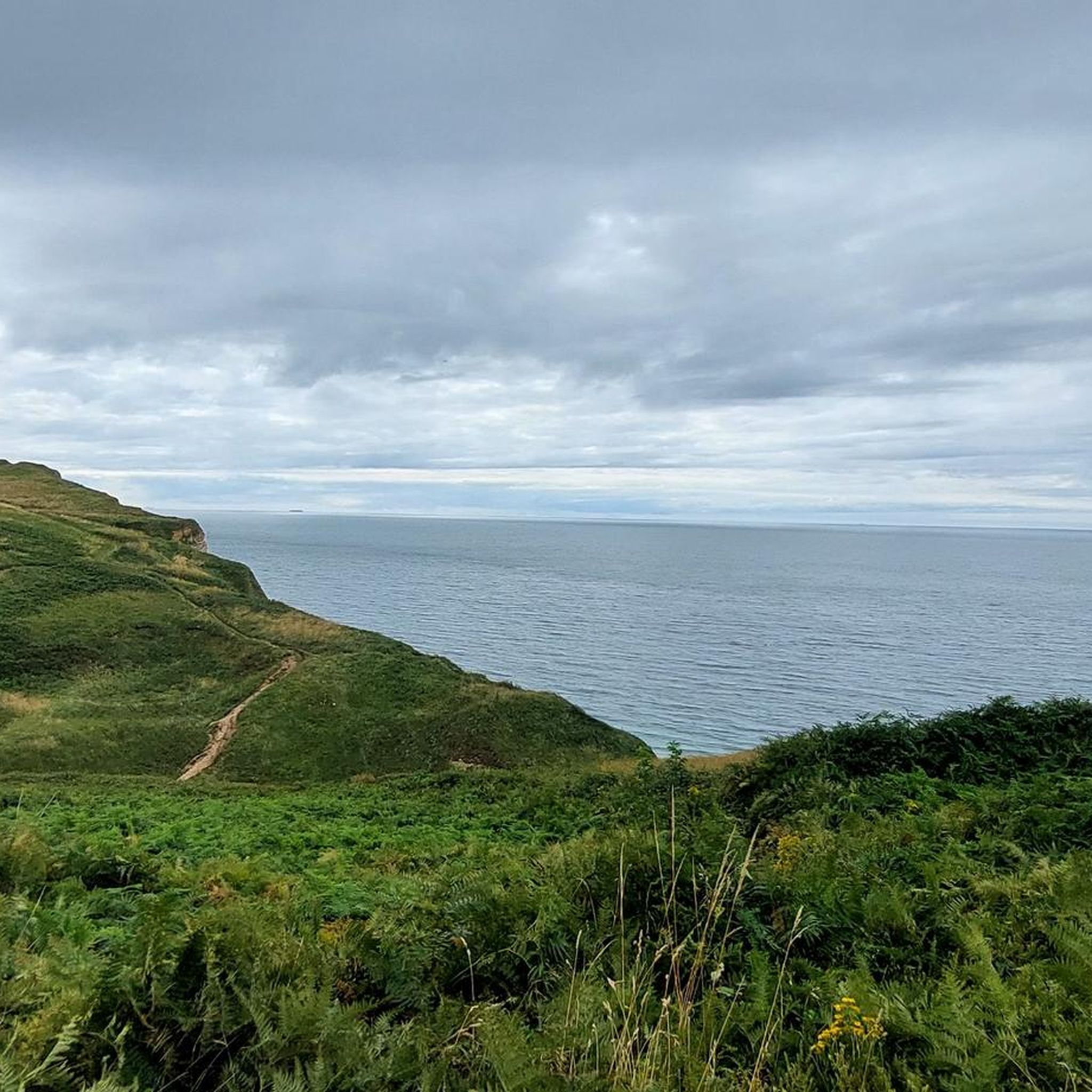
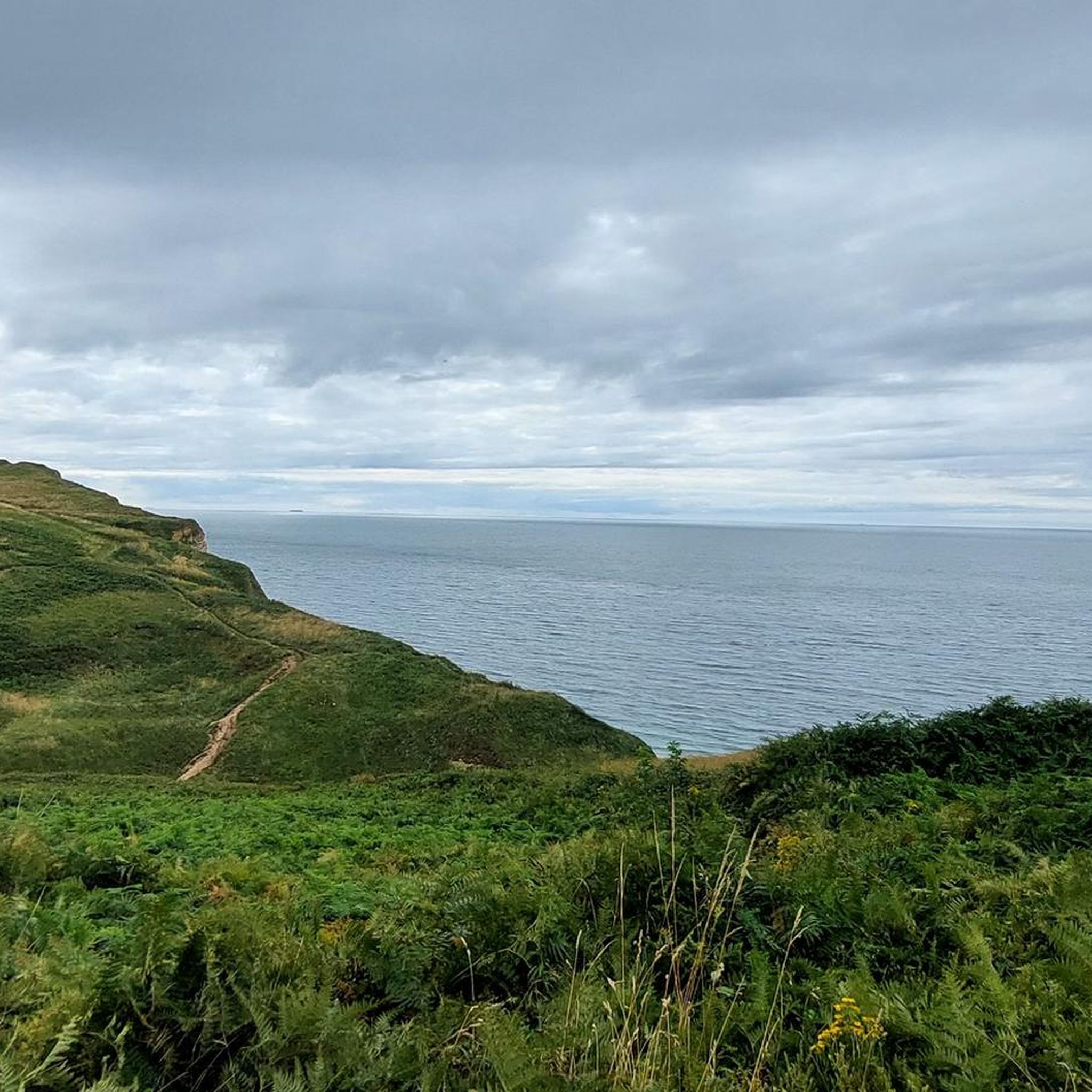
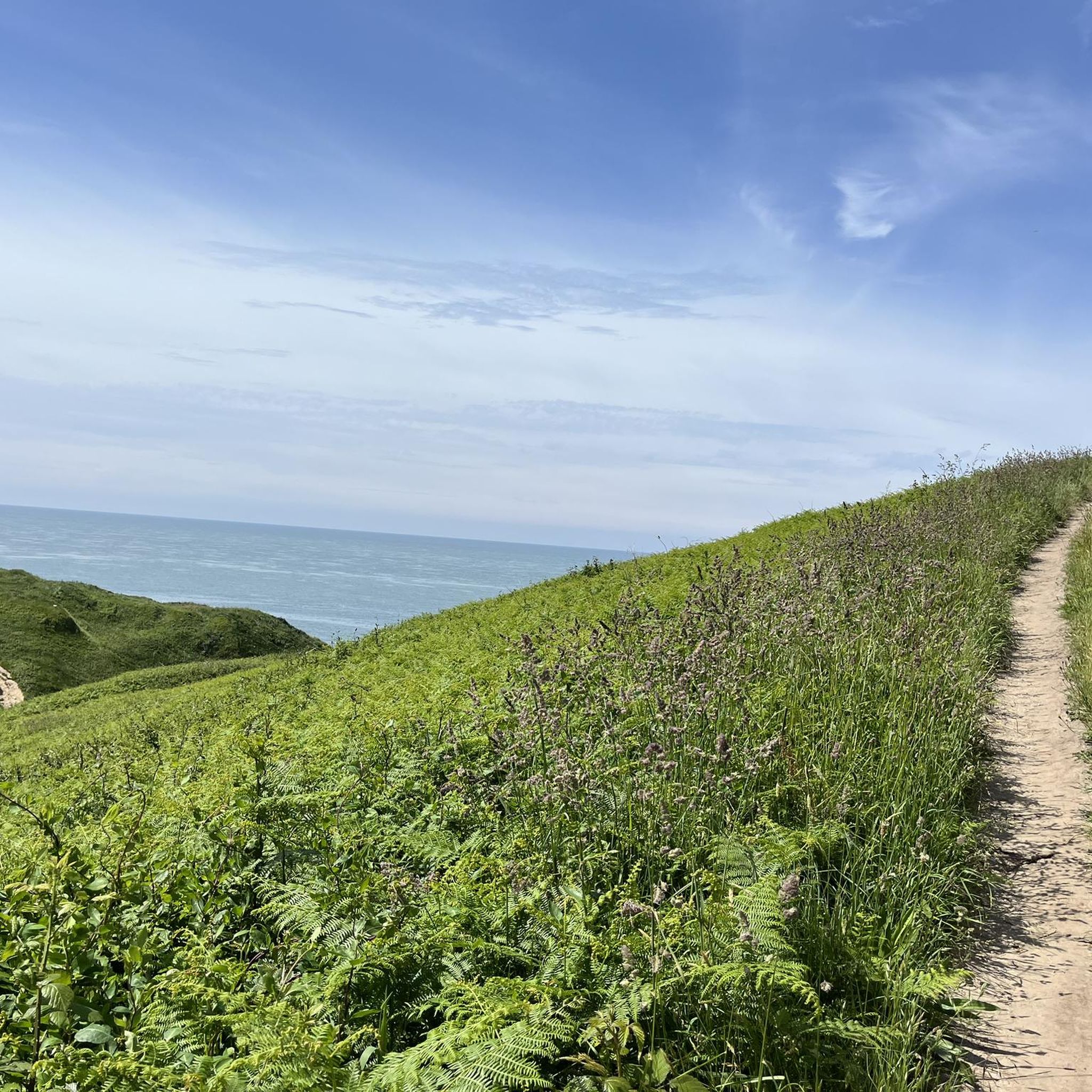
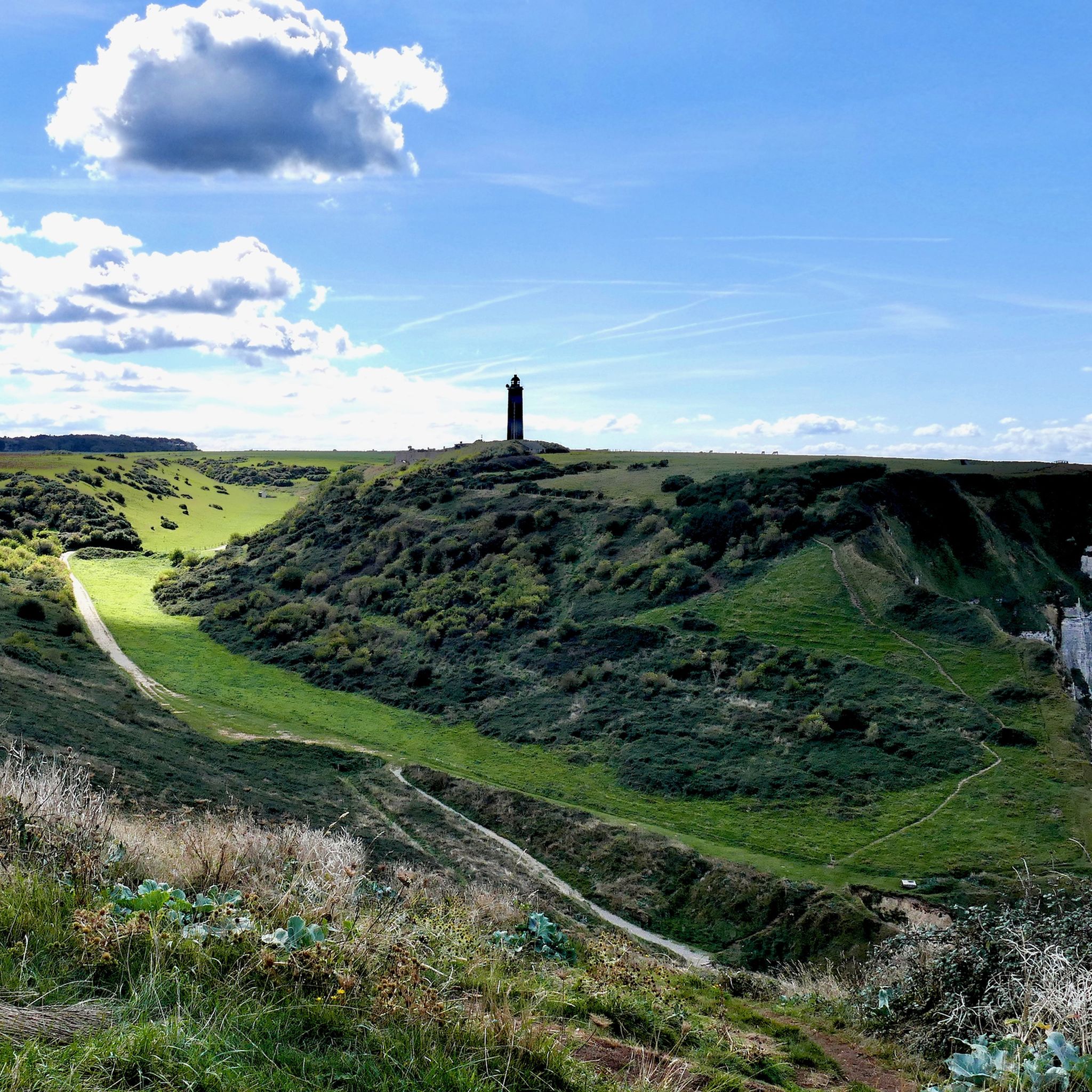
Tips from the Community

Many painters, including Monet, have immortalized these natural beauties.
5
0


The cliffs are simply a dream. A highlight of a holiday in Normandy. I highly recommend a hike right along the cliffs. There's something for everyone, whether it's a short or long hike.
1
0

Formed underwater millions of years ago, the cliffs are composed of deposits of pale calcareous marine organisms and the skeletons of siliceous organisms. They then rose to form these flint-strewn limestone giants. They appear particularly resilient, yet they are fragile and constantly changing: wind, tides, rainwater infiltration, frost and subsequent thawing weaken them. Erosion leads to regular landslides and cliff retreat.
3
0

This is probably one of the most popular motifs for photography and painting. It's amazing what nature creates.
9
0

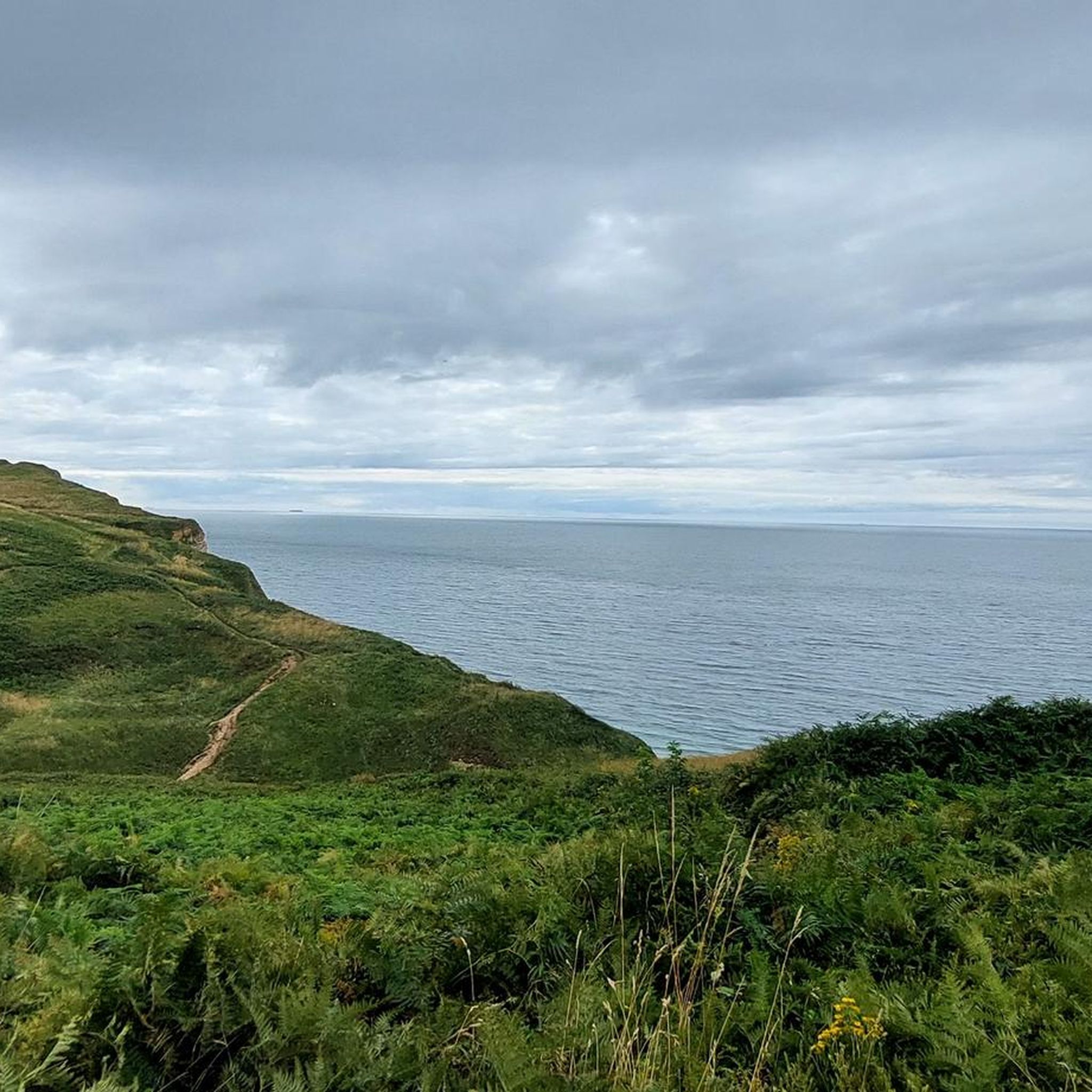
The coastal path along the Falaise near Étretat is a true journey of discovery for the senses. The path takes you from the Jardins d'Étretat to Vattetot-sur-Mer, always along the impressive cliffs. The landscape changes constantly with the light, and every hour offers a new, picturesque setting reminiscent of the works of the Impressionists. It is as if you are walking through a living painting. This path offers you countless views of the rugged beauty of the Alabaster Coast, with the mighty cliffs rising majestically above the sea. It is a quiet path, away from the large crowds of tourists, which gives you the opportunity to experience nature in all its glory. It is best to pack a picnic blanket, as there are no benches along the path, but many places that are perfect for a rest. The hike up here on the cliffs not only offers breathtaking panoramas, but also interesting geological formations where you can see the different sedimentary layers of the coast. An absolute highlight for every hiker who wants to experience Normandy in all its diversity.
1
0
Étretat is a place that retains its own magic despite the tourist hustle and bustle. The imposing rocky cliffs and the roaring sea attract numerous visitors every year. The whole spectacle unfolds especially at sunset: the three rock gates - Porte d'Aval with the Aiguille, Manneporte and Porte d'Amont - glow in the warm light of the setting sun and cast long shadows on the pebble beach. This sight is unforgettable and shows why Étretat has inspired artists and hikers alike for centuries. If you are here a little off peak times, you will feel the peace and the special atmosphere of the former fishing village. The cliffs seem even more imposing and the contrast between the white limestone and the blue sea is simply fascinating. Even with the many cameras aimed at the rocks, Étretat remains an authentic place that shows nature in all its raw beauty. A stroll through the narrow streets and along the coast lets you immerse yourself in the history of this place that enchanted Claude Monet and Guy de Maupassant
5
0
The Falaises d'Étretat on the Alabaster Coast are one of the most impressive natural landscapes in Normandy. The chalk cliffs, up to 100 metres high and interspersed with dark layers of flint, stretch majestically along the coast and seem to hold their ground inexorably against the gnawing waves of the English Channel. Over time, maritime erosion has formed fascinating rock formations such as the famous arches La Porte d'Aval and La Porte d'Amont, as well as the striking rock needle L'Aiguille, which rises 51 metres high out of the sea. Étretat itself, once a small fishing port, has developed into a charming coastal town that has retained its character. The chalk cliffs were an inexhaustible source of inspiration for numerous artists, including Claude Monet, who immortalised the extraordinary beauty of this coast in many of his works. Anyone who visits the Falaises d'Étretat can experience the rugged beauty of this landscape up close on the cliff paths. Along the way there are spectacular viewpoints that offer a view of the vast coastal landscape and the deep blue sea. The descent into the town of Étretat is particularly impressive, where the historic promenade and the remains of bunkers from the Second World War are a reminder of the region's turbulent history. The forces of nature that have been at work here for thousands of years have created a unique panorama that captivates not only hikers and nature lovers, but also art lovers.
3
1
Frequently Asked Questions
What natural features can I explore around La Poterie-Cap-D'Antifer?
The region is renowned for its dramatic natural landscapes. You can explore the headland of Cap d'Antifer itself, offering spectacular views of the English Channel. The Valleuse d'Antifer is a unique 'hanging valley' characteristic of the Alabaster Coast, providing distinct scenery and hiking opportunities. Additionally, the nearby Cliffs of Étretat, with their iconic arches like Porte d'Aval, are a must-see natural monument.
Are there any historical landmarks to visit in La Poterie-Cap-D'Antifer?
Yes, the area offers a glimpse into its history. The Antifer Lighthouse, an impressive octagonal tower rebuilt after WWII, stands tall at 140 meters above sea level and offers panoramic views. You can also visit the Saint Martin Church, which dates back to the twelfth century and retains original architectural details like grimacing heads on its nave.
What kind of hiking trails are available near La Poterie-Cap-D'Antifer?
The region is excellent for hiking, with trails offering picturesque views of the Cauchoise countryside and leading to the famous cliffs. Popular choices include the 'Panoramic Trail of the Cliffs of Étretat'. You can find various routes, from easy walks to more challenging trails, that allow you to appreciate the dramatic coastal landscapes. For more options, explore the hiking guides around La Poterie-Cap-D'Antifer.
What do visitors enjoy most about the attractions around La Poterie-Cap-D'Antifer?
Visitors frequently praise the breathtaking coastal views and the dramatic chalk cliffs. The Cliffs of Étretat and the Impressive (or impressionistic!) view of La Manneporte are particularly popular for their scenic beauty and photographic opportunities. Many also appreciate the unique geological formations and the sense of history found in the area.
Are there cycling opportunities around La Poterie-Cap-D'Antifer?
Yes, the area provides various cycling routes suitable for different skill levels. You can find easy routes like the 'Cap d'Antifer Lighthouse – Antifer Lighthouse loop' or more challenging ones such as 'The Beach, Le Havre – Place Général de Gaulle loop'. For a comprehensive list of options, check out the cycling guide around La Poterie-Cap-D'Antifer.
Can I find mountain biking or gravel biking trails in the area?
Absolutely. For mountain biking, you can explore routes like the 'Valleuse d'Étigues – Abstract Metal Sculpture loop' or the 'Antifer Lighthouse – Splendid view of Étretat loop'. Gravel biking enthusiasts can enjoy trails such as the 'Étretat – La Poterie-Cap d'Antifer loop'. Discover more options in the MTB Trails guide and the Gravel Biking guide around La Poterie-Cap-D'Antifer.
What are some good viewpoints to see the cliffs and coastline?
Beyond the famous Cliffs of Étretat, the Pointe de la Courtine Viewpoint offers magnificent vistas over the Alabaster Coast. The Cap d'Antifer headland itself provides spectacular views of the English Channel. These spots are ideal for appreciating the dramatic cliff landscapes and the sea.
Is La Poterie-Cap-D'Antifer known for its biodiversity?
Yes, the area around Cap d'Antifer is noted for its rich biodiversity. The commune has identified 1600 species of plants and animals, making it an interesting spot for nature enthusiasts and wildlife photography.
What is the best time to visit La Poterie-Cap-D'Antifer for outdoor activities?
The Alabaster Coast can be enjoyed year-round, but for hiking and cycling, spring and autumn offer pleasant temperatures and fewer crowds. Summer is popular for coastal walks and enjoying the views, though it can be busier. Winter provides a different, often dramatic, perspective of the rugged coastline, suitable for those who enjoy cooler weather and fewer visitors.
Are there any family-friendly activities or places to visit?
While the dramatic cliffs are a major draw, the nearby settlement of Étretat is considered family-friendly, offering a charming village atmosphere alongside its natural wonders. Exploring the beaches at low tide can also be an engaging activity for families. The natural beauty of the area provides ample space for children to explore and enjoy the outdoors.
Where can I learn more about the history of the area, especially regarding World War II?
The region played a role in World War II, notably with 'Operation Biting' in 1942. The Antifer Lighthouse, for instance, was destroyed during a bombing in 1944 and later rebuilt. While specific WWII museums might be further afield, guided tours of the lighthouse often include exhibitions on local heritage, which may touch upon this period. You can also find general historical context about the area on Wikipedia.
Most popular routes around La Poterie-Cap-D'Antifer
Most popular attractions around La Poterie-Cap-D'Antifer

Get inspired with the komoot mobile app


Explore more
Still not found the Highlight you’re looking for? See guides of the top attractions in other regions:
