The best road cycling routes around Cumières-Le-Mort-Homme
4.3
(11)
424
riders
16
rides
Road cycling around Cumières-Le-Mort-Homme offers routes through a landscape characterized by rolling hills and dense forests in northeastern France. The region features significant elevation changes, particularly around Mort-Homme hill, which presents a challenging environment for cyclists. Roads wind through historic terrain, providing views of the undulating Meuse region. This area combines physical challenge with a journey through a landscape steeped in World War I history.
Best road cycling routes around Cumières-Le-Mort-Homme
- The most popular road cycling route is Citadel of…
Last updated: October 18, 2026
5.0
(1)
47
riders
18.6km
00:45
40m
40m
Easy road ride. Great for any fitness level. Mostly well-paved surfaces and easy to ride.
5.0
(1)
37
riders
Hard road ride. Very good fitness required. Mostly well-paved surfaces and easy to ride.

27
riders
51.8km
02:19
480m
480m
Moderate road ride. Good fitness required. Mostly well-paved surfaces and easy to ride.
23
riders
43.9km
02:07
430m
430m
Moderate road ride. Good fitness required. Mostly well-paved surfaces and easy to ride.
4.3
(4)
14
riders
18.8km
00:47
100m
100m
Easy road ride. Great for any fitness level. Mostly well-paved surfaces and easy to ride.
Get access to more routes and recommendations from other explorers.
Already have an account?
Our route recommendations are based on thousands of hikes, rides, and runs completed by other people on komoot.
Start today with a free account
Your next adventure awaits.



Tips from the Community

The museum offers a good insight into soldiers' lives during World War I. Using an augmented reality helmet, visitors can travel through the underground citadel. Admission is €16 per person (as of October 2025). However, for background information, it is recommended to visit the Verdun Memorial beforehand.
6
0

Founded around 708 by Count Wulfoalde, this Benedictine abbey became an important religious and cultural centre in Lorraine. The abbey was under the protection of Charlemagne and flourished under Abbot Smaragdus in the 9th century. Today, you can still visit the abbey church of Saint-Michel, home to the masterpiece La Pâmoison de la Vierge by Ligier Richier. The 18th-century monastery library houses thousands of ancient works and is one of the most beautiful in the region.
7
0
This former abbey church forms the historic heart of Saint-Mihiel. Originally built in the 9th century, it took on its current form during major renovations in the 17th and 18th centuries. Inside, you can admire a magnificent baroque organ (1679–1681), colourful stained glass windows and the masterpiece La Pâmoison de la Vierge by sculptor Ligier Richier. A place where art, history and spirituality come together.
5
0
The Meuse at Verdun plays a crucial role in both the landscape and the history of the region. Cutting deeply through the hilly terrain, it has provided a natural defensive advantage—something that became painfully clear during the Battle of Verdun in 1916, one of the longest and bloodiest battles of the First World War. In addition to its strategic importance, the Meuse also has a more peaceful face: it flows peacefully along the banks of the city of Verdun, connecting the past with the present in a landscape that breathes history.
6
0

Here, a newly constructed, small wooden tower offers a view of a branch of the Meuse River flowing along its natural bed. There are also tables and benches for a rest.
1
0
Located near the Porte Chaussée and the Verdun War Memorial, this contemporary metal sculpture was designed by the artist Jean-No and created by students from the Lycée Professionnel Eugène Freyssinet. Created to mark the centenary of the Battle of Verdun, it symbolises the living memory of the conflict. The installation connects the past and the future through education and art.
8
0
Inaugurated in 1928, this war memorial in Verdun honours the city’s inhabitants who died for France in both world wars. It was built on the remains of a military butcher’s shop, on the crescent of the Chaussée, a 17th-century fortification. The sculpture depicts five soldiers – a cavalier, an engineer, an infantryman (poilu), an artilleryman and a territorial – forming a symbolic wall under the motto of Verdun: “On ne passe pas”.
8
0

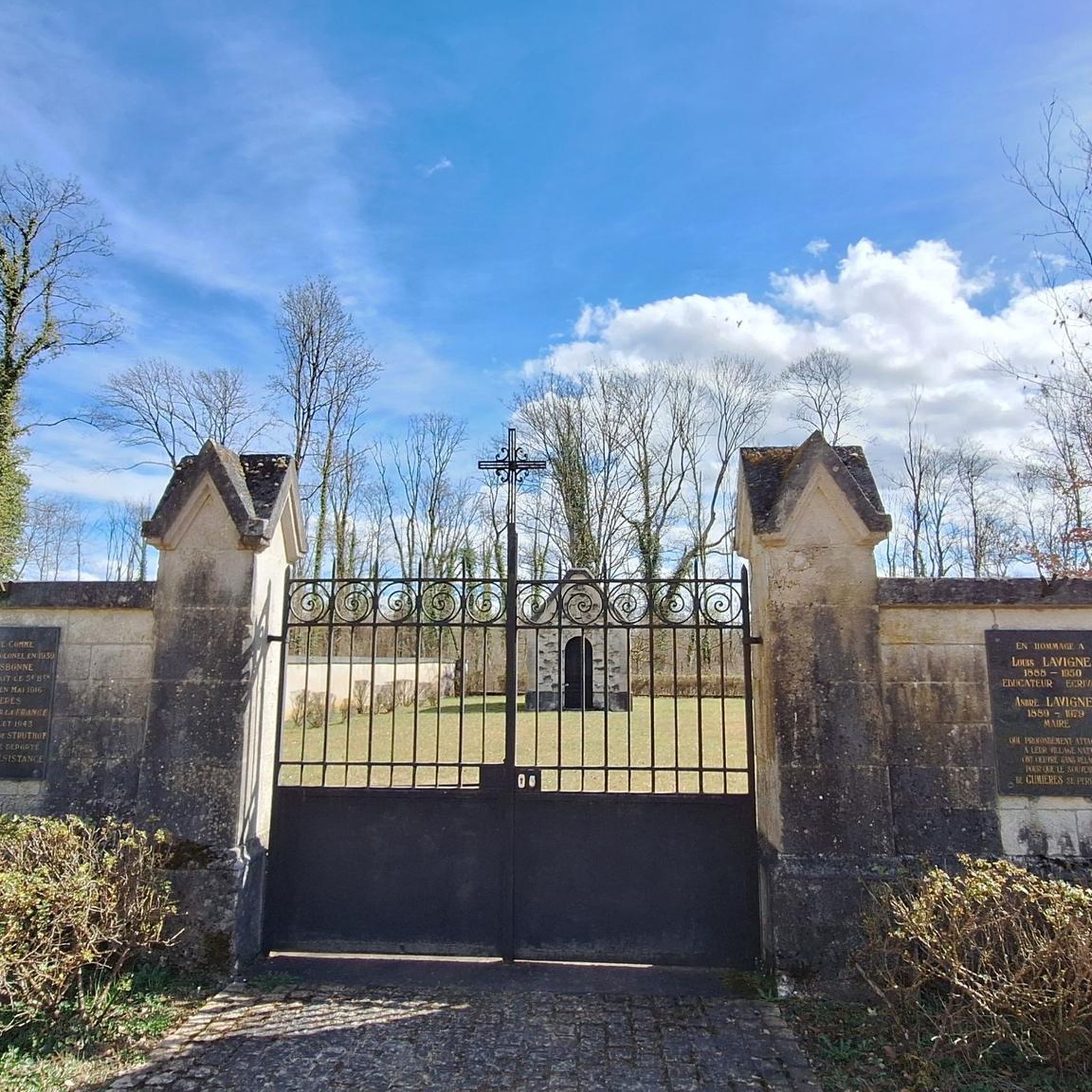
The memorial commemorating the rural population of Verdun in World War I.
3
0
Frequently Asked Questions
How many road cycling routes are available around Cumières-Le-Mort-Homme?
There are over 15 road cycling routes available around Cumières-Le-Mort-Homme, offering a variety of experiences for different skill levels. These routes are highly rated by the komoot community.
What are the difficulty levels of road cycling routes in this region?
The road cycling routes around Cumières-Le-Mort-Homme cater to various abilities. You'll find a good mix of easy, moderate, and challenging routes. For example, the Citadel of Verdun – Chemin forestier tranquille loop from Consenvoye is an easy route with gentle climbs, while others offer more significant elevation changes.
What historical landmarks can I see while road cycling around Cumières-Le-Mort-Homme?
The region is steeped in WWI history. Along the routes, you can encounter significant landmarks such as the Douaumont Ossuary, the Bayonet Trench Memorial, and the poignant site of Cumières-le-Mort-Homme itself, a destroyed village. The Verdun Memorials and Monuments – Water on both sides loop from Vacherauville specifically leads through many historical sites.
What do other road cyclists enjoy about the routes in Cumières-Le-Mort-Homme?
The routes in Cumières-Le-Mort-Homme are highly rated by the komoot community, with an average score of 4.6 stars from over 10 reviews. Cyclists often praise the unique blend of physical challenge from the rolling hills and dense forests, combined with the deeply moving journey through a landscape rich in World War I history.
Are there family-friendly road cycling options in Cumières-Le-Mort-Homme?
While the region is known for its rolling hills, there are easy routes suitable for families looking for a less strenuous ride. The Citadel of Verdun – Chemin forestier tranquille loop from Consenvoye is an easy option that includes gentle climbs and forest sections, making it a good choice for a family outing.
Are there circular road cycling routes available?
Yes, many of the road cycling routes around Cumières-Le-Mort-Homme are designed as loops, allowing you to start and end at the same point. Examples include the Roadbike loop from Vacherauville and the Verdun Memorials and Monuments – Water on both sides loop from Vacherauville.
What is the best time of year for road cycling in Cumières-Le-Mort-Homme?
The best time for road cycling in the Meuse region, including Cumières-Le-Mort-Homme, is generally during the spring (April to June) and autumn (September to October). During these months, the weather is typically mild and pleasant, and the natural landscapes are particularly beautiful. Summer can also be good, but be prepared for potentially warmer temperatures.
Where can I find parking for road cycling in Cumières-Le-Mort-Homme?
While specific parking areas directly in the 'ghost commune' of Cumières-le-Mort-Homme are limited due to its historical status, you can often find parking in nearby villages like Vacherauville or Consenvoye, which serve as common starting points for many routes. Always check local signage for designated parking spots.
What amenities are available for cyclists in the Cumières-Le-Mort-Homme area?
The immediate area of Cumières-le-Mort-Homme is a preserved historical site, so amenities are scarce. However, nearby towns and villages such as Verdun offer a range of services including accommodation, cafes, restaurants, and potentially bike rental facilities. It's advisable to plan your route to pass through these larger settlements for breaks and supplies.
Can I access the cycling routes by public transport?
Access to Cumières-Le-Mort-Homme and its surrounding cycling routes primarily relies on personal transport. Public transport options directly to the 'ghost commune' are very limited. The nearest major town with better public transport links would be Verdun, from where you might need to cycle or arrange a local taxi to reach specific starting points.
Are there any particularly scenic viewpoints along the road cycling routes?
Yes, the rolling hills and dense forests of the Meuse region offer remarkable fields of view. Cycling around Mort-Homme hill, for instance, provides panoramic vistas of the undulating terrain. Many routes are designed to showcase the natural beauty and historical significance of the landscape.
Are there any challenging road cycling routes for experienced cyclists?
Absolutely. The terrain around Cumières-Le-Mort-Homme, particularly the ascents to Mort-Homme hill (Côte 265 and Côte 295), presents significant elevation changes that appeal to experienced road cyclists looking for a challenge. There are several difficult routes available for those seeking strenuous climbs and longer distances.
Most popular routes around Cumières-Le-Mort-Homme
Most popular attractions around Cumières-Le-Mort-Homme

Get inspired with the komoot mobile app


Explore more
Browse the best Road cycling routes in other regions.
