Attractions and Places To See around Thonne-La-Long - Top 20
Attractions and places to see around Thonne-La-Long include historical landmarks, cultural sites, and natural features within the Meuse department. This region offers a mix of ancient ruins, impressive fortresses, and picturesque villages. Visitors can explore sites with rich history and enjoy panoramic views of the surrounding valleys and forests. The area provides diverse experiences for those interested in history, culture, and nature.
Best attractions and places to see around Thonne-La-Long
- The most popular attractions is Torgny Village, a settlement recognized as one of the most beautiful villages in Wallonia. It features stone houses with red tile roofs and a sunny microclimate suitable for wine growing.
- Another must-see spot is View of the Abbey's castle, a viewpoint featuring the Château d’Orval. This castle, built on the foundations of an earlier structure, is reflected in a pond and served as the abbot's residence.
- Visitors also love Basilica of Our Lady of Avioth, a religious building in Gothic style. This 14th-century basilica is known for its grandeur in a small village and its unique Recevresse monument.
- Thonne-La-Long is known for historical sites, religious buildings, and natural features. The region offers a variety of landmarks, viewpoints, and cultural experiences to explore.
- The attractions around Thonne-La-Long are appreciated by the komoot community, with more than 400 upvotes and 95 photos shared by visitors.
Last updated: July 6, 2026
View of the Abbey's castle
Highlight • Viewpoint
Translated by Google •
Tip by

Orval Abbey
Highlight • Religious Site
Translated by Google •
Tip by

Sign up now to discover places like this
Get recommendations on the best single tracks, peaks, & plenty of other exciting outdoor places.
Sign up for free
Fairies' Cave
Highlight • Cave
Translated by Google •
Tip by

Torgny Village
Highlight • Settlement
As you travel along the undulating roads, you will see stone houses with red tile roofs that are characteristic of the region. Torgny welcomes you with a beautiful nature reserve, known for its orchids, hillside vineyards and enchanting landscapes
Translated by Google •
Tip by
Basilica of Our Lady of Avioth
Highlight • Religious Site
Translated by Google •
Tip by

Sign up for free to discover even more attractions around Thonne-La-Long.
Sign up for free
Already have an account?
Start today with a free account
Your next adventure awaits.
Login or Signup

Tips from the Community

The current castle is very recent. It was built in 1960 at the request of the owners, the Otreppe de Bouvette family, based on plans by architect Emile Godin. The previous castle was severely damaged in both world wars and fell into disrepair.
10
0
Over a period of 22 years, from 1926 to 1948, a completely new abbey was built based on a design by architect Henri Vaes. This was primarily the work of Ghent native Albert-Marie Van der Cruyssen, who became the first abbot in 1936. On August 20, 1929, the foundation stone was laid in the presence of Prince Leopold and Cardinal Van Roey. The new abbey was completed in 1948. On June 5, 1939, the abbey church was consecrated and elevated to Basilica Minor by Pope Pius XII. On September 8, 1948, the abbey church and the completed cloister were solemnly consecrated by Cardinal Micara, who served as Apostolic Nuncio to Belgium from 1923 to 1946 and subsequently became Prefect of the Congregation for Rites. To finance the major construction projects, which by then had already cost tens of millions of Belgian francs, various fundraising activities were initiated. For example, special postage stamps with a surcharge were issued by the Belgian government. The cheese factory (1931) and the brewery (1932) were established to generate the necessary funds, and laypeople were employed from the outset. After the construction work was completed, these proceeds were used for social and charitable purposes. (Wikipedia)
12
0

Built in the 14th century, the Avioth Basilica is distinguished by its rich Gothic-style decorations. It is also called the Cathedral of the Fields because of its natural setting.
0
0

It is between Etalle and Virton, very precisely in Croix-Rouge, that you will find the place called "Trou des Fées". Well known to the inhabitants of the region, this unique site is at the center of many legends relating to the history of D’jean dMady but also and especially to that of the fairies of Gaume.
1
0

Unmissable for the Red Cross: Dive into an enchanted kingdom where legends and mysteries weave the fabric of the landscape… This mountain of sand, like a sleeping giant, reveals its heart of stone sculpted by the whims of time. At the dawn of the Jurassic, erosion gently carved out winding galleries, while the main gallery, 15 meters long, arouses a curious fascination. Was it an offering from the ancients, shaped by human hands, or simply the patient work of nature? The flints found nearby whisper echoes of prehistory, silent witnesses of a bygone era. The Trou des Fées, guardian of forgotten secrets, awaits you.
1
1

Lots of great walks or mountain bike rides to do, very beautiful site and close to Ravel too. Easy parking near the 4 paths
0
0

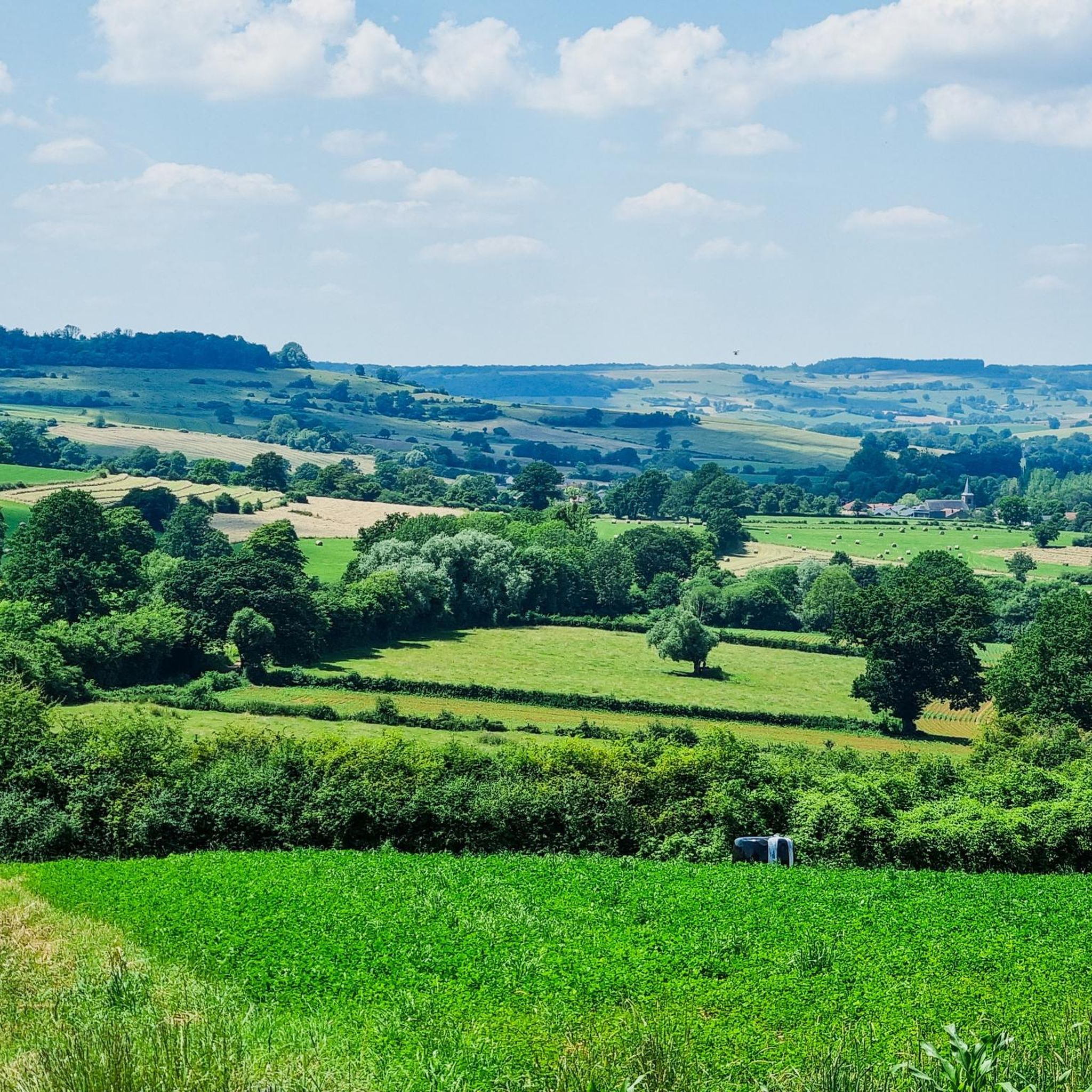
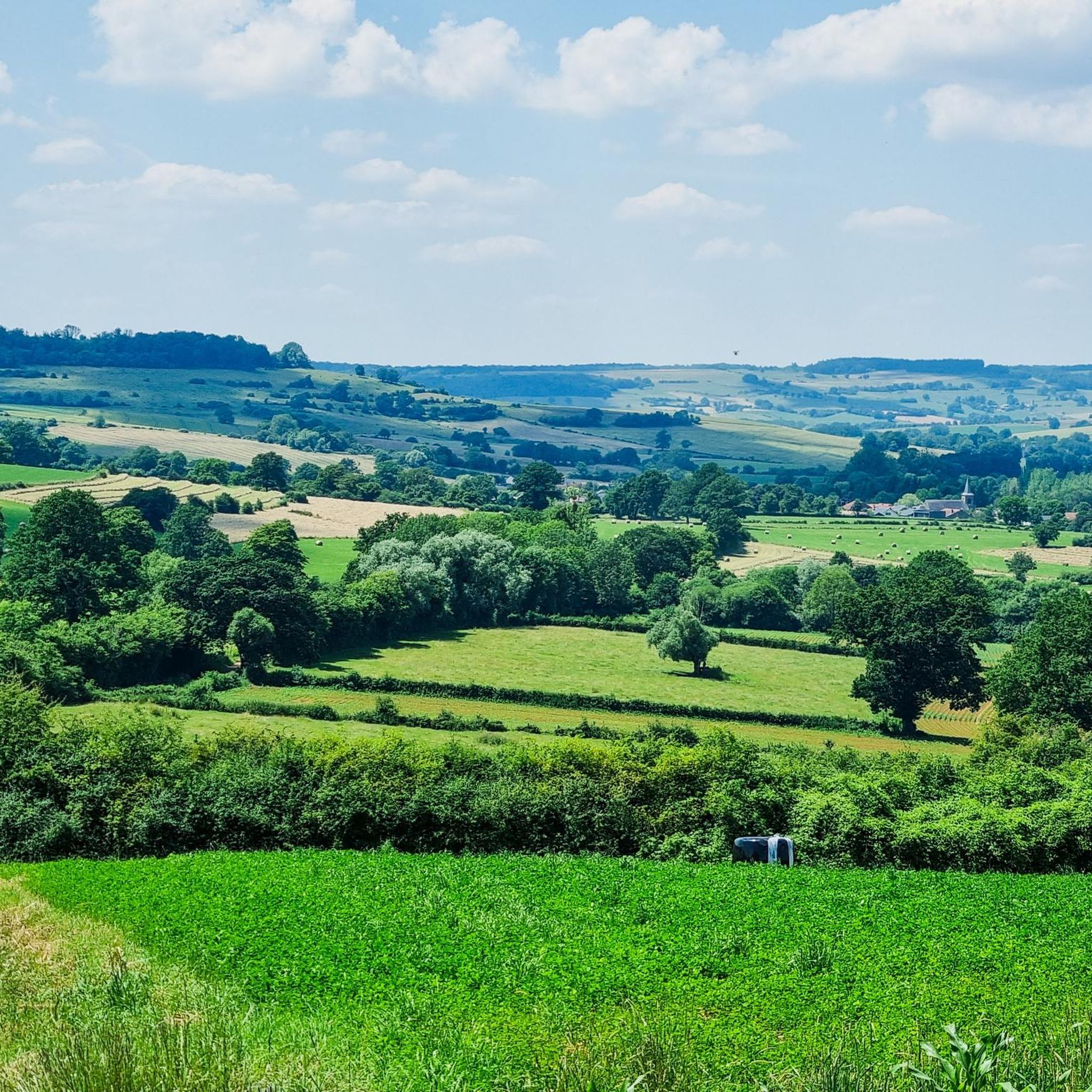
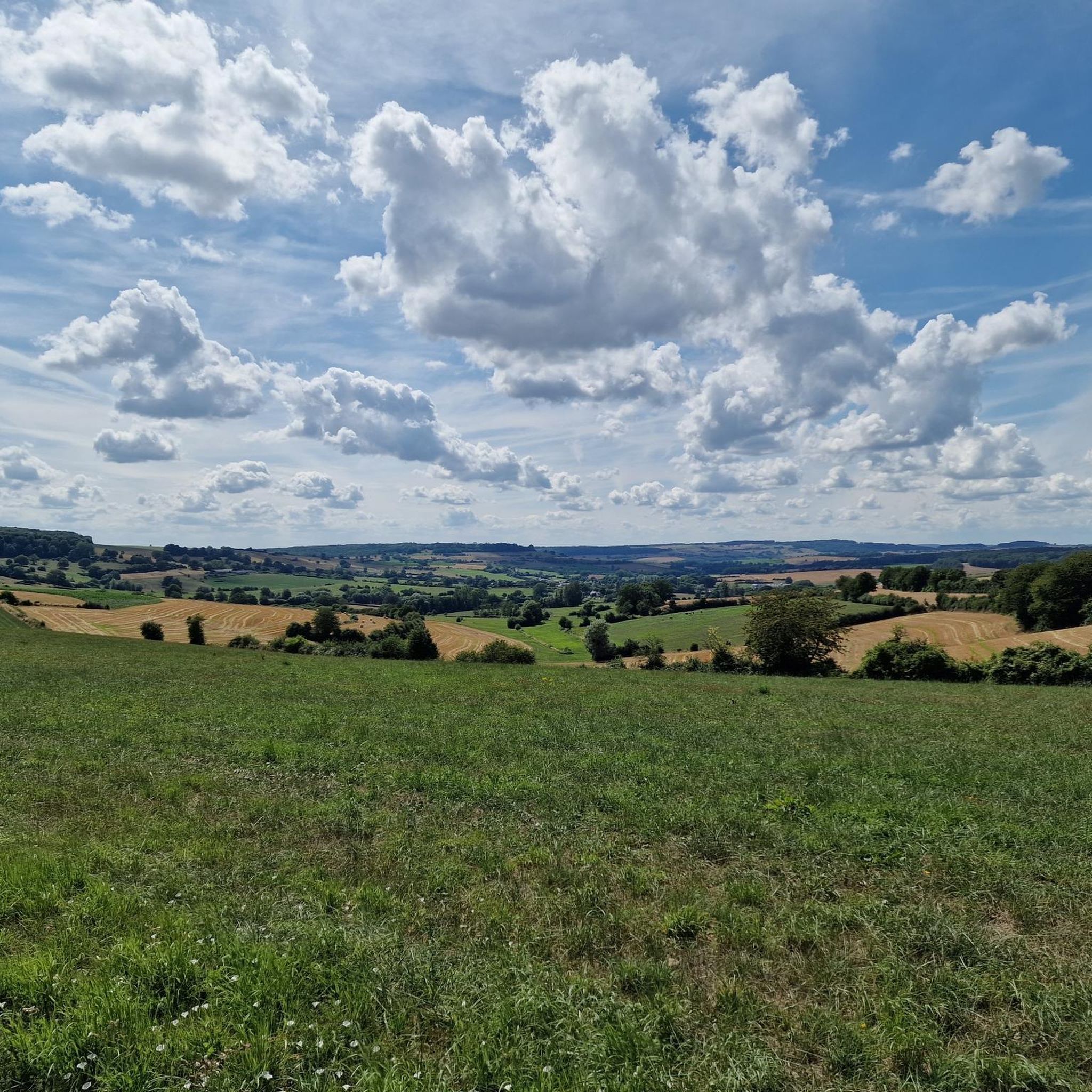
On the edge of a wooded massif, where the climate is favorable for growing wine, lies Torgny, Belgium's southernmost village. The houses here, built of yellow sandstone with Roman roof tiles, are striking, lending a Mediterranean flair. A truly beautiful sight. No wonder this place is considered one of the most beautiful villages in Wallonia.
1
0

A visit to the abbey is worthwhile. You should allow yourself about an hour and a half. Not far away there is a brasserie where you can try the cheese and beer.
6
0
Frequently Asked Questions
What historical sites can I visit near Thonne-La-Long?
The region is rich in history. You can explore the impressive Orval Abbey, known for its Trappist beer and ancient legends. Another significant site is the Citadel of Montmédy, a fortress improved by Vauban. The Basilica of Our Lady of Avioth, a grand Gothic church in a small village, also offers a deep dive into the area's past.
Are there any castles or fortresses to explore?
Yes, you can visit the Citadel of Montmédy, an impressive military fortress with a unique star-shaped defensive system. Additionally, the Château de la Grande Flassigny, a fortified house from 1572, showcases distinctive architecture. Don't miss the View of the Abbey's castle, which reflects beautifully in a pond and was once the abbot's residence.
Where can I find natural features or scenic viewpoints?
For natural beauty, explore the Fairies' Cave, natural sandstone caves steeped in local legend. Mont Saint-Walfroy offers panoramic views of the Meuse valley and surrounding forests. The Torgny Village also provides enchanting landscapes with its nature reserve and hillside vineyards.
What outdoor activities can I do near these attractions?
The area around Thonne-La-Long is excellent for outdoor enthusiasts. You can find numerous routes for hiking, mountain biking, and jogging. For detailed trails, check out the guides for Hiking around Thonne-La-Long, MTB Trails around Thonne-La-Long, and Running Trails around Thonne-La-Long.
Are there family-friendly attractions around Thonne-La-Long?
Many attractions are suitable for families. The Orval Abbey offers a blend of history and culture that can engage all ages, especially with its famous beer and cheese production. The Fairies' Cave provides a fun, adventurous experience, and the picturesque Torgny Village is great for a leisurely family stroll.
What is the best time to visit Thonne-La-Long for outdoor activities?
The best time for outdoor activities is generally during spring, summer, and early autumn when the weather is mild and favorable for hiking, cycling, and exploring. These seasons allow you to fully enjoy the scenic landscapes and historical sites.
Are there any unique villages to explore in the vicinity?
Absolutely. The village of Torgny is a must-see. Recognized as one of the most beautiful villages in Wallonia, it boasts stone houses with red tile roofs and a unique sunny microclimate, even supporting wine growing. It's often referred to as 'Provence in Belgium'.
What local legends or stories are associated with the attractions?
The Orval Abbey is famous for the legend of Countess Mathilde de Canossa. She is said to have dropped her wedding ring into a fountain, and a trout returned it to her, leading her to exclaim 'C'est un Val d'Or' (It's a Golden Valley) and establish a monastery there. This legend is depicted on the abbey's label.
What do visitors enjoy most about the attractions around Thonne-La-Long?
Visitors particularly appreciate the rich historical and cultural experiences, such as the grandeur of Basilica of Our Lady of Avioth and the unique atmosphere of Orval Abbey. The picturesque charm of Torgny Village and the scenic viewpoints like the View of the Abbey's castle are also highly rated for their beauty and photographic opportunities.
Are there any ancient ruins to visit?
Yes, you can explore the Montquintin Castle Ruins, which are ancient feudal castle ruins majestically situated above the Ton river valley. The site is currently undergoing archaeological excavations, offering a glimpse into its tumultuous past.
Can I find places for hiking near the attractions?
Definitely. There are several hiking routes that take you past or near these attractions. For example, you can find moderate trails like the 'Montquintin Castle Ruins – Ruins of Montquintin Castle loop' or the 'Basilica of Our Lady of Avioth – Basilique d'Avioth loop'. More hiking options are available in the Hiking around Thonne-La-Long guide.
Most popular routes around Thonne-La-Long
Most popular attractions around Thonne-La-Long

Get inspired with the komoot mobile app


Explore more
Still not found the Highlight you’re looking for? See guides of the top attractions in other regions:
