Attractions and Places To See around Grand-Brassac - Top 7
Best attractions and places to see around Grand-Brassac include a blend of historical landmarks and natural features within the Dordogne department of southwestern France. This region offers a diverse landscape, characterized by its rural setting, historical castles, and scenic waterways. Visitors can explore ancient sites and enjoy the preserved natural environment.
Best attractions and places to see around Grand-Brassac
- The most popular attractions is Bourdeilles Castle, a castle that features both a medieval defensive structure and a Renaissance castle.…
Last updated: July 1, 2026
Bourdeilles Castle
Highlight • Castle
Visit Bourdeilles for its medieval castle, partly renovated during the Renaissance.
For its rich history: The castle, with its two distinct parts – medieval …
Translated by Google •
Tip by

Saint-Aquilin
Highlight • Other
Translated by Google •
Tip by

Sign up now to discover places like this
Get recommendations on the best single tracks, peaks, & plenty of other exciting outdoor places.
Sign up for free
Boulou Forge
Highlight • Other
Here, I don't understand. At the limit, Gravel, but we cannot qualify these loops "MTB".
Translated by Google •
Tip by

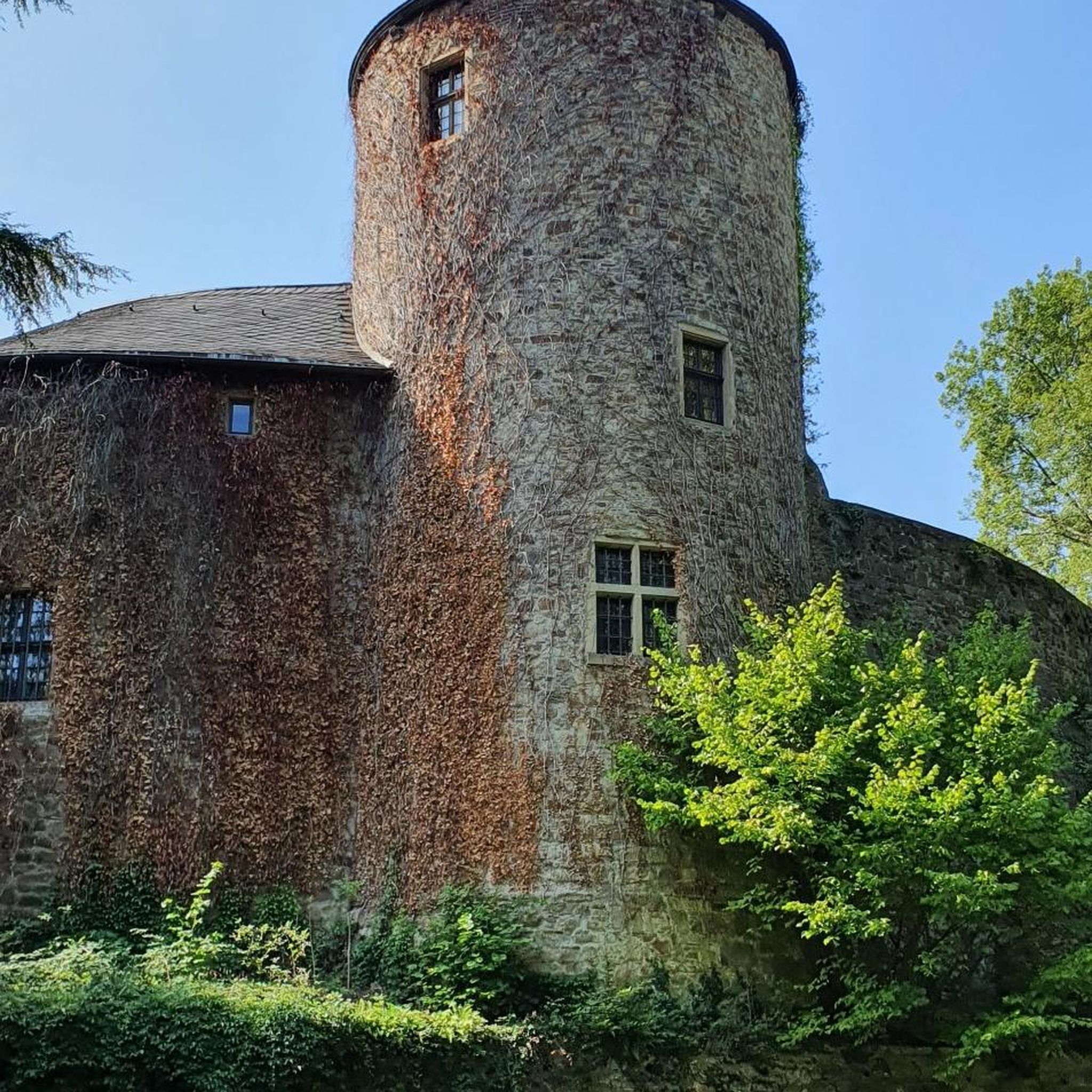
Ramefort Castle
Highlight • Castle
Translated by Google •
Tip by
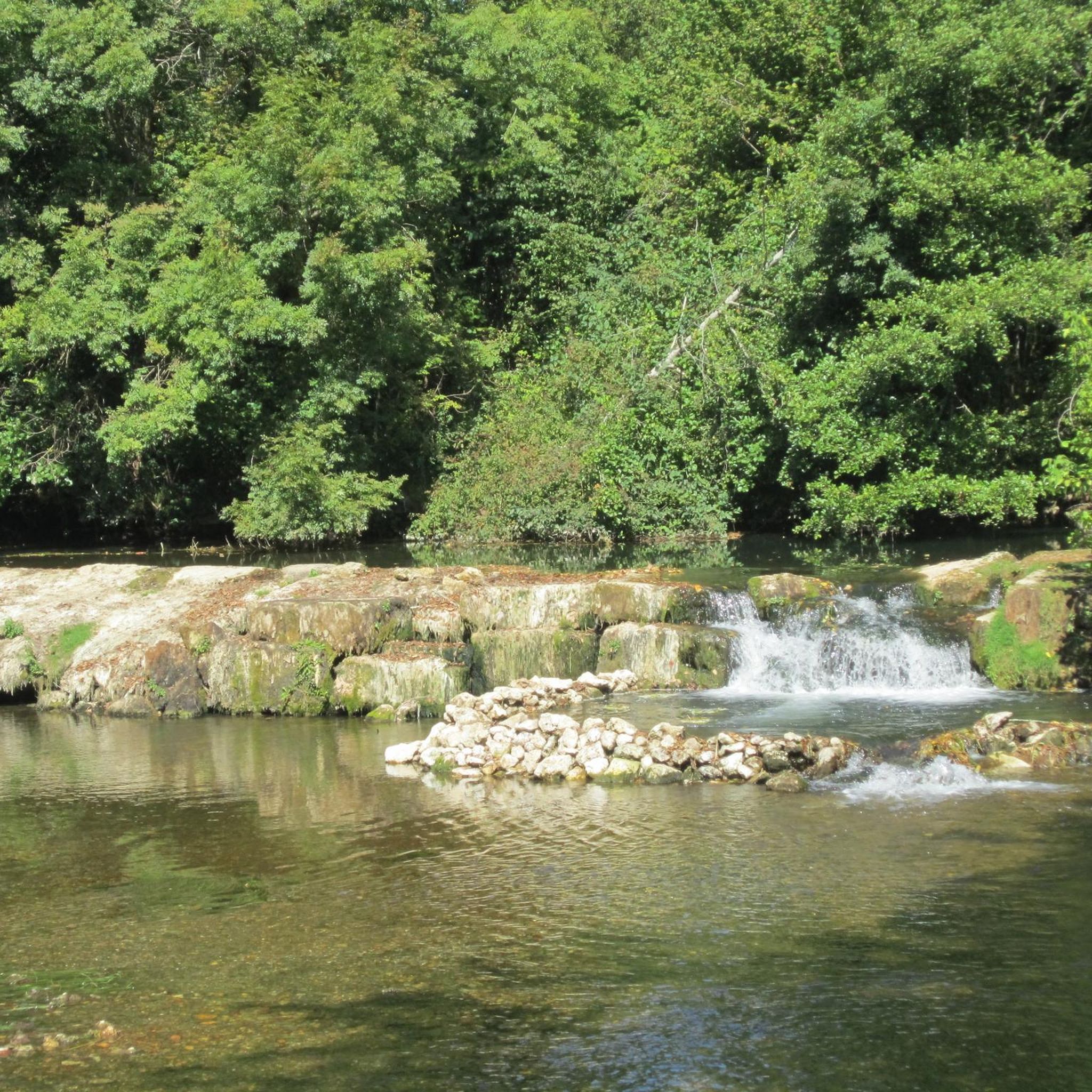
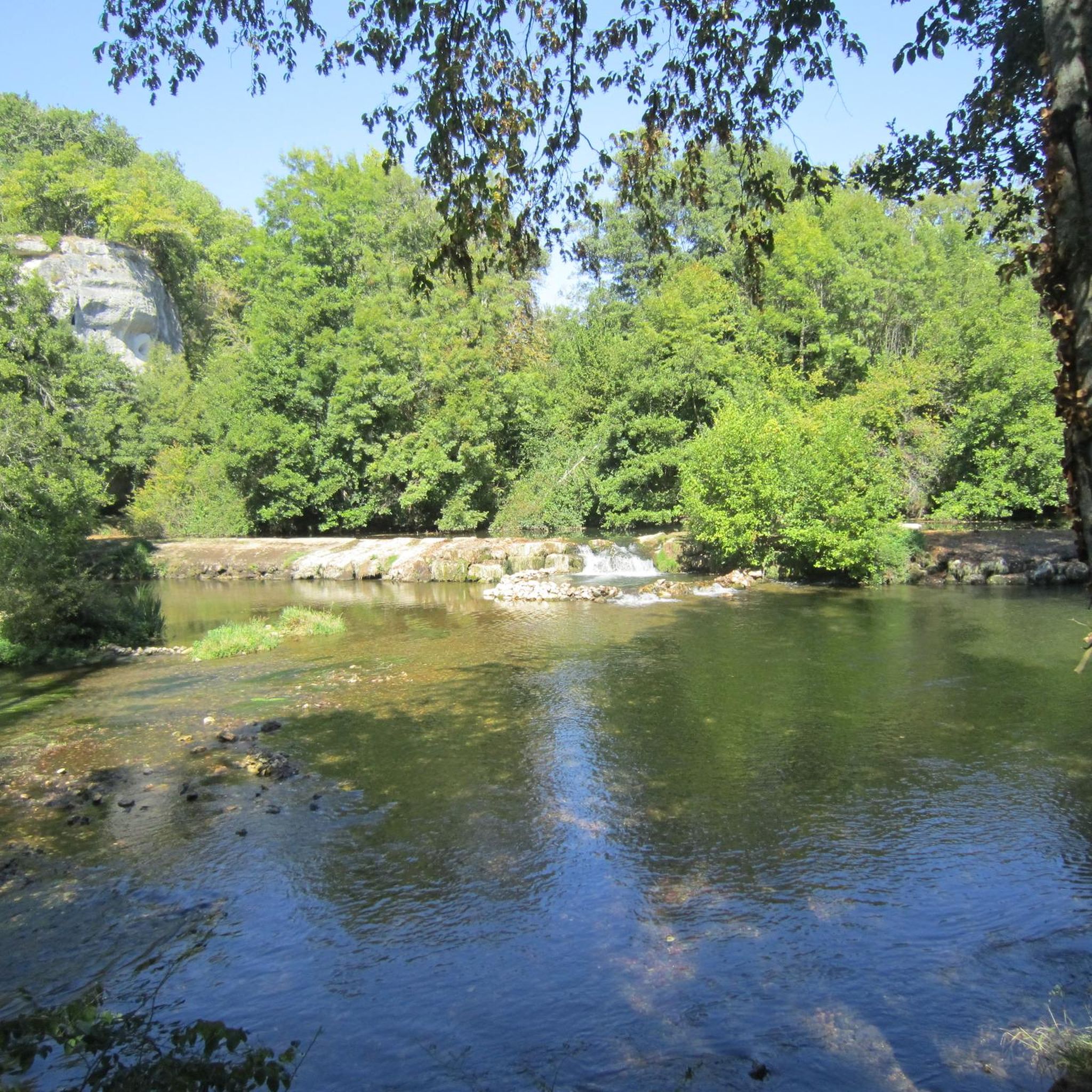
Dronne River
Highlight • River
Translated by Google •
Tip by

Sign up for free to discover even more attractions around Grand-Brassac.
Sign up for free
Already have an account?
Start today with a free account
Your next adventure awaits.
Login or Signup


Tips from the Community


Why Visit Saint-Aquilin? For its historical heritage: Between the Romanesque church, the Château de la Jarthe and its ancient traditions, Saint-Aquilin is a village where the past continues to live. For its peaceful landscapes: Nestled in a valley, the village offers magnificent views of the surrounding nature, ideal for recharging your batteries far from the hustle and bustle of modern life. For the authentic experience of rural life: The village, with its farms, craftsmen and local traditions, allows visitors to discover the culture of Périgord in all simplicity. Saint-Aquilin, with its discreet charm and rich heritage, is an ideal stopover for those who wish to explore the calm and authenticity of the Dordogne.
2
0
Natural Heritage: Bucolic Landscapes: Saint-Aquilin is surrounded by green hills, forests and fields, offering many opportunities for hiking and strolling through the countryside. It is a privileged place for nature lovers and those seeking peace and quiet. Rivers and Streams: The presence of small rivers and streams adds to the beauty of the landscape. These waterways are an integral part of the charm of the region. Fontaine Saint-Jean: Ancient Place of Worship: The Fontaine Saint-Jean is an ancient place of pilgrimage where, in the past, the inhabitants came to pray and ask for healings. This site, surrounded by peaceful nature, remains a point of curiosity for visitors. Holy Water: The fountain is still considered a place of meditation, with water that is traditionally associated with healing properties. Rural Life and Crafts: Local Agriculture: The region around Saint-Aquilin is rich in agricultural land. Visitors can discover local products, such as honey, fruits, and other regional specialties, directly from local farms. Crafts: A few local artisans perpetuate traditional skills, offering a unique opportunity to acquire handmade objects, which reflect the authentic character of the region.
2
0
Saint-Aquilin is a picturesque village located in the Dordogne department, in the Nouvelle-Aquitaine region. This charming village, nestled in a rolling and green landscape, is known for its historical heritage, its natural landscapes and its peaceful atmosphere. Saint-Aquilin embodies the essence of French rural villages, with its old stones, its small streets and its connection with the surrounding nature. Points of Interest in Saint-Aquilin: Saint-Eutrope Church: Roman Heritage: The Saint-Eutrope Church is a listed Romanesque building, dating from the 12th century. Its sober architecture, with its typical bell-wall of the region, makes it one of the historical jewels of the village. Refined Interior: The interior of the church contains interesting elements such as ancient frescoes and sculpted capitals. It is a place that bears witness to the long Christian history of the village. Château de la Jarthe: Historic Residence: The Château de la Jarthe, located not far from the village center, is a beautiful building dating from the 17th century. Surrounded by greenery and gardens, it bears witness to the elegance of the rural residences of the time. Park and Gardens: The castle park, with its shaded paths and century-old trees, is a peaceful place, ideal for a relaxing walk.
2
0
Why Visit the Château de Bourdeilles? Visit Bourdeilles for its medieval castle, partly renovated during the Renaissance. For its rich history: The castle, with its two distinct parts – medieval and Renaissance – offers a unique perspective on several centuries of French history. For its panoramas: The castle tower offers magnificent views of the surrounding countryside, a highlight for landscape lovers. For its architectural heritage: This castle combines the charms of a medieval fortress and the elegance of a Renaissance palace, a rarity that makes it a must-see destination in the Dordogne. The Château de Bourdeilles is a captivating visit, offering both an immersion in history and an appreciation of the region's landscapes. It is a place where one can travel through the centuries while enjoying the natural charm of the Dordogne.
1
0

Good evening, thank you for your opinions on tar. We are going to stay with a friend in Coulouniex-Chamier at the end of April to go mountain biking. Do you have some mountain bike routes that you have tested to suggest the least paved ones if possible? A big thanks . Gerard
1
0


The lair would have been built in the 11th century. Built sheer on the rock, with an enclosure wall pierced with loopholes, the castle commands the road that runs along the river, halfway between Brantôme and Bourdeilles.
3
0
Frequently Asked Questions
What historical sites can I visit around Grand-Brassac?
The region is rich in history. You can explore the impressive Bourdeilles Castle, which features both a medieval defensive structure and a Renaissance castle. Another notable historical site is Ramefort Castle, an 11th-century lair built sheer on the rock. Within Grand-Brassac itself, you'll find the 14th and 17th-century Château de Montardy and the 12th-century Romanesque Church of Saint-Pierre-et-Saint-Paul.
Are there any natural attractions or scenic viewpoints near Grand-Brassac?
Yes, the area offers beautiful natural landscapes. The Dronne River is a scenic waterway ideal for pleasant walks along its banks. Both Bourdeilles Castle and Ramefort Castle offer magnificent views of the surrounding countryside. The wider Dordogne region is also known for its UNESCO Biosphere Reserve status and the Périgord-Limousin Regional Natural Park.
What kind of outdoor activities can I do near Grand-Brassac?
The region is excellent for outdoor enthusiasts. You can find numerous routes for various sports. For running, explore trails like the 'Dolmen de Peyrelevade loop' or 'Zone humide du Roc loop' which you can find more about in the Running Trails around Grand-Brassac guide. Mountain biking is popular with routes such as the 'Bourdeilles Castle – Boulou Forge loop' and 'Dronne River loop', detailed in the MTB Trails around Grand-Brassac guide. Road cycling routes include the 'Brantôme Benedictine Abbey – Bourdeilles Castle loop' and 'Saint-Astier Bridges – Cote des Roches loop', available in the Road Cycling Routes around Grand-Brassac guide.
Are there family-friendly attractions around Grand-Brassac?
Yes, Bourdeilles Castle is considered family-friendly, offering an engaging historical experience for all ages. The active 12th-century Moulin de Rochereuil, where you can see walnut oil being made and taste local products, can also be an interesting visit for families. Exploring the local markets in nearby towns like Tocane-Saint-Apre or Riberac also offers a lively family outing.
Where can I experience local culture and gastronomy?
For a taste of local culture and gastronomy, consider the Circuit Découverte des Truffières, which offers truffle hunting demonstrations by appointment. The Moulin de Rochereuil is a working 12th-century walnut oil mill where you can observe the manufacturing process and sample local products. Additionally, nearby towns such as Tocane-Saint-Apre, Lisle, and Riberac host vibrant local markets where you can find regional produce and crafts.
What is Saint-Aquilin known for?
Saint-Aquilin is a picturesque village known for its historical heritage, natural landscapes, and peaceful atmosphere. Key points of interest include the Romanesque Saint-Eutrope Church, dating from the 12th century, and the 17th-century Château de la Jarthe. The village is surrounded by green hills and forests, making it a great starting point for hikes and bike rides, and is also home to the ancient Fontaine Saint-Jean.
Are there any unique local crafts or products to discover?
Yes, the region around Grand-Brassac and particularly in Saint-Aquilin, is known for its local agriculture and crafts. You can find local products such as honey, fruits, and other regional specialties directly from local farms. The Moulin de Rochereuil offers walnut oil, walnuts, kernels, cakes, jam, and honey. Local artisans in the area also perpetuate traditional skills, offering unique handmade objects.
What are some lesser-known attractions or 'hidden gems' in the area?
Beyond the main highlights, consider visiting the Romanesque Church of Saint-Pierre-et-Saint-Paul in Grand-Brassac, a fortified church with unique architecture. The Circuit Découverte des Truffières offers a specialized and authentic local experience. For a broader regional gem, the Monolithic Subterranean Church of Saint-Jean in Aubeterre-sur-Dronne (24 km away) is a magnificent and unusual site.
What do visitors enjoy most about the attractions around Grand-Brassac?
Visitors particularly appreciate the blend of historical immersion and natural beauty. The rich history of sites like Bourdeilles Castle, with its unique architectural blend and panoramic views, is highly valued. The tranquil and scenic environment of the Dronne River and the many paths for hiking and cycling are also frequently praised for their calm and natural beauty.
Where can I find information about prehistoric sites in the wider Dordogne region?
While Grand-Brassac itself focuses on medieval and cultural sites, the wider Dordogne Valley is renowned for its prehistoric caves. The Grotte de Montgaudier, about 42 km from Grand-Brassac, is a significant natural site. The Dordogne Valley as a whole is famous for its numerous prehistoric caves, offering a glimpse into ancient human history. You can find more information about the natural heritage of the region at visit-dordogne-valley.co.uk.
Are there any notable abbeys or religious sites nearby?
Yes, approximately 15 km from Grand-Brassac, you can visit Brantôme Abbey. This impressive abbey features troglodyte caves and is situated in the scenic town of Brantôme. Within Grand-Brassac, the Romanesque Church of Saint-Pierre-et-Saint-Paul is a significant 12th-century fortress-church with unique architectural details.
What are the best towns to visit for local markets near Grand-Brassac?
While Grand-Brassac may have smaller local events, nearby towns host vibrant markets. Tocane-Saint-Apre (5km), Lisle (5km), and Riberac (12km) are excellent choices for experiencing local markets, offering a variety of produce and crafts on different days of the week.

Get inspired with the komoot mobile app


Explore more
Still not found the Highlight you’re looking for? See guides of the top attractions in other regions:
