Attractions and Places To See around Vergetot - Top 20
Best attractions and places to see around Vergetot include a range of historical sites, natural features, and cultural towns in the Seine-Maritime department of Normandy. This farming village provides access to the Alabaster Coast, known for its dramatic chalk cliffs and picturesque coastal areas. The region offers a blend of rural French life and significant landmarks within a short distance.
Best attractions and places to see around Vergetot
- The most popular attractions is Fréfossé Castle (Le Tilleul), a castle…
Last updated: July 7, 2026
Fréfossé Castle (Le Tilleul)
Highlight • Castle
fr.wikipedia.org/wiki/Ch%C3%A2teau_de_Fr%C3%A9foss%C3%A9
Translated by Google •
Tip by

Saint-Jouin-Bruneval Church
Highlight • Other
A place for Belle Epoque celebrations
The Clos des Fées bears witness to an abundant period, before the war of 1914, the Belle Epoque. Writers, painters, musicians met …
Translated by Google •
Tip by
Sign up now to discover places like this
Get recommendations on the best single tracks, peaks, & plenty of other exciting outdoor places.
Sign up for free
Le Tilleul
Highlight • Religious Site
Translated by Google •
Tip by
Heuqueville
Highlight • Settlement
Tip by
La Poterie-Cap d'Antifer
Highlight • Other
Translated by Google •
Tip by
Sign up for free to discover even more attractions around Vergetot.
Sign up for free
Already have an account?
Start today with a free account
Your next adventure awaits.
Login or Signup


Tips from the Community

In addition to a remarkable sanctuary from the late 13th and early 14th centuries, the church houses an 18th-century polychrome wooden statue of Saint Sebastian.
2
0

Starting point for hikes and bike tours to the cliffs with their special features and the beaches!
1
0

The Château de Fréfossé is a historic castle in Normandy. It is located near Étretat and dates back to the 16th century. The castle was built in a classical style and has beautiful gardens and a park. It was once the residence of a noble family and is privately owned.
3
0

We cannot visit this private castle, which is a shame!
0
0

Bus stop 13 line Le Havre <=> Etretat and stop at Mairie de la Poterie and start your walk towards Etretat or the opposite
0
0

Long an agricultural town, La Poterie-Cap-d'Antifer has had a relatively peaceful history interspersed with Norman and English invasions. But it was mainly in the 20th century, during the Second World War, that the village distinguished itself with, in particular, the destruction of a German radar by British paratroopers and Norman resistance fighters in February 1942 as part of Operation Biting. . The lighthouse itself suffered from the events with its destruction in 1944 during a bombardment.
6
0
The name of our town is of Gallo-Roman origin. In the 12th century, the village was called Hugleville, becoming Heugleville sur mer in 1484, then Eugville in 1763 and finally Heuqueville. Heuqueville retained a feudal mound near the church until the 19th century. Before the revolution, Heuqueville had a sea watch, in order to avoid any enemy intrusion via our coasts. The church, dedicated to Saint Peter, was built in several periods starting from the 16th century. We invite you to come and visit this church and the secrets found there. (Information at the town hall secretariat). https://www.heuqueville.fr/histoire-et-patrimoine
6
0
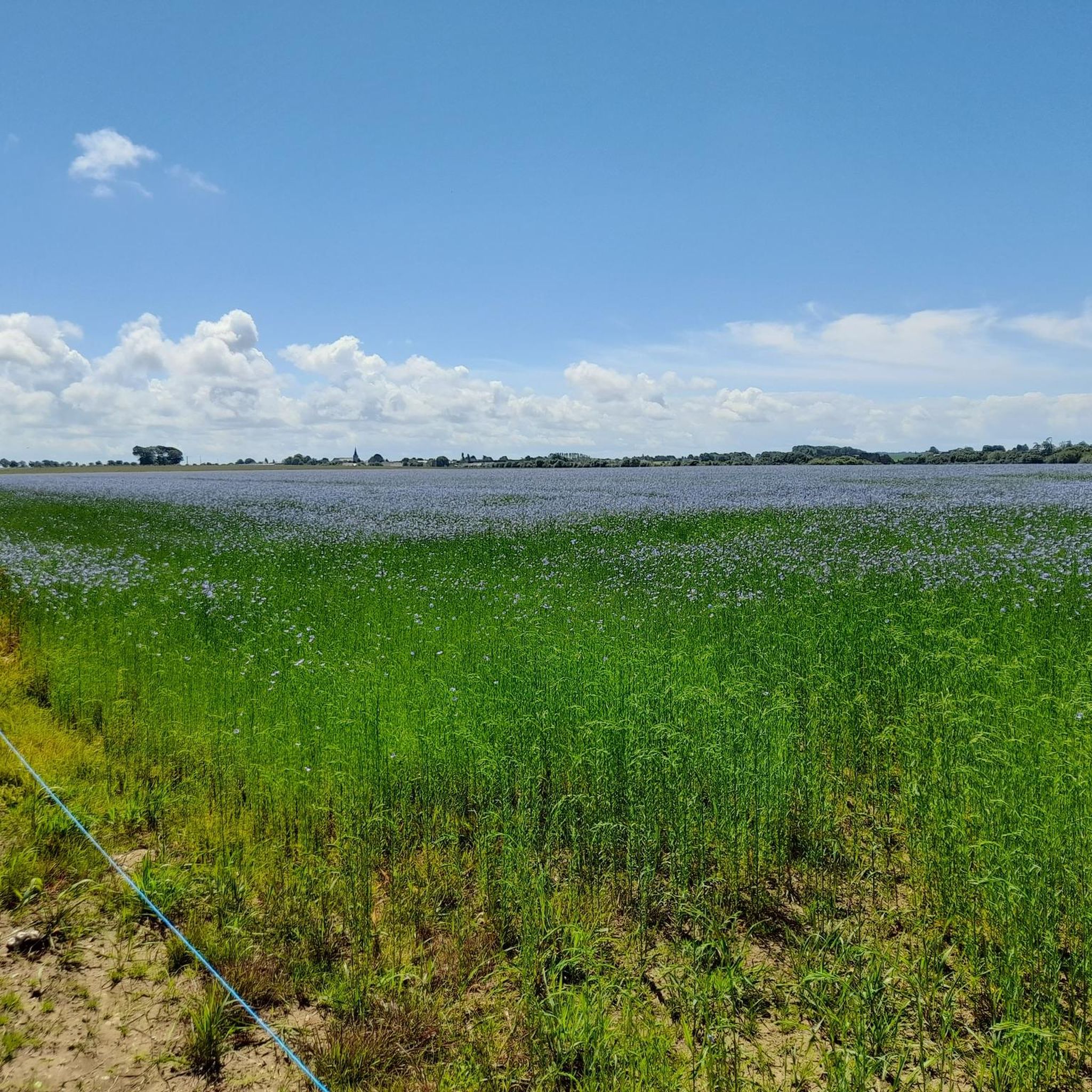
A farming village situated in the Pays de Caux, some 9 miles (14 km) north of Le Havre, at the junction of the D940 and D111 roads. The English Channel and huge limestone cliffs form the western border of the commune. Places of interest The church of St.Pierre, dating in part from the sixteenth century. The motte of an old castle.
6
0
Frequently Asked Questions
What historical sites can I visit near Vergetot?
The region around Vergetot is rich in history. You can explore the 16th-century Fréfossé Castle (Le Tilleul), known for its classical architecture and gardens. Another significant site is Château du Bec, a millennium-old castle showcasing Louis XIII and regional Cauchois architectural styles. Within Vergetot itself, the Church of St. Pierre dates back to the 17th century. Additionally, the Saint-Jouin-Bruneval Church features a sanctuary from the late 13th century.
Are there natural attractions to explore around Vergetot?
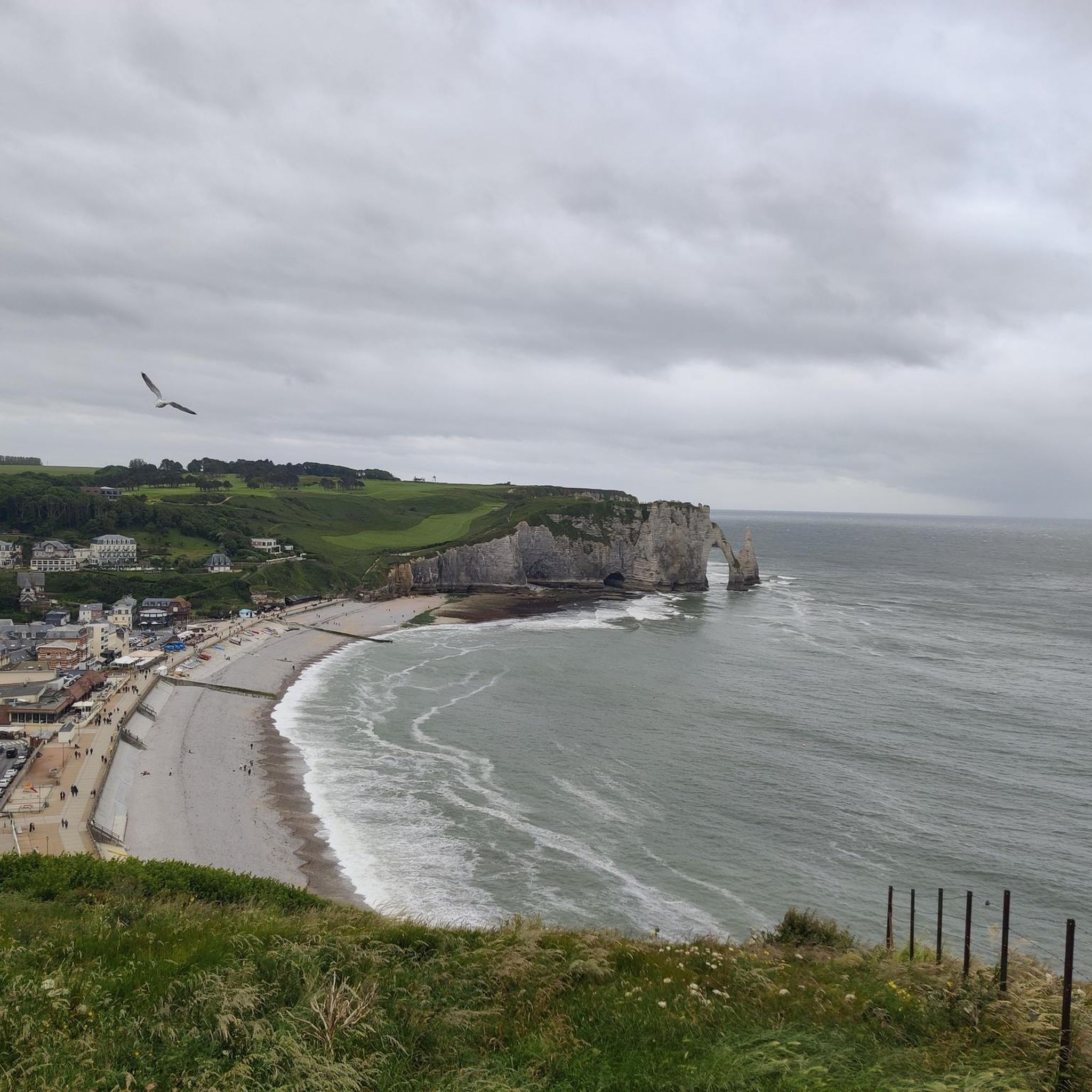
Absolutely. The most prominent natural feature is the dramatic Étretat Cliffs (Falaises d'Étretat), just 11 km away, famous for their white chalk formations, natural arches, and sea stack. You can also visit the pebble beach at Plage d'Étretat or Plage de Saint-Jouin-Bruneval. The wider Cote d'Alabâtre offers stunning coastal scenery, and the Seine Estuary Nature Reserve is a classified natural area worth exploring.
What are some family-friendly activities near Vergetot?
Families can enjoy the Aquabowling des Falaises in Criquetot l'Esneval, which offers a leisure center with a swimming pool and sports hall. Many of the castles, like Château du Bec, are also listed as family-friendly, offering grounds to explore. The beaches at Étretat and Saint-Jouin-Bruneval are also great for a family day out.
Where can I go for a coastal walk near Vergetot?
The Étretat Cliffs offer spectacular coastal walking opportunities with breathtaking views of the English Channel and formations like La Falaise d'Amont. The entire Alabaster Coast provides numerous paths along the cliffs and beaches. You can find various hiking routes, including coastal sections, by exploring the hiking trails around Vergetot.
What kind of hiking trails are available in the Vergetot area?
The Vergetot area offers a variety of hiking trails for different skill levels. You can find easy loops like the 'Hiking loop from Rolleville' (5.2 km) or more challenging options such as the 'Bois de Beaurepaire Trail – Gonneville-la-Mallet loop' (28.9 km). Many trails pass through picturesque villages, forests, and offer views of the local architecture. For more details, refer to the Hiking around Vergetot guide.
Are there options for road cycling near Vergetot?
Yes, road cycling is a popular activity in the area. You can find routes that take you through the countryside and along the coast. Examples include the 'Château du Bec – Abbaye de Montivilliers loop' (55.4 km) or the 'View of the Vaucottes Cliffs – Yport loop' (46.3 km). These routes offer a mix of moderate terrain and scenic views. Explore more options in the Road Cycling Routes around Vergetot guide.
What cultural towns are worth visiting close to Vergetot?
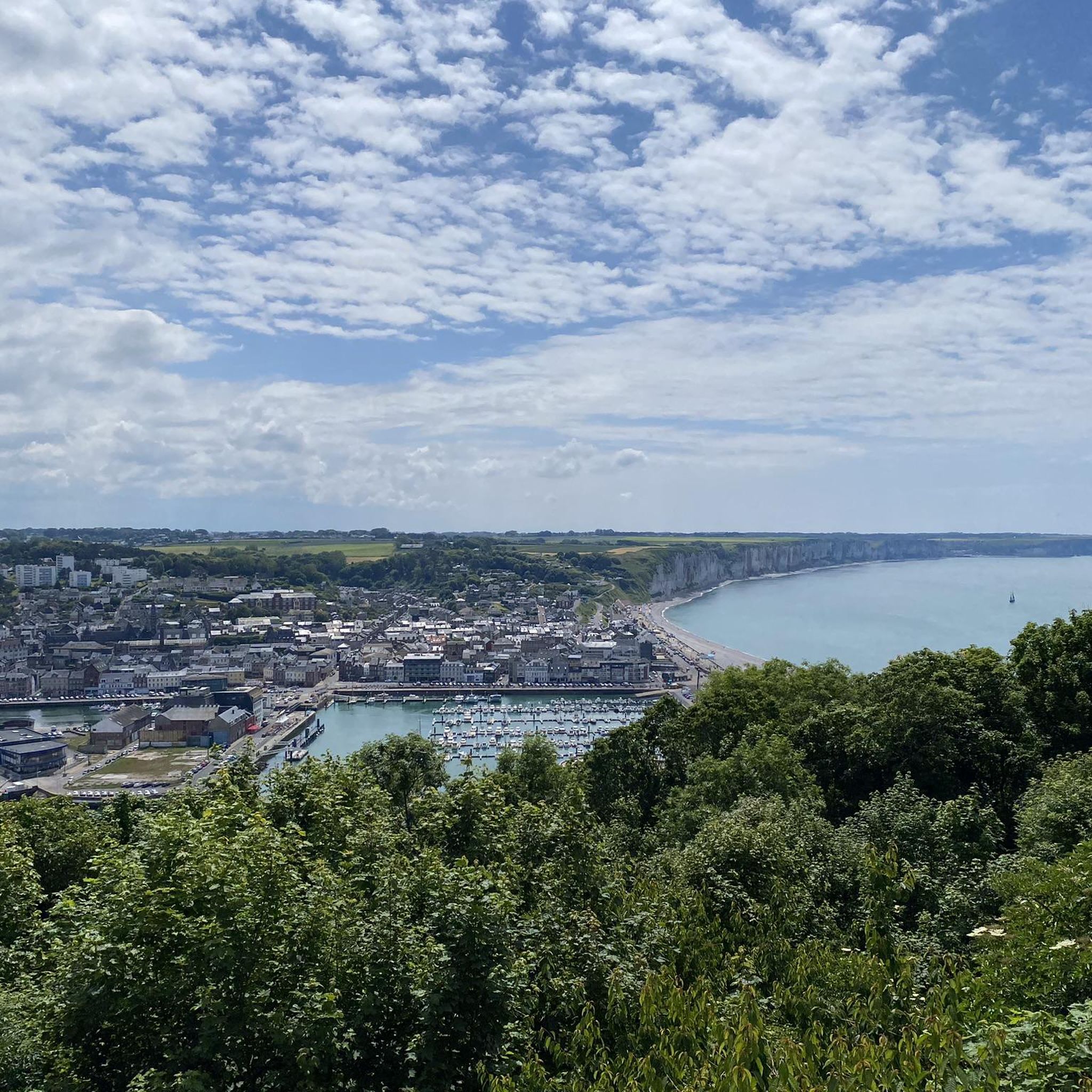
Several charming towns are within a short drive. Étretat is known for its natural beauty and picturesque town center. Yport, a small seaside resort, offers a pebble beach and attractive surroundings. Fécamp is an important town on the Alabaster Coast with a Bishop's Palace and an Abbey. Further afield, Le Havre (19 km) is a UNESCO World Heritage site recognized for its post-war concrete architecture, including the Saint-Joseph Church and MuMa art museum. Honfleur (23 km) is also noted for its many interesting sights.
What is the best time to visit the Étretat Cliffs?
The Étretat Cliffs are stunning year-round, but for the most pleasant experience, consider visiting during the spring (April-May) or early autumn (September-October). During these periods, the weather is generally mild, and the crowds are typically smaller than in the peak summer months. Summer (June-August) offers warmer temperatures but also attracts the most visitors.
Are there any unique architectural sites to see?
Beyond the castles, Le Havre, a UNESCO World Heritage site, showcases unique post-war reinforced concrete architecture by Auguste Perret, including the iconic Saint-Joseph Church and the distinctive 'The Volcano' buildings by Oscar Niemeyer. The Saint-Jouin-Bruneval Church also has a sanctuary dating from the late 13th and early 14th centuries, and is associated with the historic 'Clos des Fées' castle.
What markets can I visit in the towns surrounding Vergetot?
You can experience local life by visiting the markets in nearby towns. Gonneville-la-Mallet hosts a market on Wednesdays, Goderville on Tuesdays, Montivilliers on Thursdays, Étretat on Thursdays, and Fécamp on Saturdays. These markets offer a chance to discover local produce and crafts.
What do visitors particularly enjoy about the attractions near Vergetot?
Visitors appreciate the blend of historical sites, dramatic natural coastal features, and cultural towns. The area's castles, like Fréfossé Castle (Le Tilleul) and Château du Bec, are highly valued for their history and architecture. The stunning Étretat Cliffs are a major draw, offering spectacular views and hiking opportunities. The komoot community has shared over 15 photos and given more than 70 upvotes to the attractions in this region, highlighting their appeal.
What is there to see within Vergetot village itself?
While Vergetot is a small farming village, its primary historical attraction is the Church of St. Pierre, which dates back to the 17th century. The village offers a glimpse into rural French life and serves as an excellent base for exploring the wider region.

Get inspired with the komoot mobile app


Explore more
Still not found the Highlight you’re looking for? See guides of the top attractions in other regions:
