Attractions and Places To See around Compainville - Top 20
Best attractions and places to see around Compainville include historical sites, natural features, and cycling routes. This small village in Seine-Maritime, Normandy, is recognized as the source of the Epte River and is nestled within the Béthume Valley, overlooked by Mount Bénard. The area offers a blend of cultural heritage and scenic landscapes. Many attractions are found within Compainville and its surrounding areas, providing diverse options for exploration.
Best attractions and places to see around Compainville
- The most popular attractions…
Last updated: July 7, 2026
Andelle Ponds
Highlight • Lake
Translated by Google •
Tip by

Domaine de Forges and Historic Thermal Quarter
Highlight • Historical Site
Sign up now to discover places like this
Get recommendations on the best single tracks, peaks, & plenty of other exciting outdoor places.
Sign up for free
Railroads from Dieppe to Forges Les Eaux
Highlight (Segment) • Cycleway
Translated by Google •
Tip by

Forges-les-Eaux
Highlight • Settlement
Tip by

Avenue Verte
Highlight (Segment) • Cycleway
Translated by Google •
Tip by

Sign up for free to discover even more attractions around Compainville.
Sign up for free
Already have an account?
Start today with a free account
Your next adventure awaits.
Login or Signup



Tips from the Community

Went uphill from Dieppe to Paris, and still such a relief from English cycling paths.
0
0

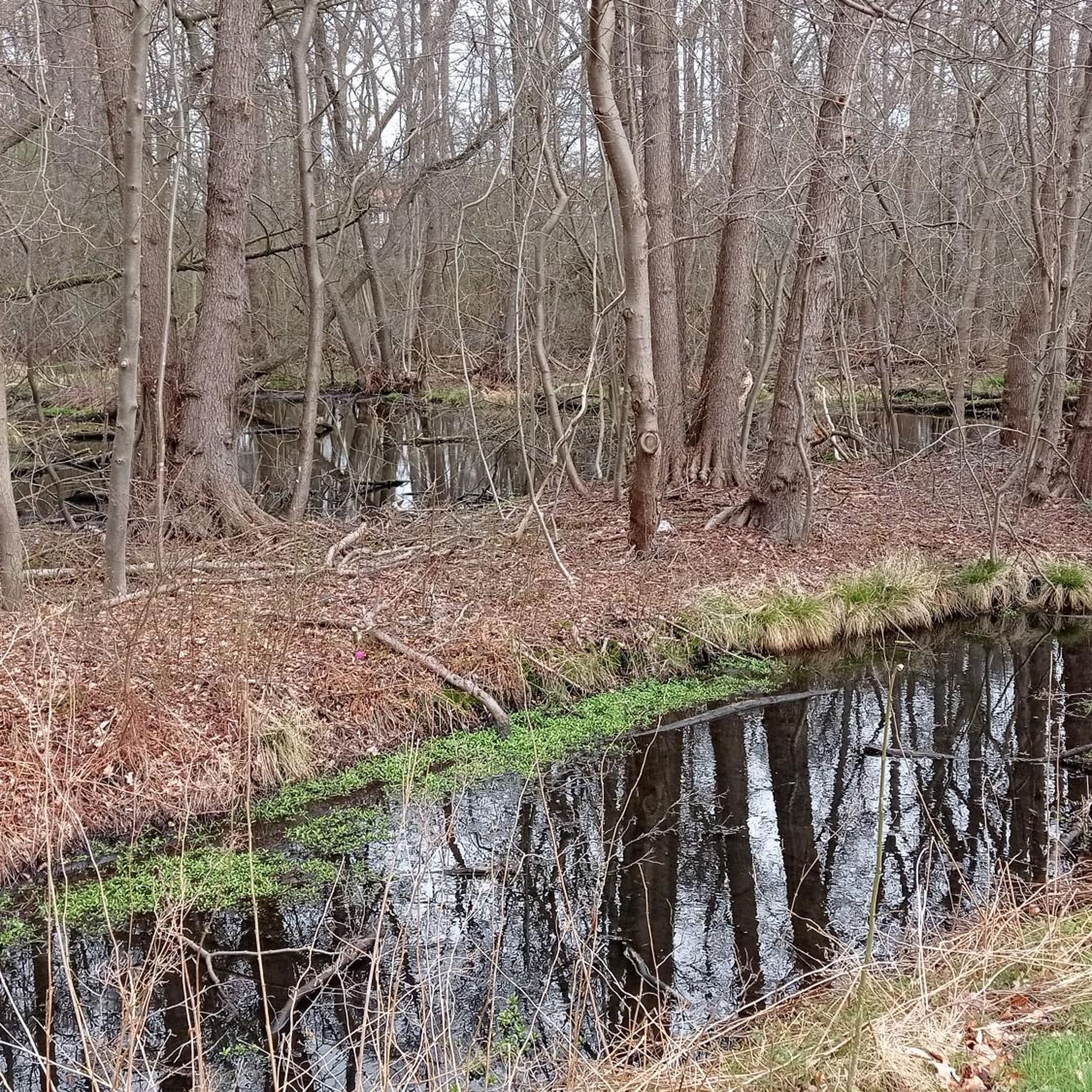
This natural area located in Forges-les-Eaux is organized around the ponds of the Andelle, formed by two rivers: the Andelle to the east and the Chevrette to the west. All around extends the Bois de l’Épinay, remarkable for the great diversity of tree species it shelters. You can walk there, observe the birds, picnic and take a quiet break enjoying the rustling of the many leaves.
1
0

This part of the city was developed from the 16th century with the discovery of ferruginous springs in the current Casino park. It was in 1573 that Nicolas de Moy, Grand Master of Water and Forestry, discovered the presence of ferruginous springs. They were made famous from 1633 with the arrival of King Louis XIII, Queen Anne of Austria and Cardinal Richelieu. The spa was thus born! The springs named Reinette, Royale and Cardinal were thus exploited for their property and their medicinal virtues until the 1980s. @OT Forges les Eaux
0
0
These artificial lakes were built in the late 1980s on a peat marsh. They are spread over two levels and separated by an earth dike, valves allow the water level to be controlled. They are fed by the Andelle river which has its source upstream. The wild ponds (to the North) were deliberately left in their natural state to allow birds to nest, while The Bird Mirror (to the South) was the subject of landscaping and ornamental development with consolidation of the banks. . @OT Forges les Eaux
0
0

Away from cars, but a bit monotonous...
1
0

This track, up to Forges-les-Eaux, pleasantly monotonous, has a perfect surface.
2
0

I recovered the green avenue from Forges-Les -Eaux to Dieppe and it is magnificent. The green avenue passes through the fields and passes over the old railway line. The old stations still present serve as homes or points of interest for a gourmet break.
2
0

Frequently Asked Questions
What historical and cultural sites can I visit in Compainville itself?
In Compainville, you can explore the 12th-century Église Saint-Pierre et Saint-Marc, which features well-preserved oak stalls and stained-glass windows. The village also hosts the archaeological remnants of a 15th-century ironworks at the Moulin Glinet, unique 18th and 19th-century cast-iron tombstone crosses, and a rebuilt bread oven that was once part of the 1354 Compainville castle.
What are the main natural features to explore around Compainville?
Compainville is notable as the source of the Epte River, which flows for 113 km. The village is also nestled within the scenic Béthume Valley and overlooked by Mount Bénard, offering picturesque green landscapes for exploration.
Are there good cycling opportunities near Compainville?
Yes, the area is excellent for cycling. You can enjoy the Railroads from Dieppe to Forges Les Eaux, a long, mostly flat cycle path following an old railway line. This route is part of the broader Avenue Verte, which connects Dieppe and Forges-les-Eaux, and also includes sections like the Avenue Verte London–Paris: Forges-les-Eaux to Neufchâtel-en-Bray. For more cycling routes, check out the Cycling around Compainville guide.
What historical attractions are there in the surrounding towns?
Nearby, Forges-les-Eaux is a settlement with a rich history of agriculture, spas, and iron manufacturing, dating back to Roman times. You can also visit the Domaine de Forges and Historic Thermal Quarter, famous for its ferruginous springs and visits from royalty like King Louis XIII. Further afield, Rouen offers a stunning cathedral and old town, and Dieppe features a castle and museum.
Are there any 'Most Beautiful Villages' to visit near Compainville?
Yes, two of France's 'Most Beautiful Villages' are within easy reach. Gerberoy (about 25 km away) is known for its 18th-century cottages and charming gardens, while Lyons-la-Forêt (about 30 km away) is celebrated for its attractive half-timbered buildings.
What kind of outdoor activities can I do near Compainville besides cycling?
Beyond cycling, the area offers various outdoor activities. You can find numerous hiking trails, including easy to moderate loops around Forges-les-Eaux, such as those near the Source de la Chevrette and Andelle Ponds. For more options, explore the Hiking around Compainville guide. Mountain biking trails are also available; consult the MTB Trails around Compainville guide for routes like the Mesnières-en-Bray Castle loop.
What do visitors enjoy most about the cycling routes in the area?
Visitors particularly enjoy the scenic and mostly flat nature of the cycle paths, especially the Railroads from Dieppe to Forges Les Eaux. Many appreciate being away from cars and the opportunity to explore small places along the way, even if it means a slight detour into a valley. The surface of the paths is generally considered perfect, with regular resting points.
Are there family-friendly attractions around Compainville?
Yes, several attractions are suitable for families. The cycle paths like the Railroads from Dieppe to Forges Les Eaux and the Avenue Verte are considered family-friendly. The town of Forges-les-Eaux and the Domaine de Forges and Historic Thermal Quarter also offer engaging historical exploration for all ages. Additionally, Parc Saint-Paul, a popular theme park, is about 41 km away.
What is Forges-les-Eaux known for?
Forges-les-Eaux is a charming French commune historically recognized for its agriculture, spas, and iron manufacturing. It played a significant role during Roman times as an iron production center and later became a renowned spa town, attracting royalty in the 17th century. Today, it offers a pleasant atmosphere for exploring typical French streets.
Can I find any hidden gems or unique local features in the Compainville area?
Beyond the main attractions, Compainville itself offers unique insights into local history with its 18th and 19th-century cast-iron Tombstone Crosses, which are distinctive to the Pays de Bray region and reflect the area's historical iron industry. The village's role as the Source of the Epte River is also a unique natural feature.
What is the best time to visit Compainville and its surrounding attractions?
While specific seasonal recommendations are not provided, the region's green landscapes and outdoor activities like cycling and hiking are generally best enjoyed during the warmer months, from spring through early autumn, when the weather is mild and conducive to outdoor exploration.

Get inspired with the komoot mobile app


Explore more
Still not found the Highlight you’re looking for? See guides of the top attractions in other regions:
