Attractions and Places To See around Essertenne - Top 20
Best attractions and places to see around Essertenne include a mix of historical landmarks and natural features. This village in Saône-et-Loire, France, is characterized by its tranquil countryside, the Dheune valley, and proximity to the Couchois vineyards. Visitors can explore cultural heritage sites and scenic landscapes, offering diverse experiences for those interested in history and outdoor activities.
Best attractions and places to see around Essertenne
- The most popular attractions is Saint-Léger-sur-Dheune, a settlement known for its historic Canal du…
Last updated: August 17, 2026
Saint-Léger-sur-Dheune
Highlight • Settlement
Translated by Google •
Tip by

Menhirs of Époigny
Highlight • Monument
Translated by Google •
Tip by

Sign up now to discover places like this
Get recommendations on the best single tracks, peaks, & plenty of other exciting outdoor places.
Sign up for free
La croix de Theu
Highlight • Historical Site
Translated by Google •
Tip by

Memorial stone for the fallen with rooster
Highlight • Other
Translated by Google •
Tip by

Church in Moroges
Highlight • Historical Site
Translated by Google •
Tip by

Sign up for free to discover even more attractions around Essertenne.
Sign up for free
Already have an account?
Start today with a free account
Your next adventure awaits.
Login or Signup

Tips from the Community


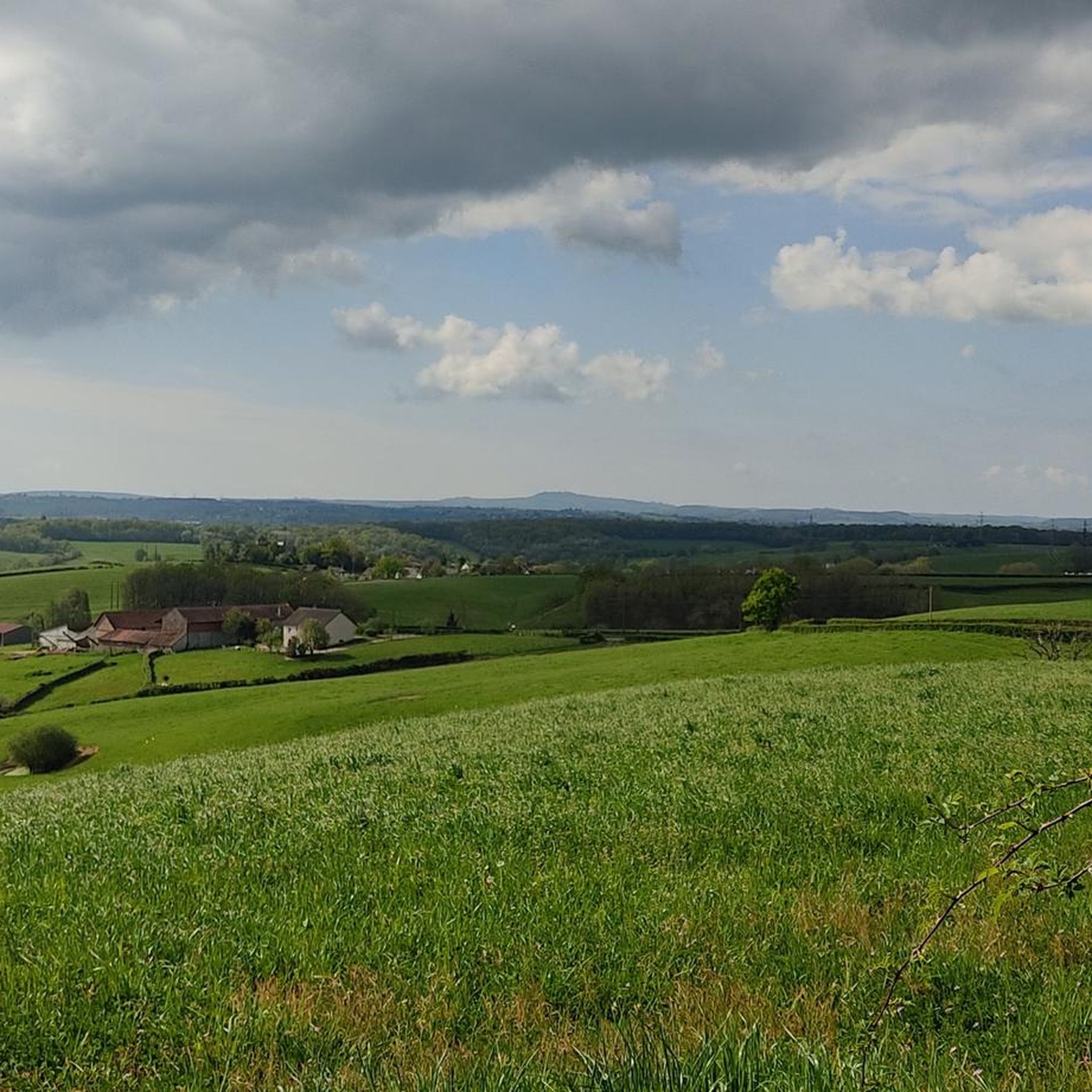
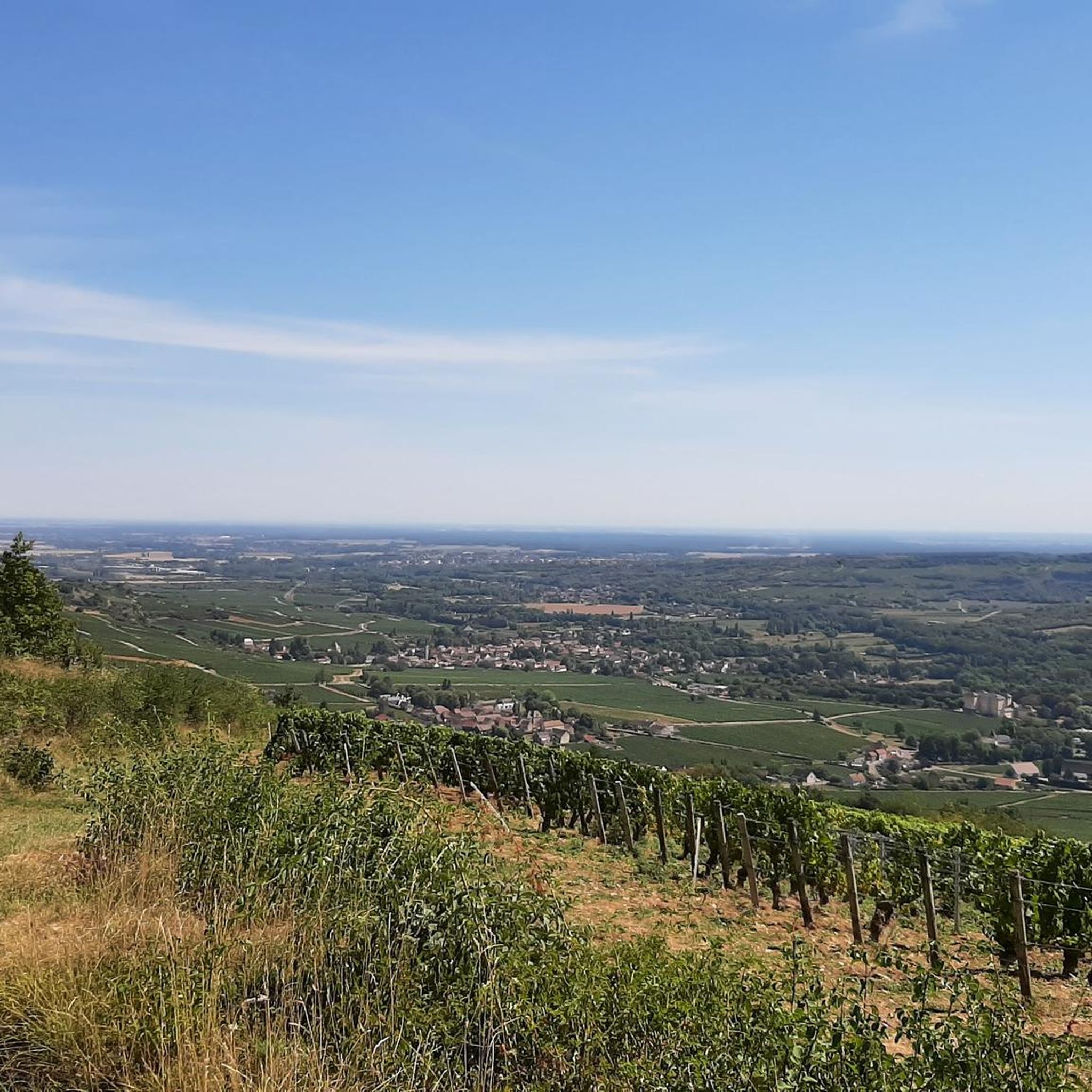
Once again, the builders of this small sacred monument chose a highly exposed location for the stone cross, which overlooks the expansive landscape. A multi-tiered base rises from the rocky subsoil. This culminates in a round shaft, estimated at two meters high, topped by a capital. Above it stands the actual cross, a Christian symbol of the redemptive act of Jesus, the incarnate Son of God.
2
0


The fact that they are attributed to the Middle Neolithic does not in any way rule out a presence that could go back to the Bronze Age. With a length of 7.30 m and a weight of around 30 tons, the large menhir is the most impressive in the whole of eastern France.
14
0
A set of seven menhirs that are about 5,000 years old and were erected by the Neolithic civilization. Later, the Gauls dedicated this place to Epogne, the goddess of horsemen. The highest is 7.35 meters.
16
0

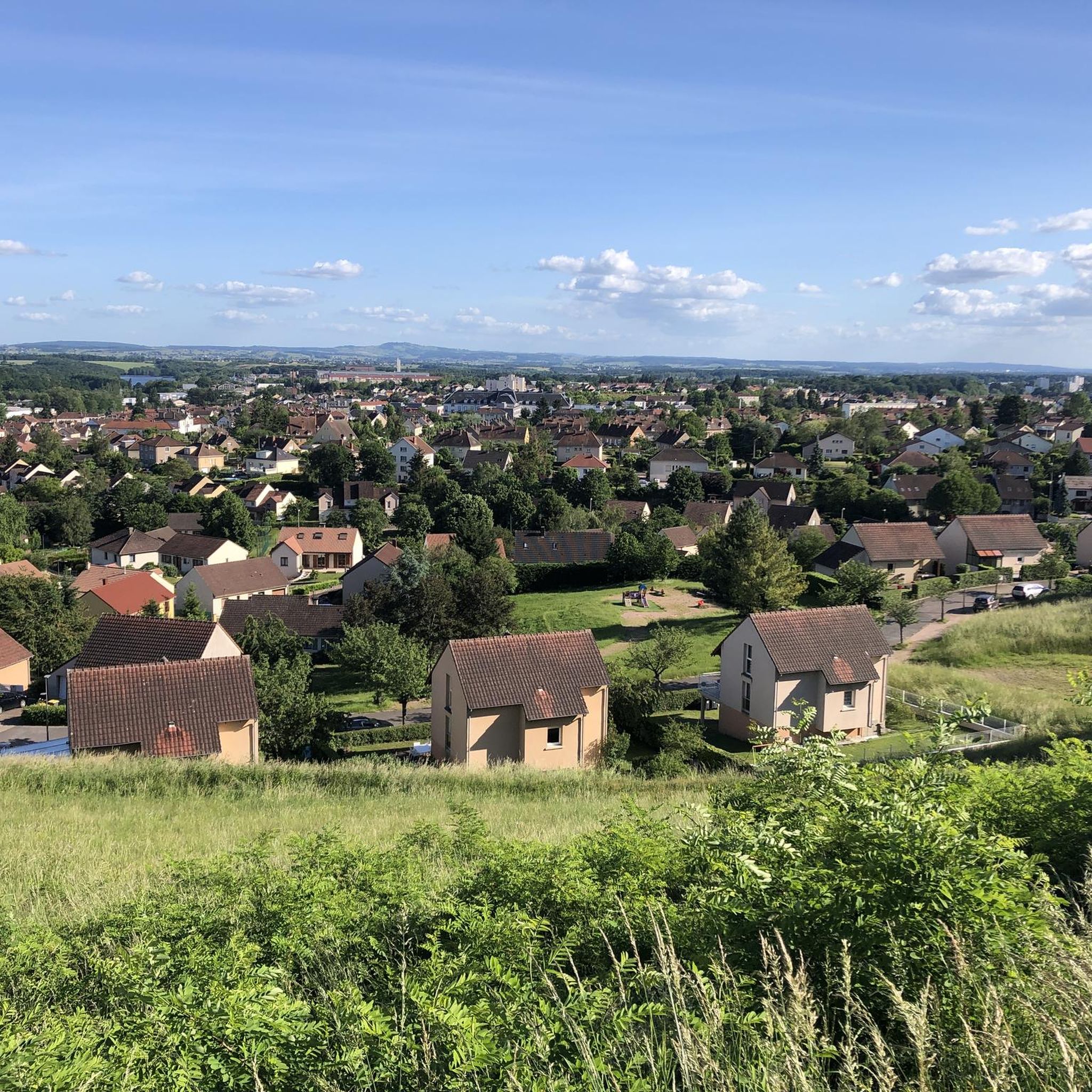
There is a very good restaurant on the bridge with a view of the canal. Newly built winter garden. Highly recommended
0
0

The rooster is a French national symbol. The association of the rooster and France was born from a play on words: the Latin word gallus means both “Gallic” and “rooster”. After an eclipse in the Middle Ages, the symbol of the French rooster was reborn in the 14th century. From the Renaissance, the animal interfered in representations of the King of France. If the contemporary political field prefers Marianne, the rooster remains the emblem of France in the eyes of the world.
4
0
The Saint Vincent de Moroges church, originally the Romanesque church of Saint-Martin, is a pretty 19th century church, located a little away from the town, but clearly visible with its bell tower decorated with polychrome tiles.
4
0
Frequently Asked Questions
What historical sites can I explore in and around Essertenne?
Essertenne and its surroundings are rich in history. You can visit the 12th-century Romanesque Church in the village center, which features a statue of Saint Sebastian. Nearby, the impressive Church in Moroges, a 19th-century church on the Way of Saint James, is notable for its bell tower with polychrome tiles. Don't miss the ancient Menhirs of Époigny, a set of seven megaliths dating back about 5,000 years. Further afield, the historic Château de Couches, also known as Marguerite de Bourgogne's castle, offers tours and wine tasting.
Are there any natural attractions or scenic viewpoints near Essertenne?
Yes, Essertenne offers several natural highlights and scenic spots. The village boasts numerous viewpoints providing panoramic vistas of the Dheune valley and the renowned Couchois vineyards. You can also enjoy the tranquility of Lac de Montaubry, located just 1 kilometer from the "Les Quatre Vents" walk. For a more extensive natural experience, the Cirque du Bout du Monde, approximately 21 km away, is recognized for its natural beauty.
What kind of outdoor activities can I do around Essertenne?
The area around Essertenne is ideal for various outdoor activities. You can explore the peaceful countryside on the "Les Quatre Vents" Walk, which offers numerous viewpoints over the Dheune valley and Couchois vineyards. For cycling enthusiasts, the Santenay Tourist Office offers bicycle rentals, including electric bikes, to explore the scenic "Voie des Vignes" or the "Voie Verte" along the canal. Additionally, there are many cycling routes available, such as those detailed in the Cycling around Essertenne guide, and hiking trails, which you can find in the Hiking around Essertenne guide.
Are there family-friendly attractions in the Essertenne region?
Absolutely! For families, the Parc des Combes in Le Creusot offers a range of activities over 70 hectares, including a steam or diesel train ride, a summer luge, and the "Déval'Train" roller coaster. Younger children (0-12) will enjoy Safariland Torcy, an indoor amusement park with a multi-level labyrinth, trampolines, and inflatable games. The ancient Menhirs of Époigny are also considered a family-friendly historical site to visit.
Where can I find walking trails with good views near Essertenne?
The "Les Quatre Vents" Walk is an excellent choice for scenic views, offering numerous vantage points over the Dheune valley and the Couchois vineyards. This trail allows you to explore the calm and peaceful countryside. Another spot offering great views is La croix de Theu, from where you can appreciate the valley of Vaux and the summit of Montabon.
What is Saint-Léger-sur-Dheune known for?
Saint-Léger-sur-Dheune is a charming settlement known for its historic Canal du Centre, which dates back to 1793. It features an excellent paved cycle path along the canal, making it a popular spot for cyclists. The village also has a bridge spanning both the canal and the cycle route, and historically served as an agricultural and wine-growing center.
Can I go running around Essertenne?
Yes, there are several running trails in the vicinity of Essertenne. You can find various routes with different difficulty levels, including moderate and difficult options. For detailed information and specific routes, refer to the Running Trails around Essertenne guide.
Are there any unique cultural experiences available?
Beyond the historical landmarks, you can discover numerous wayside crosses scattered throughout the peaceful countryside around Essertenne, adding to the area's cultural heritage. For a unique experience, consider donkey hikes with Association Tit'Ane et Cie in Saint-Gervais-sur-Couches, offering guided walks with pack donkeys and carriage rides through the paths between Couchois and the Hautes Côtes de Beaune.
What is the significance of the Menhirs of Époigny?
The Menhirs of Époigny are a significant historical site, consisting of seven ancient standing stones. These menhirs are approximately 5,000 years old and were erected by the Neolithic civilization. The tallest among them reaches 7.35 meters, making it one of the most impressive in eastern France. Later, the Gauls dedicated this place to Epogne, the goddess of horsemen.
What can I expect when visiting Chalon-sur-Saône?
Chalon-sur-Saône, located about 24 km from Essertenne, is a larger town featuring a pleasant pedestrianized town center. It is also home to a notable cathedral, offering another historical and architectural point of interest for visitors.
What do visitors enjoy most about the attractions around Essertenne?
Visitors particularly appreciate the blend of historical landmarks and serene natural features. The excellent cycle path along the Canal du Centre near Saint-Léger-sur-Dheune is highly rated. The panoramic views from spots like La croix de Theu and the historical significance of sites like the Menhirs of Époigny are also frequently highlighted.

Get inspired with the komoot mobile app


Explore more
Still not found the Highlight you’re looking for? See guides of the top attractions in other regions:
