Attractions and Places To See around Le Pertuis - Top 20
Best attractions and places to see around Le Pertuis, located in the Haute-Loire department of the Auvergne-Rhône-Alpes region in France, offer a blend of natural beauty and historical elements. The area is characterized by its volcanic landscape, including several volcanic peaks known as "sucs," and dense forests. Visitors can explore geological formations, historical sites, and opportunities for outdoor activities.
Best attractions and places to see around Le Pertuis
- The most popular attractions is Queyrières volcano, a volcano featuring impressive…
Last updated: July 7, 2026
Queyrières volcano
Highlight • Volcano
Translated by Google •
Tip by

Croix de Couvet
Highlight • Monument
Translated by Google •
Tip by

Sign up now to discover places like this
Get recommendations on the best single tracks, peaks, & plenty of other exciting outdoor places.
Sign up for free
Notre-Dame Church
Highlight • Other
There is a large annual pilgrimage to this shrine, always on August …
Translated by Google •
Tip by
Blanlhac
Highlight • Other
Translated by Google •
Tip by
Saint-Julien-Chapteuil
Highlight • Settlement
Translated by Google •
Tip by
Sign up for free to discover even more attractions around Le Pertuis.
Sign up for free
Already have an account?
Start today with a free account
Your next adventure awaits.
Login or Signup

Tips from the Community

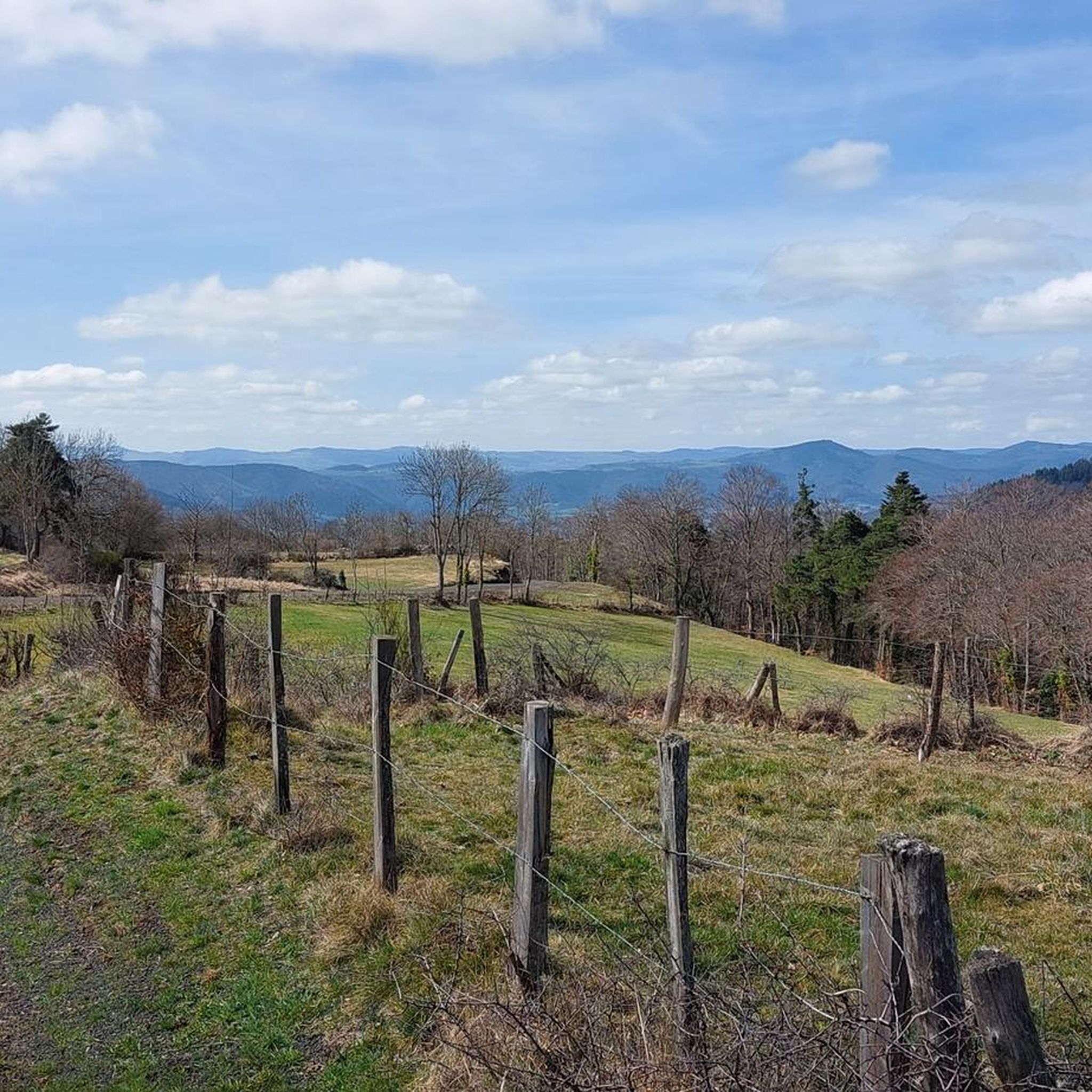
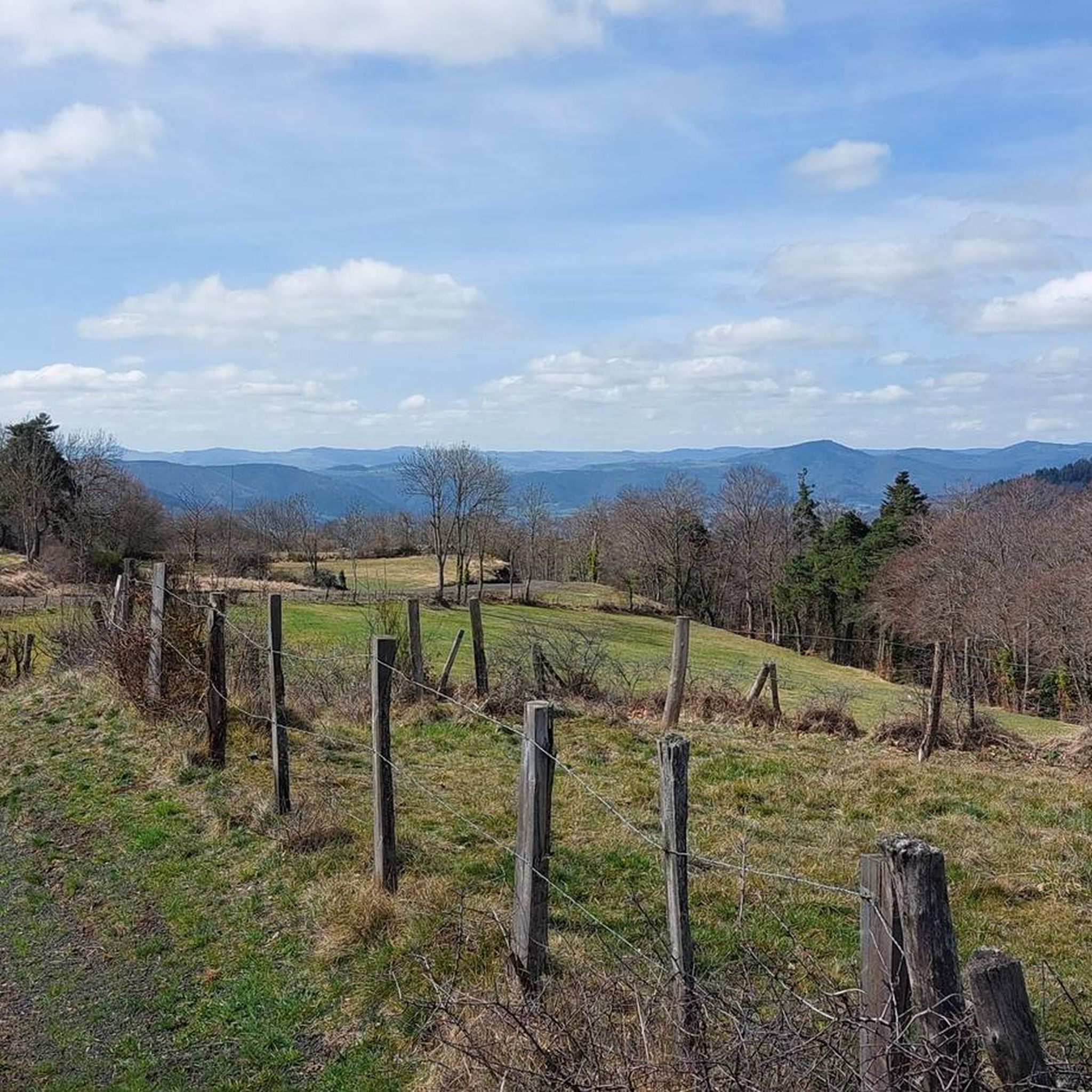
Beautiful viewpoint overlooking the village. Be careful on the climb to the cross; the rock is polished, and there's a risk of falling!
0
0

The town of Saint-Julien-Chapteuil is nestled in the heart of the Meygal massif. The town retains traces of its medieval past and you can appreciate its beautiful church and the ruins of the Château de Chapteuil. It is a town which has its own identity, offering all services and which has many shops.
0
0

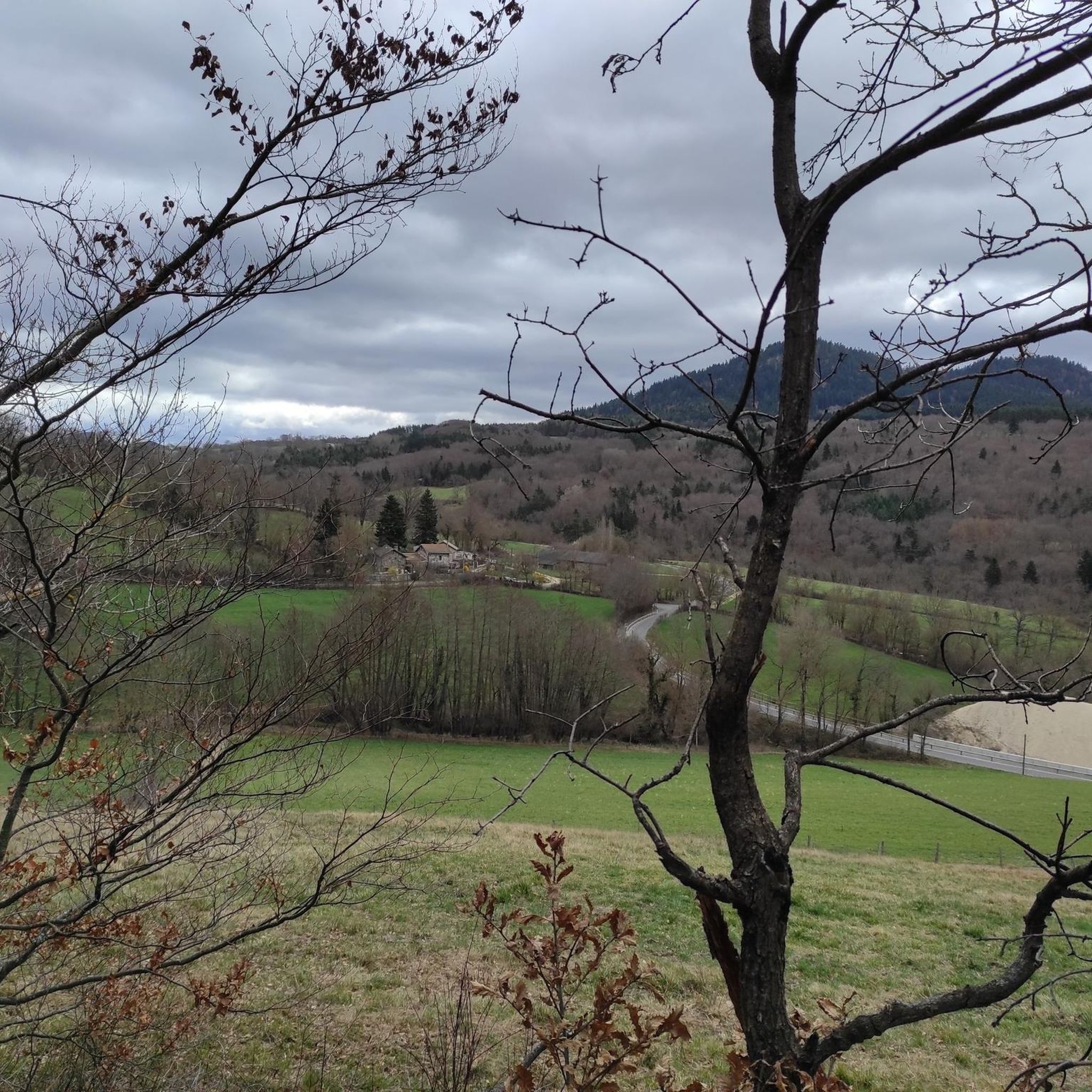
Blanlhac is surrounded by juices. Emeral Juice is two kilometers north of the village. The small town is also close to the Suc de Jalore (to the south) and the basalt organs of Mézères (to the east). It borders the Ran river which has numerous mills on its watercourse. This village has a common oven, a legacy of ancient times, it was a communal wood-fired oven. It was made available by the lord of the surrounding area to the service of the inhabitants so that they could come and bake their bread there. For each cooking the lord collected a tax.
0
0
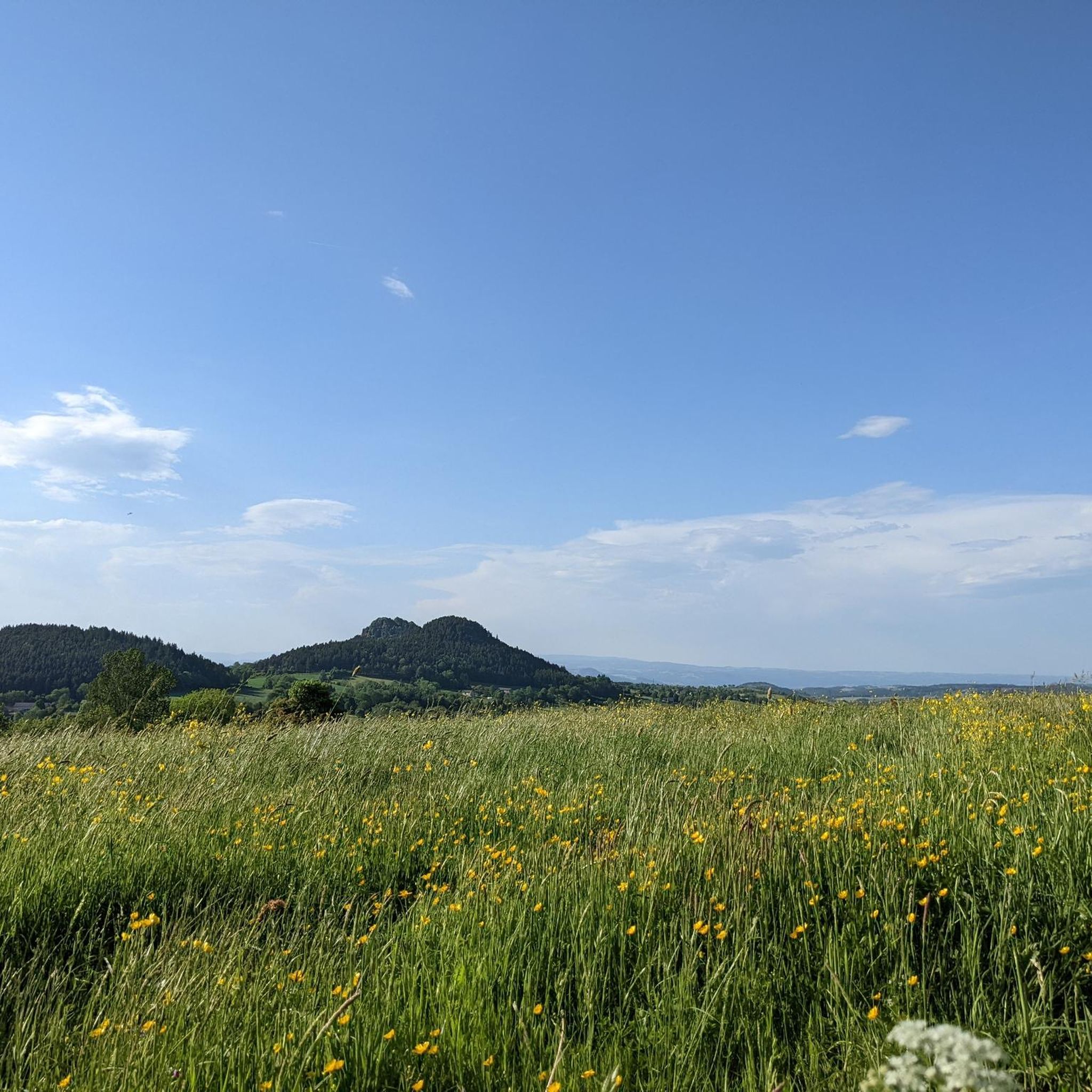
This volcanic organ has the particularity of being right in the center of the village. Queyrières, is actually beat around this volcanic curiosity. Among the finest examples known to date of volcanic organs, the Devil's Tower in Wyoming in the USA, and the Giant's Steps on the Irish coast are at the top of the list. The Velay region has many. It is therefore not necessary to take the plane to observe these incredible basalt columns so regular that they are reminiscent of an organ or steps built by man. It is a natural phenomenon.
5
0
Blanlhac is surrounded by juices. Emeral juice is two kilometers north of the village. The small town is also close to the Jalore juice (to the south) and the basaltic organs of Mézères (to the east). It borders the Ran river which has many mills on its watercourse. This village has a communal oven, a legacy of ancient times, it was a communal wood oven. It was made available by the lord of the surroundings to the service of the inhabitants so that they could come and bake their bread there. At each cooking the lord levied a tax.
2
0

The great pilgrimage to the church of Araules on August 15th refers to one of the many memorial or festival days in honor of the Mother of God Mary. This goes back to the festival of her physical assumption into heaven, which the (Catholic) Church celebrates annually on this date. In the Orthodox churches the feast is called the Dormition of the Virgin Mary. In many rural areas of Germany it is customary for bundles of herbs to be collected by the population on this day and blessed in the festival service.
2
0
“Each of these crosses can tell its own story and what motivated people to build “their” cross on this spot. (...) These crosses were erected as visible signs and attract the attention of many people. The cross is a symbol of life. It stands as a sign of our Christian hope and wants to direct our gaze to Jesus Christ, who conquered death (…). The cross is part of our lives, just as it was part of the life of Jesus. So I hope that many people ... visit the crosses, whether as places of silence and taking a breath before God, whether as places of community gathering, prayer and praise of God. (Text source: Dean Rainald M. Ollig in: “Wayside Crosses. Small sacred monuments as signs of popular piety”)
4
3

The small town of Araules can be seen from afar. The Saint-Marcellin church contains a sanctuary: Notre-Dame d'Araules. There is a large annual pilgrimage to this shrine, always on August 15th. Our Lady is said to have appeared to two shepherd children in 1846. A magnificently painted stained glass window commemorates this day.
7
0
Frequently Asked Questions
What natural geological features can I explore around Le Pertuis?
Le Pertuis is renowned for its volcanic landscape. You can explore several volcanic peaks, locally known as "sucs," including the Suc du Pertuis, Loségal, and Mont Gros. A must-see is the Queyrières volcano, which features impressive basalt columns resembling organ pipes. The Puy des Juscles is another notable bare volcanic peak with fissures and chasms.
What historical or cultural sites are worth visiting near Le Pertuis?
Beyond the natural beauty, the area offers several cultural and historical sites. The Notre-Dame Church in Araules is a significant sanctuary known for its annual pilgrimage. The settlement of Saint-Julien-Chapteuil retains traces of its medieval past, including an imposing church and château ruins. You can also visit the Croix de Couvet, a monument offering views of the Lizieux peak.
Are there opportunities for hiking in the volcanic landscape?
Yes, the region provides numerous opportunities for hiking. You can explore the volcanic terrain and natural scenery, including the vast Grande Vezolle forest and the dense woods covering the mountain flanks and the Truisson stream gorges. Many trails allow you to discover the unique volcanic formations and scenic viewpoints.
What outdoor activities are available besides hiking?
For those seeking more adventure, the Via Ferrata des Juscles at Puy des Juscles is a popular attraction, with routes suitable for various skill levels. Additionally, the area around Le Pertuis is excellent for cycling. You can find numerous road cycling routes, gravel biking trails, and running trails, catering to different preferences and difficulties.
Are there family-friendly attractions or activities in the area?
Families can enjoy exploring the natural landscapes through easy hikes suitable for all ages. The Croix de Couvet offers an accessible monument with scenic views. Nearby towns like Rosières and Saint-Julien-Chapteuil host vibrant markets, providing a cultural experience for the whole family. The picturesque villages in the vicinity also offer pleasant strolls.
What is the best time of year to visit Le Pertuis for outdoor activities?
The best time to visit Le Pertuis for outdoor activities is generally during the warmer months, from late spring to early autumn (May to October). During this period, the weather is most favorable for hiking, cycling, and exploring the volcanic landscapes. Summer offers lush greenery and full access to all trails and activities.
Can I find picturesque villages near Le Pertuis?
Yes, the region is home to several charming villages. Arlempdes, recognized as one of France's "Most Beautiful Villages," is about 28 km away and features a picturesque setting with its ruined castle. Sainte-Croix-en-Jarez, another "Most Beautiful Village," is a unique village that originated as a charterhouse. Pradelles, approximately 39 km away, is a historic village with lovely views.
Where can I find scenic viewpoints around Le Pertuis?
For panoramic views, head to the Croix de Couvet, which offers vistas of the Lizieux peak. The volcanic peaks themselves, such as the Suc du Pertuis, Loségal, and Mont Gros, also provide elevated perspectives of the surrounding landscape. The climb to the cross at the Queyrières volcano also offers a beautiful viewpoint overlooking the village.
Are there any water features like waterfalls or lakes nearby?
Yes, you can find natural water features within a reasonable distance. The Cascade de la Beaume, a natural waterfall, is located about 22 km from Le Pertuis. Additionally, Lac du Bouchet, a beautiful lake, is situated approximately 30 km away, offering a serene natural setting.
Are there markets nearby where I can experience local culture?
While specific markets within Le Pertuis are not detailed, nearby towns offer vibrant market experiences. Rosières hosts markets on Saturdays, and Saint-Julien-Chapteuil has markets on Mondays. These are great places to find local produce and immerse yourself in the regional atmosphere.
What are some lesser-known spots or 'hidden gems' in the Le Pertuis area?
Beyond the main attractions, consider exploring the Puy des Juscles for its unique fissures and chasms, or the impressive basalt columns of the Queyrières volcano, which are right in the center of the village. The Gorges de Loire also offer a beautiful, rugged landscape to discover, with the Loire river carving through a narrow rocky valley.
Most popular routes around Le Pertuis
Most popular attractions around Le Pertuis

Get inspired with the komoot mobile app


Explore more
Still not found the Highlight you’re looking for? See guides of the top attractions in other regions:
