Attractions and Places To See around Saint-Étienne-De-Chomeil - Top 20
Best attractions and places to see around Saint-Étienne-De-Chomeil include a blend of historical landmarks and natural features. The village is situated within the Parc Naturel Régional des Volcans d'Auvergne, offering diverse landscapes and opportunities for outdoor activities. Notable sites include the 11th-century Église Saint-Étienne-et-Saint-Clair and a 17th-century château. The area is also characterized by rivers, crests exceeding 900 meters, and lakes.
Best attractions and places to see around Saint-Étienne-De-Chomeil
- The most popular attractions is View over Bort-les-Orgues, a natural…
Last updated: October 9, 2026
Bort-les-Orgues Dam
Highlight • Other
Translated by Google •
Tip by

Saint-Genès-Champespe
Highlight • Religious Site
Translated by Google •
Tip by

Sign up now to discover places like this
Get recommendations on the best single tracks, peaks, & plenty of other exciting outdoor places.
View over Bort-les-Orgues
Highlight • Natural Monument
Translated by Google •
Tip by

Lac de la Crégut
Highlight • Lake
Translated by Google •
Tip by

Les Maisons Resistance Camp (1944)
Highlight • Historical Site
The site is highlighted by various commemorative and explanatory plaques.
At the end of June 1944, clashes took …
Translated by Google •
Tip by
Sign up for free to discover even more attractions around Saint-Étienne-De-Chomeil.
Already have an account?
Start today with a free account
Your next adventure awaits.


Tips from the Community


Wikipedia has information about the dam: FR: https://de.wikipedia.org/wiki/Barrage_de_Bort-les-Orgues DE: https://fr.wikipedia.org/wiki/Barrage_de_Bort-les-Orgues
1
1
The municipality of Bort-les-Orgues has around 2500 inhabitants and is located in the Dordogne valley. Bort is the name of a ford with a steep slope. The name les Orgues (the organ pipes) is given by a striking rock formation above the town.[
1
0

The Bort dam is a structure 120 meters high and 390 meters long, straddling the municipalities of Bort and Lanobre, and creating a reservoir of more than 10 km2. Built between 1942 and 1952, it was then a veritable concrete juggernaut and today it remains one of the largest dams in France (and still the third in mainland France if we look at the quantity of water retained by a concrete construction). It is also the first and largest reservoir in the hydroelectric system of the Dordogne valley.
0
0

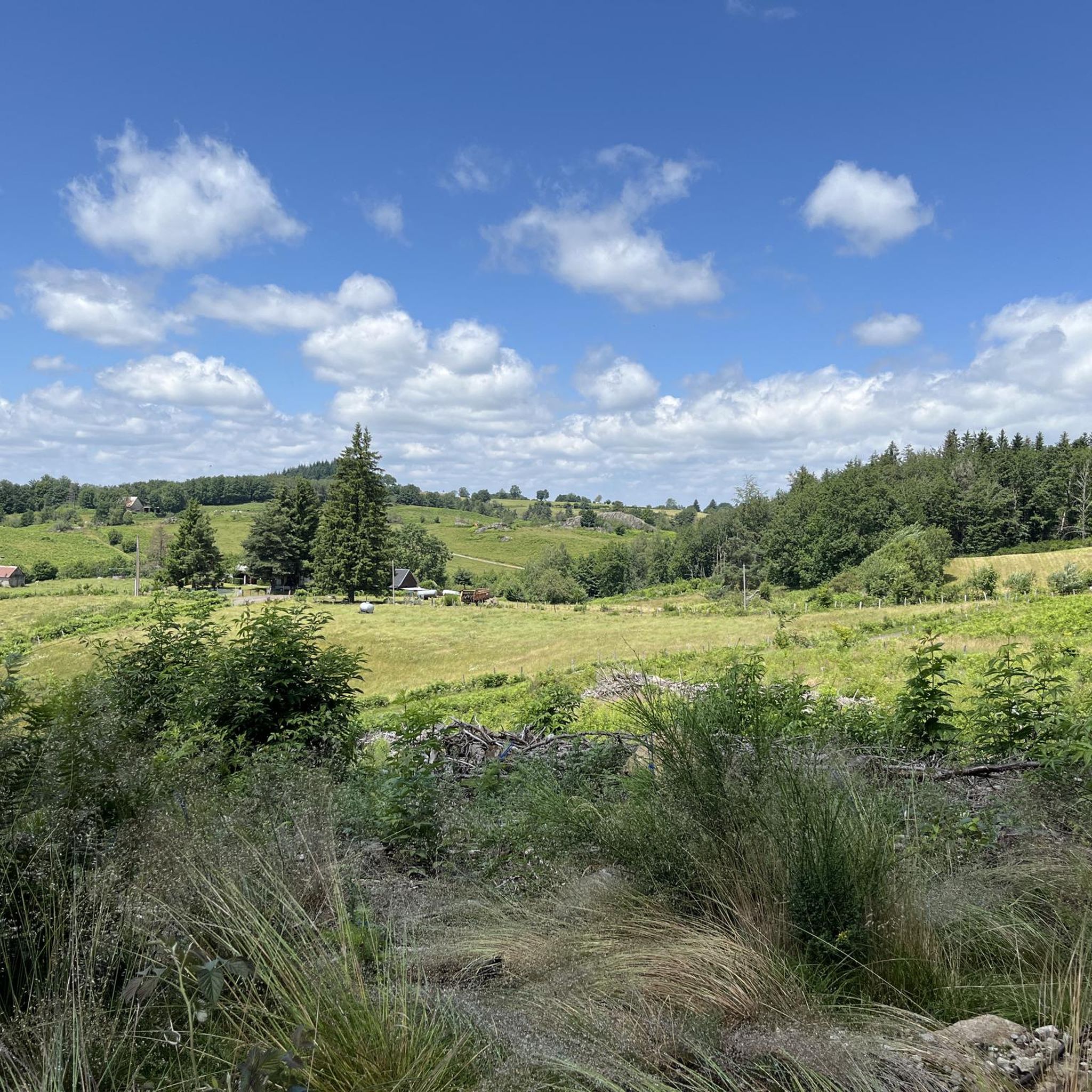
If you want to enjoy stunning views of the village of Saint-Genès-Champespe and its surroundings, you can hike up to the Saint-Sébastien church, which is perched on a hill overlooking the village. Built in 1907, the church is decorated with a bronze sculpture of a Salers cow, a local breed. From the church you can enjoy a panoramic view of the forests, lakes and mountains of the Auvergne region. You can also see Lake Laspialade and Lake Crégut, two magnificent lakes. It is an ideal place to admire the natural beauty and cultural heritage of Saint-Genès-Champespe.
3
0
The Bort dam is a structure 120m high and 390m long, straddling the municipalities of Bort and Lanobre, and creating a reservoir of more than 10 km2. Built between 1942 and 1952, it was then a veritable behemoth of concrete and it remains today one of the largest dams in France (and even still the third largest in mainland France if we look at the quantity of water retained by a construction of concrete). It is also the first and largest reservoir of the hydroelectric system in the Dordogne valley.
1
0
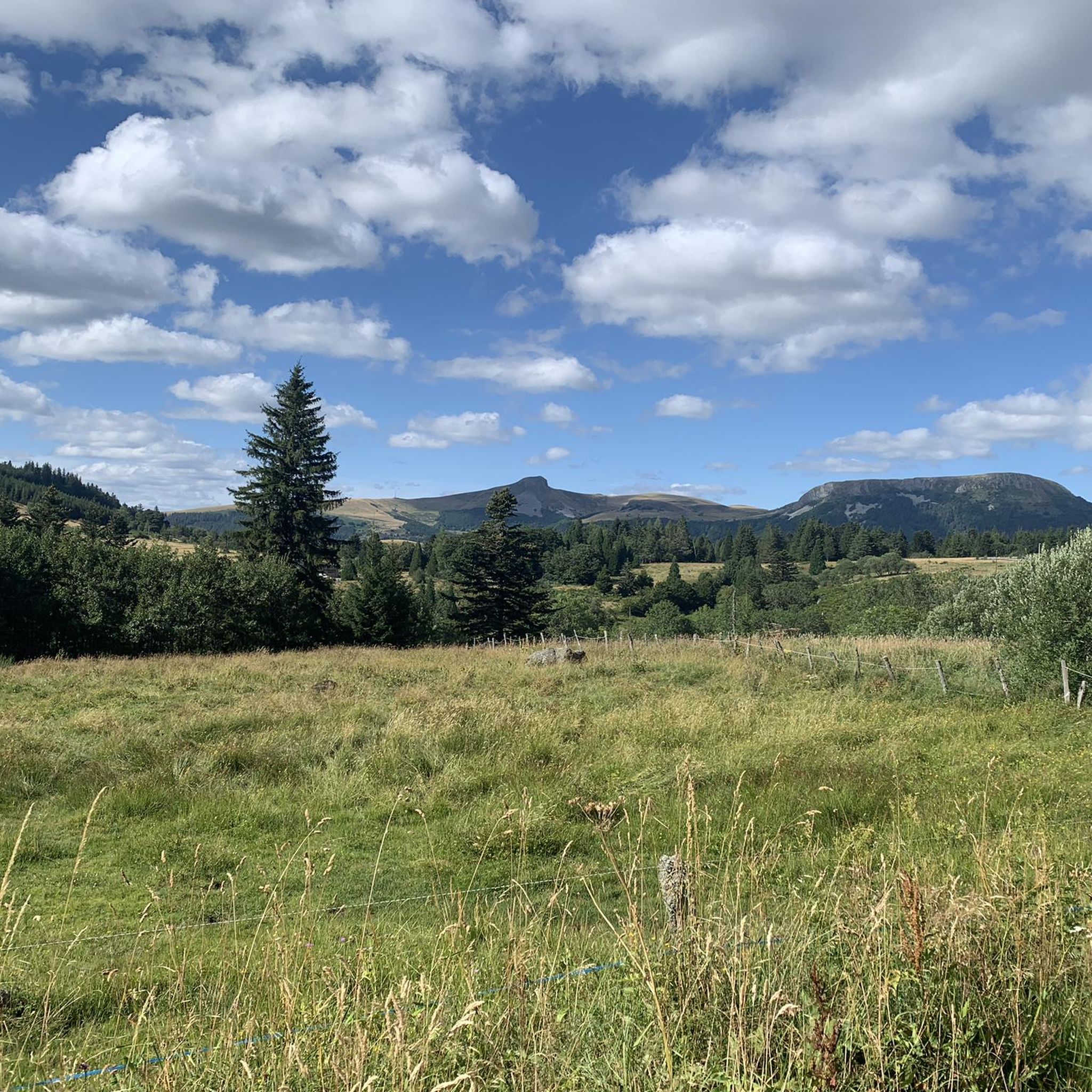
Lac de la Crégut is the largest natural lake of glacial origin in the Massif Central. From its banks, you can enjoy magnificent views of the Monts du Cantal and the surrounding lakes. It is now part of a whole system of reservoirs that supply water to the Rhue hydroelectric power station, at the Bort dam.
0
0

Small supervised family beach, very clean water with the possibility of eating in a nice atmosphere
0
0
Frequently Asked Questions
What historical and cultural sites can I explore in Saint-Étienne-De-Chomeil?
The area offers a rich historical tapestry. You can visit the 11th-century Église Saint-Étienne-et-Saint-Clair, which features Romanesque and Gothic architecture, a baroque altarpiece, and a 1564 bronze bell. Other notable sites include a 17th-century château with three machicolated towers, and restored communal ovens (fours banaux) in the surrounding hamlets. Additionally, the Les Maisons Resistance Camp (1944) provides a poignant historical experience with commemorative plaques.
Are there any notable churches or religious buildings to visit?
Yes, the Église Saint-Étienne-et-Saint-Clair is a significant historical monument, dating back to the 11th century with later Gothic additions. It houses a beautiful baroque altarpiece and statues. Another religious site is Saint-Genès-Champespe, where you can hike up to the Saint-Sébastien church for panoramic views of the village, forests, lakes, and mountains of the Auvergne region.
What natural attractions and viewpoints can I find near Saint-Étienne-De-Chomeil?
The region is part of the Parc Naturel Régional des Volcans d'Auvergne, offering diverse natural beauty. You can enjoy panoramic vistas from View over Bort-les-Orgues, where cliffs resemble a giant organ. The Lac de la Crégut is the largest natural lake of glacial origin in the Massif Central, offering magnificent views of the Monts du Cantal. The area is also characterized by the rivers Rhue and Sumène, and the Sentier Botanique de Chassagne, a 3,200-meter botanical path showcasing over a hundred identified plant species.
Are there any notable lakes in the Saint-Étienne-De-Chomeil area?
Yes, the most prominent is Lac de la Crégut, which is the largest natural lake of glacial origin in the Massif Central, offering stunning views of the Monts du Cantal. Another significant natural feature is Lac du Mont de Bélier.
What outdoor activities can I do around Saint-Étienne-De-Chomeil?
The region is ideal for various outdoor pursuits. You can explore numerous hiking trails, including easy loops around Lac de la Crégut. For cyclists, there are gravel biking routes and road cycling routes that take you through scenic landscapes, such as the Sumène-Artense Loop or routes exploring the Gorges de la Rhue.
Are there hiking trails suitable for different difficulty levels?
Yes, you'll find a range of hiking trails. For easy walks, consider the 'Lac de la Crégut Loop' or the 'Lac de la Crégut – Lake La Crégut loop from La Crégut'. Moderate options include the 'Lake La Crégut – Lake du Tact loop from La Crégut' and 'La Bonnetie loop from Champs-sur-Tarentaine'. These trails allow you to experience the natural beauty of the Parc Naturel Régional des Volcans d'Auvergne.
Are there family-friendly attractions around Saint-Étienne-De-Chomeil?
Yes, the natural beauty of the area offers several family-friendly options. The Lac de la Crégut is a great spot for families to enjoy the outdoors, with easy walks and scenic views. Exploring the traditional houses in the village and the restored communal ovens can also be an engaging activity for all ages, offering a glimpse into local heritage.
What is the best time to visit Saint-Étienne-De-Chomeil for outdoor activities?
The region is generally best enjoyed during the warmer months, from spring through early autumn, when the weather is most favorable for hiking, cycling, and exploring the natural landscapes of the Parc Naturel Régional des Volcans d'Auvergne. During these seasons, the botanical path of Chassagne is also vibrant with identified plant species.
What do visitors particularly enjoy about the attractions in this area?
Visitors frequently appreciate the stunning panoramic views, such as those from View over Bort-les-Orgues, which are described as a 'timeless place'. The natural beauty of the lakes, like Lac de la Crégut, is also highly praised for its impressive location and surrounding landscape, making it a 'little paradise' for nature lovers. The blend of historical sites and diverse outdoor activities contributes to a well-rounded experience.
Can I visit the Bort-les-Orgues Dam?
Yes, the Bort-les-Orgues Dam is a significant structure, standing 120 meters high and 390 meters long. Built between 1942 and 1952, it is one of France's largest dams and the primary reservoir in the Dordogne valley's hydroelectric system. It's an impressive feat of engineering to observe.
Are there any unique or less-known attractions to discover?
Beyond the main highlights, the village of Saint-Étienne-De-Chomeil itself is noted for its pretty and characteristic traditional houses. You can also discover numerous crosses, developed fountains, and springs that are part of the village's heritage, offering charming insights into local life and history.
Most popular routes around Saint-Étienne-De-Chomeil
Most popular attractions around Saint-Étienne-De-Chomeil

Get inspired with the komoot mobile app


Explore more
Still not found the Highlight you’re looking for? See guides of the top attractions in other regions:
