The best cycling routes around Vendenesse-Sur-Arroux
4.4
(46)
328
riders
66
rides
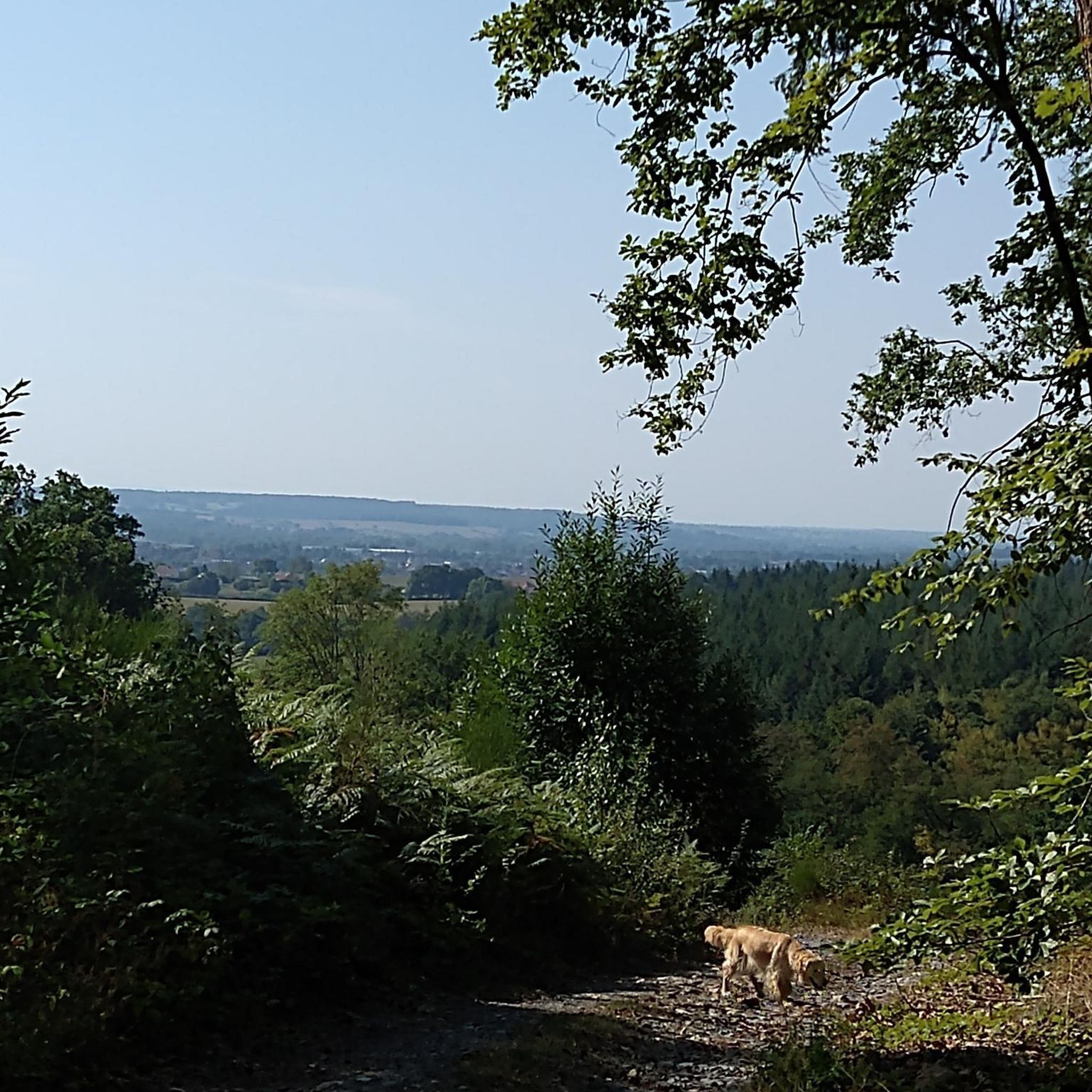
Touring cycling routes around Vendenesse-sur-Arroux traverse a rural landscape characterized by the Arroux River and its tree-lined banks. The region features undulating terrain, agricultural fields, and access to canal paths. This area of Saône-et-Loire offers a mix of flat routes along waterways and more varied paths through gentle hills and wooded sections.
Best touring cycling routes around Vendenesse-Sur-Arroux
- The most popular touring cycling route is Mysterious statue loop from Chemin des Mollands, an easy 13.5 miles (21.7 km) trail…
Last updated: July 6, 2026
9
riders
21.6km
01:17
90m
90m
Easy bike ride. Great for any fitness level. Mostly paved surfaces. Suitable for all skill levels.
5
riders
52.0km
03:10
420m
420m
Moderate bike ride. Good fitness required. Mostly paved surfaces. Suitable for all skill levels.

Sign up for free
5.0
(2)
5
riders
54.9km
03:20
430m
430m
Moderate bike ride. Good fitness required. Mostly paved surfaces. Suitable for all skill levels.
4.0
(1)
6
riders
25.3km
01:31
160m
160m
Moderate bike ride. Good fitness required. Mostly paved surfaces. Suitable for all skill levels.
4
riders
37.3km
02:16
320m
310m
Moderate bike ride. Good fitness required. Mostly paved surfaces. Suitable for all skill levels.
Get access to more routes and recommendations from other explorers.
Sign up for free
Already have an account?
Our route recommendations are based on thousands of hikes, rides, and runs completed by other people on komoot.
Start today with a free account
Your next adventure awaits.
Login or Signup

Tips from the Community


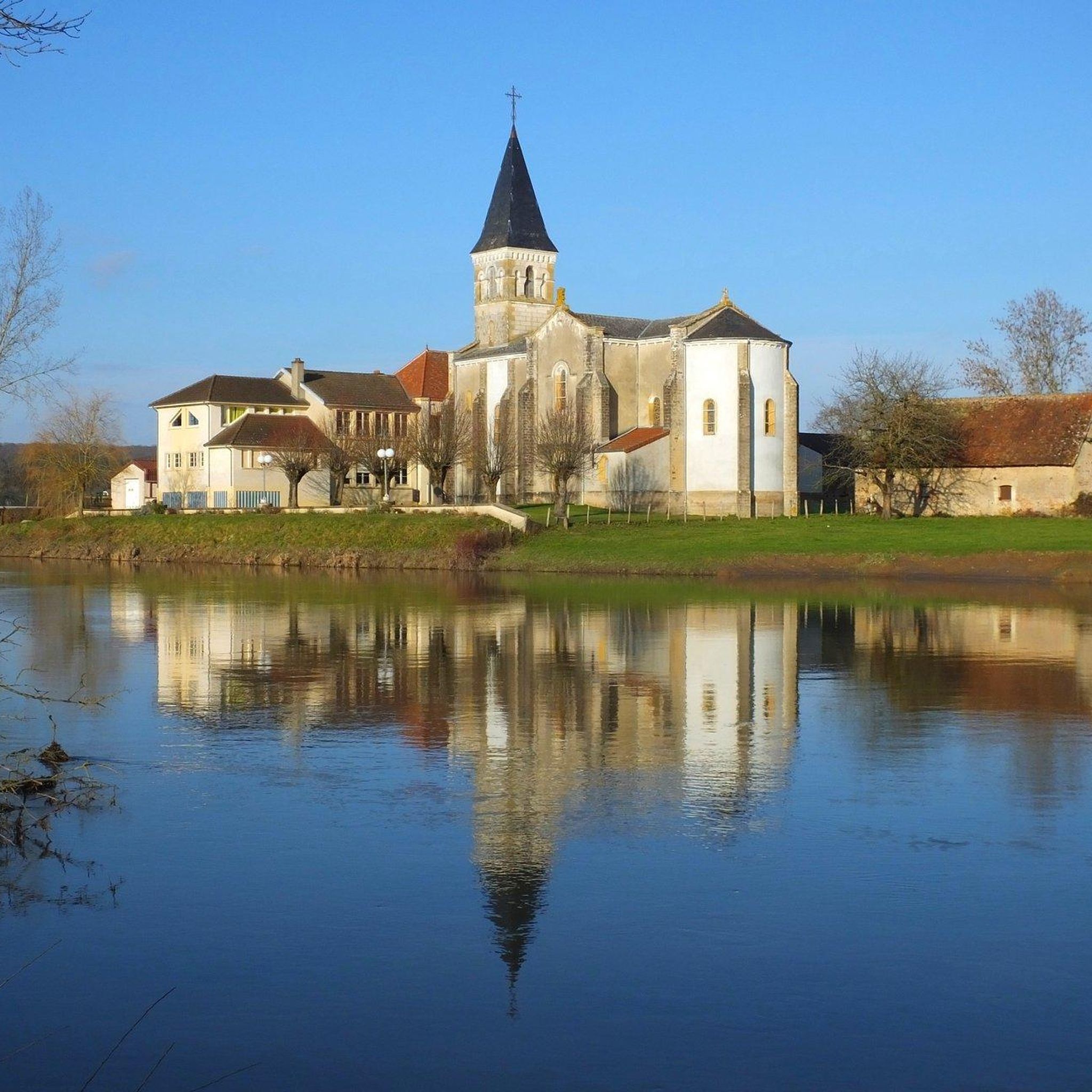
Toulon-sur-Arroux is known for hosting a Tibetan Buddhist temple in the hamlet of La Boulaye. The town also has two beautiful churches that are worth seeing: the Church of the Good Shepherd and that of Saint-Jean-le-Baptiste.
3
0

Refreshing drinks in a nice atmosphere on the banks of the Loire.
0
0
Very beautiful church with wonderful stained glass windows. A short visit is worthwhile.
0
0

Impressive "canal bridge" over the Loire, which was built over 180 years ago.
0
0

A large number of flint leaf tips dating from the Solutrean (Paleolithic) period were found near Digoin, in Volgu, indicating very early human settlement. Further Gallo-Roman and Merovingian traces of a settlement have been found. The place was known by the Latin name Denegontium, later Digonium. For several centuries, the city's activities developed on the banks of the river, where a port had been established on the Loire. From there, wine from the Mâcon and Chalon-sur-Saône area, wood from the Morvan, and stone blocks were exported to the Loire Valley and Paris. At the end of the 18th century, the construction of the Canal du Charolais (today: Canal du Centre) was pushed forward from Burgundy to connect the Saône with the Loire. This canal became navigable from 1794, intensifying the problems with the Loire's unreliable navigability. With the construction of the Roanne-Digoin Canal (1832) and the Loire Side Canal, shipping on the Loire itself gradually reduced and ceased completely during the second half of the 19th century. A stone canal bridge 243 meters long (eleven arches) enables the central canal to be linked to the Loire side canal. At the end of the 19th century, water from the Arroux River was diverted near Gueugnon and channeled into the Canal du Center via a supply canal east of the city in order to improve the canal's water supply. At that time, this canal was navigable for small ships. In the 1950s, the port of Gueugnon was closed and shipping on this supply channel ceased. Even after the decline of inland shipping, Digoin was an important transport hub for rail and road connections due to its central length. Thanks to good transport links, Digoin was able to expand its economy by establishing potteries and the Sarreguemines earthenware industry. Source: Wikipedia
2
0
Since the upper Loire was not without problems for shipping due to its irregular water level, a side canal running parallel to the river was built between 1827 and 1838. The Canal latéral à la Loire also represents the link between the Canal de Briare and the Canal du Centre. Inland vessels can travel from the English Channel via Paris and Lyon to the Mediterranean via four consecutive canals. Under the direction of Jean Joseph Pierre Vigoureux, the engineer Adolphe Jullien built one of the first large canal bridges in France near Digoin from 1834 onwards. It was completed in 1837[1] and opened to shipping at the same time as the canal was opened. The bridge was widened in 1870. From 1890 to 1896 it was reworked again by Léonce-Abel Mazoyer to adapt it to the dimensions of ships of the Freycinet class, with the water depth being increased by raising the trough walls. (Source: Wikipedia)
2
1

Always surprising a canal bridge!
0
0
Frequently Asked Questions
How many touring cycling routes are available around Vendenesse-sur-Arroux?
There are over 50 touring cycling routes available around Vendenesse-sur-Arroux, offering a diverse range of experiences for cyclists. These routes traverse a rural landscape characterized by the Arroux River, agricultural fields, and access to scenic canal paths.
What kind of terrain can I expect on touring cycling routes in Vendenesse-sur-Arroux?
The terrain around Vendenesse-sur-Arroux is generally undulating, providing a mix of experiences. You'll find flat routes along the Arroux River and canals, as well as more varied paths through gentle hills and wooded sections. The broader Burgundy region is known for its varied cycling, from flat canal paths to more challenging routes through vineyards and hills.
Are there easy touring cycling routes suitable for beginners or families?
Yes, Vendenesse-sur-Arroux offers several easy touring cycling routes. These often follow the tranquil riverbanks or canal paths, providing a gentle ride. For example, the Bike loop from Gueugnon is a moderate 25 km route with manageable elevation, suitable for those looking for a pleasant ride without significant challenges.
What are some notable natural features or viewpoints along the cycling routes?
The Arroux River and its tree-lined banks are a central natural feature, offering peaceful views. The region also features agricultural fields and wooded areas. While cycling, you might encounter views of the nearby Mount Dardon, which provides a prominent landmark in the landscape.
What historical sites or attractions can I visit while cycling in the area?
Vendenesse-sur-Arroux itself has historical roots, with its church and bridge reflecting its past. Within a reasonable cycling distance, you can explore the historic town of Toulon-sur-Arroux. The broader region is rich in heritage, with sites like the 12th-century abbey in Paray-le-Monial and the Priory of Anzy-le-Duc further afield.
Are there any circular touring cycling routes available?
Yes, many of the touring cycling routes around Vendenesse-sur-Arroux are designed as loops, allowing you to start and end in the same location. An example is the Digoin Canal Bridge – Digoin Canal Bridge loop from Gueugnon, a moderate 48.8 km route that offers a scenic circular journey.
What is the best time of year for touring cycling in Vendenesse-sur-Arroux?
The best time for touring cycling in Vendenesse-sur-Arroux is generally from spring through early autumn. During these seasons, the weather is typically mild and pleasant, making for comfortable riding conditions. The 'flowery' nature of the village and the lush riverbanks are particularly appealing in warmer months.
What do other touring cyclists say about the routes in Vendenesse-sur-Arroux?
The touring cycling routes in Vendenesse-sur-Arroux are highly rated by the komoot community, with an average score of 4.7 stars from over 30 reviews. Cyclists often praise the tranquil rural setting, the variety of routes along rivers and canals, and the overall peaceful atmosphere for touring.
Are there options for more challenging touring cycling routes?
While many routes are moderate, the undulating terrain of the region provides opportunities for more challenging rides. Some routes feature greater elevation changes, offering a good workout. The broader Saône-et-Loire department, which Vendenesse-sur-Arroux is part of, is known for its varied cycling experiences, including routes through hills and woods.
Where can I find parking for my bike when starting a tour?
As Vendenesse-sur-Arroux is a rural village, parking is generally available in and around the commune. Many routes start from nearby towns like Gueugnon, where you can typically find public parking areas suitable for starting your cycling tour. It's advisable to check local signage for specific parking regulations.
Are there any specific points of interest like castles or lakes nearby?
Yes, there are several points of interest. You can find the historic Château de Lucenier within cycling distance. For natural beauty, there's also a Small Fishing Lake that can be a pleasant stop along your route.
Most popular routes around Vendenesse-Sur-Arroux
Most popular attractions around Vendenesse-Sur-Arroux

Get inspired with the komoot mobile app


Explore more
Browse the best Cycling routes in other regions.
