Attractions and Places To See around Louvigny - Top 7
Best attractions and places to see around Louvigny, a commune in the Calvados department of Normandy, France, offers a mix of historical sites and natural landscapes. The area is characterized by its geography, including the Orne and Odon rivers. Visitors can explore historical monuments and enjoy the natural setting.
Best attractions and places to see around Louvigny
- The most popular attractions is Pimbo, a historical site and religious building located in southwestern France. It offers a picturesque village setting…
Last updated: October 5, 2026
Église Saint Pierre
Highlight • Other
During the formation of the Principality of the Pyrenees, around the 10th …
Showing Translation
Tip by

Pimbo
Highlight • Other
Translated by Google •
Tip by

Sign up now to discover places like this
Get recommendations on the best single tracks, peaks, & plenty of other exciting outdoor places.
Collegiate Church of Saint Bartholomew
Highlight • Religious Site
Translated by Google •
Tip by

Moulin de Louvigny
Highlight • Other
Translated by Google •
Tip by

Saint Quitterie Parish Church
Highlight • Religious Site
Showing Translation
Tip by
Sign up for free to discover even more attractions around Louvigny.
Already have an account?
Start today with a free account
Your next adventure awaits.



Tips from the Community

The original building was erected in the 12th century near the miraculous spring of Sainte-Quitterie (a virgin martyr very popular in the southwest of France). The spring, rebuilt in 1950, was already a place of pilgrimage before the construction of the parish church (its water was said to heal eye diseases and headaches).
2
0
The site of the abbey of Saint-Pierre de LARREULE was of great importance in the history of Béarn. During the formation of the Principality of the Pyrenees, around the 10th century, monks organized the large-scale clearing and development of the land; their abbeys were economic units. Only part of the Romanesque abbey church, built in the 12th century and rebuilt in the 16th century after significant destruction by Protestant troops, remains of the abbey. Three Romanesque capitals as well as several listed statues from the 17th and 18th centuries can still be seen there. As the nave (oriented East-West) was never rebuilt, the old Romanesque transept (oriented North-South) served as the nave from the 17th century onwards, when the west wall was erected to complete the church.
2
0
The Romanesque church was built in the 14th century. The main portal preserves elements from the end of the 12th century, as does the series of corbels that adorn the apse cornice and are characteristic of Romanesque art.
1
0


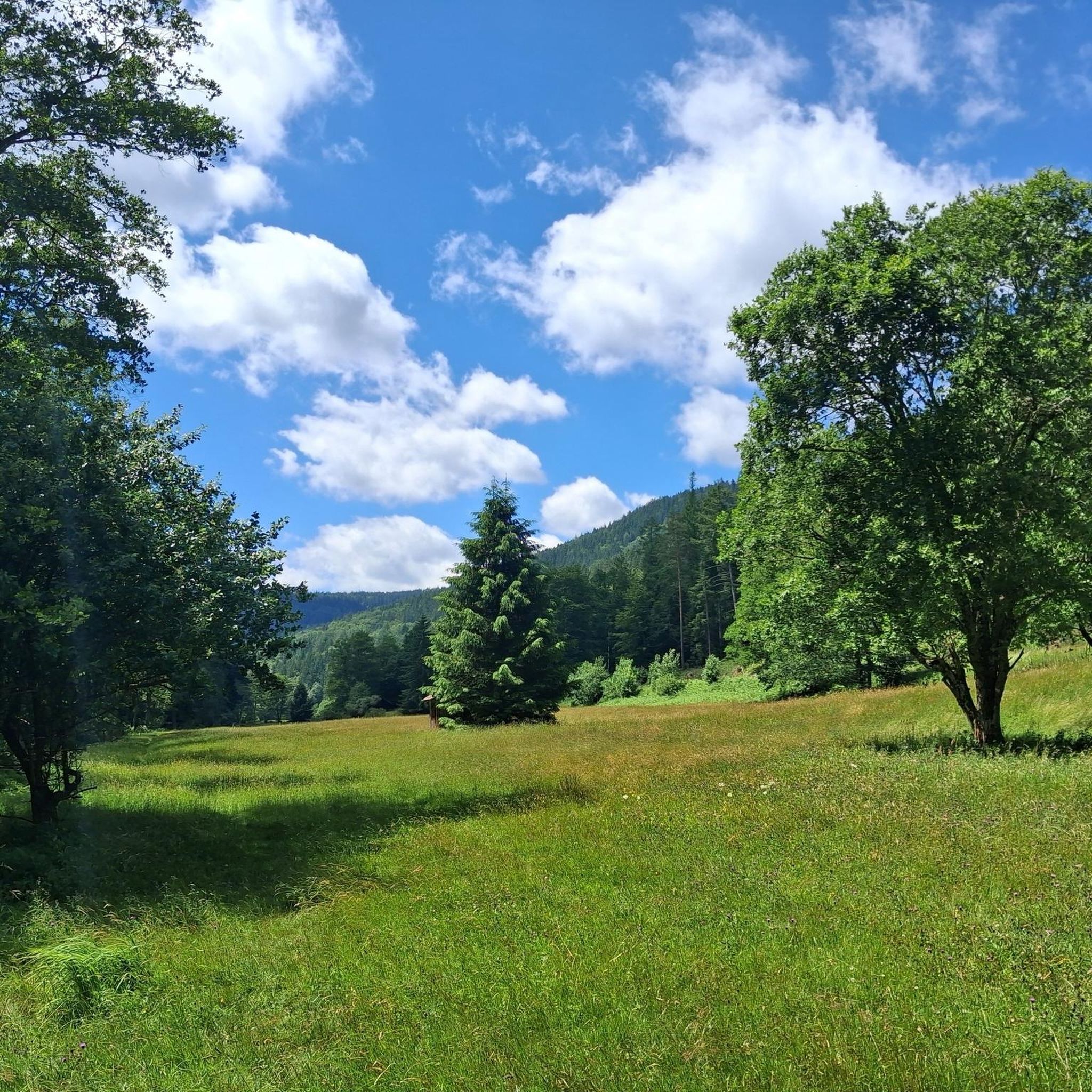
A picturesque village with a place to stop for refreshments. On a clear day, you can see the Pyrenees from here.
7
0

Louvigny (in Béarn Lobinhèr of Loubignè) is a French commune, located in the Pyrénées-Atlantiques department in the Nouvelle-Aquitaine region.
5
0
Pimbo is a community in southwestern France , located in the Department Landes ( Region Nouvelle-Aquitaine )
8
0

This 11th century church is a stopover on the road to Le Puy on the pilgrimage to Santiago de Compostela. Despite its various restorations, it retains the military aspect found in many churches in the region.
3
0
Frequently Asked Questions
What historical sites can I explore within Louvigny?
Louvigny itself offers several historical landmarks. You can discover the fourteenth-century Eglise Saint-Vigor, listed as a historical monument since 1927. The impressive eighteenth-century Château de Louvigny, also a listed historical monument, adds to the commune's rich past. Additionally, a Seventeenth-Century Gate is another protected historical structure. Along the Orne river, the classified site of Le Planitre / Débarcadère has Gallo-Roman origins and served as a historical landing stage.
Are there any significant religious buildings to visit in or near Louvigny?
Yes, Louvigny and its surroundings feature several notable religious buildings. In Louvigny, you can visit Saint Martin Church, built in 1955, which partially reused stones from an older ruin. Further afield, the Collegiate Church of Saint Bartholomew, an 11th-century church, is a significant stopover on the pilgrimage to Santiago de Compostela. Near Caen, the historic Abbaye aux Hommes (Men's Abbey), founded by William the Conqueror, is another prominent site.
What natural features define the landscape around Louvigny?
The natural landscape of Louvigny is shaped by the presence of the Rivers Orne and Odon, which flow through the commune. The banks of the Orne near Le Planitre are particularly scenic. You can also find the Wood of the Château de Bernières Park, contributing to the village's geography. For a longer natural experience, the Caen-to-the-Sea Canal, a 14km waterway connecting Caen to the English Channel, offers a pleasant paved cycle path along its basin.
What outdoor activities can I do near Louvigny?
Louvigny and its surroundings offer various outdoor activities. You can explore numerous trails for hiking, mountain biking, and running. For instance, there are several hiking routes around Louvigny, including challenging loops like the Moulin de Louvigny – Compostelle milestone route. Mountain biking enthusiasts can find MTB trails around Louvigny, such as the Château de Morlanne loop. If you prefer running, there are also running trails available.
Are there any family-friendly attractions near Louvigny?
While Louvigny itself is more focused on historical sites, nearby Caen offers family-friendly options. Parc Festyland, an amusement park in Bretteville-sur-Odon, is a short distance away. The Park of Colline aux Oiseaux in Caen also provides natural beauty and recreational spaces suitable for families.
What do visitors enjoy most about the attractions around Louvigny?
Visitors appreciate the blend of historical charm and natural beauty. For instance, Pimbo is noted for its picturesque village setting and potential views of the Pyrenees on clear days, making it perfect for a break. The Moulin de Louvigny is admired for its historical touch and surrounding fauna. Many also value the opportunity for rest and public amenities near sites like Saint Martin Church.
Are there any golf courses in Louvigny?
Yes, for golf enthusiasts, Louvigny is home to the Golf Compact de Louvigny, a 6-hole golf course that was established in 2011.
What historical attractions are available near Louvigny, particularly in Caen?
Caen, located approximately 4 kilometers from Louvigny, offers a wealth of historical attractions. These include the highly-rated Caen Memorial Museum, providing insights into history, and the historic Caen Castle, a former fortress of the Norman dukes which now houses the Musée de Normandie and Musée des Beaux-Arts. The significant Abbaye aux Hommes, a former Benedictine abbey founded by William the Conqueror, is also a must-see.
Can I find any unique local landmarks or hidden gems around Louvigny?
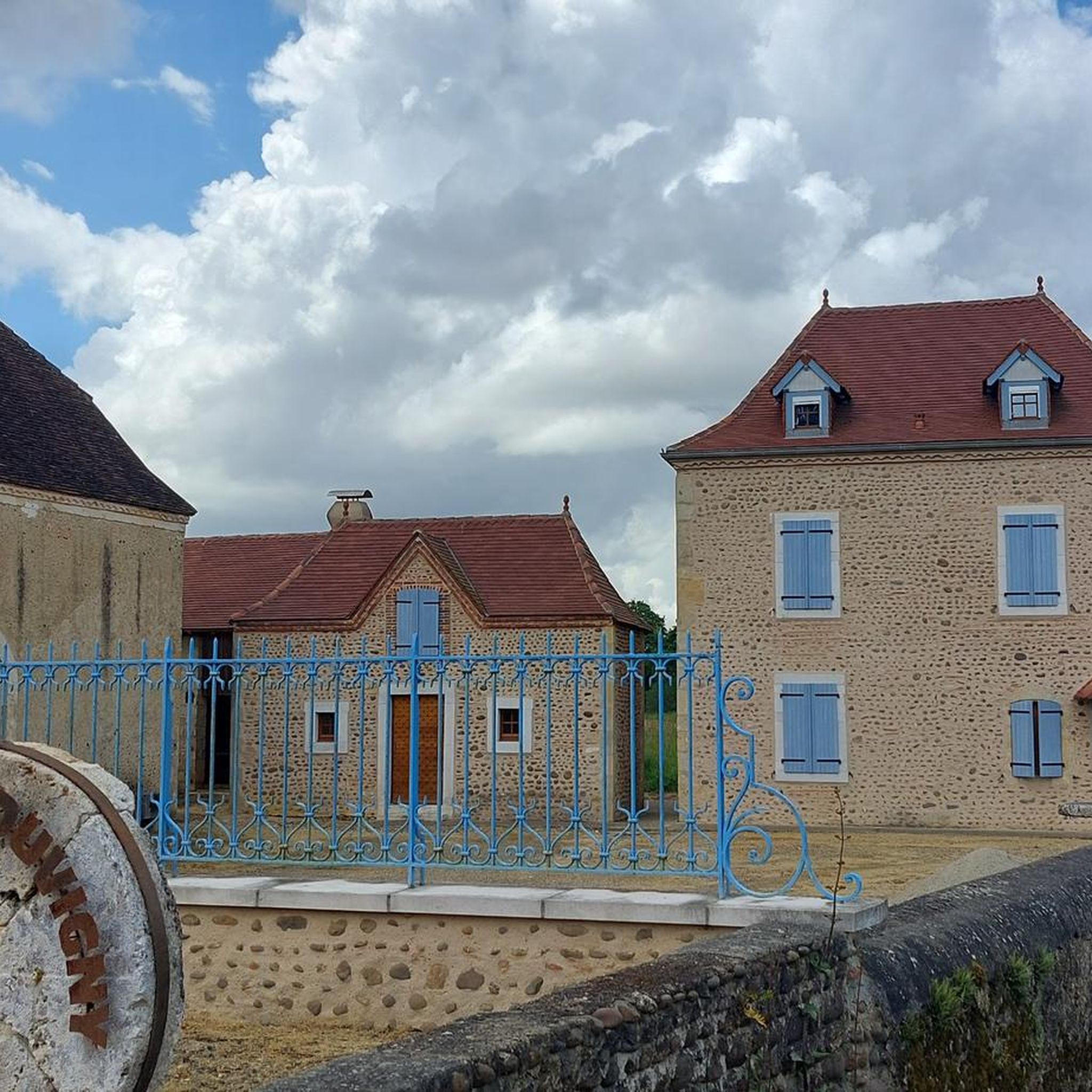
Beyond the main historical sites, the Moulin de Louvigny, though privately owned, is considered a beautiful sight directly on the GR65 route, offering a historical touch and interesting fauna. The ancient site of Le Planitre / Débarcadère along the Orne river, with its Gallo-Roman origins, also represents a unique local landmark.
What is the best time to visit Louvigny for outdoor activities?
While specific data isn't available, the region's climate generally makes spring through early autumn (April to October) ideal for outdoor activities like hiking, cycling, and exploring historical sites. During these months, the weather is typically milder and more conducive to enjoying the natural landscapes and trails around Louvigny and the Caen-to-the-Sea Canal.
Are there any specific highlights related to the Camino de Santiago pilgrimage route?
Yes, the area has connections to the Camino de Santiago. The Collegiate Church of Saint Bartholomew is an 11th-century church that serves as a stopover on the road to Le Puy on the pilgrimage. Additionally, the Moulin de Louvigny is located directly on the GR65 route, which is part of the pilgrimage network.

Get inspired with the komoot mobile app


Explore more
Still not found the Highlight you’re looking for? See guides of the top attractions in other regions:
