Attractions and Places To See around Chevières - Top 13
Best attractions and places to see around Chevières include historical sites and natural landscapes within this small commune in the Ardennes department of France. The region offers a glimpse into historical and cultural heritage, with additional points of interest in its close vicinity. Chevières and its surroundings are characterized by their rural atmosphere, providing opportunities for outdoor activities. The area is noted for its historical significance, particularly related to World War I.
Best attractions and places to see around Chevières
…Last updated: July 1, 2026
Grandpré
Highlight • Other
Translated by Google •
Tip by

Sergeant York trail
Highlight • Other
Tip by

Sign up now to discover places like this
Get recommendations on the best single tracks, peaks, & plenty of other exciting outdoor places.
Sign up for free
Château de Grandpré
Highlight • Castle
Translated by Google •
Tip by
Deutscher Soldatenfriedhof
Highlight • Other
Translated by Google •
Tip by
Saint-Martin in Chevières
Highlight • Religious Site
Translated by Google •
Tip by
Sign up for free to discover even more attractions around Chevières.
Sign up for free
Already have an account?
Start today with a free account
Your next adventure awaits.
Login or Signup



Tips from the Community

In his address on Remembrance Day in 2015, then-President Joachim Gauck expressed some thoughts that I would like to offer visitors to this war cemetery/military cemetery for reflection: "This... is our shared hope: that the memory of the suffering of war will not breed revenge, but will lead more and more people and nations to seek a way out in peaceful coexistence. Just as European integration succeeded in becoming the great peace project of our continent. (...) That military cemeteries, as Albert Schweitzer once said, may finally become the great preachers of peace. Then, as we have experienced, reconciliation over the graves will be possible. Then peace can be lasting. We all share this responsibility."
2
0

This serene cemetery contains 1,111 individual graves of German soldiers who died in the Argonne Forest during the First World War. Created in November 1915, it is the only German cemetery in the region that has been largely preserved in its original state. Of particular note is the gravestone of Commander Baron von Müllenheim-Rechberg, who died in 1916, and the monument to the 27th Landwehr Regiment. Since 2023, the site has been part of the UNESCO World Heritage as part of the World War I Memorial Sites.
9
0
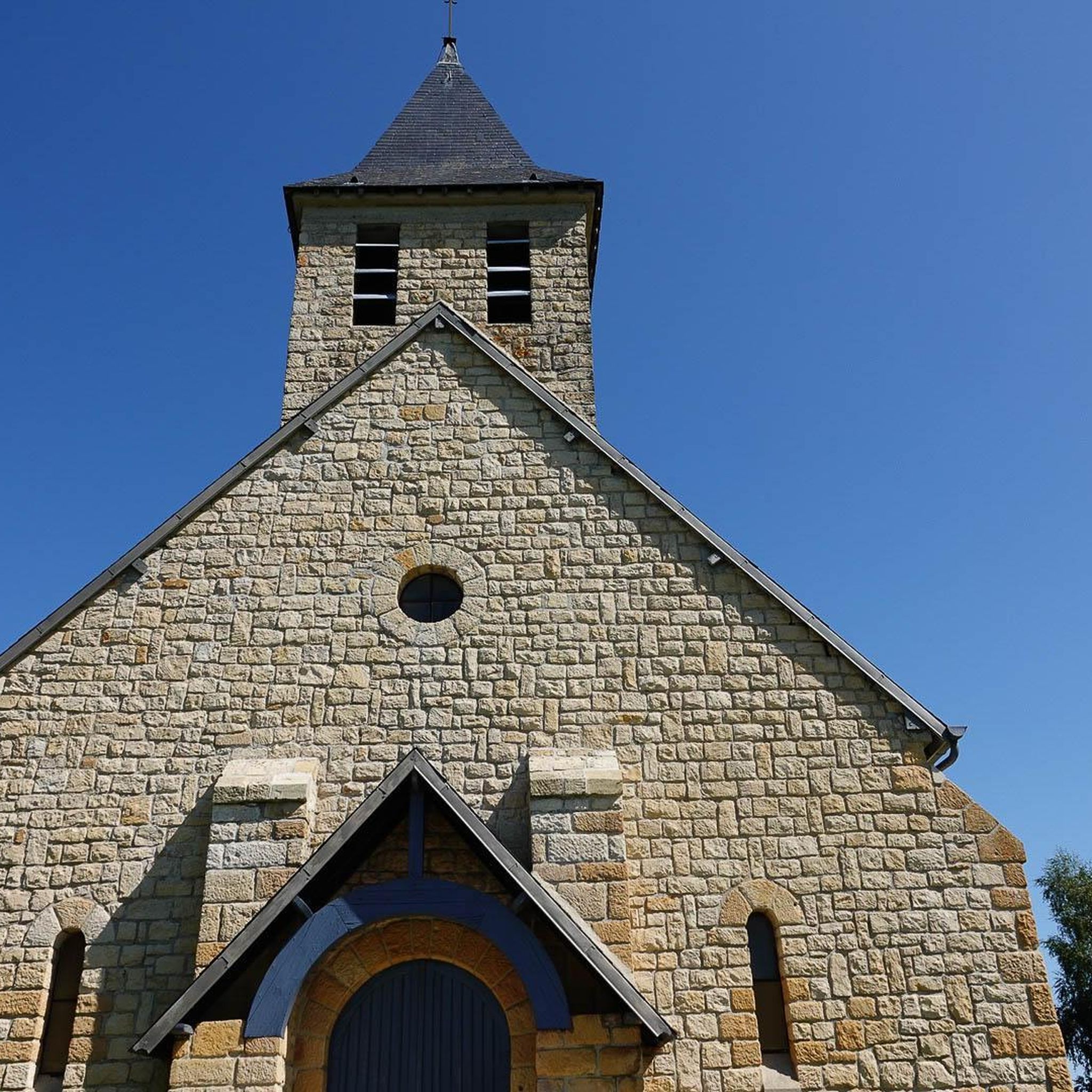
The Saint-Martin à Chevières church is a church located in the village of Chevières, in the Ardennes department, in the Grand Est region, in France. It is a 12th century Romanesque church dedicated to Saint Martin of Tours, patron saint of the poor and travellers. The church has a sober and harmonious architecture, with a square tower, a nave with three naves and a semicircular choir. The church is decorated with carved capitals, depicting scenes from the life of Christ and the saints. The church also has a remarkable organ case from the 18th century, which is made of oak and carved with floral and leaf motifs. The Saint-Martin à Chevières church is a historical monument, protected since 1921. It is a witness to the religious and cultural heritage of the region.
2
0
The Castle of Grandpré is located in Grandpré, in the Ardennes, France. It was built by the Joyeuse, Counts of Grandpré, at the end of the 16th century and the beginning of the 17th century. For a long time, the place has been strategically located on the northern slope of the Aire valley, controlling one of the rare passages that cross the Argonne forest. This is the Grandpré passage.
7
0
Grandpré is a commune in the French department of Ardennes, in the Grand Est region. It has about 500 inhabitants and an area of 32.67 km². It is located on the River Aire and is part of the canton of Attigny. Grandpré has a rich history, dating back to the Middle Ages. It was an important city in Champagne, which became a county and later a duchy. It had a castle, an abbey and a fortified wall, testifying to its power and influence. One of the sights is the Église Saint-Médard, a Gothic church from the 13th century, decorated with stained glass windows and sculptures. Grandpré was also the scene of fierce fighting during the First World War. It was occupied by the Germans in 1914 and later liberated by the Americans in 1918. The village was largely destroyed by bombing and artillery. One of the monuments that commemorate this period is the Monument aux Morts, a memorial to the fallen soldiers, designed by the sculptor Paul Moreau-Vauthier. Grandpré is a quiet and charming place where you can enjoy nature and the rural atmosphere. You can walk, cycle, fish or taste the local gastronomy. One of the specialties is the boudin blanc, a white sausage made from pork, cream and spices.
5
0

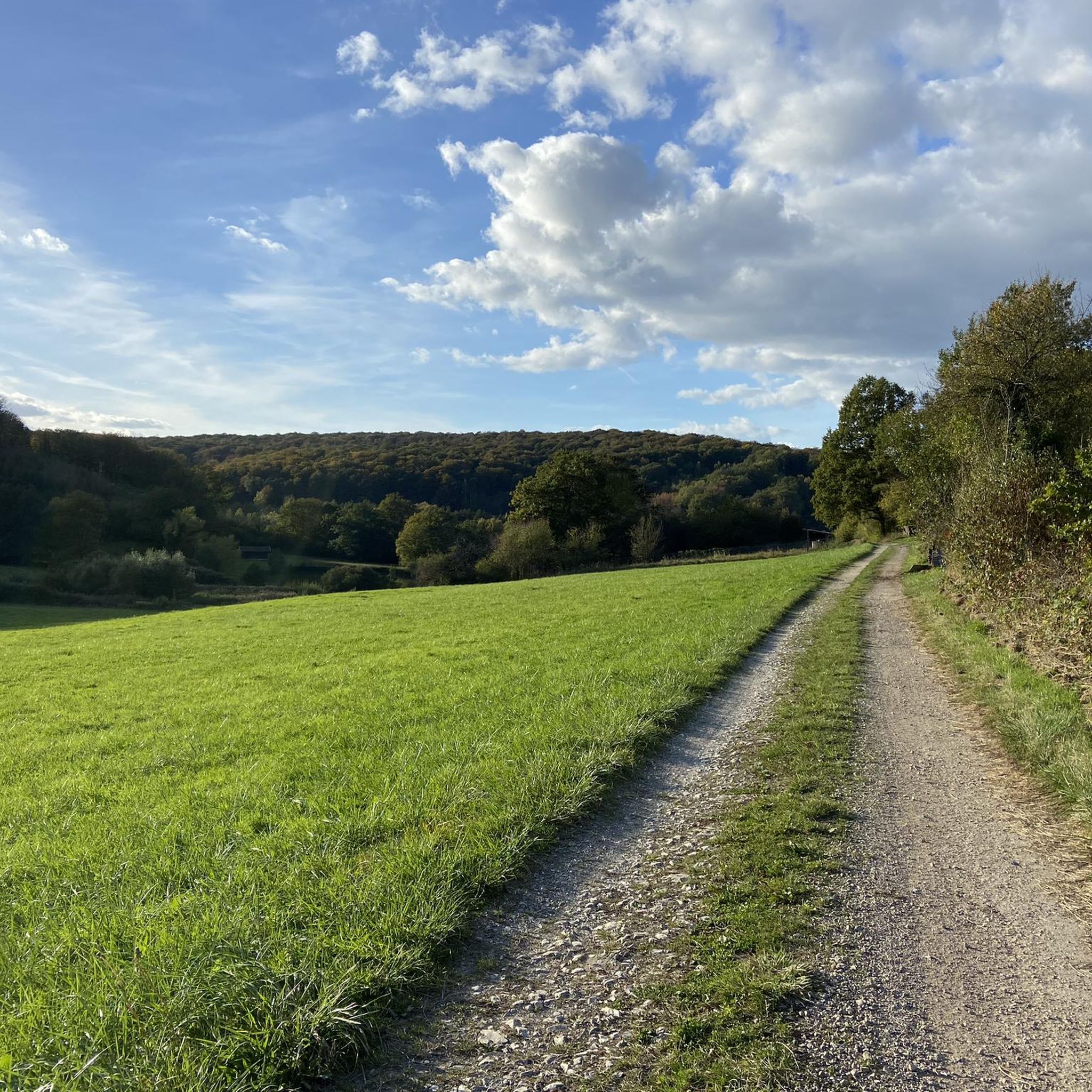
Alvin Cullum York (December 13, 1887 – September 2, 1964), also known as Sergeant York, was one of the most decorated United States Army soldiers of World War I.[1] He received the Medal of Honor for leading an attack on a German machine gun nest, gathering 35 machine guns, killing at least 25[2] enemy soldiers and capturing 132 prisoners. York's Medal of Honor action occurred during the United States-led portion of the Meuse-Argonne Offensive in France, which was intended to breach the Hindenburg line and force the Germans to surrender. He earned decorations from several allied countries during WWI, including France, Italy and Montenegro.
0
0

The old castle of the place, unfortunately closed.
2
0
Frequently Asked Questions
What historical sites can I visit in Chevières itself?
In Chevières, you can explore the Saint-Martin à Chevières Church, a 12th-century Romanesque church known for its carved capitals and 18th-century oak organ case. Another point of interest is the Chateau de la Noue le Coq, and a monument commemorating American aviator Hamilton Coolidge.
Are there any World War I memorial sites near Chevières?
Yes, the region has significant World War I memorial sites. You can visit the Sergeant York trail, which commemorates Alvin Cullum York's Medal of Honor action during the Meuse-Argonne Offensive. In nearby Grandpré, the Monument aux Morts remembers fallen soldiers, and the Deutscher Soldatenfriedhof (German Military Cemetery) is a well-preserved site, both now part of the UNESCO World Heritage as World War I Memorial Sites.
What historical landmarks are there in nearby Grandpré?
The nearby commune of Grandpré offers several historical landmarks. You can visit the Château de Grandpré, a castle built between the late 16th and early 17th centuries. The 13th-century Gothic Église Saint-Médard is also located there, adorned with stained glass windows and sculptures. Grandpré also features a Monument aux Morts, commemorating soldiers from World War I.
What outdoor activities are available around Chevières?
The region around Chevières and Grandpré is ideal for outdoor activities. You can enjoy walking, cycling, and fishing along the Aire River. There are numerous hiking and cycling routes available for exploration, offering a chance to experience the rural atmosphere.
Are there hiking trails suitable for different skill levels near Chevières?
Yes, the area provides various hiking opportunities. For example, the 'Cercle van Grandpré via Chevières' is a moderate 9.4 km hiking trail. You can find more options for different skill levels by exploring the running trails around Chevières, which often include walking paths.
Can I go cycling around Chevières?
Absolutely! The region is noted for its cycling opportunities. You can find various routes, including moderate and difficult options, such as the 'Grandpré – Château de Grandpré loop from Cornay' or the 'Beautiful path – War monument loop from Cornay'. Explore more routes in the Cycling around Chevières guide or the Road Cycling Routes around Chevières guide.
Are there family-friendly attractions around Chevières?
Many of the historical sites, such as the Saint-Martin à Chevières Church, are suitable for families. Additionally, the general outdoor activities like walking and cycling along the Aire River provide enjoyable experiences for all ages in the rural setting.
What is the best time of year to visit Chevières?
The best time to visit Chevières largely depends on your preferred activities. Spring and autumn offer pleasant weather for hiking and cycling, with milder temperatures and beautiful scenery. Summer is also great for outdoor exploration, though it can be warmer.
Where can I find places to eat or stay near Chevières?
While Chevières is a small commune, the nearby village of Grandpré, just 2.7 km away, offers amenities such as shops, a bank, and a bar. For accommodation, you'll find options in Grandpré and other surrounding villages, providing a base to explore the region's attractions.
What do visitors enjoy most about the attractions around Chevières?
Visitors particularly appreciate the rich history and cultural heritage of the area, especially the well-preserved World War I sites and ancient churches. The rural atmosphere and opportunities for hiking and cycling are also highly valued, offering a peaceful escape and active exploration.
Are there any accessible trails or attractions for visitors with mobility considerations?
While specific accessible trails are not explicitly highlighted, many of the village centers and main historical sites like the Saint-Martin à Chevières Church are generally approachable. For outdoor activities, it's advisable to check specific route details for terrain and elevation to ensure suitability.
Can I bring my dog on trails around Chevières?
Many of the hiking and walking paths in the rural areas around Chevières are dog-friendly, provided your dog is kept on a leash and you clean up after them. It's always a good idea to check local signage or specific trail guidelines for any restrictions before you go.
Most popular routes around Chevières

Get inspired with the komoot mobile app


Explore more
Still not found the Highlight you’re looking for? See guides of the top attractions in other regions:
