The best road cycling routes around Lalacelle
4.7
(15)
791
riders
32
rides
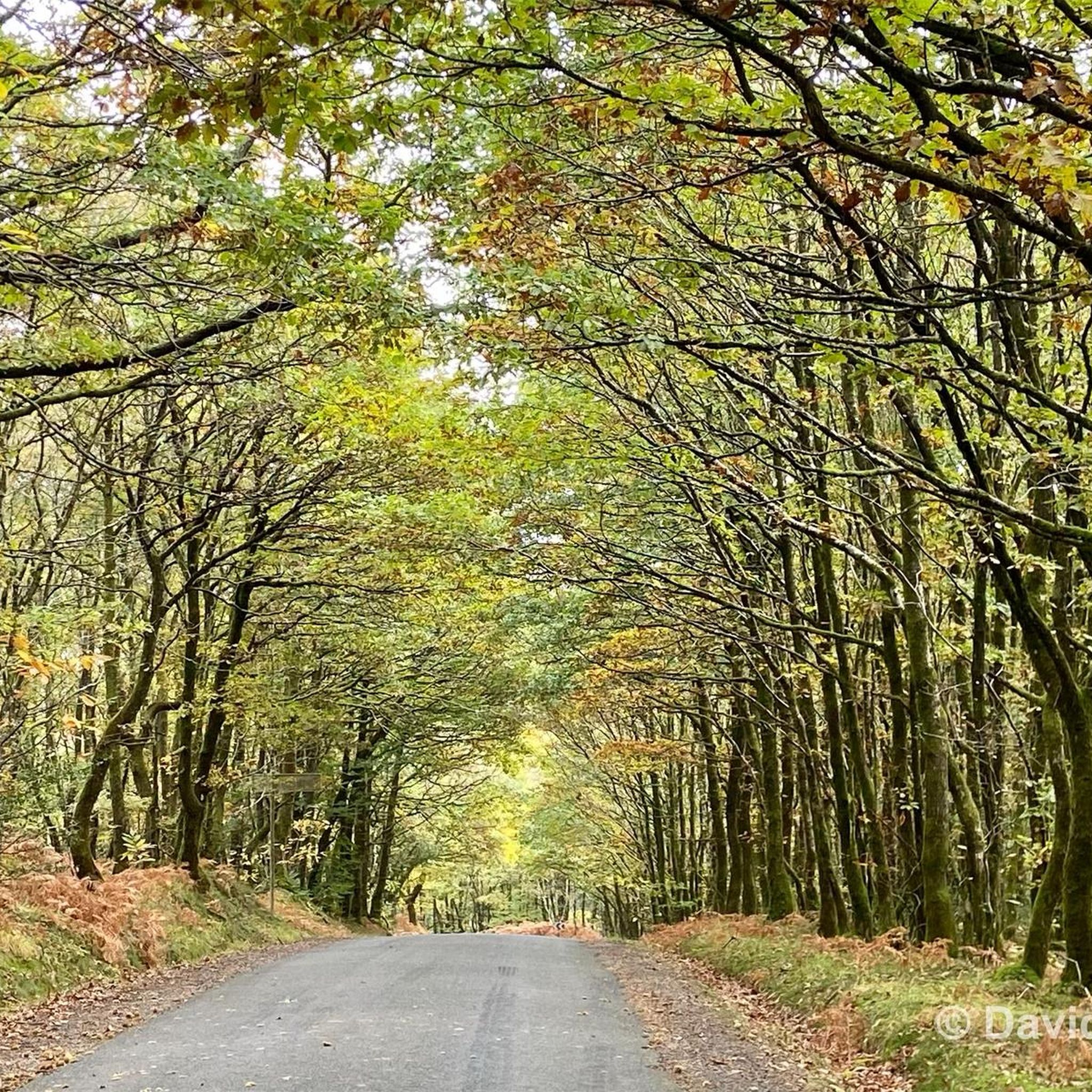
Road cycling routes around Lalacelle traverse the serene French countryside within or near the Normandy-Maine Regional Natural Park. The area is characterized by quiet country lanes, dense woodlands, and varied terrain. Notable features include the ascent to Mont des Avaloirs, the highest point in Western France at 416 meters, and the expansive Forêt d'Écouves. This landscape provides a diverse setting for road cyclists, ranging from gentle rolls to challenging climbs.
Best road cycling routes around Lalacelle
- The most popular road…
Last updated: July 15, 2026
7
riders
Moderate road ride. Good fitness required. Mostly well-paved surfaces and easy to ride.
5
riders
75.6km
03:30
590m
590m
Moderate road ride. Good fitness required. Mostly well-paved surfaces and easy to ride.

Sign up for free
4
riders
105km
04:48
1,090m
1,090m
Hard road ride. Very good fitness required. Some segments of this route may be unpaved and difficult to ride.
6
riders
96.0km
04:25
680m
680m
Moderate road ride. Good fitness required. Mostly well-paved surfaces and easy to ride.
3
riders
72.4km
03:28
760m
760m
Moderate road ride. Good fitness required. Some segments of this route may be unpaved and difficult to ride.
Get access to more routes and recommendations from other explorers.
Sign up for free
Already have an account?
Our route recommendations are based on thousands of hikes, rides, and runs completed by other people on komoot.
Start today with a free account
Your next adventure awaits.
Login or Signup




Tips from the Community

Magnificent, a must-see.
0
0

Riding up there by bike was quite strenuous, but the view from the top was worth the effort. It was well worth it.
0
0

This church is Romanesque in style (12th or 13th century) and was renovated during the Gothic period. Thus, on one side of the nave, there are semicircular arches and on the other, pointed arches. The bell tower dates from the 18th century. The church has a massed plan. The chevet is flat. The sacristy is attached to the chevet. The square bell tower, topped with an octagonal dome, is located on the south facade. On one side of the nave, there are bays. The portal opens under the bell tower. It is decorated with an ogee arch and a coat of arms.
0
0
11th Century Church Worship was abolished in the parish of Chevain. The church was sold for 31,700 livres to the citizen of Villeray on 6 Vendémiaire, Year VII (September 27, 1799). The Chevain church, having been donated by Madame du Hameau de Villeray to the commune by notarial deed dated April 16, 1827, was restored to worship there on January 15, 1827. The parish was established as a branch parish.
0
0

Beautiful 360 degree view
1
0
This neo-Gothic style church saw its first stone laid on July 6, 1880 and was consecrated in 1883. It replaced an old church which dated from the Middle Ages and which was considered too small for masses.
0
0
Neo-Romanesque church Elongated plan. Single nave. Flat chevet. Small building attached to the chevet. Higher and wider nave than the choir. Bell tower on the facade, topped with a polygonal spire and pierced by a semicircular portal with a trilobed decoration at the level of the tympanum. Semicircular bays. Apse pierced by an oculus.
0
0
The Church of Saint-Pierre-et-Saint-Paul was built in the 12th century, at the initiative of the lords of Mieuxce. It is in the Romanesque style, and is a fine example of the religious architecture of this period in Orléanais. The church suffered damage during the Hundred Years' War and the French Revolution. It was restored in the 19th century. The Church of Saint-Pierre-et-Saint-Paul is a church of modest size, but it is remarkable for its beauty and originality. The exterior of the church is characterized by its Romanesque bell tower, which is topped with an octagonal spire. The main portal is also remarkable, with its sculptures representing scenes from the life of Saint Peter and Saint Paul. The interior of the church is decorated with 12th century frescoes, which are among the oldest in Loiret. The choir is particularly rich, with its 17th century carved wooden altarpiece. The Church of Saint-Pierre-et-Saint-Paul is a must-see for art and history lovers. It is a fine example of Romanesque architecture in Orléanais. The church is open to the public every day. Guided tours are organized on request. Here are some reasons why the Church of Saint-Pierre-et-Saint-Paul is a very interesting visit: The church has a long and rich history, dating back to the 12th century. Its architecture: the church is a fine example of Romanesque architecture in Orléanais. Its frescoes: the 12th century frescoes are a testimony to the religious art of this period. Its altarpiece: the 17th century carved wooden altarpiece is a remarkable work of art. If you are passing through the Mieuxce region, do not hesitate to visit the Church of Saint-Pierre-et-Saint-Paul. You will not be disappointed!
0
0
Frequently Asked Questions
How many road cycling routes are available around Lalacelle?
There are over 30 road cycling routes around Lalacelle, offering a variety of distances and challenges. These routes are highly rated by the komoot community, with an average score of 4.6 stars.
What kind of terrain can I expect on road cycling routes near Lalacelle?
The terrain around Lalacelle is characterized by serene French countryside, quiet country lanes with minimal traffic, and varied landscapes. You'll find dense woodlands, rolling hills, and challenging ascents, particularly towards Mont des Avaloirs, the highest point in Western France.
Are there any challenging road cycling routes for experienced riders?
Yes, Lalacelle offers several challenging routes. For instance, the Castle of the Dukes of Alençon – Saint-Léonard-des-Bois loop from Lalacelle is a difficult 107 km path with over 1000 meters of climbing. Another demanding option is the Castle of the Dukes of Alençon – Saint Symphorien Church loop from Lalacelle, which covers 109 km with significant elevation gain.
What are some scenic viewpoints or natural landmarks accessible by road bike?
Cyclists can enjoy breathtaking views from the Mont des Avaloirs viewpoint, which offers 360-degree panoramas from the highest point in Western France. The routes also traverse the picturesque Normandy-Maine Regional Natural Park and the extensive Forêt d'Écouves, providing beautiful natural scenery.
Are there any moderate road cycling routes suitable for a longer ride?
Absolutely. A great moderate option is the Saint Denis Church – Château les vignes loop from Lalacelle, a 99.5 km route with over 600 meters of elevation gain. Another popular choice is the View from Roc au Chien – Bagnoles-de-l'Orne loop from Lalacelle, covering 73.5 km.
What is the best time of year to go road cycling in Lalacelle?
The region's quiet country lanes and natural beauty are enjoyable throughout much of the year. Spring and autumn generally offer pleasant temperatures and vibrant scenery, making them ideal for road cycling. Summers are also suitable, but it's always wise to check local weather forecasts.
Can I find shorter, more accessible road cycling routes around Lalacelle?
Yes, there are routes suitable for shorter rides. The La Roche-Mabile – Saint Pierre de Gesnes Church loop from Lalacelle is a moderate 38.6 km trail that can typically be completed in under two hours, leading through the local countryside.
What historical sites or charming villages can I visit along the routes?
Many routes pass through or near charming villages and historic sites. You could visit Saint-Ceneri-le-Gerei, recognized as a 'Most Beautiful Village,' or the historic town of Alençon. The Carrouges Castle is another notable historic landmark in the region that cyclists can explore.
Are there opportunities for family-friendly road cycling in the Orne department?
While many routes around Lalacelle feature moderate to difficult grades, the abundance of quiet country lanes with low traffic can make certain sections suitable for families with older children or those comfortable with longer distances. Look for routes with less elevation gain for a more relaxed experience.
What do other road cyclists enjoy most about cycling in Lalacelle?
The area is highly rated by the komoot community, with an average score of 4.6 stars from over 10 reviews. Cyclists often praise the peaceful, low-traffic country roads, the diverse landscapes ranging from dense forests to open countryside, and the rewarding challenges offered by ascents like Mont des Avaloirs.
Are there any specific natural parks or forests that the routes pass through?
Many road cycling routes around Lalacelle are situated within or in close proximity to the Normandy-Maine Regional Natural Park. You'll also find routes winding through the extensive Forêt d'Écouves, offering a beautiful forested cycling experience.
Most popular attractions around Lalacelle

Get inspired with the komoot mobile app


Explore more
Browse the best Road cycling routes in other regions.
