The best road cycling routes around Nonancourt
3.8
(18)
274
riders
78
rides
Road cycling routes around Nonancourt traverse a landscape characterized by gentle rolling terrain and river valleys, notably the Avre. The region features a mix of agricultural land, small woodlands, and historical landmarks. Elevation gains are generally modest, making the area accessible for various fitness levels.
Best road cycling routes around Nonancourt
- The most popular road cycling route is Cocherelle Dolmen – The Donjon of Gilles loop from Nonancourt, an easy 23.8 miles (38.3 km) trail that takes 1 hour…
Last updated: July 2, 2026
4.0
(2)
13
riders
86.5km
03:36
500m
500m
Moderate road ride. Good fitness required. Mostly well-paved surfaces and easy to ride.
3.3
(3)
18
riders
45.6km
01:51
240m
240m
Easy road ride. Great for any fitness level. Mostly well-paved surfaces and easy to ride.

Sign up for free
11
riders
46.5km
01:55
250m
250m
Easy road ride. Great for any fitness level. Mostly well-paved surfaces and easy to ride.
8
riders
74.6km
02:58
350m
350m
Moderate road ride. Good fitness required. Mostly well-paved surfaces and easy to ride.
7
riders
77.9km
03:06
300m
300m
Moderate road ride. Good fitness required. Some segments of this route may be unpaved and difficult to ride.
Get access to more routes and recommendations from other explorers.
Sign up for free
Already have an account?
Our route recommendations are based on thousands of hikes, rides, and runs completed by other people on komoot.
Start today with a free account
Your next adventure awaits.
Login or Signup
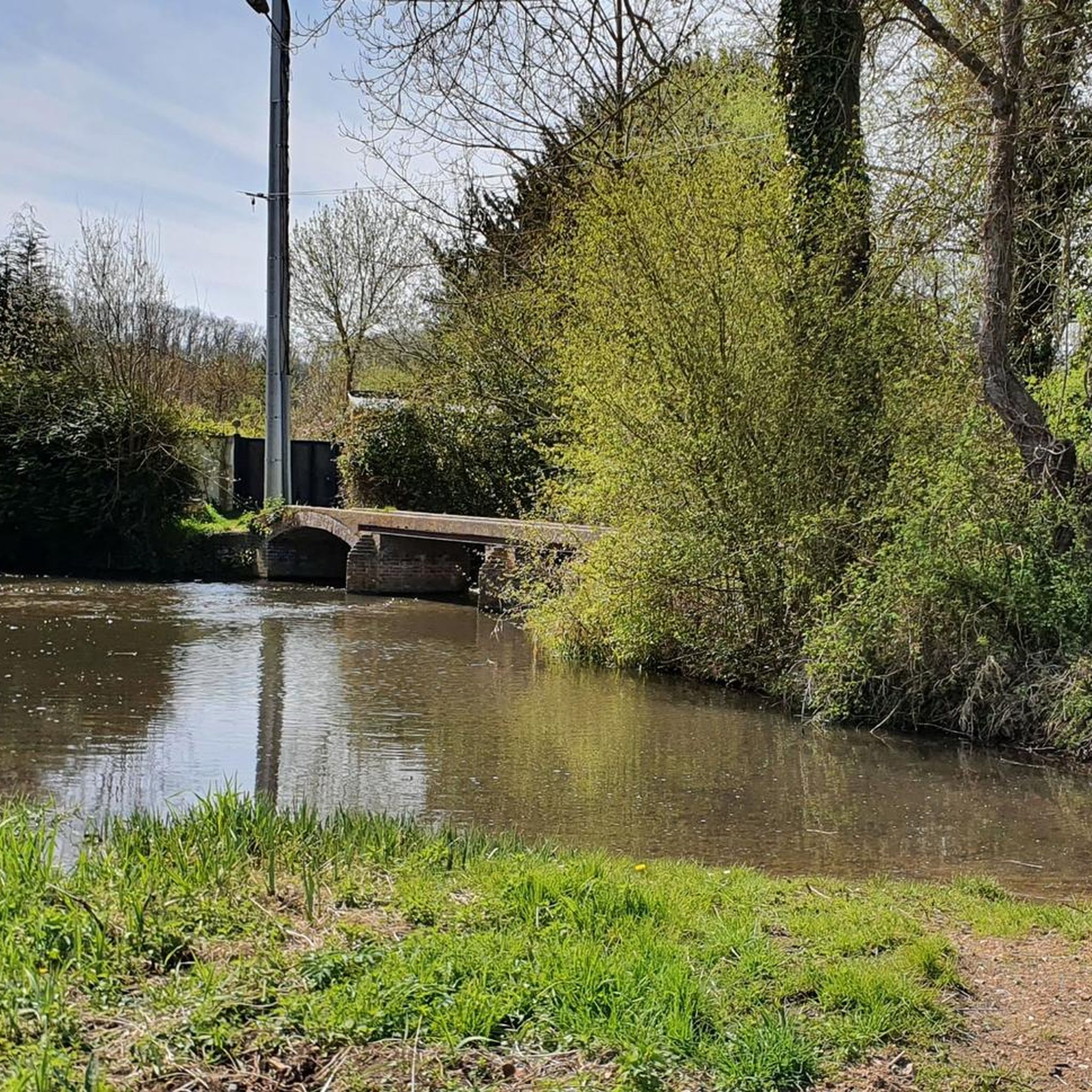
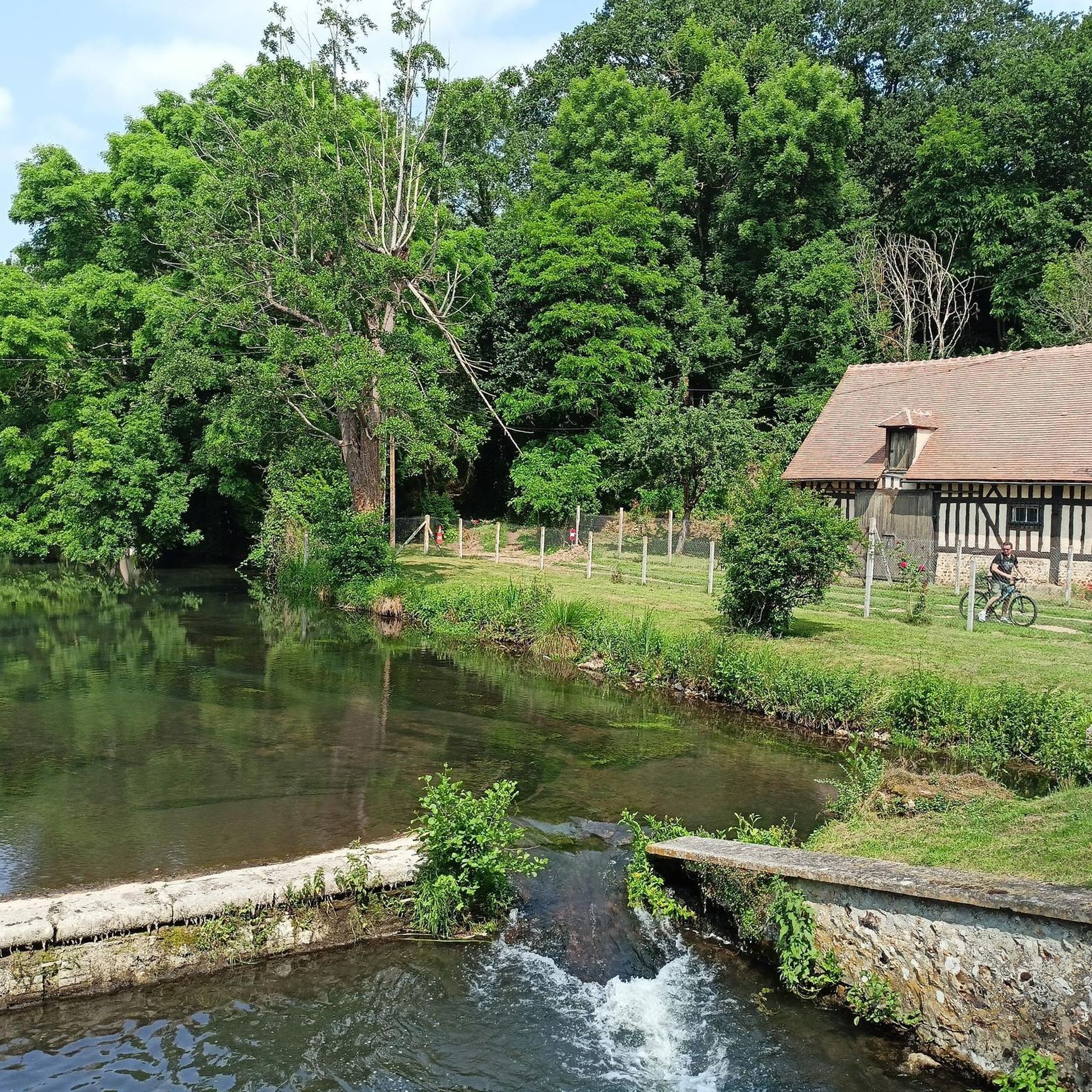

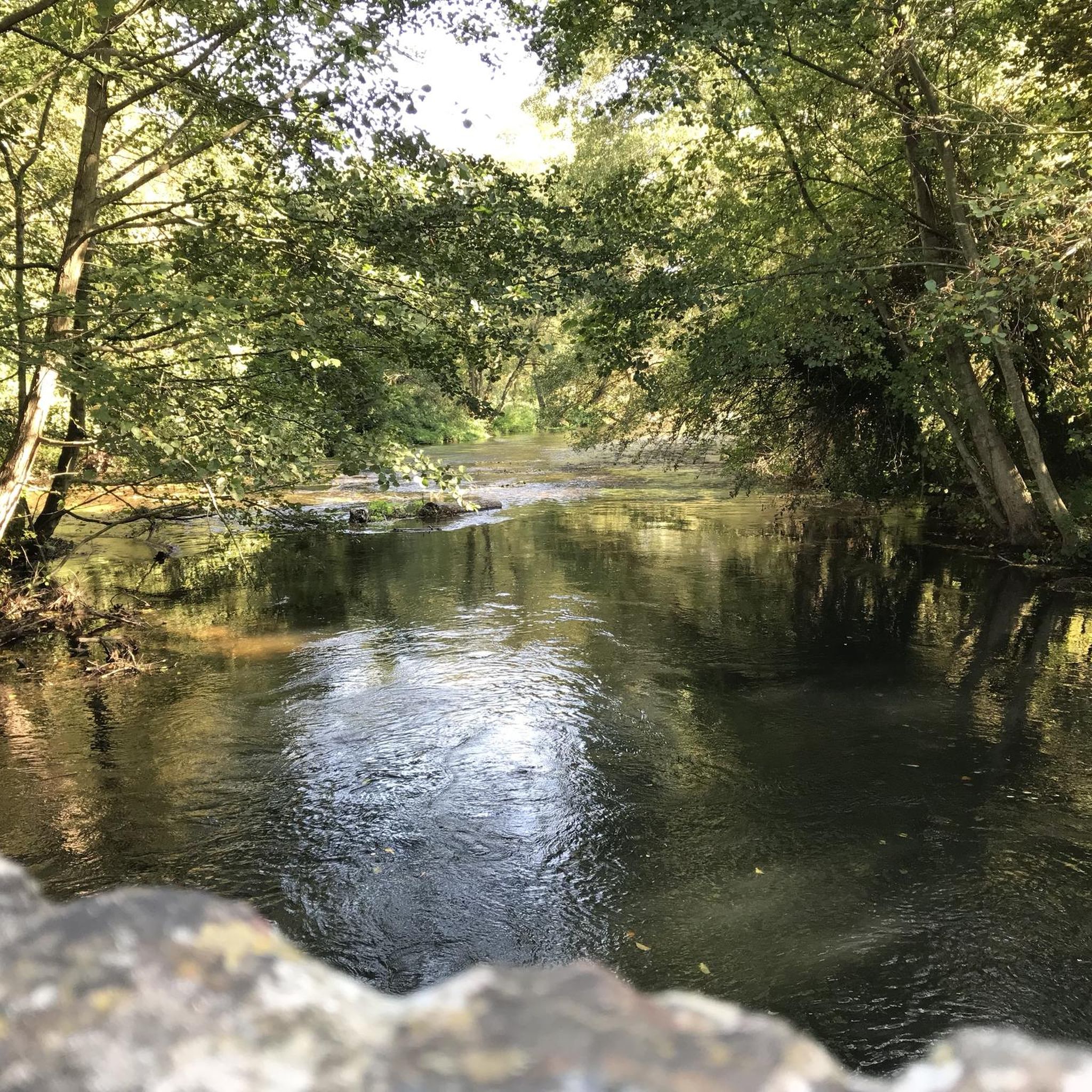
Tips from the Community


The first mention of the existence of the Church of Saint-Martin de Nonancourt is a 12th-century charter, but the original building probably dates back to the 7th or 8th century. The bell tower that now occupies the middle of the façade dates from the reconstructions of 1204. During the Hundred Years' War, the church was largely destroyed, like many buildings in the region. The side aisles, nave, and choir were rebuilt in the 16th century. The Chapel of the Virgin, also known as the Chapel of the Rosary, was also added. The Church of Saint-Martin contains numerous works of art, some of which are listed: neo-Gothic and Renaissance furnishings, including the centerpiece, the pulpit, a veritable wooden lacework; a variety of statuary, a 16th-century organ case and finally an enigmatic fresco discovered during recent works in 2001. The stained-glass windows of the church constitute a truly remarkable collection, both in terms of their number (26 in total) and their quality. The lower windows of the nave are the oldest pieces, dating from the 1500s, while the upper windows date from the 1520s and 1530s.
0
0


A village full of character with a rich industrial past. Visit its church and the ruins of its castle. If you're interested in Calvados, a guided tour of the Morin winery is a must.
0
0
Built in the 15th century on the foundations of a chapel whose origins can be traced back to a papal bull from Pope Alexander in 1142, Saint Apollonia was worshipped there.
0
0
The Notre-Dame Priory, founded around 1128 by Rahier de Muzy, was dependent on Coulombs Abbey and housed a community of Benedictines. This community was apparently never very large, as Eudes Rigaud's repeated visits in the 13th century only recorded four monks. In 1255, the monks no longer lived together at the priory due to lack of space. By 1269, the buildings were in too poor condition to accommodate the archbishop. Adjoining the convent buildings, the choir of the parish church of Saint John the Baptist was used by the monks. This 12th-century church, built "in a single heap," underwent several embellishments in the 18th century, but on July 21, 1794, it was probably converted into a saltpeter works, along with the entire priory. The church reopened for worship on March 22, 1795. A campaign of renovations restored the buttresses of the west facade with bricks at the end of the 19th century. The bell tower, damaged in 1944 during the fighting on the Avre, was restored in 1959. The monument was closed for another period from 1939 to 1950. The bells were electrified in 1985. Heating was installed in 1990. A restoration project for the entire building was adopted by the municipality in 2003. The roofing work—repairing the roof box—and the complete restoration of the north facade—raising the apron of the openings by approximately 40 centimeters, repairing all the buttresses and old lime plaster—were completed in 2006. The Church of St. John the Baptist has been listed on the supplementary list of historic monuments since December 2005. A competition to select a master glassmaker was held in April 2009. The winning candidate, Coline Fabre, was entrusted with the task of creating The stained-glass windows throughout the building. Four bays were installed in the spring of 2010 and eight in the summer of 2014, so that all bays on the north, east, and south facades were fitted with stained-glass windows. Rehabilitation work on the east and west facades and the installation of the stained-glass windows on the west facade began on November 20, 2018, and was completed at the end of June 2019. The stained-glass windows were inaugurated on September 13, 2019. Since February 2021, the bells have once again rung daily at 12:00 p.m. and 7:00 p.m.
0
0

Beautiful site on the Eure, don't miss the tomb of Diane de Poitiers.
0
0

The church still houses the bell that rang Henry IV's victory in the 1590 battle between the royal army and the Catholic League. An inscription on the chevet recalls that Saint-Martin was transformed into a temple of Reason during the French Revolution.
0
0
Frequently Asked Questions
How many road cycling routes are available around Nonancourt?
There are over 70 road cycling routes available around Nonancourt, catering to various skill levels. This includes 16 easy routes, 60 moderate routes, and a few more challenging options.
What kind of terrain can I expect on road cycling routes in Nonancourt?
Road cycling routes around Nonancourt feature gentle rolling terrain and traverse river valleys, particularly the Avre. You'll encounter a mix of agricultural land, small woodlands, and historical landmarks, with generally modest elevation gains.
Are there easy road cycling routes suitable for beginners in Nonancourt?
Yes, Nonancourt offers several easy road cycling routes perfect for beginners or those seeking a relaxed ride. The gentle rolling terrain and modest elevation make the area very accessible. An example is the Cocherelle Dolmen – The Donjon of Gilles loop from Nonancourt, an easy 23.8-mile trail.
Are there any challenging road cycling routes for experienced cyclists?
While the region is known for its gentle terrain, there are moderate and a few more challenging routes for experienced cyclists. For instance, the Château de Senonches – Ferté-Vidame Castle loop from Nonancourt is a moderate 46.7-mile route that offers varied rural landscapes.
What are some scenic highlights or landmarks I can see along the routes?
Many routes pass by historical landmarks and offer scenic views. You might encounter the Donjon of Gilles, the Avre Aqueduct, or explore the historic center of Nonancourt. Other notable attractions include Château de Louye and Escorpain Castle.
What is the best season for road cycling in Nonancourt?
The best seasons for road cycling in Nonancourt are typically spring and autumn, when the weather is mild and the landscapes are vibrant. Summer also offers pleasant conditions, though it can be warmer. Winter cycling is possible, but conditions may vary, and some paths might be less maintained.
Are the road cycling routes in Nonancourt suitable for families?
Yes, many of the easier routes in Nonancourt are suitable for families. The gentle terrain and modest elevation gains make it a good area for family outings, especially on the numerous easy trails available.
What do other road cyclists think about the routes in Nonancourt?
The road cycling routes in Nonancourt are highly rated by the komoot community, with an average score of 3.7 stars from over 10 reviews. More than 200 road cyclists have used komoot to explore the area, often praising the varied rural landscapes and historical points of interest.
Are there any long-distance road cycling loops around Nonancourt?
Yes, Nonancourt offers several longer loop routes. For example, the Avre Aqueduct – Château de Mormoulins loop from Nonancourt covers approximately 48.3 miles (77.8 km), providing a substantial ride through the region.
Can I find routes that pass by the Avre Aqueduct?
Absolutely. The Avre Aqueduct is a notable feature in the region. The Avre Aqueduct – The Donjon of Gilles loop from Nonancourt is a popular 28.9-mile (46.5 km) route that specifically features views of the aqueduct and rural scenery.
Are there road cycling routes that include historical sites?
Many routes in Nonancourt incorporate historical sites. The Cocherelle Dolmen – The Donjon of Gilles loop from Nonancourt is an easy route that passes by historical sites, offering a blend of cycling and cultural exploration.
What is the typical length of road cycling routes in Nonancourt?
Route lengths vary significantly, from shorter easy rides to longer, more challenging loops. You can find routes ranging from around 23 miles (38 km) like the Cocherelle Dolmen – The Donjon of Gilles loop, up to over 48 miles (77 km) such as the Avre Aqueduct – Château de Mormoulins loop.
Most popular attractions around Nonancourt

Get inspired with the komoot mobile app


Explore more
Browse the best Road cycling routes in other regions.
