Attractions and Places To See around Le Fresne - Top 6
Attractions and places to see around Le Fresne include a variety of historical sites and natural monuments. This region offers 6 notable locations for exploration. Visitors can discover ancient structures and significant historical ruins. The area provides opportunities for outdoor activities and cultural discovery.
Best attractions and places to see around Le Fresne
- The most popular attractions is Conches-en-Ouche Keep, a castle that is the last vestige of a fortress involved in many historical battles. Built at the end…
Last updated: July 6, 2026
Pierre Courcoulée Dolmen
Highlight • Other
Translated by Google •
Tip by

Conches-en-Ouche Keep
Highlight • Castle
Translated by Google •
Tip by

Sign up now to discover places like this
Get recommendations on the best single tracks, peaks, & plenty of other exciting outdoor places.
Sign up for free
Ruins of Saint Médard Church
Highlight • Historical Site
The ruins have been …
Translated by Google •
Tip by
Moulins du Sacq
Highlight • Structure
Translated by Google •
Tip by
Ruins and Graves of the Former Church of Nagel
Highlight • Historical Site
The objective of …
Translated by Google •
Tip by

Sign up for free to discover even more attractions around Le Fresne.
Sign up for free
Already have an account?
Start today with a free account
Your next adventure awaits.
Login or Signup




Tips from the Community

If you are interested in ancient history and megalithic monuments, you can visit the Dolmen de la Pierre Courcoulée, a stone tomb dating from the Neolithic period. You can admire the impressive puddingstone slab that covers the dolmen, measuring more than 4 meters long and weighing about 10 tons. The slab rests on four pillars of the same material, forming a chamber which was probably used for funerary rituals. The dolmen is one of the oldest and best preserved in Normandy, it has been listed as a historical monument since 1889. The Pierre Courcoulée Dolmen is a privileged place to get some fresh air and discover the local heritage.
2
0

The town of Goms is rather pretty, too bad it is populated by inbreds
0
1

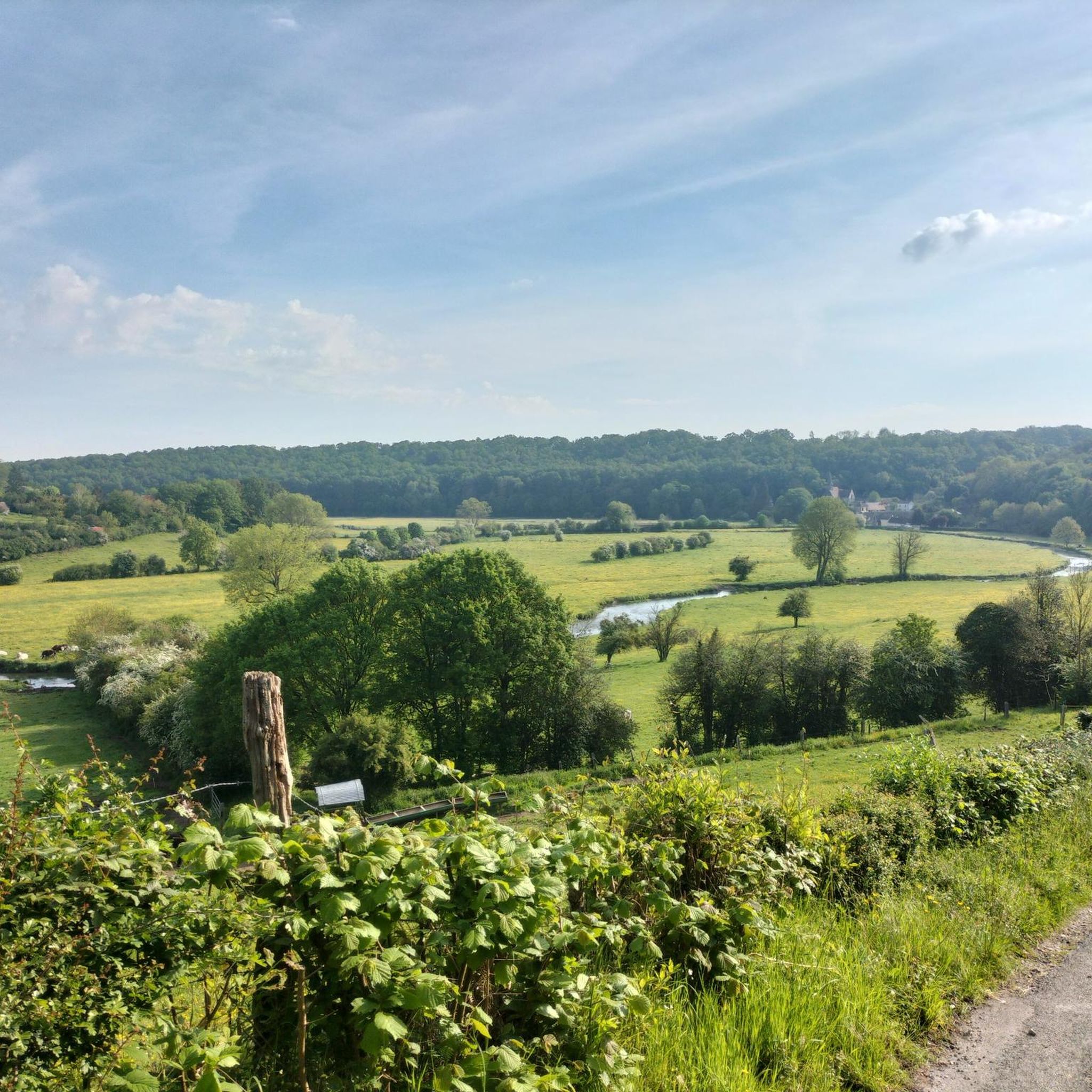
Nowadays, the Sec Iton plays an important role as a limiter during flood episodes, due to its ability to store surface water underground. Added to this are many legends linked, among other things, to its partly aerial and partly underground journey.
1
0

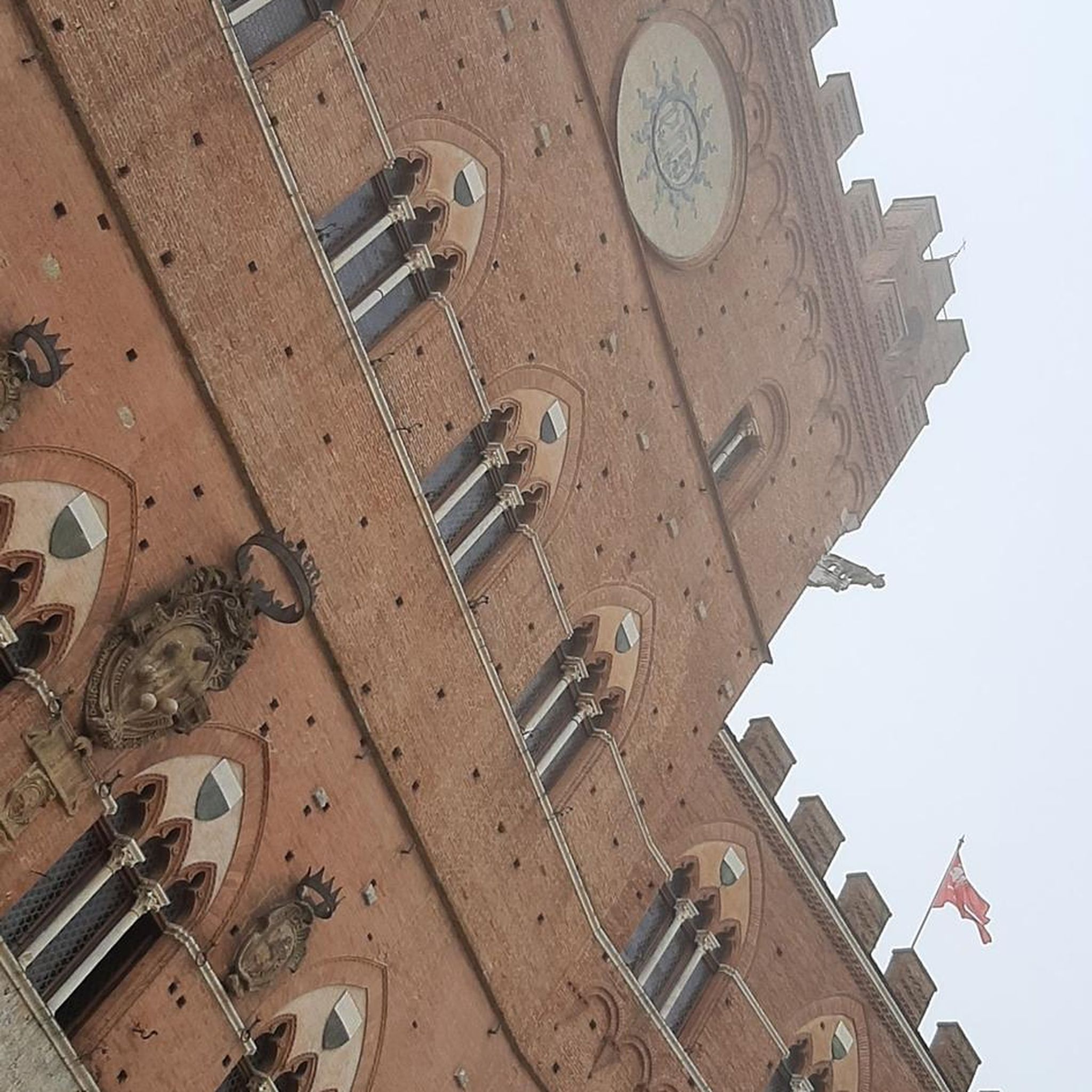
Built at the end of the 11th century by Roger III de Tosny, Lord of Conches. The thickness of the walls is 2.60m. The walls and window embrasures were coated with a layer of mortar mixed with lime and fine sand in order to give a more noble appearance to this flint construction. On the ground floor: it was the food reserve, there were no windows. 1st floor: A central well was used to supply the Château with drinking water. It was emptied in 1849. A fireplace was in each room. It was around 1417, when Conches was in English hands, that the defensive power of the keep was increased under the orders of Captal de Buch. He built an additional tower with the particularity of starting on a square base. Main seats of the castle: 1093: War of the Beautiful Ladies (fight between the Lords of Tosny and the Lords of Breteuil, Beaumont and Evreux) 1199: Philippe Auguste is king of France and he makes the domain of Conches available to his cousin Robert de Courtenay in 1202. 1364: first English occupation. 1371: 100 years war, Bertrand Dugesclin, captain of King Charles V, seizes Conches. 1420: Conquest of Normandy by the English, Henry V, King of England seizes Conches. The castle was taken over in 1440 by Charles VII, King of France. 1441: New English occupation. 1449: The French under the command of Robert de Floques, bailiff of Evreux storm the town of Conches.
0
0
Ruin of the Saint Médard church.
0
1

In our youth 🤣 there was a cyclo-cross with the ascent of the dungeon 😋 where we did our "classes" in this discipline 🚴😀
1
1

Along the Iton, there is an old washhouse and several old mills, one of which now houses a stud farm.
1
0
This dungeon is the last vestige of the fortress of Conches-en-Ouche which was the scene of many battles. Du Guesclin notably laid siege to it in 1371 and took the fortress back from the English. The town center of Goms is also remarkable for its church and its old Norman houses.
2
0
Frequently Asked Questions
What historical sites can I explore around Le Fresne?
The region around Le Fresne is rich in history. You can visit the impressive Conches-en-Ouche Keep, a castle dating back to the 11th century that played a significant role in many historical battles. Another notable site is the Ruins of Saint Médard Church in Villalet, a 14th-century church whose stabilized ruins are now part of a park. Additionally, the Ruins and Graves of the Former Church of Nagel offer a poignant glimpse into World War II history.
Are there any ancient monuments near Le Fresne?
Yes, you can discover the Pierre Courcoulée Dolmen, a significant megalithic monument from the Neolithic period. This dolmen features a large capstone, over 4 meters long and weighing about 10 tons, resting on four pillars, offering a fascinating look into ancient history.
What kind of outdoor activities can I do near these attractions?
The area around Le Fresne offers various outdoor activities. You can find numerous routes for hiking, mountain biking, and road cycling. For hiking, explore trails like the 'Conches-en-Ouche Keep loop' or 'Mare Léger loop'. Mountain bikers can enjoy routes such as the 'Pierre Courcoulée Dolmen – Ruins of Saint Médard Church loop'. Road cyclists have options like the 'Saint-Éloi Church of Le Fidelaire – Conches-en-Ouche Keep loop'. You can find more details on these activities in the Hiking around Le Fresne, MTB Trails around Le Fresne, and Road Cycling Routes around Le Fresne guides.
Are there family-friendly attractions around Le Fresne?
Yes, several attractions are suitable for families. The Ruins of Saint Médard Church, set within a park, offers a unique spot where families can even picnic on the altar. The Moulins du Sacq, with its old washhouse and mills along the Iton river, provides a pleasant setting for a family outing.
Where can I find natural features or scenic spots near Le Fresne?
Beyond historical sites, you can explore natural beauty along the Iton river at Moulins du Sacq, where old mills and a washhouse are nestled by the water. The area also features the impressive Pierre Courcoulée Dolmen, which, while an ancient monument, is set in a natural landscape, offering a refreshing outdoor experience.
What do visitors particularly enjoy about the attractions around Le Fresne?
Visitors appreciate the historical depth and unique character of the sites. For instance, the Conches-en-Ouche Keep is valued for its rich history and impressive architecture. The Pierre Courcoulée Dolmen is noted for its ancient mystery and the opportunity to get fresh air while discovering local heritage. The Ruins of Saint Médard Church is enjoyed for its unique setting as a park where one can picnic.
Are there any historical mills or water features to see?
Yes, you can visit the Moulins du Sacq. Located along the Iton river, this site features an old washhouse and several historic mills, one of which now houses a stud farm. The Iton river itself plays an important role in the local ecosystem, particularly during flood episodes.
What is the history behind the 'Ruins and Graves of the Former Church of Nagel'?
The Ruins and Graves of the Former Church of Nagel mark a site with a poignant history. The church was destroyed in 1942 because it interfered with the landing strips of an aerodrome built by the Germans during World War II. This aerodrome was constructed on land spanning four communes, including Le Fresne, and involved French laborers under German command.
Are there any religious buildings or sites of spiritual interest?
Yes, the Ruins of Saint Médard Church in Villalet, dating from the 14th and 15th centuries, offers a historical religious site. Although in ruins, its stabilized structure and surrounding park provide a contemplative space. Additionally, the Ruins and Graves of the Former Church of Nagel represent another historical religious site, albeit one with a more somber past.
Can I find hiking trails around Le Fresne's attractions?
Absolutely. The region offers various hiking opportunities, including easy loops like the 'Conches-en-Ouche Keep loop from Conches-en-Ouche' (5.9 km) and the 'Mare Léger loop from Le Val-Doré' (6.2 km). For more challenging options, consider the 'Grotte de Gaudreville loop from La Croisille' (13.4 km) or the 'Château de Quenet loop from La Croisille' (8.2 km). You can explore these and more in the Hiking around Le Fresne guide.
Are there options for mountain biking near Le Fresne's attractions?
Yes, mountain biking enthusiasts will find several moderate trails. Popular routes include the 'Pierre Courcoulée Dolmen – Ruins of Saint Médard Church loop from Glisolles' (41.8 km) and the 'Conches-en-Ouche Keep loop from Conches' (24.4 km). For more options, check out the MTB Trails around Le Fresne guide.
What is the best time to visit the attractions around Le Fresne?
While specific seasonal recommendations for Le Fresne are not detailed, the region's historical sites and outdoor activities are generally enjoyable during milder weather. Spring and autumn offer pleasant temperatures for exploring historical ruins and engaging in hiking or cycling. Summer is also suitable, especially for family outings to sites like the Ruins of Saint Médard Church park.
Most popular routes around Le Fresne

Get inspired with the komoot mobile app


Explore more
Still not found the Highlight you’re looking for? See guides of the top attractions in other regions:
