Attractions and Places To See around Saint-Christophe-En-Brionnais - Top 13
Best attractions and places to see around Saint-Christophe-En-Brionnais include a variety of historical sites, cultural institutions, and natural landscapes. Located in the heart of the Brionnais region, the area is characterized by its agricultural heritage, including the distinctive bocage landscape where Charolais cattle graze. Visitors can explore significant Romanesque art and architecture, alongside picturesque natural features. The region offers opportunities to discover its rich history and scenic beauty.
Best attractions and places to see around Saint-Christophe-En-Brionnais
- The most popular attractions…
Last updated: July 1, 2026
Marcigny
Highlight • Settlement
Translated by Google •
Tip by

Church of Our Lady of the Assumption and former priory of Anzy-le-Duc
Highlight • Historical Site
Translated by Google •
Tip by

Sign up now to discover places like this
Get recommendations on the best single tracks, peaks, & plenty of other exciting outdoor places.
Sign up for free
View of Château de La Clayette
Highlight • Castle
Translated by Google •
Tip by

Drée Castle
Highlight • Castle
Translated by Google •
Tip by
Saint-Bonnet-de-Cray
Highlight • Settlement
Translated by Google •
Tip by

Sign up for free to discover even more attractions around Saint-Christophe-En-Brionnais.
Sign up for free
Already have an account?
Start today with a free account
Your next adventure awaits.
Login or Signup


Tips from the Community

Opening hours: Open from the beginning of April to the end of October. June, July and August. Open daily from 10:00 to 18:30. April, May, September and October: Open from 14:00 to 18:00 (closed on Mondays and Tuesdays, except on public holidays). Admission prices: Combined ticket (Castle tour & Gardens): €16 for adults, €10 for youths and students, children under 7 years are free. Gardens only: €8 for adults, €7 reduced.
0
0
Marcigny is a historic French small town in the historical region of Burgundy. It has just under 1,700 inhabitants and is picturesquely located in the southwest of the Saône-et-Loire department, in the vast river landscape of the Loire. It is nestled in the gently rolling Brionnais, which is known for its Romanesque art, pastures, and the famous white Charolais cattle. The town developed from 1050 onwards around an important Benedictine priory.
0
0
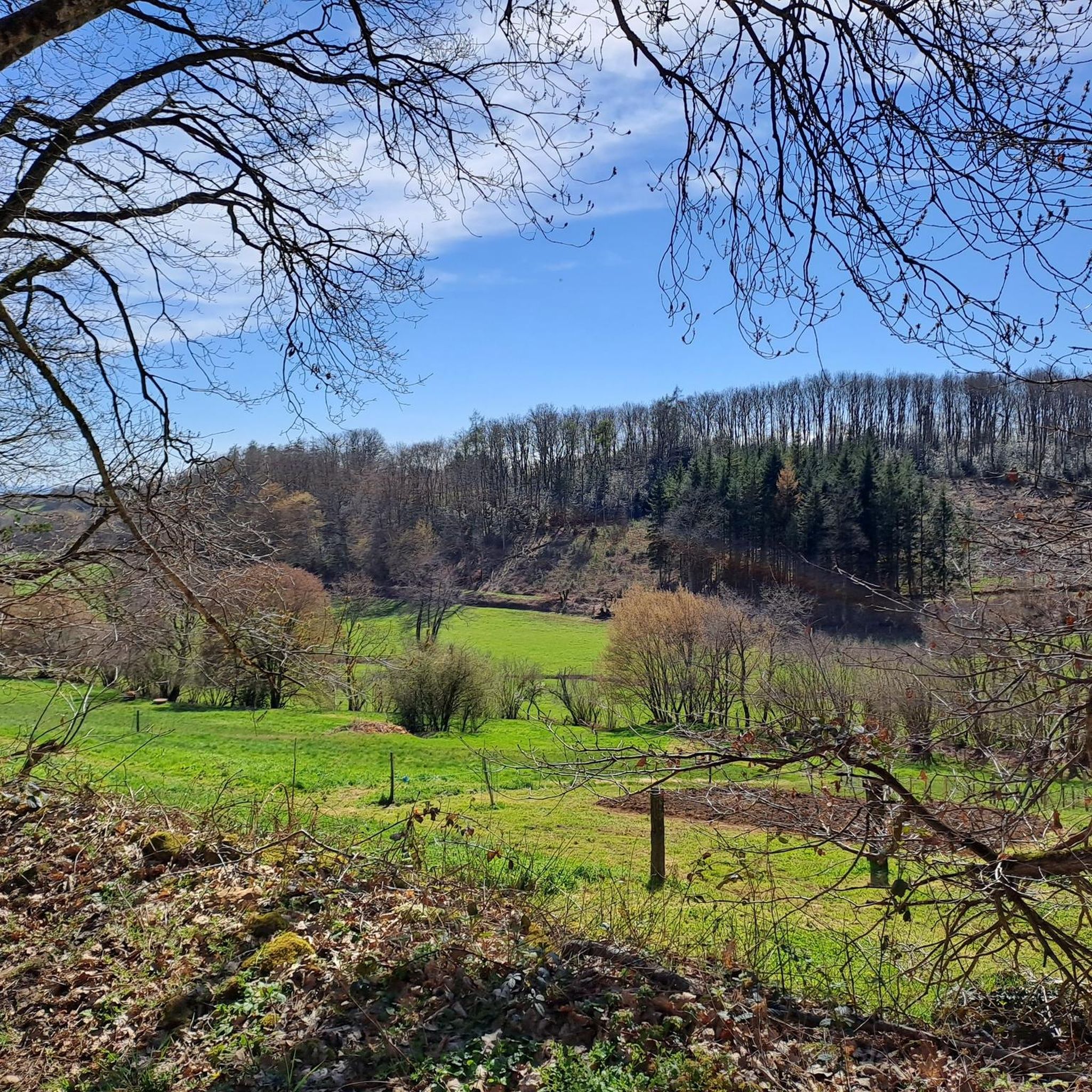
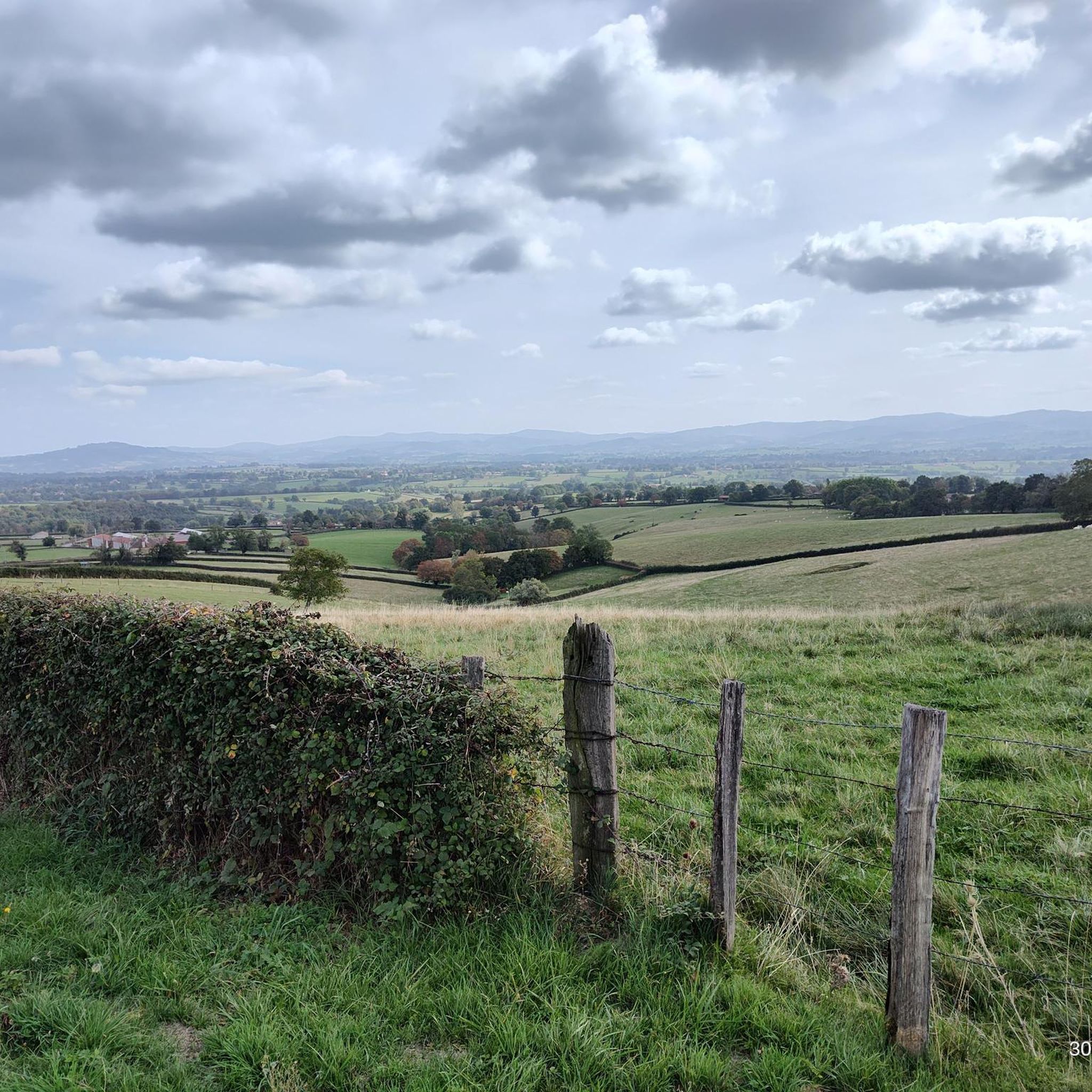
The village is located in the historic and picturesque region of Charolais-Brionnais, known for its gentle green hills, typical cattle farming, and historic Romanesque churches.
0
0

This ceremonial castle was built in the 17th century. A visit to this residence nicknamed “Little Versailles of Charolais” reveals a sumptuous interior. THE. French garden is classified as a Remarkable Garden by the DRAC (Regional Directorate of Cultural Affairs) of Burgundy.
2
0
This priory church is classified as a historic monument. It was built between the end of the 11th century and the beginning of the 12th. Its octagonal bell tower is characteristic and the church is among the most beautiful expressions of Romanesque art in the department. The sculptures are particularly numerous.
1
0

Marcigny is renowned for its traditional Monday market, which has existed since the 11th century. This commune is also home to the Saint-Rigaud Abbey, an important historical site dating from the Middle Ages. The city is also famous for its ceramic manufacturing, notably the famous stoneware potteries which are very popular with craft enthusiasts.
1
0

A couple of great bar/restaurants to eat or drink at near the châteaux
0
0

Still surrounded by its moat, this magnificent castle is nestled on the edge of a 30-hectare pond. Unusually for castles in France, this one has belonged to the same family (the Noblet d'Anglure family) since 1722.
2
0
Frequently Asked Questions
What historical sites can I explore in the Saint-Christophe-en-Brionnais region?
The region is rich in history. You can visit the Church of Our Lady of the Assumption and former priory of Anzy-le-Duc, a Benedictine priory church from the 11th-12th centuries, known for its Romanesque art and octagonal bell tower. The village of Marcigny also hosts the historic Saint-Rigaud Abbey and a traditional market dating back to the 11th century. Additionally, the Centre d'Etudes des Patrimoines (CEP) offers insights into the region's heritage and Romanesque art.
Are there any castles or châteaux to visit near Saint-Christophe-en-Brionnais?
Yes, the magnificent View of Château de La Clayette is a must-see. Built in 1380 on the edge of a pond, it's still surrounded by its moat. While not directly in Saint-Christophe-en-Brionnais, other notable castles in the vicinity include the Château de Drée, known as the 'Petit Versailles du Charolais', and Castle Saint Hugues.
What natural landscapes and features characterize the Brionnais region?
The Brionnais region is famous for its unique bocage landscape, characterized by hedged farmland and vast pastures where Charolais cattle graze. The tranquil Arconce Valley winds through these pastures, and the Fontaine Saint-Martin, a source of the Belaine, offers a serene spot. The area is ideal for enjoying green landscapes and typical farms.
What cycling opportunities are available around Saint-Christophe-en-Brionnais?
You can enjoy several cycling routes in the area. There's a dedicated Cycle Path on Former Railway Line, which provides a traffic-free route. Another option is the Véloire, from Pouilly-sous-Charlieu to Iguerande, a cycle route that runs safely along the wild Loire river in a natural setting. For more options, explore the Road Cycling Routes around Saint-Christophe-En-Brionnais guide.
Are there family-friendly activities or attractions in the area?
Yes, the View of Château de La Clayette is considered family-friendly. Additionally, the Cycle Path on Former Railway Line offers a safe and enjoyable outdoor activity for families. The Musée Ecole, which recreates a traditional 20th-century classroom, can also be an engaging experience for children to learn about local history.
Where can I experience local culture and traditions?
The historic Cattle Market (Marché aux bovins) in Saint-Christophe-en-Brionnais, operating since 1488, is a vibrant cultural experience, especially the traditional 'gré à gré' and electronic 'marché au cadran' for cattle sales. Guided tours are often available, sometimes including a tasting of local Charolais beef. The traditional Monday market in Marcigny, existing since the 11th century, also offers a glimpse into local life.
What kind of hiking trails are available near Saint-Christophe-en-Brionnais?
The surrounding area offers numerous opportunities for hiking, with marked trails providing panoramic views of the Brionnais hills. Trails like the 'Par Mont et par Vaux' loop starting from Briant are popular. You can find various options, from easy to moderate, in the Running Trails around Saint-Christophe-En-Brionnais guide, which includes routes suitable for walking.
What is the best time to visit Saint-Christophe-en-Brionnais for outdoor activities?
The region's natural beauty, characterized by its bocage landscape and rolling hills, is enjoyable throughout the warmer months. Spring and autumn offer pleasant temperatures for hiking and cycling, while summer is ideal for enjoying the green pastures and outdoor markets. The area is generally suitable for nature lovers and hikers when the weather is mild.
Are there any Romanesque churches to visit in the broader Brionnais region?
Absolutely. The Brionnais region is often called the 'Romanesque garden of Burgundy'. Besides the Church of Our Lady of the Assumption and former priory of Anzy-le-Duc, you can explore Charlieu Abbey and the 12th-century Romanesque Saint-Hilaire collegiate church in the medieval village of Semur-en-Brionnais. The Centre d'Etudes des Patrimoines (CEP) also promotes the 'Chemins du Roman', mapping numerous Romanesque churches.
What are the options for mountain biking (MTB) near Saint-Christophe-en-Brionnais?
For mountain biking enthusiasts, there are several trails available. You can explore routes like the 'Anzy loop' from Anzy-le-Duc or Oyé, or the 'Saint Hugues Castle loop' from Saint-Christophe-en-Brionnais. These trails typically range from easy to moderate difficulty. More details can be found in the MTB Trails around Saint-Christophe-En-Brionnais guide.
What unique historical aspects does Saint-Christophe-en-Brionnais have?
Saint-Christophe-en-Brionnais was historically a 'village rue' due to its long-standing markets and even functioned as a thermal station in the 19th century. The village's character is further defined by numerous stone crosses and dry stone walls, reflecting its rich heritage.
Can I find museums or cultural centers in the area?
Yes, the Musée Ecole offers a unique reconstitution of a traditional classroom from the early 20th century, providing insight into the history of education. The Centre d'Etudes des Patrimoines (CEP), also known as the 'cité du Patrimoine', is a key institution dedicated to the region's heritage, featuring a permanent exhibition on Romanesque art and hosting conferences.
Most popular routes around Saint-Christophe-En-Brionnais

Get inspired with the komoot mobile app


Explore more
Still not found the Highlight you’re looking for? See guides of the top attractions in other regions:
