Attractions and Places To See around Saint-Moré - Top 20
Attractions and places to see around Saint-Moré offer a blend of natural beauty and historical significance in the Yonne department of Burgundy, France. Situated on the edge of the Morvan, the village is known for its prehistoric sites and scenic landscapes. The area features numerous caves and rock shelters, providing evidence of ancient human occupation. Visitors can explore the picturesque Cure River valley and discover various historical landmarks.
Best attractions and places to see around Saint-Moré
- The most popular attractions…
Last updated: June 18, 2026
The Saussois Rocks
Highlight • Other
Translated by Google •
Tip by

Cordelle Chapel
Highlight • Religious Site
Translated by Google •
Tip by

Sign up now to discover places like this
Get recommendations on the best single tracks, peaks, & plenty of other exciting outdoor places.
Sign up for free
Great Cave of Arcy
Highlight • Other
Visit the Great Cave, which has been frequented for several centuries for its magnificent concretions; in the 1990s it …
Translated by Google •
Tip by

Châtel-Censoir
Highlight • Other
Translated by Google •
Tip by

Château du Chastenay
Highlight • Castle
Translated by Google •
Tip by
Sign up for free to discover even more attractions around Saint-Moré.
Sign up for free
Already have an account?
Start today with a free account
Your next adventure awaits.
Login or Signup

Tips from the Community

This church, dedicated to the Holy Cross (Latin: "Santa Croce"), derives its patronage from the cross on which Jesus Christ died. The veneration of the Holy Cross is largely based on Saint Helena, the mother of Emperor Constantine the Great (who, after his victory at the Milvian Bridge in Rome, recognized Christianity as a religion and ended the long period of persecution with the Edict of Toleration of Milan in 312). She made a pilgrimage to the Holy Land (Israel/Palestine) in the early fourth century and brought numerous relics back to Europe, including the "True Cross," on which Jesus Christ was crucified. Helena is therefore often depicted with a cross as an attribute. The Church celebrates the Feast of the Discovery, public presentation, and veneration of the Holy Cross—called the "Exaltation of the Holy Cross"—on September 14th.
0
0

Next to the Manor, there is the miniature village.
0
1

very nice little village with a bakery, a grocery store, a garage with a gas pump.
0
0

Very small chapel with a Franciscan monastery. The monastery was only returned a few years ago. The monks are trying to rebuild the monastery through a project
1
0

Châtel-Censoir, crossed by the Yonne and the Canal du Nivernais, has long been a prosperous town, just like its neighbor, Clamecy. This was particularly due to firewood, which was transported to Paris by canal. The Nivernais canal greenway passes below the village. Don't miss the remains of Castrum and the Saint-Potentien collegiate church. For rock lovers, the Saussois climbing site is just a few kilometers away.
1
0

A pretty flat section of a well-paved route crosses the commune of Chatel Censoir. Châtel-Censoir is a small village of nearly 700 people. The village takes its name from the bishop of Saint-Censure, bishop of Auxerre.
0
0

The small building has a square nave with a barrel vault and a small chancel on the east side, also square and with a lancet vault. The originality of the chapel lies in its modest Romanesque decor, with arcades on columns that brighten the side walls and surround the triple bay of the north facade. The 17th-century southern porch is what remains of a Franciscan church. The site of La Cordelle, at the foot of the Eternal Hill towards Asquins, marks the place where Saint Bernard preached the Second Crusade in 1146. The Romanesque chapel was built in the mid-12th century by the Abbot of Vézelay in memory of this great historical event. It is also the site of the first Franciscan monastery in France, founded around the chapel in 1217. Long forgotten, the chapel is once again inhabited by the Franciscans and is open to visitors.
1
0

Appears at the top of the hill this elegant Renaissance style building: the Château du Chastenay. It has a turret placed in a corbel on the right, a hexagonal staircase tower in the center. The pediment of its portal is decorated with a sculpted frieze as well as a Jacquaire shell (we are on the way to Santiago de Compostela). The mullioned windows are also richly carved. The presence of a dovecote affirms the lordly character of the place. In principle, only lords, high justices, had one. The number of bowls was regulated according to the surface area of the owner's fiefdom. The pigeon was highly appreciated for its fine flesh and for its droppings, called columbine, which serves as excellent quality fertilizer.
6
0
Frequently Asked Questions
What historical and cultural sites can I explore around Saint-Moré?
Saint-Moré is rich in history. You can visit the unique Quarry of Sarcophagi and the vestiges of a Gallo-Roman archaeological camp. The ancient Roman Way of Agrippa also passes through the area. Don't miss the Cordelle Chapel, a Romanesque building with a Franciscan monastery, or the village of Châtel-Censoir, known for its historical prosperity and the remains of Castrum and the Saint-Potentien collegiate church. Further afield, the elegant Renaissance-style Château du Chastenay is also worth a visit.
Where can I find prehistoric sites and caves near Saint-Moré?
The region is renowned for its prehistoric significance. The caves within the Arcy-sur-Cure/Saint-Moré massif contain numerous prehistoric sites, offering evidence of occupation from the Middle Palaeolithic to the Neolithic periods. A must-see is the Great Cave of Arcy, where Neanderthal men lived 200,000 years ago and where engravings and paintings dating back 28,000 years have been discovered. Other notable caves include the Grotte de Nermont, Trou de la Marmotte, and Grotte du Renne.
What natural attractions are there to see around Saint-Moré?
Saint-Moré offers stunning natural beauty. You can explore the picturesque Cure River valley, which provides scenic views and trails. The Gorges de Narvau, with its spectacular rock formations, is another natural highlight. Additionally, a rocky hill classified for its unique fauna and flora offers ecological interest. The area is also on the edge of the Morvan Regional Natural Park, providing access to verdant hills and forests.
Are there good hiking opportunities near Saint-Moré?
Yes, Saint-Moré is a paradise for hikers. Popular routes include the Chemin des Moines, which follows the Cure River, and the Sentier du Rocher du Saussois, offering stunning views over the Yonne valley. The Boucle des Gorges de Narvau is another excellent option for exploring the wild gorge. For longer treks, the Sentier GR13 - Tour du Morvan passes nearby. You can find more hiking routes in the area on the Hiking around Saint-Moré guide.
What kind of outdoor activities, besides hiking, can I do?
Beyond hiking, the Saint-Moré area is excellent for other outdoor pursuits. The Saussois Rocks are very popular with climbing enthusiasts, attracting visitors for their imposing limestone walls. You can also find numerous routes for mountain biking and road cycling. Explore options in the MTB Trails around Saint-Moré and Cycling around Saint-Moré guides.
What is the best time to visit Saint-Moré for outdoor activities?
The best time to visit Saint-Moré for outdoor activities is generally during the spring (April-June) and autumn (September-October) months. The weather is typically mild and pleasant for hiking, cycling, and exploring the natural and historical sites. Summer can also be enjoyable, though it can be warmer, especially in July and August. Some cave attractions, like the Great Cave of Arcy, have specific opening hours that vary by season, so it's advisable to check in advance.
Are there any family-friendly attractions or activities in Saint-Moré?
Yes, Saint-Moré offers several family-friendly options. Exploring the prehistoric caves, such as the Great Cave of Arcy, can be an educational and exciting experience for children. Easy hiking trails along the Cure River valley, like the 'View into the Cure Valley – Grotte des Vipères loop from Saint-Moré' (5 km, easy), are suitable for families. The miniature village next to the Château du Chastenay also provides a charming diversion.
Can I bring my dog on trails and to attractions around Saint-Moré?
Many natural trails around Saint-Moré, such as the Chemin des Moines and routes within the Morvan Regional Natural Park, are generally dog-friendly, provided dogs are kept on a leash. However, specific rules may apply to certain protected areas or private properties. For cave visits, like the Great Cave of Arcy, it's best to check their specific pet policy directly, as animals are often not permitted inside for conservation reasons.
What are the most scenic viewpoints in the Saint-Moré area?
For breathtaking views, head to the Sentier du Rocher du Saussois, which offers stunning panoramas over the Yonne valley. The Saussois Rocks themselves provide imposing formations and a great vantage point. The Cure River valley also offers picturesque vistas, especially from trails that follow its course or ascend the surrounding hills.
Is there parking available at the main attractions?
Parking availability varies by attraction. For popular hiking spots like the Saussois Rocks, there are often designated parking areas nearby. For the Great Cave of Arcy, visitor parking is typically provided. In villages like Châtel-Censoir, you'll usually find public parking spaces. It's always a good idea to check specific location details if you plan to drive to a less-known site.
What makes the <a href="https://www.komoot.com/highlight/314011" target="_blank" rel="noopener">Saussois Rocks</a> a popular attraction?
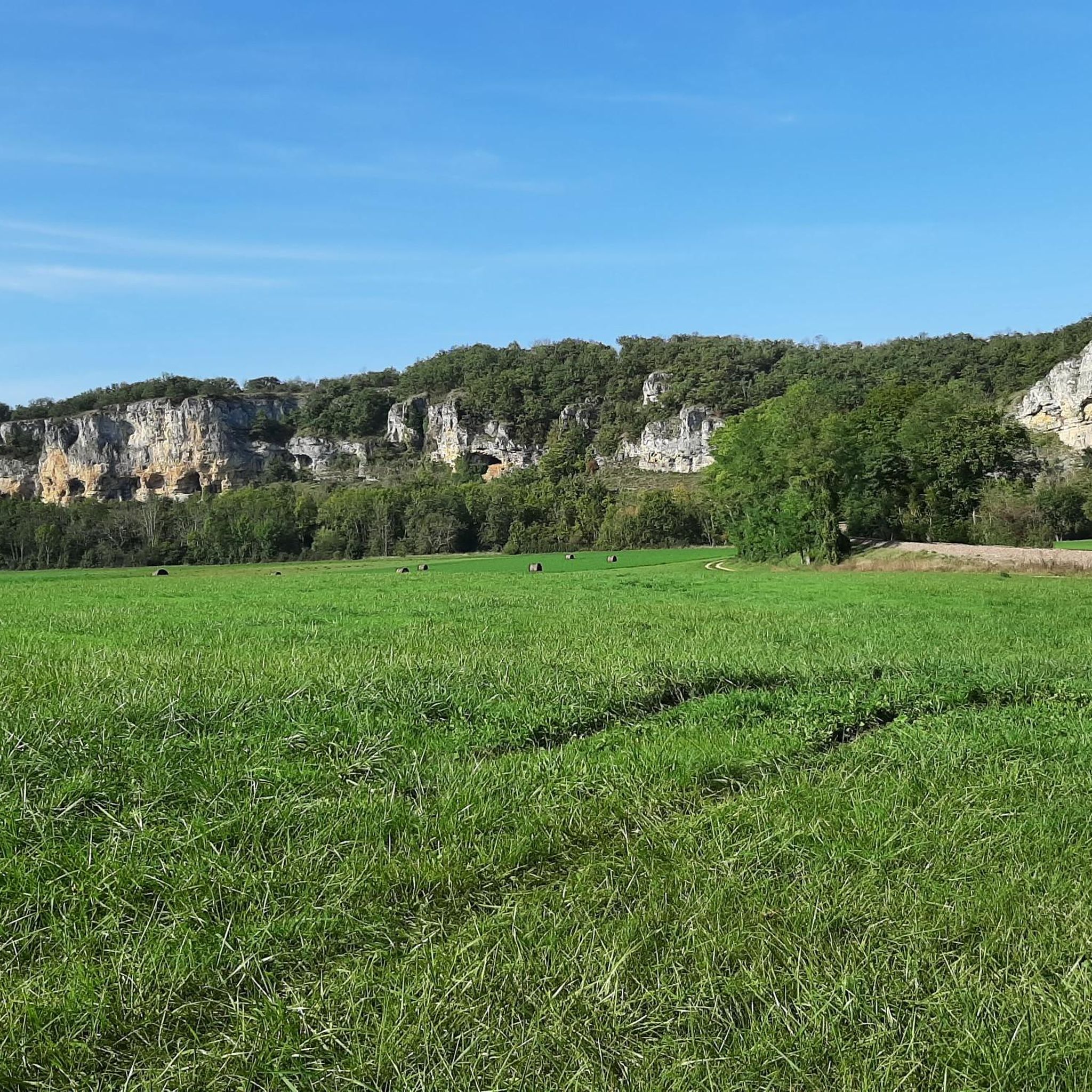
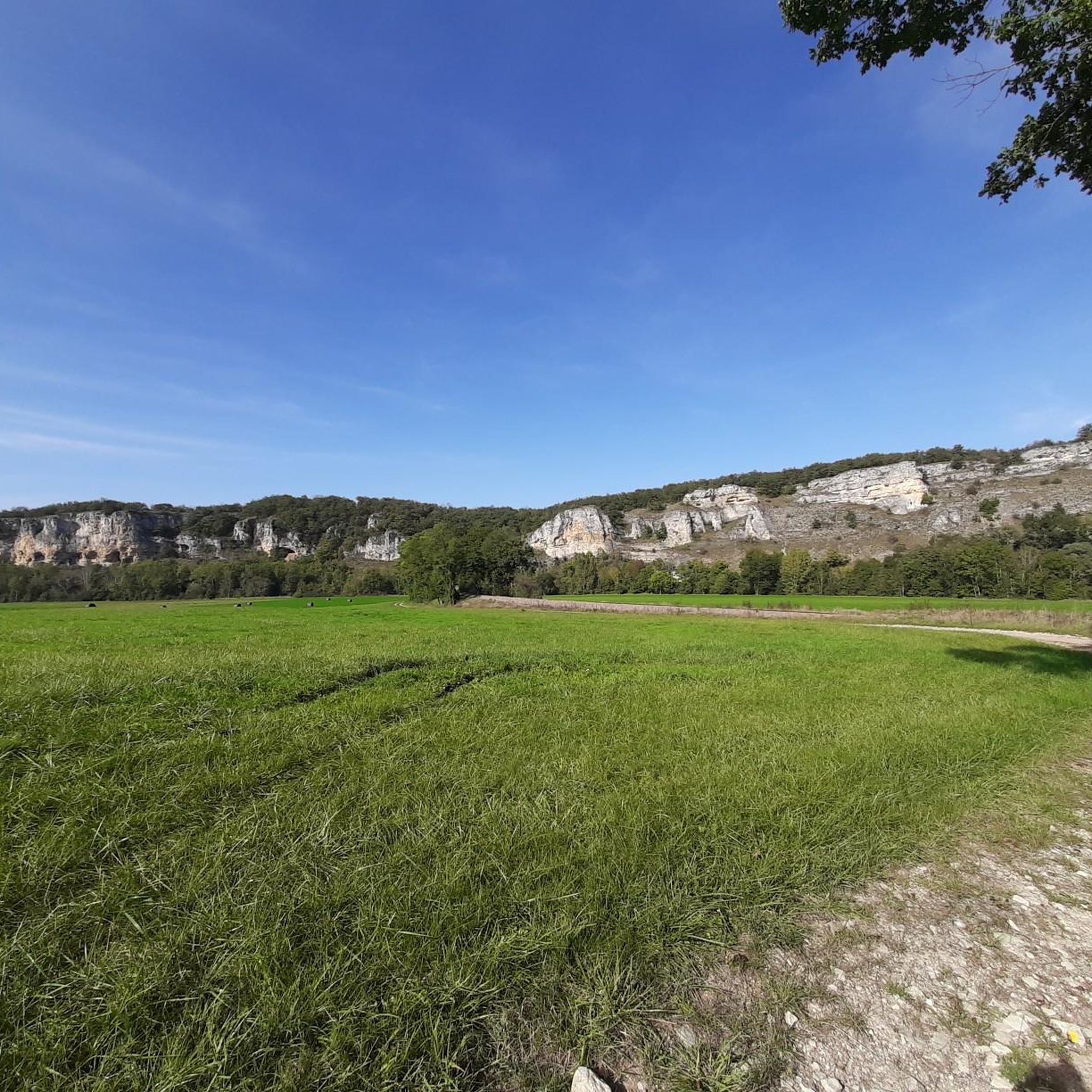
The Saussois Rocks are a major draw due to their impressive limestone cliffs, which reach up to fifty meters high. They are particularly popular with climbing enthusiasts who come from afar to tackle the challenging routes. Even if you're not a climber, the area offers wonderful scenery, a shady rest area, and the opportunity to observe climbers in action, all while enjoying pleasant walks along the river.
Most popular routes around Saint-Moré

Get inspired with the komoot mobile app


Explore more
Still not found the Highlight you’re looking for? See guides of the top attractions in other regions:
