Attractions and Places To See around Saint-Symphorien-Des-Bois - Top 12
Best attractions and places to see around Saint-Symphorien-Des-Bois include historical landmarks, cultural sites, and natural features. This commune in the Saône-et-Loire department of France has historical roots, evidenced by archaeological discoveries from its past as a Roman road. The area offers a blend of significant châteaux, traditional architecture, and opportunities for outdoor activities. Visitors can explore a variety of sites reflecting the region's heritage and landscape.
Best attractions and places to see around Saint-Symphorien-Des-Bois
- The most popular attractions is View…
Last updated: August 25, 2026
Mount St. Cyr
Highlight • Summit
Translated by Google •
Tip by

View of Château de La Clayette
Highlight • Castle
Translated by Google •
Tip by

Sign up now to discover places like this
Get recommendations on the best single tracks, peaks, & plenty of other exciting outdoor places.
Sign up for free
Mont Saint-Cyr
Highlight • Viewpoint
Translated by Google •
Tip by

Drée Castle
Highlight • Castle
Translated by Google •
Tip by

Mount Dun
Highlight • Summit
Translated by Google •
Tip by
Sign up for free to discover even more attractions around Saint-Symphorien-Des-Bois.
Sign up for free
Already have an account?
Start today with a free account
Your next adventure awaits.
Login or Signup

Tips from the Community

Opening hours: Open from the beginning of April to the end of October. June, July and August. Open daily from 10:00 to 18:30. April, May, September and October: Open from 14:00 to 18:00 (closed on Mondays and Tuesdays, except on public holidays). Admission prices: Combined ticket (Castle tour & Gardens): €16 for adults, €10 for youths and students, children under 7 years are free. Gardens only: €8 for adults, €7 reduced.
0
0
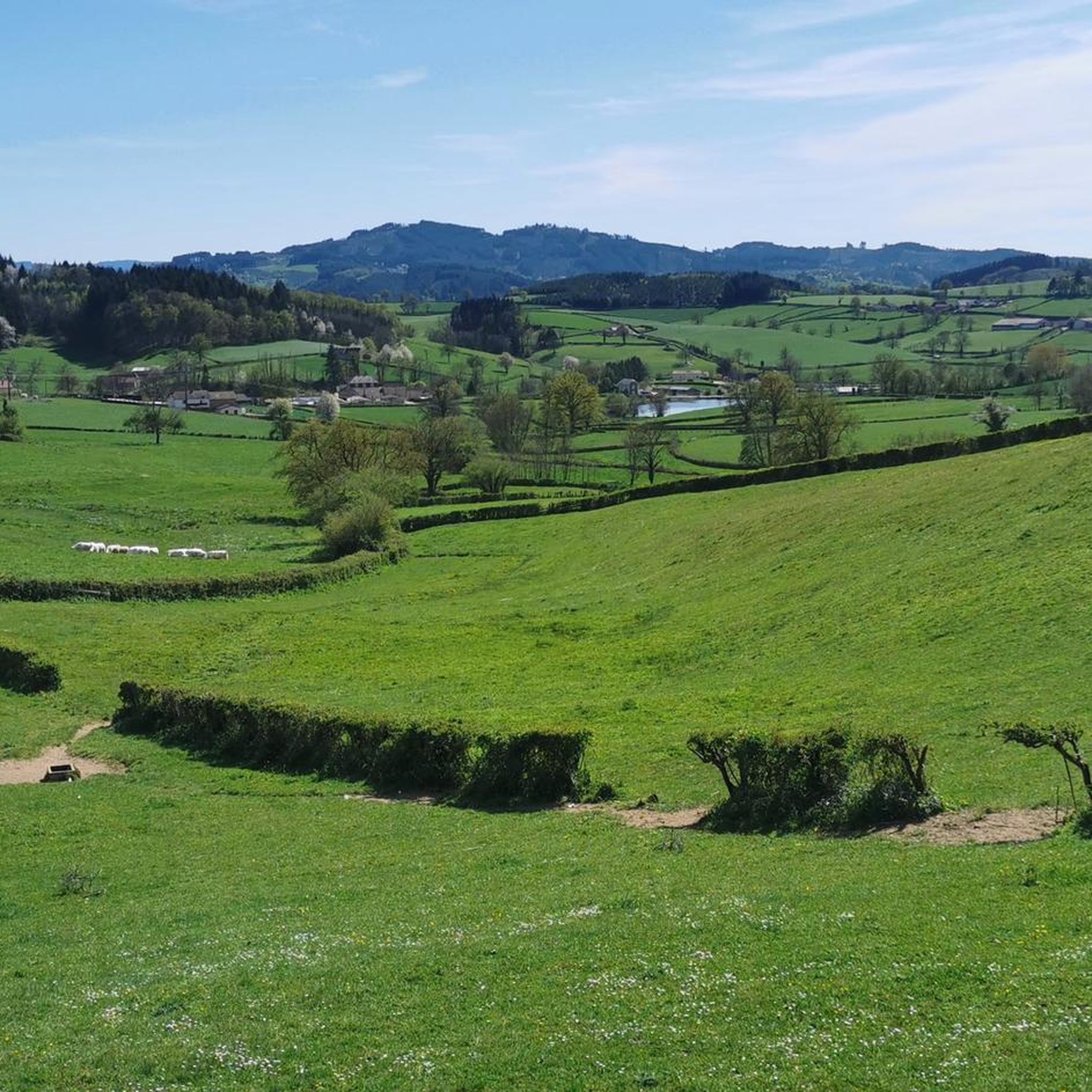
Mont Saint-Cyr is located in southern Burgundy (Saône-et-Loire department) in the municipality of Montmelard and, at 771 meters, is the highest point in the Mâconnais mountains. From the summit, there is a wide panoramic view of the surrounding landscapes of Charolais, Brionnais, and Clunisois. In very clear weather, the view extends eastwards to Mont Blanc in the Alps. On the mountain are the historical remains of a 10th-century monastery, which was destroyed during the Wars of Religion. There is a picnic area in the forest, as well as orientation panels that help identify the surrounding peaks and valleys.
0
0
Mont Saint-Cyr is located in southern Burgundy (Saône-et-Loire department) in the municipality of Montmelard and, at 771 meters, is the highest point of the Mâconnais mountains. From the summit, there is a wide panoramic view of the surrounding landscapes of Charolais, Brionnais, and Clunisois. In very clear weather, the view extends eastwards to Mont Blanc in the Alps. On the mountain are the historical remains of a 10th-century monastery, which was destroyed during the Huguenot Wars. There is a picnic area in the forest as well as orientation panels that are helpful in identifying the surrounding peaks and valleys.
0
0

Mont Saint-Cyr 771 m, the highest point in the Mâconnais mountains with a superb view.
1
0


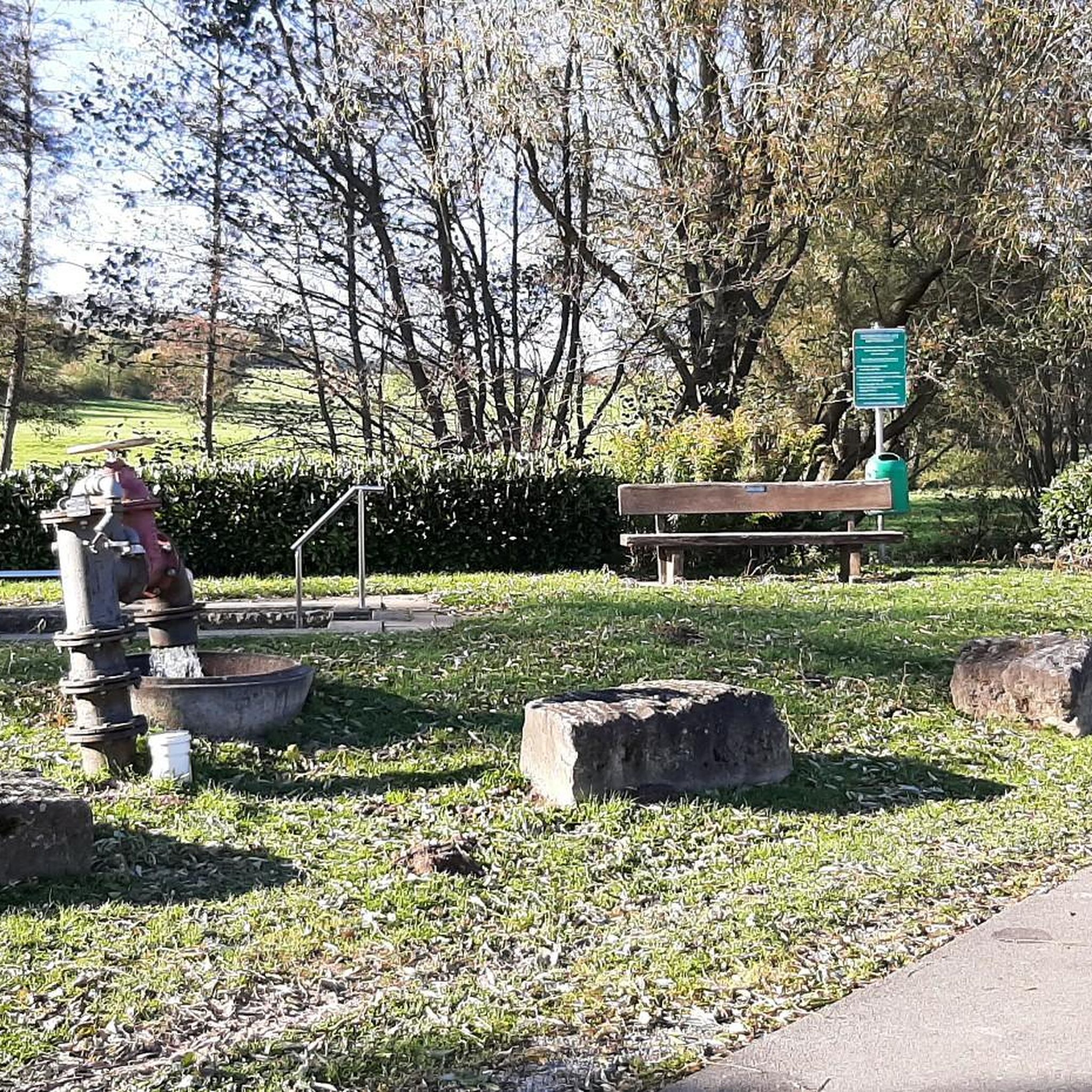
Great walk. Beautiful view with picnic tables and tap with drinking water. However, NOT an easy walk. You must be able to walk well.
0
0

Impressive views over southern Burgundy and Haut-Beaujolais
1
0
Frequently Asked Questions
What historical landmarks can I visit around Saint-Symphorien-des-Bois?
The area is rich in history. You can explore the 11th-century Chapel of Saint Georges, known for its nearby therapeutic fountain. Other significant historical sites include the 17th-century Drée Castle in Curbigny and the 14th-century Château de La Clayette, which is still surrounded by its moat. The ancient Hameau de Giverdier also offers a glimpse into traditional Brionnais rural architecture from the 17th to 19th centuries.
Are there any notable viewpoints or scenic spots in the region?
Yes, for magnificent panoramic views, you should visit Mount Dun. This summit, once a defensive position, offers expansive vistas. Another excellent spot is Mount St. Cyr, the highest point of the Mâconnais mountains, where you can enjoy a 360° view, even seeing the Alps on clear days.
What natural features can I explore near Saint-Symphorien-des-Bois?
The commune is nestled in a natural setting perfect for outdoor activities. You can find local trails that pass through woods, discover a 'Lovers' Lane' with engraved beech trees, and reach the lake at Baubigny with its charming stone dwellings. The surrounding countryside offers many picturesque spots for walking and cycling.
What cultural experiences are available in the area?
Beyond historical sites, you can gain cultural insights at the Maison du Charolais in Charolles, which focuses on the local region and its famous Charolais cattle. The Hameau de Giverdier also serves as a conservancy of rural housing, showcasing traditional Brionnais architecture.
Are there family-friendly attractions around Saint-Symphorien-des-Bois?
Many of the castles, such as Château de La Clayette and Drée Castle, are considered family-friendly. Additionally, the Saint-Christophe-en-Brionnais Auction Market offers a unique cultural experience, especially on Wednesdays when the cattle market is in full swing.
What outdoor activities can I do near these attractions?
The region is excellent for outdoor enthusiasts. You can find numerous routes for hiking and cycling. For specific routes, explore the guides for Hiking around Saint-Symphorien-Des-Bois, Cycling around Saint-Symphorien-Des-Bois, and Road Cycling Routes around Saint-Symphorien-Des-Bois.
Are there hiking trails suitable for beginners or families?
Yes, there are several easy hiking trails. For example, the La Clayette Discovery Trail is a good option, as is the 'Hiking loop from La Clayette - Baudemont'. These trails offer a gentle way to explore the local scenery. You can find more details in the Hiking around Saint-Symphorien-Des-Bois guide.
What is the significance of the Chapel of Saint Georges and its fountain?
The Chapel of Saint Georges, dating back to the 11th century, is one of the oldest places of worship in the area. It is located near the Saint Georges Fountain, whose waters were historically believed to have therapeutic properties, particularly for children's ailments. It remains a site of pilgrimage, especially for a religious minority known as 'the Whites,' who visit annually after Saint George's Day. Although on private property, the chapel is open for visits.
Where can I learn about the local Charolais cattle?
To learn about the famous Charolais cattle and the local agricultural heritage, you can visit the Maison du Charolais, located about 12.2 km away in Charolles. Additionally, the Saint-Christophe-en-Brionnais Auction Market is one of France's most important markets for Charolais cows.
What is the best time to visit Saint-Symphorien-des-Bois for outdoor activities?
The area is generally pleasant for outdoor activities from spring through early autumn. The weather is typically mild, making it ideal for hiking and cycling. For specific hiking weather and seasonal considerations, it's always best to check local forecasts closer to your visit.
Are there any unique local stories or folklore associated with the area?
Yes, according to local oral tradition, the hamlet of La Pouge is famously linked to the white horse of King Henri IV. It is said that the horse was raised on a farm in La Pouge before being sold at a fair in La Clayette, adding a touch of local folklore to the region.
What is the New Neo-Romanesque Church in the village?
The New Neo-Romanesque Church was constructed in the mid-19th century on Montalon hill to accommodate a growing number of worshippers. It now forms the center of the village and is part of the well-traveled circuit of Romanesque churches and chapels in Charolais-Brionnais.
Most popular routes around Saint-Symphorien-Des-Bois

Get inspired with the komoot mobile app


Explore more
Still not found the Highlight you’re looking for? See guides of the top attractions in other regions:
