The best running trails around Montcuq-En-Quercy-Blanc
4.5
(20)
413
runners
13
runs
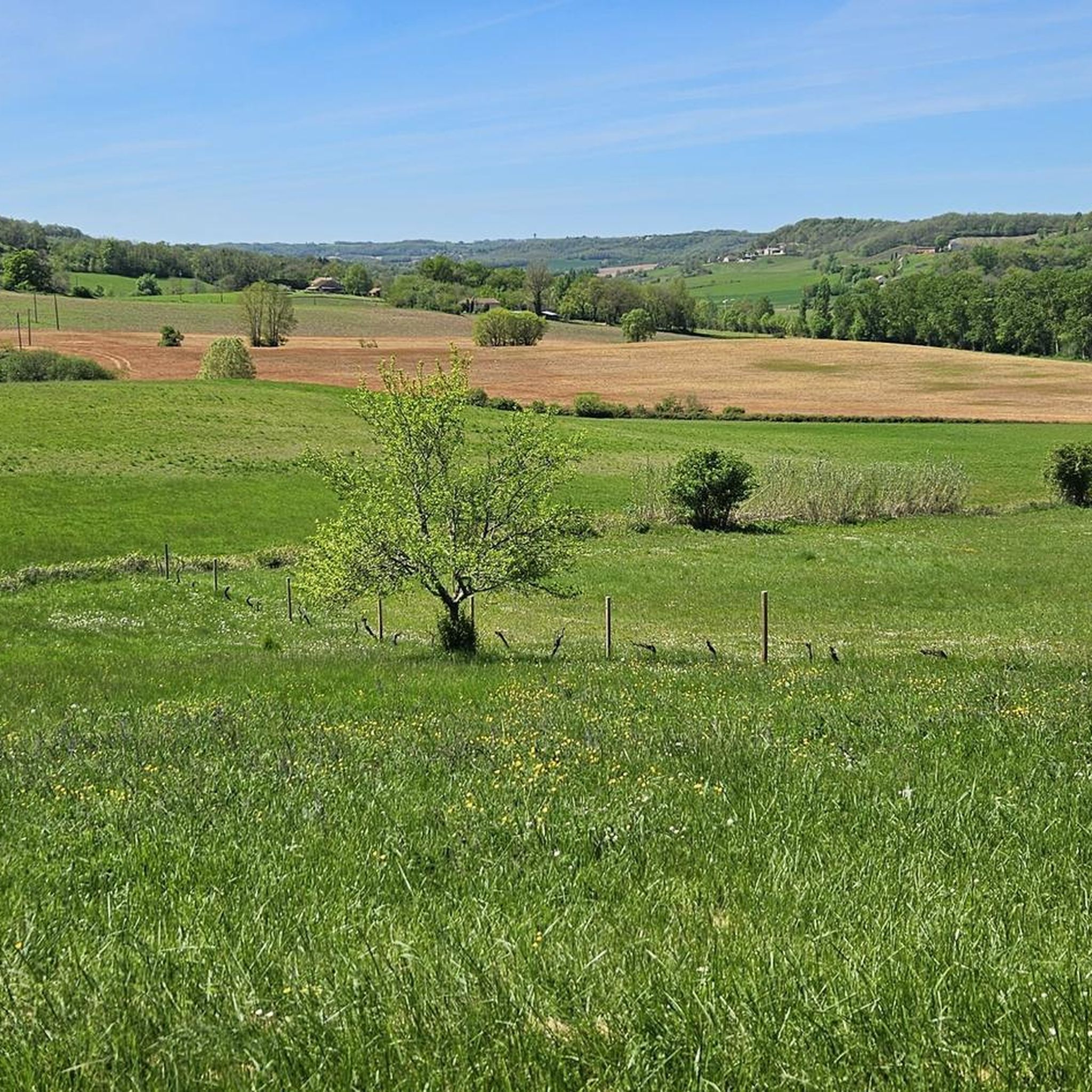
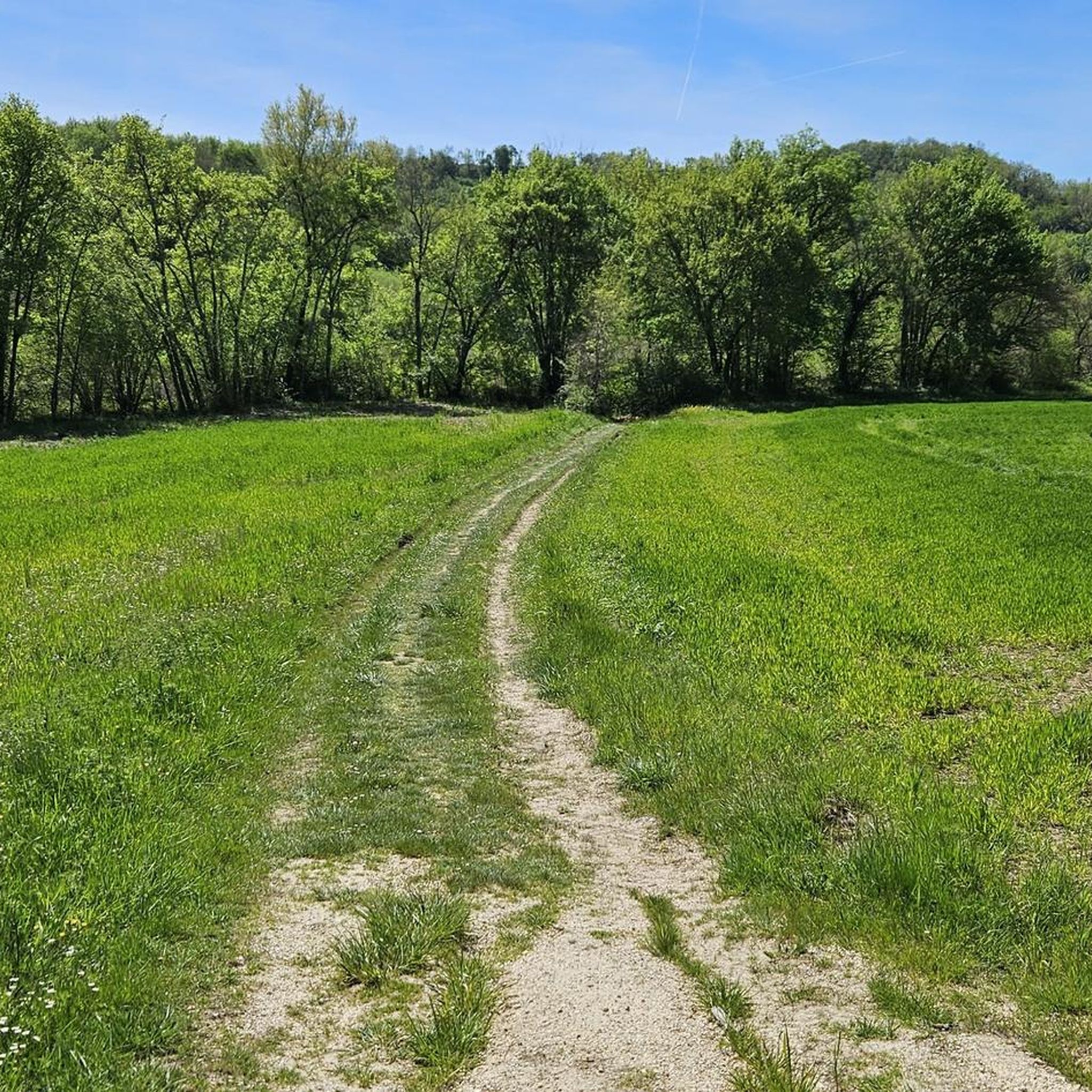
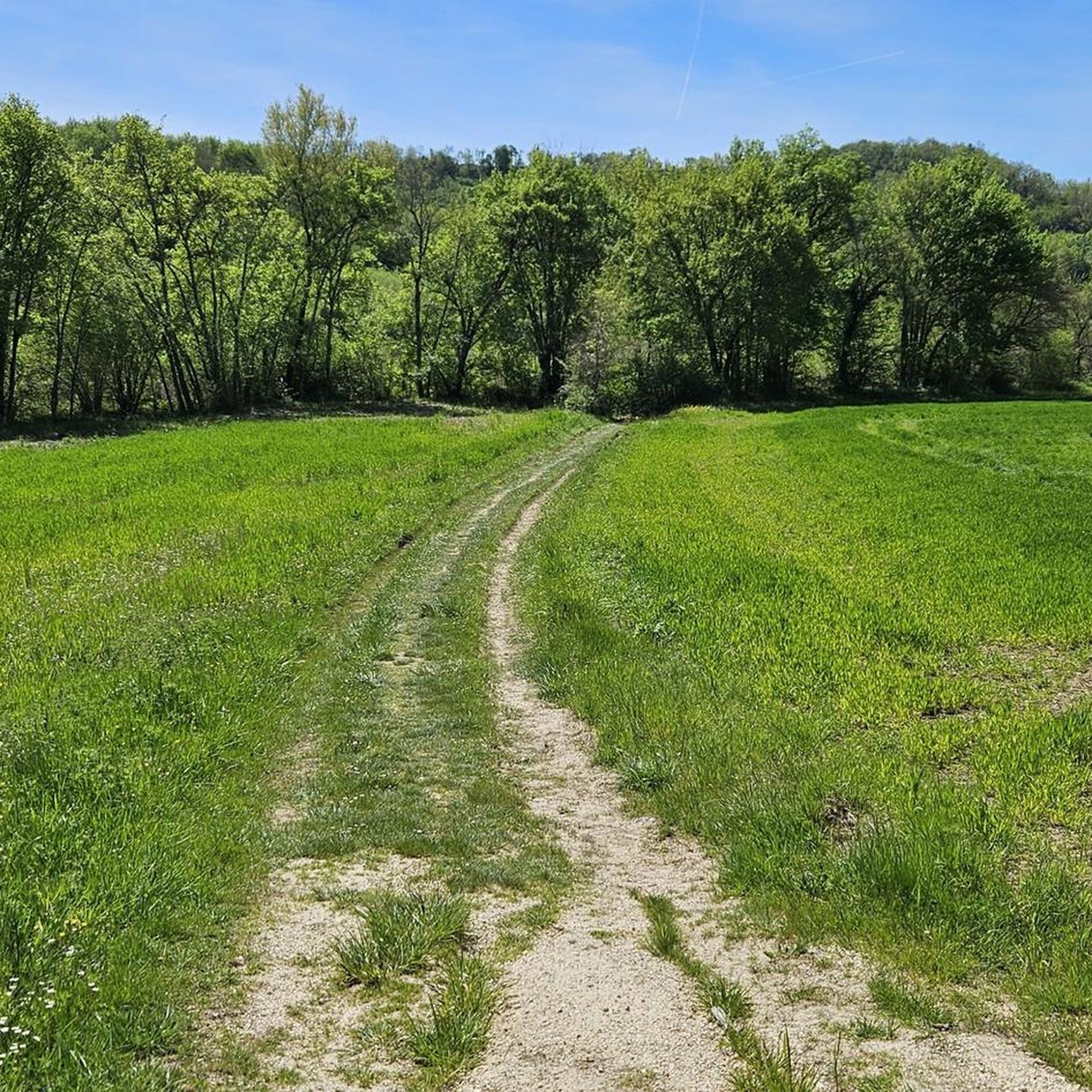
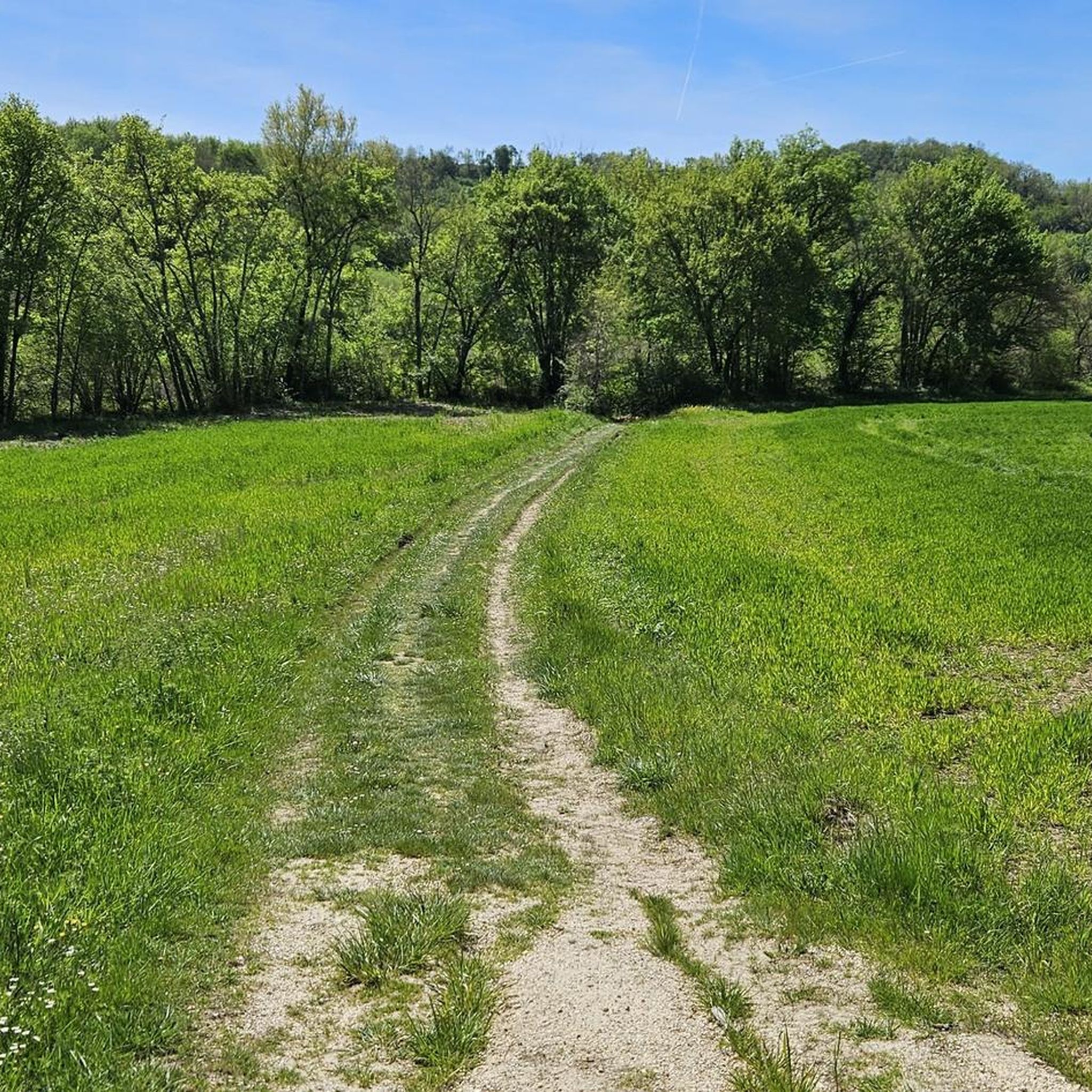
Jogging around Montcuq-En-Quercy-Blanc offers diverse landscapes characterized by luminous limestone plateaus and green valleys. The region features varied topography, including both flat stretches and inclines, with paths winding through agricultural lands, woodlands, and past streams. Joggers can explore routes through fields of sunflowers, vineyards, and shaded oak forests. Montcuq Lake also provides a scenic backdrop for running.
Best jogging routes around Montcuq-En-Quercy-Blanc
- The most popular jogging route is Running loop from Saint-Matré, a 3.2 miles (5.2 km) trail that takes about 30 minutes to complete. This moderate route offers a good introduction to the region's varied terrain.
- Another top favourite among local runners is Running loop from Montcuq, a moderate 3.8 miles (6.1 km) path. This route provides views of the local landscape and is often completed in around 40 minutes.
- Local runners also love the Tour de Montcuq loop from Montcuq, a 6.8 miles (10.9 km) trail leading through the area surrounding the historic Tour de Montcuq, often completed in about 1 hour 15 minutes.
- Jogging around Montcuq-En-Quercy-Blanc is defined by limestone plateaus, green valleys, and extensive woodlands. The network of running routes offers options for various ability levels, from easy loops to more challenging trails with elevation changes.
- The routes in Montcuq-En-Quercy-Blanc are highly rated by the komoot community with an average score of 4.5 stars from more than 15 reviews. More than 350 runners have used komoot to explore Montcuq-En-Quercy-Blanc's varied terrain.
Last updated: August 18, 2026
4.0
(1)
15
runners
9.88km
01:14
230m
230m
Moderate run. Good fitness required. Mostly paved surfaces. Suitable for all skill levels.
5
runners
12.6km
01:21
130m
130m
Moderate run. Good fitness required. Mostly paved surfaces. Suitable for all skill levels.

Sign up for free
5
runners
11.8km
01:18
150m
150m
Moderate run. Good fitness required. Mostly accessible paths. Some sure footedness required.
4
runners
6.87km
00:49
110m
120m
Moderate run. Good fitness required. Mostly paved surfaces. Suitable for all skill levels.
5
runners
14.3km
01:33
190m
190m
Moderate run. Good fitness required. Mostly paved surfaces. Suitable for all skill levels.
Get access to more routes and recommendations from other explorers.
Sign up for free
Already have an account?
Our route recommendations are based on thousands of hikes, rides, and runs completed by other people on komoot.
Start today with a free account
Your next adventure awaits.
Login or Signup

Tips from the Community

Built at the end of the 13th century and remodelled in the 18th century following a fire in 1562, then again in 1881, the village church forms a single-nave stone vessel with a polygonal apse. The choir (Radiant Gothic) is covered. The stained glass windows, in very vivid colour ranges, depict the lives of Christ and Saint-Hilaire.
0
0
Montcuq is a superb medieval hilltop village with a rich heritage in the heart of Quercy Blanc: La Tour de Montcuq: A majestic 12th-century keep that proudly overlooks the village. Built between the late 12th and early 13th centuries under the authority of the Counts of Toulouse.Destruction of the castle: During the Albigensian Crusade and the treaties with the King of France, the local lord had to dismantle the ramparts. Only this keep survived.Particularities: It has a rectangular (or trapezoidal) shape and a square turret housing a unique spiral staircase. Scientifically, the name has nothing lewd about it: it comes from the Occitan Moncuc, which simply means a conical hill or a fortified hill.
0
0

A cozy town with many opportunities to stock up on provisions.
0
0

in Montcuq observe the sculptures of the St-Hilaire church, built around 1250/1270 in La COUnco (Conca in written oc, the SHELL) OUTSIDE the first ramparts (it replaced a primitive St-Sernin, located at the foot of the tower , Place del Plàn, west, therefore prior to Charlemagne) The church, said OUTSIDE the WALLS again in 1350, is marked by interior sculptures (transept, choir, apse) of the most esoteric...their hidden meanings are foreign to Christianity. ..Other old medieval houses are also rich in sculptures with secret meanings: house with the sign "Four 4", shortly after the town hall going up towards St-Hilaire, on the right, 13th century house at the bottom and on the right from the rue du Plàn, Very old names have been preserved: Pàtus (= small square) del Potz/Pouttss, Carriéro (= Rue) de l'Aste (de la Lance en oc: Asto), Carriéro Dréytsho (rue Droite) d 'others, known: quarry of the Fourns, fourn nàut é fourn batch, quarry of the Gatsharîo, quarry of the Ribiéyro de Mouncuc, Fîu Soubiràn (Sovereign Fief "or--Sup Latin eranus--- "from the top of the town"), Cantou de Quantard, Cantou de VillaBorgonh--Billobourgounn--, Plàça de la Caminada (from the Old Presbytery after 1450, below the Parish House): under the Mediatheque , Prat del Gassàyrou, Bàrri (district) of Valeta, de Rozet, Camy de Pènn..etc..), have not had the happiness of being formalized, replaced by falsely "occitanizing" names! of Montcuq of the "vanellas (banéllos), empty spaces separate the houses and wide of 75cms, two and a half feet, a distance dating from the Roman Empire! Montcuq was legendaryly founded in the year of the Millennium of Rome, a combe bears the name de Vielha Roma" (Byélyo Roumo) OLD ROME,..the house at the bottom of the Rue du Plàn seems to have been a Jewish house, even of a rabbi and descendant of the tribe of Judah...In the Tower the points of the horizon indicated by the median axes of the openings, windows and door, correspond to places loaded with myths and related to sunrises and sunsets s solar, lunar, stars, constellations, on key dates of the year and therefore of the Old Calendar of the "Old Religion", as said of the secret and mysterious depths of old Quercy, the real one, not the one Tourists, such as "More-Than-Healer" of the Pays de Montcuq..
2
0
The problem is that Montcuq is a village in the OC region and that the pronunciation of the name follows the rules of OCCITAN, and southern French, region (33 departments in the south of France...) and languages ( Occitan and southern French) where ALL the LETTERS are PRONOUNCED!!....in all the Oc countries and in Quercy in particular (White or other!) we therefore pronounce "Monkükkk" by stating very clearly the last consonant.. .and if you want to be, or pass for being, from the country you will even pronounce "Mounnkükk" or even MounKütt"..as for the inhabitants, they are not the Montcuquois but the Mountcuquiols..and Quercy is pronounced Càrci (tonic accent on Cà ,Rroulé) and Quercy Blanc is called, in Oc, Càrci Albènc (albènnkk)...As for Barguelonne, we do not know it under the name of Barguelonnette...but, in Oc, of bargoLOUno...The name de Quercy-Blanc is very recent, it has no historical roots...it is a creation of geographers...the only old name is "Pàis dels Valls" (Country dellss Ballss: Spanish style)Country Valleys...(direct tributaries of the Middle Garonne) in a North-East to South-West direction... The causses are invaded by spontaneous Mediterranean vegetation, wild fig trees, pistachio trees, terebinths, asphodels, wild asparagus, Montpelleier maples, Phillyres (sub-Saharan shrubs!) attest that ..the environment lends itself to it...the great master of the sky in these regions is the Autan Wind..coming from the Balearic Islands...and the culture is all Occitan...
2
0

Montcuq means "a pointed height" in Celtic. Like Cajarc, mentioned above, Montcuq was also the subject of a report for Jacques Martin's comedy TV show in 1976: Le Petit Rapporteur. It was Daniel Prévost who cheerfully joked about Montcuq, obviously playing on the double meaning of the village's name. He could barely contain his laughter, and the mayor at the time played along: it was a cult classic. Today, the village continues to capitalize on this reputation, banking on the tourist benefits of pilgrims coming here. In July 2022, the village was chosen over the city of Lyon to host the first Popcorn Festival. "Popcorn" is a show broadcast every Tuesday on Twitch. It is hosted by Domingo with hand-picked guests. It discusses current events, but not only that. For over two and a half hours, the viewer has no time to get bored. The event is now one of the most watched on the streaming platform. Montcuq is a charming village. Its tree-lined promenade runs along the lower part of the village, offering a lovely stroll as well as a perfect place to relax.
2
1
Pleasant walk to discover the quercy blanc. With a plus on Sunday market day. Magnificent view of the village, discovery of a japan wind phone phone booth and picnic area in a wooden cabin.
2
0

Montcuq is very well known and speaking about the place almost every Frenchman immediately gets a mischievous smile on his face. Montcuq is not known for its village square or weekly market, but for its rather unusual name. Montcuq is pronounced in general civilized French as "MONKU", "mon cul" so. And well, in flat French that literally means 'my behind, my ass...' and you can come up with it yourself.
5
1
Frequently Asked Questions
How many running routes are available in Montcuq-En-Quercy-Blanc?
Montcuq-En-Quercy-Blanc offers a wide selection of running routes, with over 70 trails available for exploration. These range from easy loops to more challenging paths with varied elevation.
What kind of terrain can I expect on the running trails in this region?
The region, known as 'Quercy Blanc', features diverse terrain. You'll find luminous limestone plateaus, green valleys with streams, and paths winding through agricultural lands like sunflower fields and vineyards. Shaded oak forests and routes near Montcuq Lake also provide varied running surfaces.
Are there easy running routes suitable for beginners or a relaxed jog?
Yes, Montcuq-En-Quercy-Blanc has routes perfect for beginners or those looking for an easy run. There are at least 2 easy routes, and many moderate trails offer gentle sections. For example, the Running loop from Saint-Matré is a moderate 5.2 km trail that provides a good introduction to the region's varied terrain without excessive difficulty.
Are there more challenging running routes for experienced runners?
Absolutely. For those seeking a greater challenge, there are 9 difficult running routes in the area. The diverse topography, including limestone plateaus and valleys, offers trails with significant elevation changes to test your endurance.
What do other runners say about the trails in Montcuq-En-Quercy-Blanc?
The running routes in Montcuq-En-Quercy-Blanc are highly rated by the komoot community, with an average score of 4.5 stars from over 15 reviews. Runners often praise the varied landscapes, the peaceful atmosphere, and the well-maintained paths that showcase the region's natural beauty.
Are there circular running routes available?
Yes, many of the running routes in Montcuq-En-Quercy-Blanc are circular, allowing you to start and finish at the same point. Examples include the popular Running loop from Montcuq (6.1 km) and the longer Tour de Montcuq loop from Montcuq (10.9 km).
Can I run with my dog on the trails in Montcuq-En-Quercy-Blanc?
Generally, dogs are welcome on trails in rural France, especially if kept on a leash. The extensive network of paths through woodlands and agricultural lands provides ample space for you and your canine companion to enjoy a run together. Always be mindful of local regulations and private property.
What natural features or landmarks can I see while running in the area?
The trails often pass through picturesque landscapes, including fields of sunflowers and lavender, vineyards, and shaded oak forests. You might also encounter ancient dry stone walls (gariottes) and streams. The Montcuq Old Town and the 13th-century Tour de Montcuq offer historical sights, and Montcuq Lake provides a beautiful natural backdrop.
Are there any historical sites or cultural points of interest along the running routes?
Yes, the region is rich in history. Many trails follow portions of the ancient GR65 pilgrimage route to Santiago de Compostela. You can also discover charming white stone villages, remarkable edifices like the chapel of St. Jean le Froid, or the church of Saint-Pierre de Rouillac. The Saint-Hilaire Church of Montcuq and a typical local dovecote are also notable sights.
When is the best time of year for running in Montcuq-En-Quercy-Blanc?
Spring and autumn are generally ideal for running, offering pleasant temperatures and vibrant scenery. Spring brings blooming wildflowers and fresh greenery, while autumn showcases beautiful fall colors. Running through sunflower or lavender fields during their blooming seasons in summer can also be a sensory delight, though it can be warmer.
Are there running routes that offer panoramic views?
Yes, the region's limestone plateaus and the village of Montcuq itself, built on a rocky outcrop, offer several opportunities for panoramic views. Climbing to the roof terrace of the 13th-century Tour de Montcuq provides stunning vistas over the village and the typical Quercy Blanc landscapes, a rewarding sight after a run.
Where can I park when accessing running trails in Montcuq-En-Quercy-Blanc?
Parking is generally available in or near the villages that serve as starting points for many routes, such as Montcuq or Saint-Matré. Look for designated public parking areas within these villages, which are usually well-placed for trail access.
Most popular routes around Montcuq-En-Quercy-Blanc
Most popular attractions around Montcuq-En-Quercy-Blanc

Get inspired with the komoot mobile app


Explore more
Browse the best Running Trails & Routes in other regions.
