Top 9 Castles around Bricquebec-En-Cotentin
Best castles around Bricquebec-En-Cotentin offer a journey through centuries of history in the heart of the Cotentin Peninsula. This region is characterized by its strategic inland locations and coastal proximity, featuring a mix of medieval strongholds and later period châteaux. The landscape includes vast expanses of marshes, forest massifs, and hilly sites, providing diverse settings for historical exploration.
Best castles around Bricquebec-En-Cotentin
- The most popular castles is Rozel Castle 🏰, a castle that was altered over the centuries, notably…
Last updated: October 4, 2026
Château de Bricquebec
Highlight • Castle
Translated by Google •
Tip by

Rozel Castle 🏰
Highlight • Castle
Translated by Google •
Tip by

Sign up now to discover places like this
Get recommendations on the best single tracks, peaks, & plenty of other exciting outdoor places.
Saint-Sauveur-le-Vicomte
Highlight • Castle
Translated by Google •
Tip by

Château de Pont-Rilly
Highlight • Castle
Translated by Google •
Tip by

Omonville Castle
Highlight • Castle
Translated by Google •
Tip by

Sign up for free to discover even more castles around Bricquebec-En-Cotentin.
Already have an account?
Start today with a free account
Your next adventure awaits.
Popular around Bricquebec-En-Cotentin
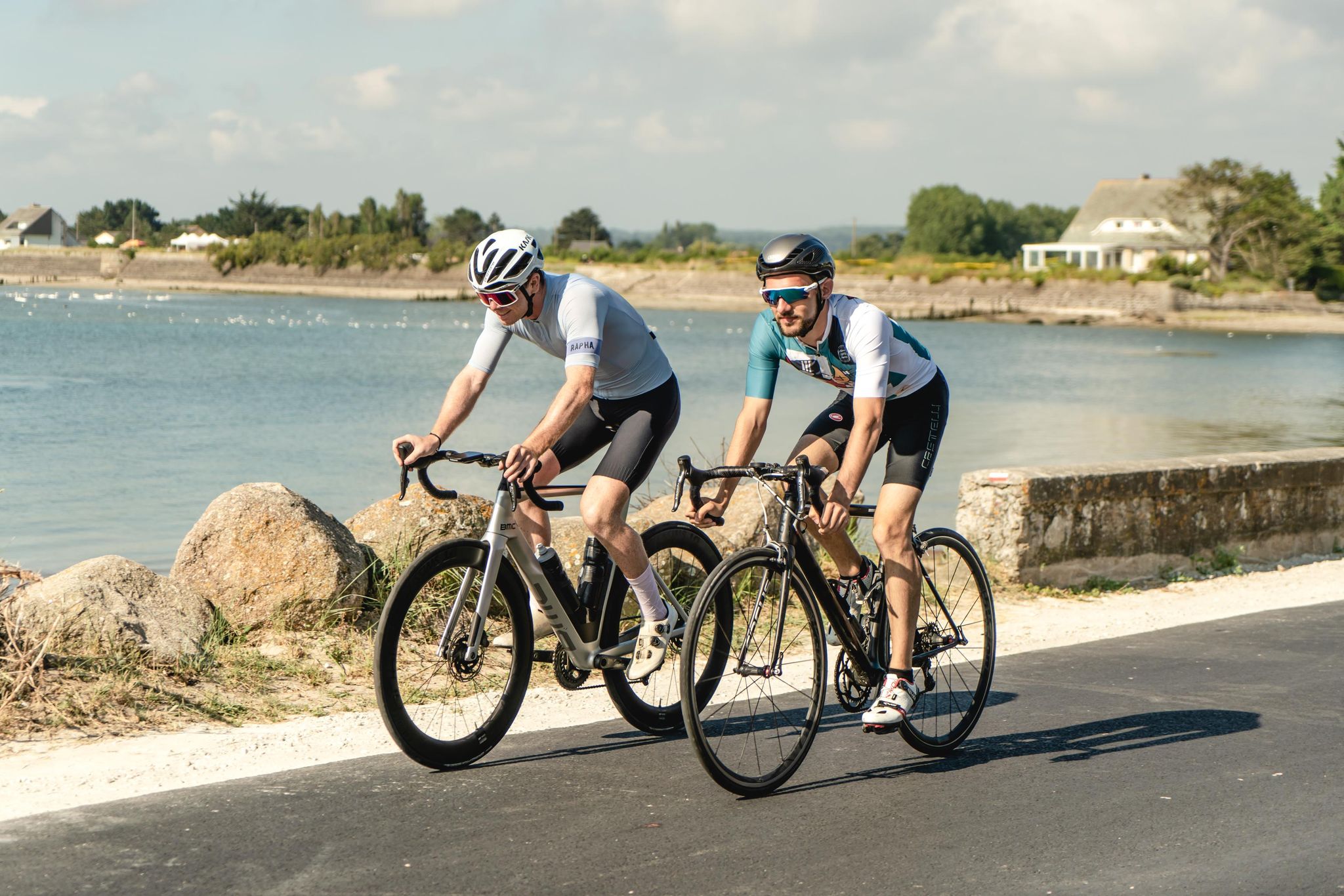
Boucles cyclosportives dans le Cotentin
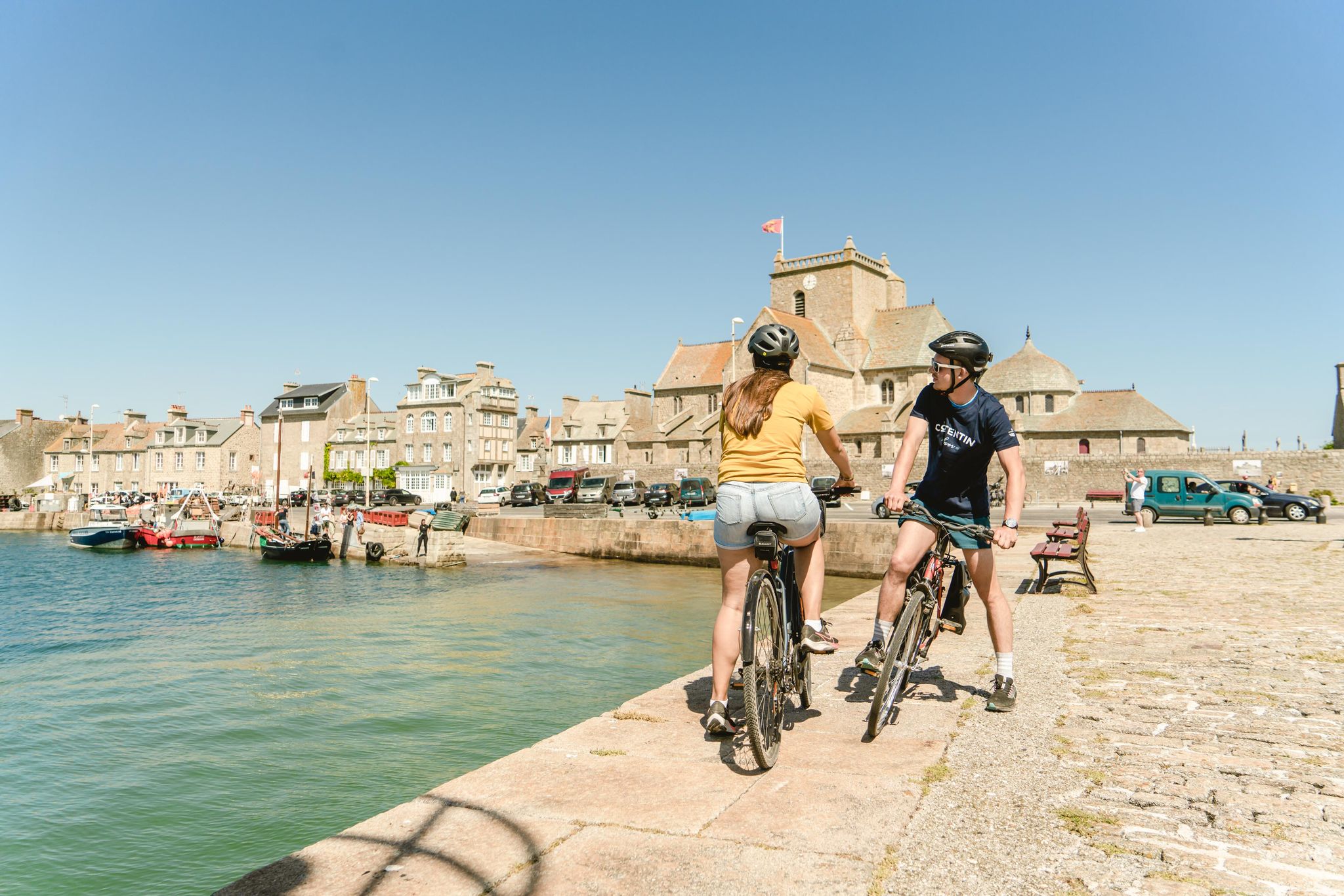
Boucles vélo loisirs du Cotentin
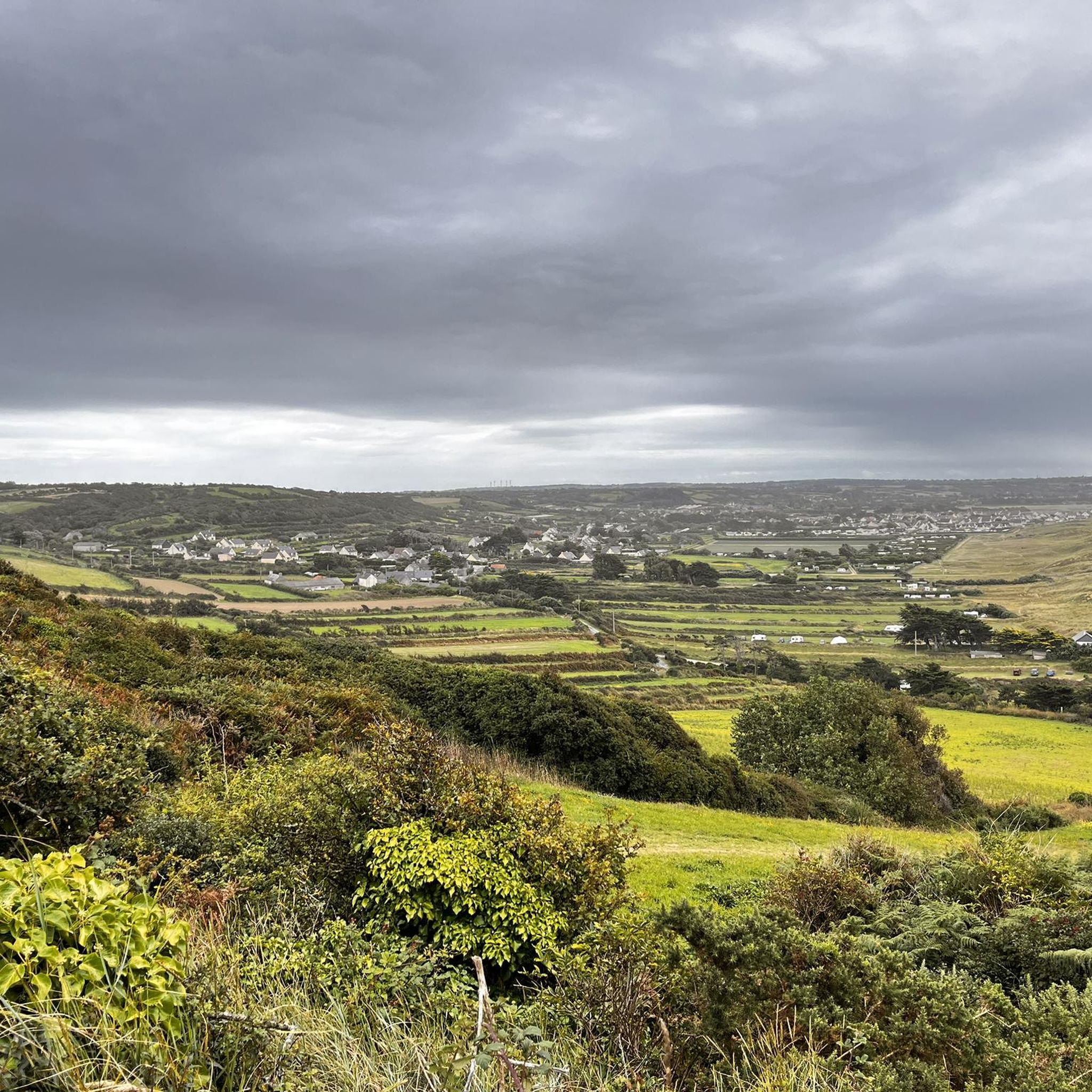
Road Cycling Routes around Bricquebec-En-Cotentin
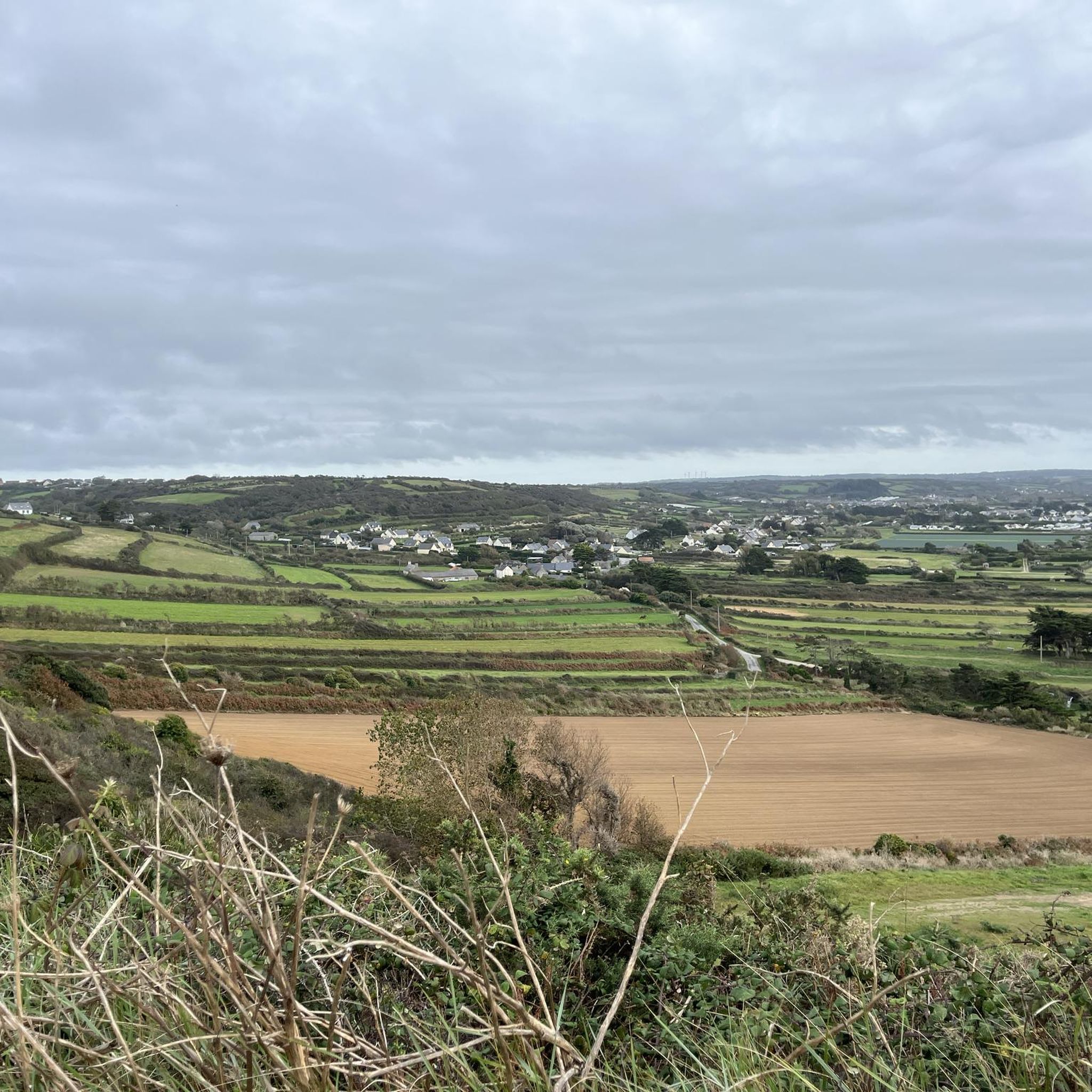
Cycling around Bricquebec-En-Cotentin
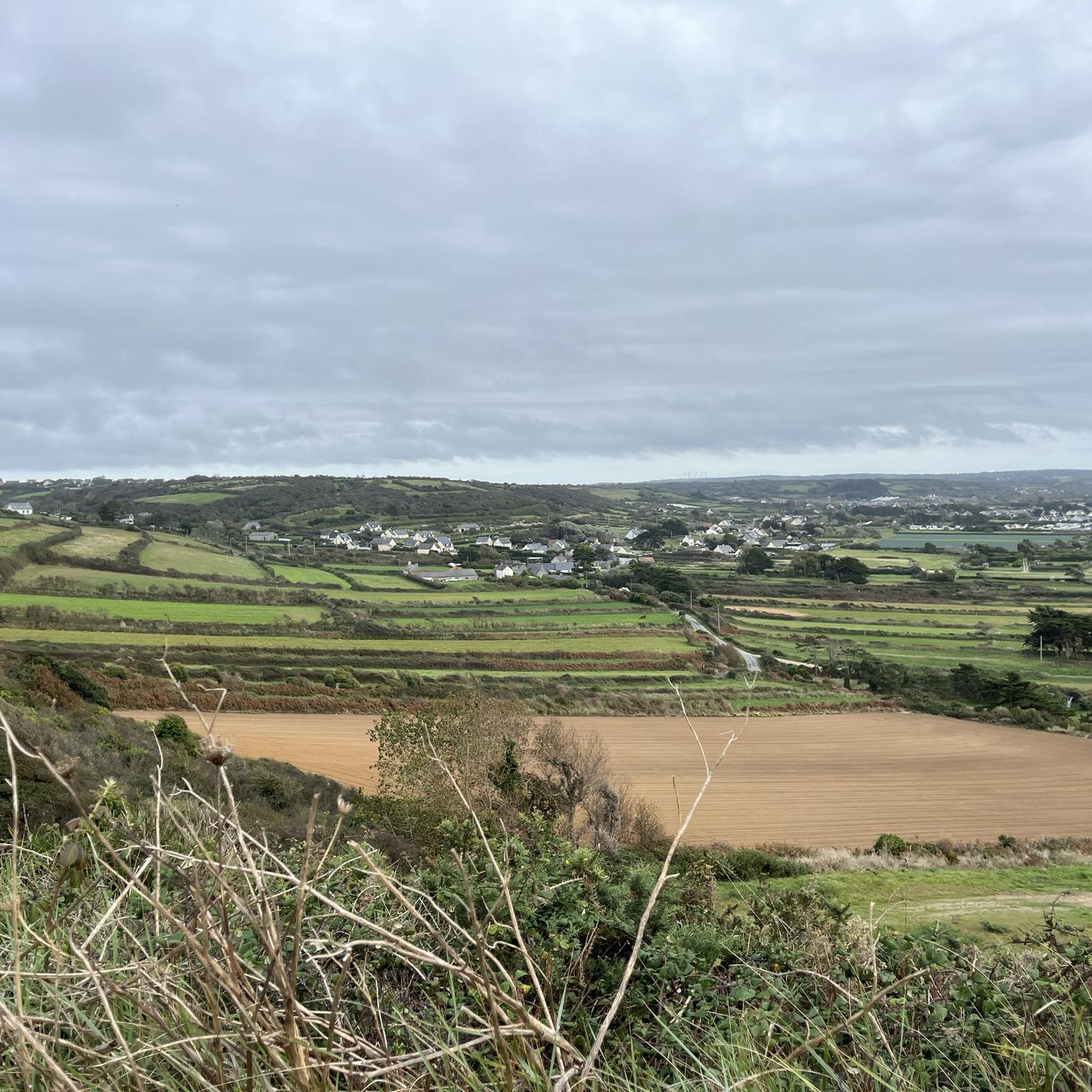
MTB Trails around Bricquebec-En-Cotentin
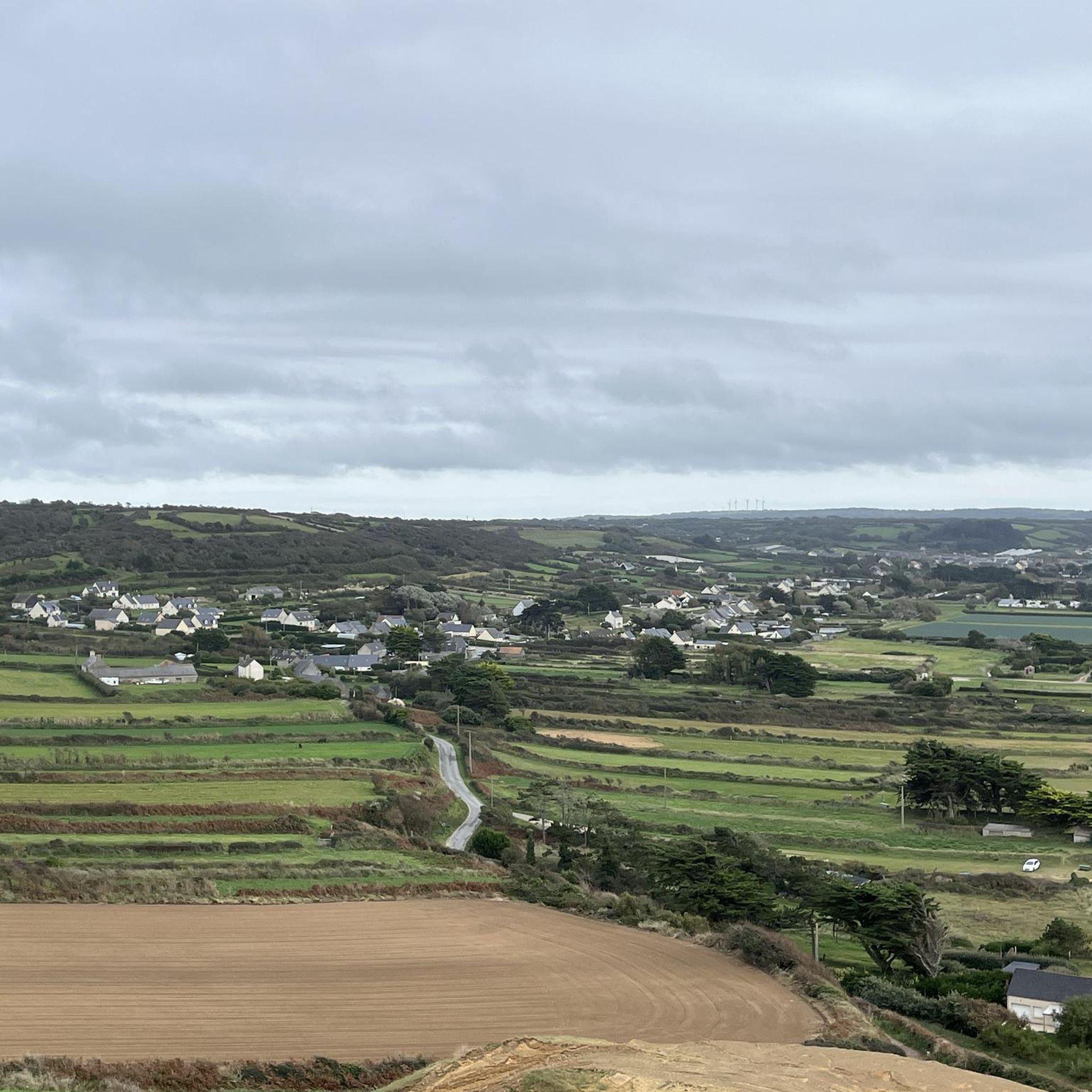
Running Trails around Bricquebec-En-Cotentin
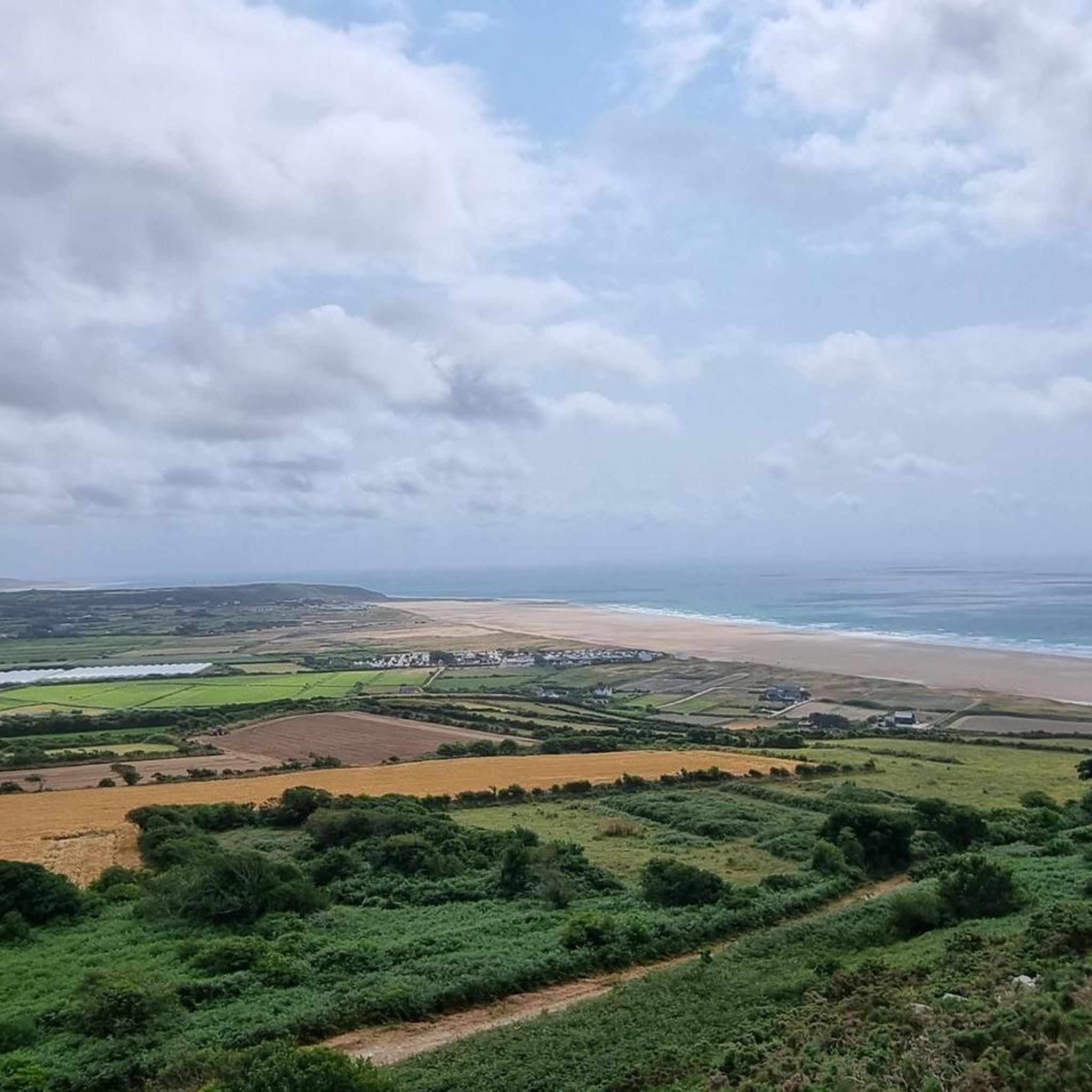
Hiking around Bricquebec-En-Cotentin

Gravel biking around Bricquebec-En-Cotentin
Other adventures around Bricquebec-En-Cotentin

Tips from the Community


Quiet road in Chateau du Rozel, ideal for cycling
0
0

Located in the town of Bricquebec, this superb castle was built between the 10th and 11th centuries. The exterior of the remains of the castle are freely accessible and are worth the detour!
0
0

The Château de Pont-Rilly was designed in 1765 by the architect Pierre-Raphaël de Lozon for the Marquis d'Ourville. In 1774, renovations allowed the construction of a chapel, a pavilion, stables, barns, a mill and a bakery.
1
0

The Château de Saint-Sauveur-le-Vicomte is a castle dating from the 11th century. Sacked twice during the Hundred Years War, it is now in ruins. Although not as impressive as some castles that are still intact, this castle is open to the public and very accessible. It is a wonderful place to visit.
3
0
Located in the center of Cotentin, Saint-Sauveur-Le-Vicomte has vast expanses of marshes, a pretty forest massif and several hilly sites, culminating at Mont de Taillepied.
0
0

The ruins of the medieval castle of Bricquebec are still very well preserved with in particular a magnificent polygonal keep with eleven sides unique in Europe.
1
0

Château du Rozel 18th century. The manor of Rozel rises a little behind the coast, north-west of the Cotentin. It was altered over the centuries, notably in the 18th and 19th centuries. A double cart and pedestrian door opens onto the courtyard. The Bignon family after the Revolution, crowned the towers of crenels and a Belvedere. A side path leading to the castle is separated from the vegetable patch by a high wall. It runs alongside agricultural buildings, including the apple press https://fr.wikipedia.org/wiki/Le_Rozel#Lieux_et_monuments
0
0
Frequently Asked Questions
What makes the Château de Bricquebec unique among castles in the region?
The Château de Bricquebec is notable for its rare 11-sided polygonal keep, a design not commonly found in Europe. This 22-meter-high keep stands on a 17-meter-high feudal mound, showcasing centuries of architectural evolution from its Viking origins to its role in the Hundred Years' War. It also features well-preserved ruins of a 14th-century manor house and a 12th-century Romanesque hall.
Are there family-friendly castles to visit in the Bricquebec-En-Cotentin area?
Yes, several castles in the area are considered family-friendly. The Château de Bricquebec, Saint-Sauveur-le-Vicomte, and Château de Pont-Rilly are all categorized as family-friendly historical sites, offering engaging experiences for all ages.
Can I explore the ruins of medieval castles in this region?
Absolutely. The region offers several opportunities to explore medieval ruins. The Château de Saint-Sauveur-le-Vicomte, for instance, is an 11th-century castle that, despite being in ruins from the Hundred Years' War, is open and very accessible to the public. The Château de Bricquebec also features well-preserved ruins, including a 14th-century manor house.
What kind of outdoor activities can I do near the castles in Bricquebec-En-Cotentin?
The area around Bricquebec-En-Cotentin offers various outdoor activities. You can find numerous hiking and cycling routes that often pass by or incorporate these historical sites. For example, there are several hiking loops around the Château de Bricquebec, ranging from easy to moderate difficulty. You can explore more options on the Hiking around Bricquebec-En-Cotentin guide and the Cycling around Bricquebec-En-Cotentin guide.
Are there hiking trails around the castles in Bricquebec-En-Cotentin?
Yes, there are several hiking trails available. For instance, you can find multiple loops around the Château de Bricquebec, with distances varying from 3.9 km to 7.6 km and difficulties from easy to moderate. These routes allow you to combine historical exploration with outdoor exercise. More details can be found in the Hiking around Bricquebec-En-Cotentin guide.
What is the best time of year to visit the castles in Bricquebec-En-Cotentin?
The summer months are ideal for visiting, as some parts of the Château de Bricquebec, such as its unique keep, are open for visits during this period. The weather is generally pleasant for exploring the outdoor ruins and surrounding landscapes.
What are some historical facts about the Château de Bricquebec?
The Château de Bricquebec has a rich history, founded in the 9th century by the Viking Anslech. It was a key stronghold during the Duchy of Normandy and the Hundred Years' War. It was home to the influential Bertran dynasty, with members accompanying William the Conqueror and participating in the First Crusade. Queen Victoria of England even visited in 1857. It has been listed as a Monument historique since 1840.
Are there options for cycling near the castles in the region?
Yes, the Bricquebec-En-Cotentin area offers various cycling routes that pass by or connect to the castles. You can find touring bicycle and road cycling routes, including loops that incorporate the Château de Bricquebec and Saint-Sauveur-le-Vicomte. Distances vary, with some routes extending over 40 km. Check the Cycling around Bricquebec-En-Cotentin guide and Road Cycling Routes around Bricquebec-En-Cotentin guide for detailed routes.
What do visitors particularly enjoy about the castles in Bricquebec-En-Cotentin?
Visitors appreciate the historical depth and unique architectural features of the castles. For instance, the Château de Bricquebec is praised for its magnificent polygonal keep and well-preserved ruins. The accessibility of sites like Saint-Sauveur-le-Vicomte, even in its ruined state, also makes for a wonderful visit. The blend of medieval fortresses and later period châteaux provides a diverse historical experience.
Are there any castles that are easily accessible for visitors in the Cotentin Peninsula?
Yes, the Château de Saint-Sauveur-le-Vicomte is noted for being very accessible to the public, despite being in ruins. Its open nature allows for easy exploration of its historical grounds.
Where can I find parking when visiting castles in the Bricquebec-En-Cotentin area?
While specific parking information for each castle isn't detailed, castles like the Château de Bricquebec are located within or near towns, suggesting public parking options would be available nearby. It's advisable to check local signage upon arrival for the most convenient parking.
Are there places to eat or stay near the castles in Bricquebec-En-Cotentin?
Yes, the town of Bricquebec-En-Cotentin offers amenities for visitors. The Château de Bricquebec itself houses a hotel, the Hostellerie du Château, which was once the ancient seigneurial lodging. You can also find cafes and restaurants within the town and surrounding areas.
Can I visit the Château de Bricquebec today?
Yes, portions of the Château de Bricquebec have been renovated and are open for visits, particularly the keep and other parts during the summer months. The exterior remains are generally freely accessible. It's recommended to check local opening hours for specific access details.
Most popular routes around Bricquebec-En-Cotentin
Most popular attractions around Bricquebec-En-Cotentin

Get inspired with the komoot mobile app


Explore more
Looking for the best castles somewhere else? Discover other guides around Bricquebec-En-Cotentin:
