The best cycling routes around Sainte-Mère-Église
4.4
(386)
2,248
riders
47
rides
Touring cycling around Sainte-Mère-Église offers a blend of historical significance and diverse landscapes within the Cotentin Peninsula. The region features coastal roads with views of the English Channel, serene marshlands of the Cotentin Marshes Regional Park, and tranquil inland countryside with small roads and hamlets. While generally flat, some routes include gentle climbs, providing varied terrain for cyclists.
Best touring cycling routes around Sainte-Mère-Église
- The most popular touring cycling route is Le Moulinet — loop from Sainte-Mére-Église, a 16.7 miles (26.9 km) trail that takes 1 hour 33 minutes to complete. This easy route explores the local countryside around Sainte-Mère-Église.
- Another top favourite among local touring cyclists is Canal de Carentan – The Barquette Bridge loop from Beuzeville-au-Plain, a difficult 64.7 miles (104.2 km) path. This route traverses the marshlands and canals, offering extensive views of the natural park.
- Local touring cyclists also love the Coastal road – Quinéville Beach loop from Sainte-Mère-Église, a 27.1 miles (43.6 km) trail leading through coastal areas, often completed in about 2 hours 30 minutes.
- Touring cycling around Sainte-Mère-Église is defined by coastal paths, marshland trails, and quiet countryside roads. The network offers options for different ability levels, from easy loops to more challenging long-distance routes.
- The routes in Sainte-Mère-Église are highly rated by the komoot community with an average score of 4.4 stars from over 100 reviews. More than 600 touring cyclists have used komoot to explore Sainte-Mère-Église's varied terrain.
Last updated: October 14, 2026
4.5
(10)
35
riders
26.9km
01:33
110m
110m
Easy bike ride. Great for any fitness level. Mostly paved surfaces. Suitable for all skill levels.
4.4
(27)
215
riders
Hard bike ride. Very good fitness required. Mostly paved surfaces. Suitable for all skill levels.

4.6
(11)
104
riders
99.1km
05:50
310m
310m
Hard bike ride. Very good fitness required. Mostly paved surfaces. Suitable for all skill levels.
4.4
(43)
271
riders
59.9km
03:36
250m
250m
Hard bike ride. Good fitness required. You may need to push your bike for some segments of this route.
4.6
(7)
32
riders
43.6km
02:30
140m
140m
Moderate bike ride. Good fitness required. Mostly paved surfaces. Suitable for all skill levels.
Get access to more routes and recommendations from other explorers.
Already have an account?
Our route recommendations are based on thousands of hikes, rides, and runs completed by other people on komoot.
Start today with a free account
Your next adventure awaits.


Other adventures around Sainte-Mère-Église

Tips from the Community

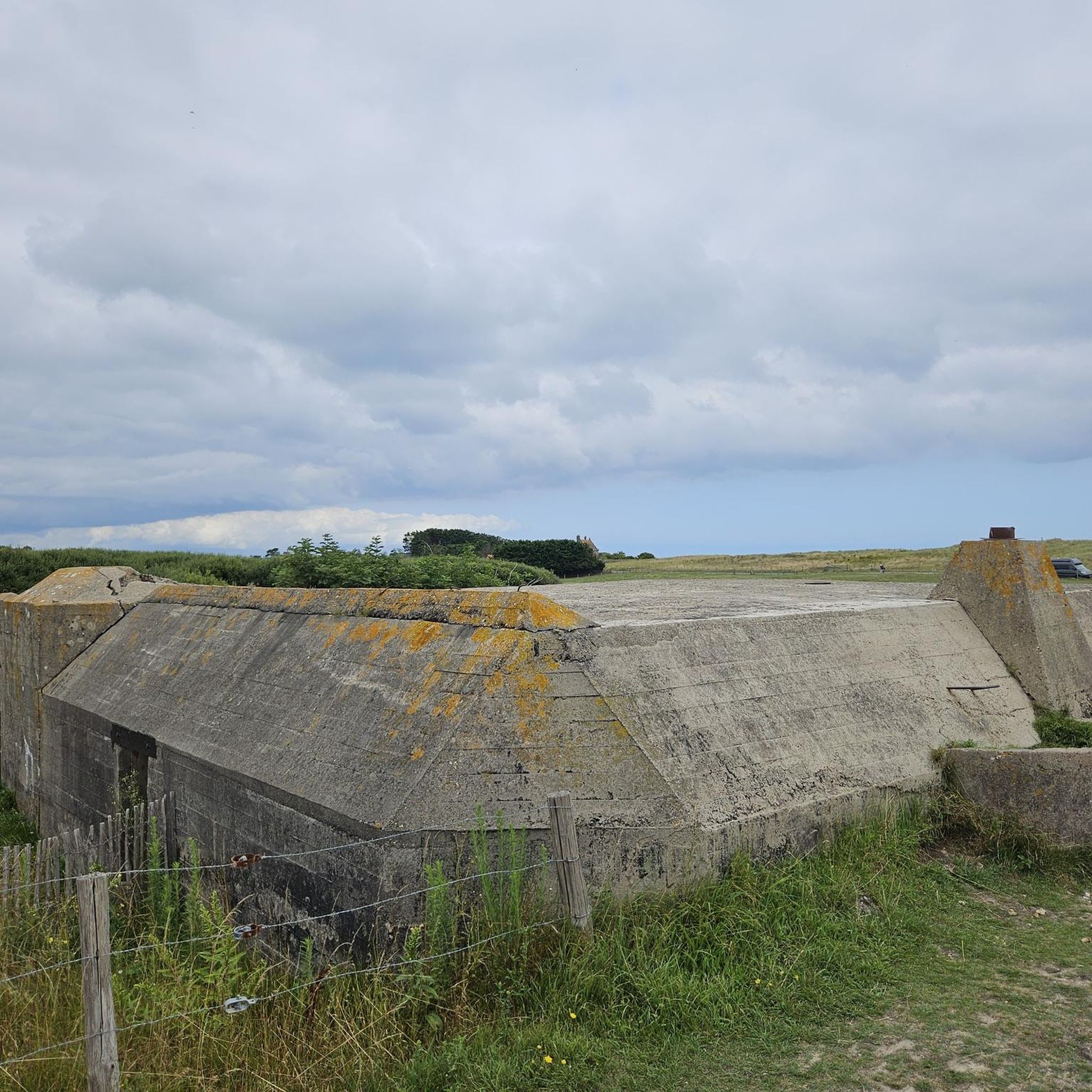
The Fort de la Hougue is located on a peninsula south of Saint-Vaast-la-Hougue on the east coast of the Cotentin. After the naval battle of La Hougue in 1692, in which numerous French warships were destroyed, Louis XIV had the bay more heavily fortified. Starting in 1694, the mighty Tour de la Hougue was built under the direction of the fortress engineer Benjamin de Combes according to Vauban's principles. Together with the opposite tower on the Île Tatihou, it secured the approach to the bay through overlapping artillery fire. In the 19th century, the complex was expanded with additional batteries and ammunition buildings. During the Second World War, the German occupiers integrated the fort into the Atlantic Wall. Today, therefore, fortification elements from several centuries have been preserved. Since 2008, the Tour de la Hougue, together with Tatihou, has been part of the UNESCO World Heritage "Fortifications of Vauban".
1
0

A really beautiful part of the marshes. A special landscape. And the German translation of the highlight title by Google is a total disaster.
0
0
A French hiker explained to me today at this spot that the structure was built on the initiative of Napoleon Bonaparte to control the drainage of the swamps.
0
0

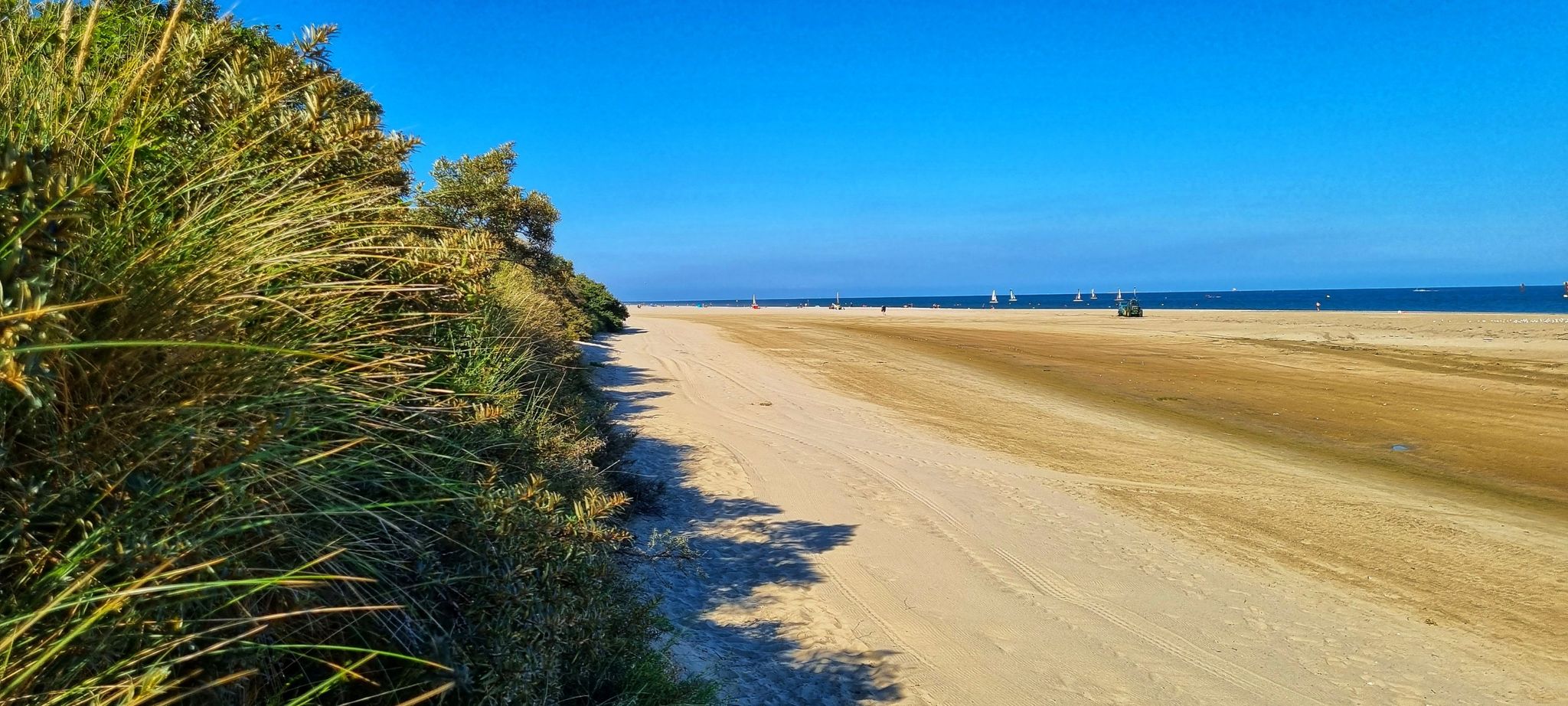
Utah Beach is the code name given by the Allies to one of the five beaches of the Normandy landings on June 6, 1944 (D-Day) during World War II. It represented the westernmost attack sector of the entire Operation Overlord and was located on the Cotentin Peninsula, between the towns of Pouppeville and Saint-Martin-de-Varreville. Today, the site presents itself as a quiet sandy beach at the gates of Sainte-Marie-du-Mont, rich in historical monuments and memory trails.
0
0

Utah Beach was the first of the five D-Day landing beaches to be recaptured by the Allies. It was chosen to retake Cherbourg and its deep-water port. Several memorials along the beach allow visitors to rediscover the history of the landings.
1
0
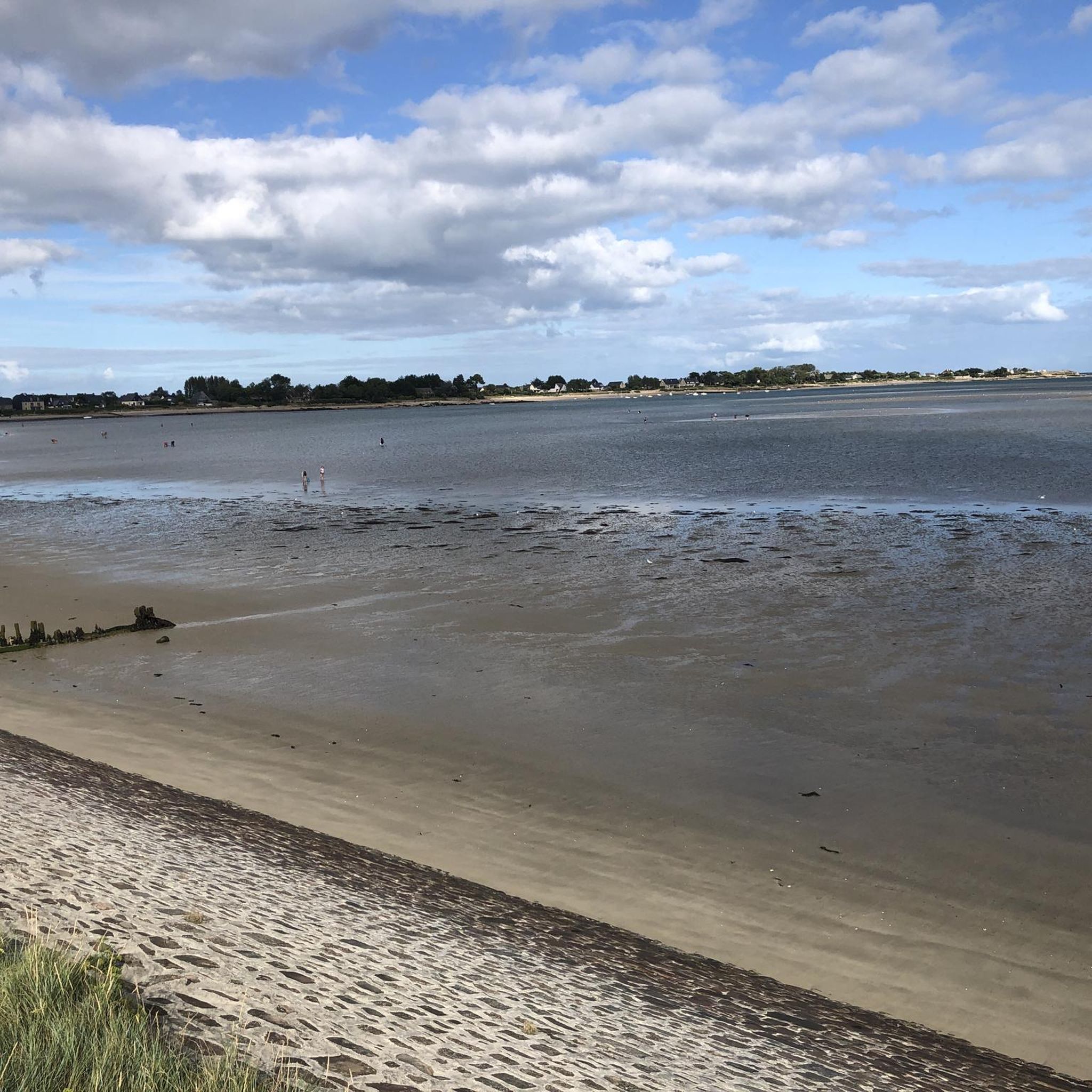
The Cotentin and Bessin Marshes Regional Natural Park offers a superb diversity of landscapes shaped by water: wet meadows, coastline and dunes, heathland and hedgerows. Here, tranquility accompanies you as you cycle or take a break to observe the birds.
2
0


pay attention to the direction of the wind
0
0
Frequently Asked Questions
How many touring cycling routes are available around Sainte-Mère-Église?
There are nearly 40 touring cycling routes around Sainte-Mère-Église, offering a diverse range of experiences. These routes are highly rated by the komoot community, with an average score of 4.4 stars from over 100 reviews.
What kind of terrain can I expect when cycling around Sainte-Mère-Église?
The region offers a varied landscape for touring cyclists. You'll find coastal roads with spectacular views of the English Channel, serene marshlands within the Cotentin Marshes Regional Park, and tranquil inland countryside featuring small roads, hamlets, and ancient hedgerows. While generally flat, some routes include gentle climbs, providing a good mix of terrain.
Are there any family-friendly cycling routes in Sainte-Mère-Église?
Yes, Sainte-Mère-Église offers a good selection of routes suitable for families. With 18 easy routes available, you can find gentle paths through the countryside or along quieter roads. For example, the Le Moulinet — loop from Sainte-Mére-Église is an easy 16.7-mile trail that explores the local countryside.
What historical sites can I visit while cycling in the area?
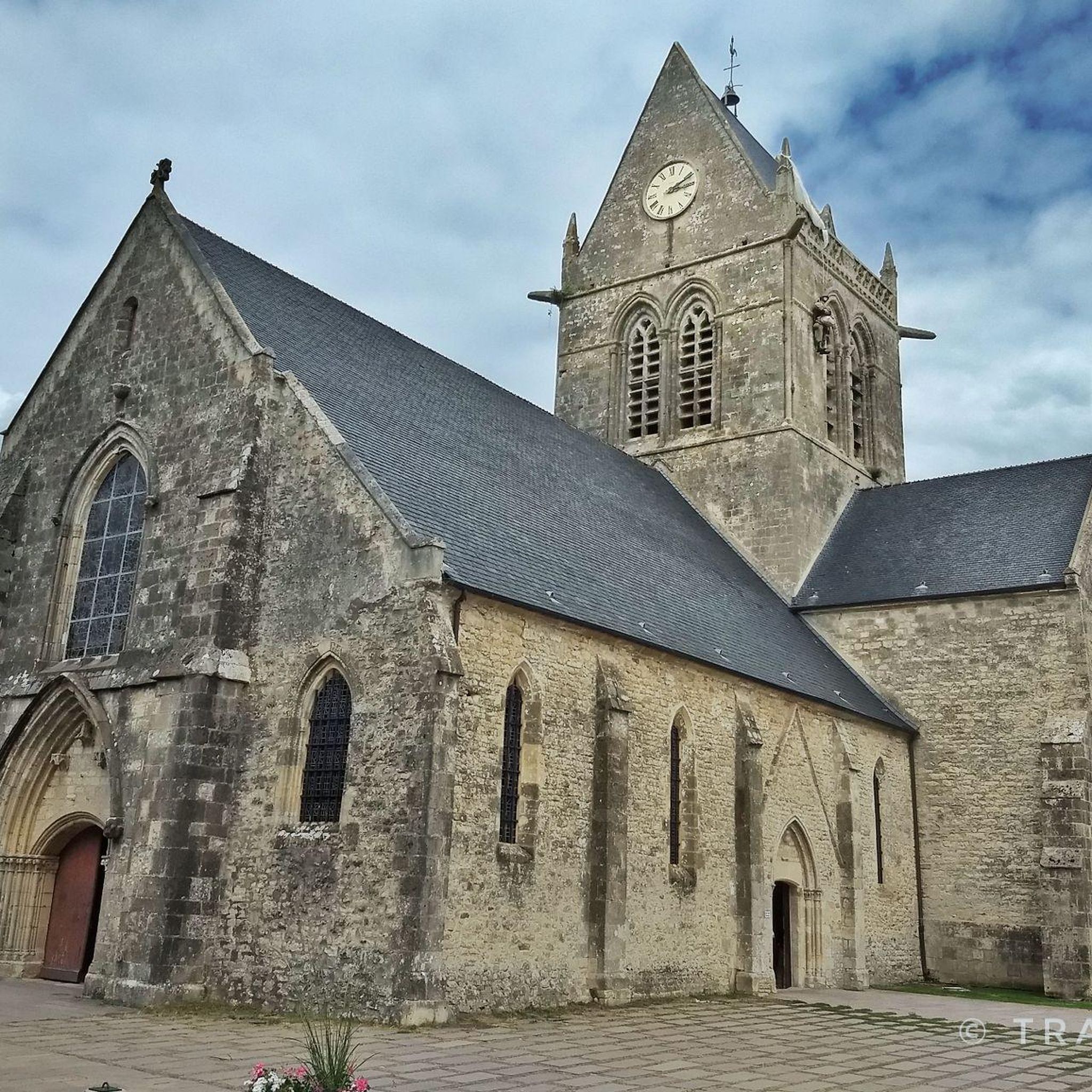
Sainte-Mère-Église is rich in D-Day history. Many cycling routes incorporate significant sites. You can visit the iconic Sainte-Mère-l'Église church, famous for its paratrooper mannequin, or the 2nd Armored Division Monument. Routes along the coast often pass by historical D-Day beaches like Utah Beach, where you can see the Sherman tank at Utah Beach, or explore sites like the Crisbecq Battery.
Are there any circular cycling routes around Sainte-Mère-Église?
Yes, many of the touring cycling routes in the area are designed as loops, allowing you to start and finish in the same location. For instance, the Coastal road – Quinéville Beach loop from Sainte-Mère-Église offers a scenic coastal ride, and the Canal de Carentan – 2nd Armored Division Monument loop from Sainte-Mère-Église provides a longer journey through marshlands and historical sites.
What are some notable natural features I can explore by bike?
The region is home to the Cotentin Marshes Regional Park, offering luminous landscapes of wet meadows and canals, perfect for tranquil rides. You can cycle along the Canal de Carentan, experiencing the rural soul of Normandy. Coastal routes provide stunning views of the English Channel and the Normandy coastline, with opportunities to visit beaches like Ravenoville Beach.
Is Sainte-Mère-Église part of a larger cycling network like the Vélomaritime?
Yes, Sainte-Mère-Église is indeed part of the Vélomaritime route (EuroVelo 4). This significant cycling path stretches along the French coast, including the D-Day beaches, offering an immersive experience through historical sites, varied landscapes, and charming coastal villages.
What is the best time of year to go touring cycling in Sainte-Mère-Église?
The spring and summer months generally offer the most pleasant weather for cycling in Normandy, with milder temperatures and longer daylight hours. However, the region's diverse landscapes can be enjoyed throughout the year, with autumn providing beautiful colors and quieter routes.
Are there any charming villages or ports to visit along the cycling routes?
Absolutely. Cycling tours in the region often pass through picturesque villages and ports. You might encounter places like Saint-Vaast-la-Hougue, a UNESCO World Heritage site, or Barfleur and Cherbourg, offering cultural stops and opportunities to experience local life and cuisine. The Saint-Vaast-la-Hougue – Fort of La Hougue loop from Beuzeville-au-Plain is one such route that takes you to a notable port.
What are the difficulty levels of the touring cycling routes?
The routes around Sainte-Mère-Église cater to various skill levels. There are 18 easy routes, 15 moderate routes, and 5 difficult routes. This means you can find everything from leisurely rides through the countryside to more challenging long-distance paths traversing marshlands or coastal areas.
Are there any castles or historical residences to see while cycling?
Yes, the area features several historical castles and residences. You could cycle past the Château Bel Enault, the Château de Houesville, also known as "Château du Vivier," or the Quinéville Castle. The Waco Glider Memorial and Sébeville Castle also offers a blend of history and architecture.
Most popular routes around Sainte-Mère-Église
Most popular attractions around Sainte-Mère-Église

Get inspired with the komoot mobile app


Explore more
Browse the best Cycling routes in other regions.
