Attractions and Places To See around Flens kommun - Top 20
Best attractions and places to see around Flens kommun are found in the heart of Södermanland, Sweden. This region features a diverse landscape with approximately 180 lakes, varied terrain, and 17 nature reserves. It offers a mix of historical landmarks, expansive natural areas, and cultural sites. Visitors can explore ancient estates, impressive churches, and scenic natural reserves.
Best attractions and places to see around Flens kommun
- The most popular attractions is Ånhammar Manor and Surroundings, a historical site that…
Last updated: October 11, 2026
Ånhammar Manor and Surroundings
Highlight • Historical Site
Translated by Google •
Tip by

Bruksdammen Lake and Picnic Area
Highlight • Lake
Tip by

Sign up now to discover places like this
Get recommendations on the best single tracks, peaks, & plenty of other exciting outdoor places.
Floda Church
Highlight • Religious Site
Translated by Google •
Tip by

Kalkbro Quarry
Highlight • Structure
Translated by Google •
Tip by
Forssjöbadet
Highlight • Beach
Tip by

Sign up for free to discover even more attractions around Flens kommun.
Already have an account?
Start today with a free account
Your next adventure awaits.
Tips from the Community

A beautifully maintained walkway (Bruksdammen) with benches is available. The small island has two shelters with fire pits and even a wheelchair-accessible restroom.
0
0


This is a place where you can take a break on your bike ride and enjoy the wings of history and beautiful nature. Kalkbro is a disused lime quarry that was used for the blast furnaces that were located in the area from the Middle Ages until the 1940s. A flora that benefits from lime grows here and it is exciting to enter the old lime quarry through the cut in the rock. There is also a beautiful nature trail that goes in a circular loop past Dammsjön. There is also a toilet here! There are also tables, benches and a fireplace where you can grill your packed lunch.
1
0
After the restoration between 1885 and 1888, Floda church with its 67 meters is usually seen as one of Sweden's largest and grandest rural churches. The church is built of stone and was originally built in the 12th century. The church room was extended to the east at the beginning of the 15th century and later in the same century the church was given a vault. In the 1480s, Albertus Pictor painted frescoes on the ceiling with events from the Bible. One of the larger motifs depicts Samson killing a lion. The paintings have never been whitewashed and are therefore very well preserved. In the 1630s, a major rebuilding began. The church was extended to the south and got two naves. A new sacristy was built. In addition, a burial choir (Kaggska gravkoret) was built in the east, dedicated to Field Marshal Lars Kagg and his family. The exterior of the choir was completed in 1666. Lars Kagg died in 1661. The tomb choir has stucco work by Carlo Carove. During the 19th century, the church suffered a period of decline. Among other things, the original tower collapsed and the south nave was demolished. In 1885–1888, the church was rebuilt into a three-nave Neo-Gothic brick basilica.
0
0
Ånhammar and its surroundings are very beautiful. Ånhammar dates back to the Iron Age, there are several burial grounds nearby, including two on Näset, the peninsula south of Ånhammar. In written documents, Ånhammar is mentioned for the first time in 1366 when a johanne in vnambre is mentioned. Ånhammar received seat privileges in the 1630s, through the then owner Henrik Stöör. The main building is a one-story wooden house, built in 1638 in Carolingian style. To its current appearance with its hipped roof, most of the exterior dates from the beginning of the 18th century. The original appearance of the building was red, lying timber. In 1864, panels were put up on the front of the main building and in 1912 also on the wings. The access road to the manger passes the older cattle farm with stables and outbuildings, part of which is traditionally separated from the manger by a fence. New economic buildings were erected at the beginning of the 19th century northeast of the manor. At the entrance to the manor, you can see the magazine from 1837. There, the estate has a farm museum built by Anders von Stockenström together with his wife Elisabeth since the 1950s. Here there are historical collections with around 2,000 items, including driving equipment, agricultural implements, tools, machines and much more. To the west of the barn buildings stands a wooden fatabur from the 17th century and a gate, moved there from Glömnäs. The Sörmlandsleden passes past Ånhammar (between stage goals 18 and 19). In 1973, the first stage of the Sörmlandsleden was inaugurated here at Ånhammar. In the slope down towards lake Dunkern there is also a rune stone, with the sign Sö 13.
0
0

Lovely lake with several shelters, fireplaces and picnic tables. There is also a handicap outhouse as well as a supposedly wheelchair accessible path leading to the shelter area. Highly recommended, but also close to Hälleforsnäs town and can be busy at times.
1
0

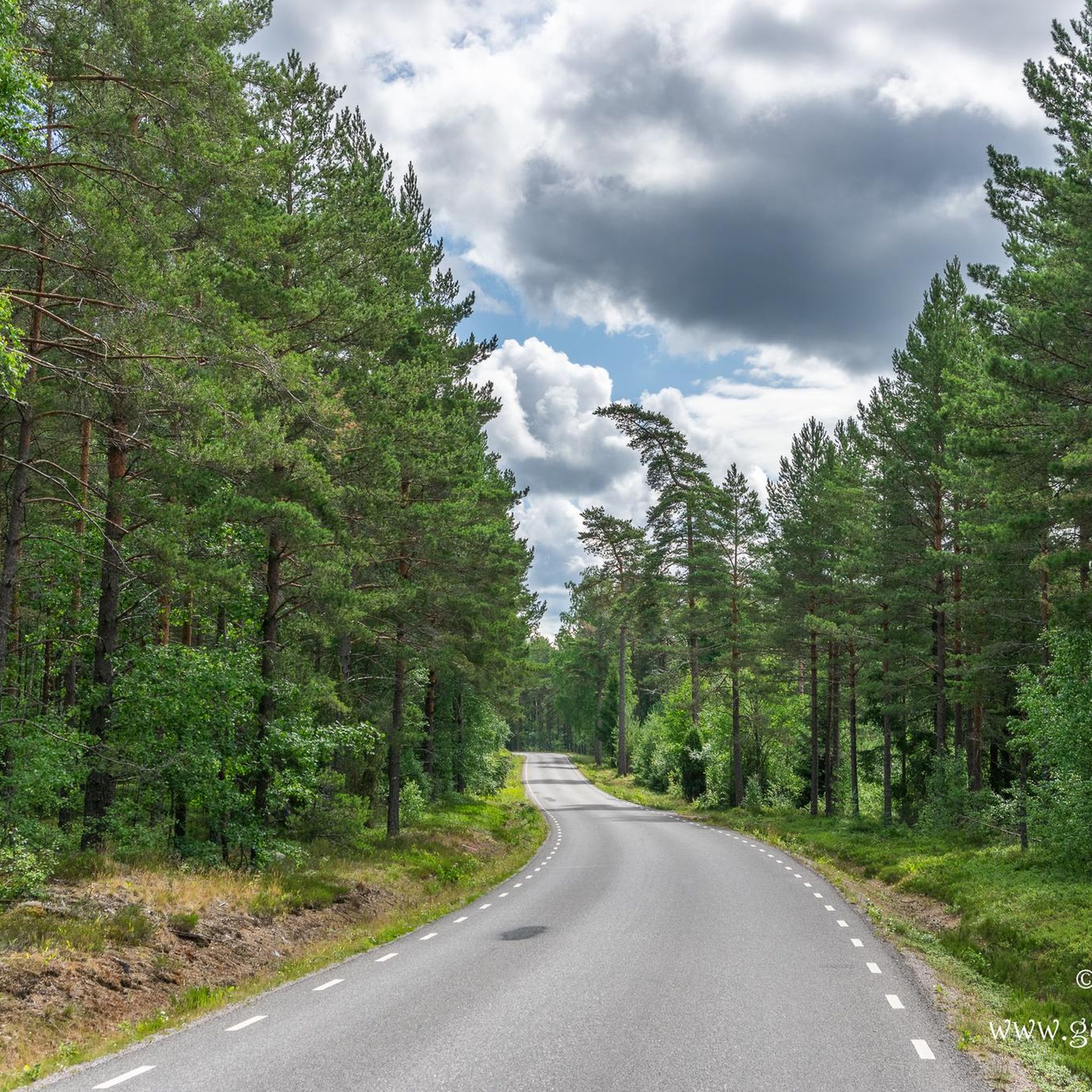
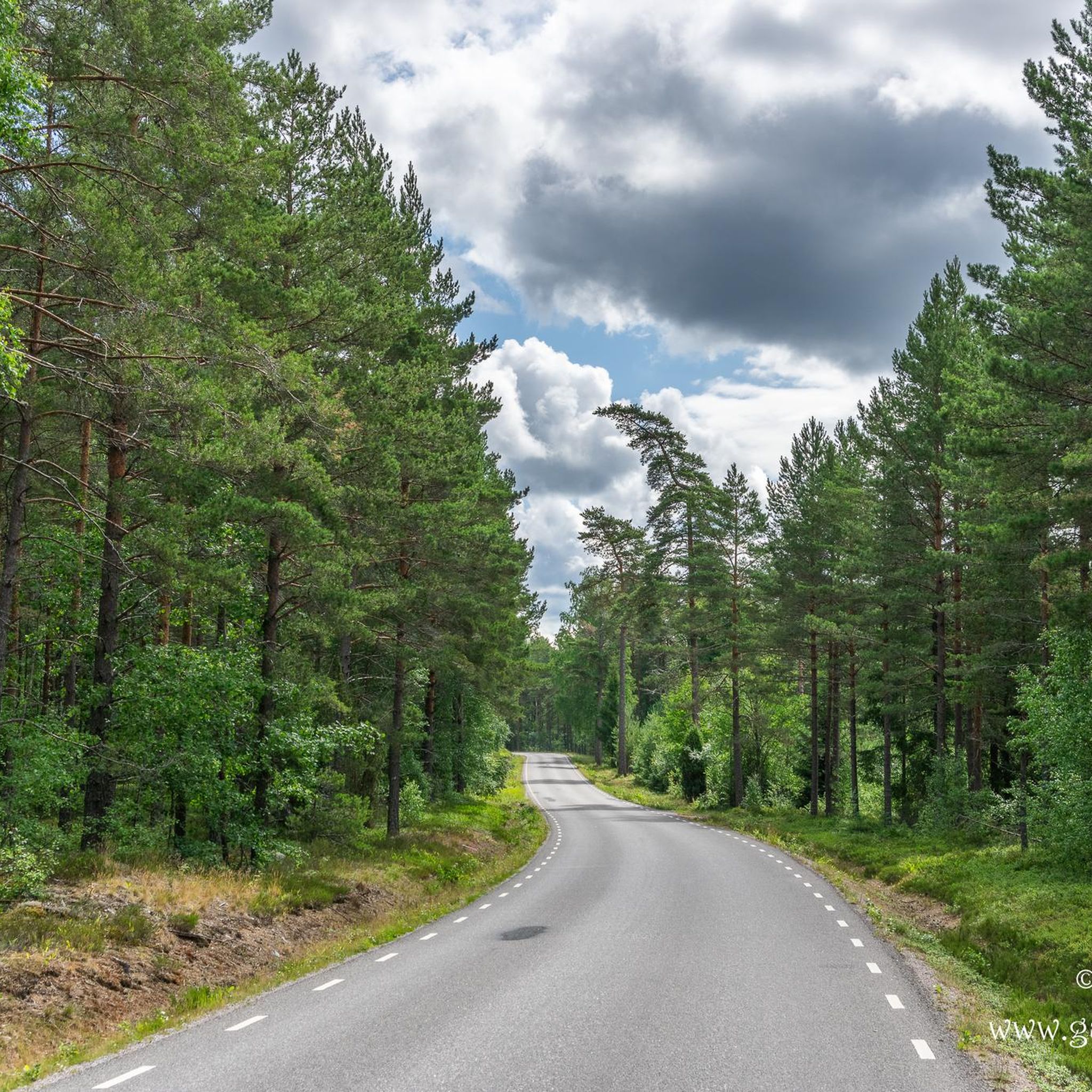
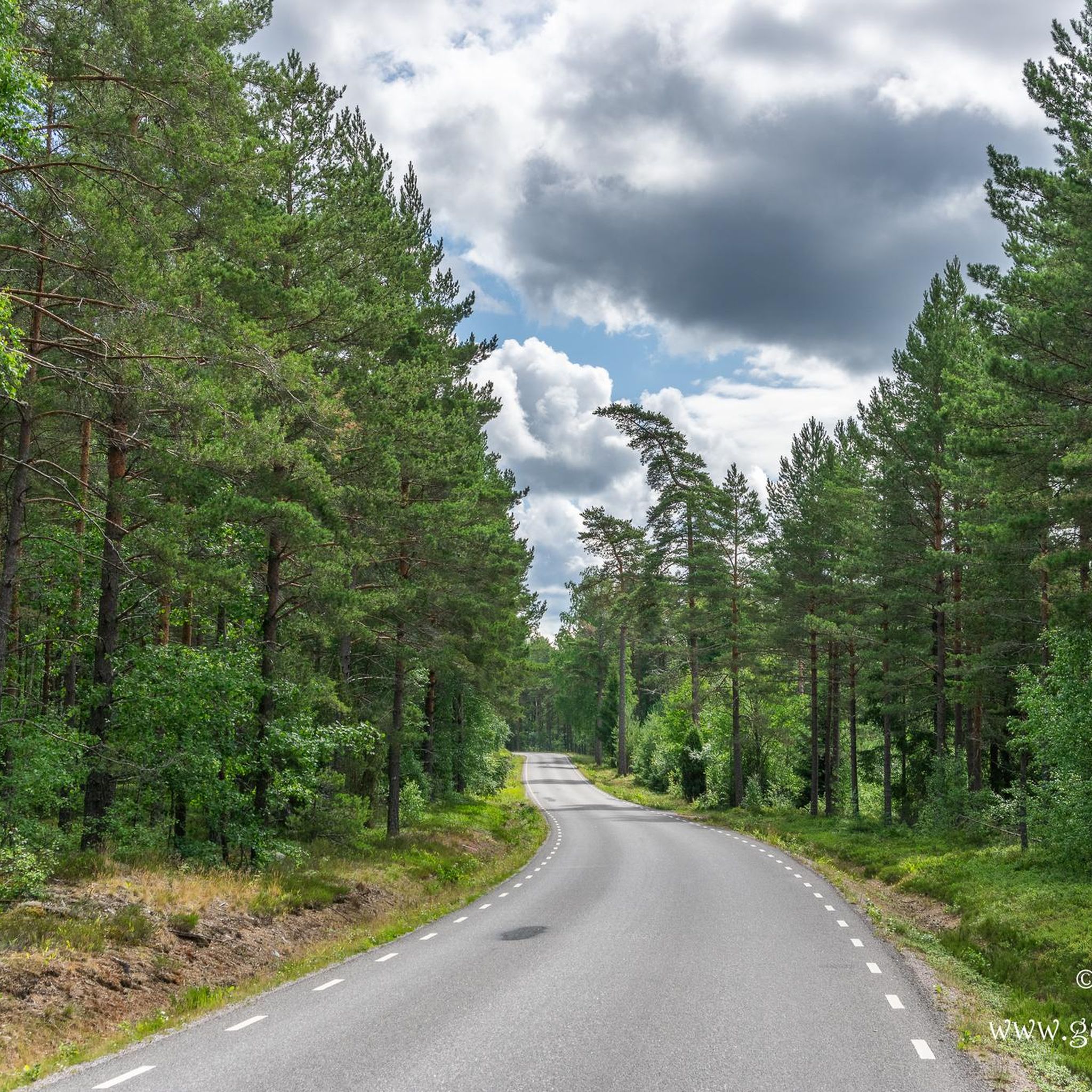
Beautiful avenue to Anhammar Manor
1
0
Frequently Asked Questions
What are some notable historical sites in Flens kommun?
Flens kommun is rich in history. You can visit the ancient Ånhammar Manor and Surroundings, which dates back to the Iron Age and features a beautiful avenue. Another significant site is Floda Church, a 12th-century stone church known for its well-preserved 15th-century frescoes by Albertus Pictor. Other historical landmarks include Stenhammar Palace, Orresta Gård with its Viking Age roots, and the historic mill at Länna Bruk.
What natural attractions can I explore in Flens kommun?
The region boasts a diverse landscape with approximately 180 lakes and 17 nature reserves. You can enjoy the serene Bruksdammen Lake and Picnic Area, which offers shelters, fireplaces, and picnic tables. Orrestaö on Lake Orrhammaren is popular for swimming and relaxation. Other natural highlights include Stenhammar Nature Reserve, Sparreholms ekhagar with its open oak landscape, and Malmaåsen Nature Reserve for hiking.
Are there family-friendly activities available in Flens kommun?
Yes, Flens kommun offers several family-friendly options. Many natural areas like Bruksdammen Lake and Picnic Area and Orrestaöbadet are great for picnics and swimming. Sparreholms ekhagar has pram-friendly sections for walks. Additionally, several museums, such as Sparreholm's castle and museums, and the Toy and Curiosity Museum, provide engaging experiences for all ages. Mini golf facilities are available in Sveaparken Flen and at Malmköping Bad & Camping.
What hiking opportunities are available in Flens kommun?
Flens kommun is a great destination for hiking. The renowned Sörmlandsleden, one of Sweden's longest hiking trails, has several stages passing through the kommun. The Näckrosleden is another 70 km long walking trail divided into 14 stages. For a local loop, consider Lidarundan in Flen, an approximately 8 km trail that passes by oak pastures and Stenhammar Palace. You can find more detailed hiking routes in the hiking guide for Flens kommun.
Can I find cycling routes around Flens kommun?
Yes, there are numerous cycling opportunities. The region offers varied terrain suitable for different cycling styles. You can explore routes for touring bicycles, road cycling, and mountain biking. For specific routes and their difficulty levels, refer to the cycling guide for Flens kommun, the road cycling guide, or the MTB trails guide.
Are there any wheelchair-accessible attractions in Flens kommun?
Yes, Bruksdammen Lake and Picnic Area is noted for having a wheelchair-accessible path leading to its shelter area and a handicap outhouse. Orrestaöbadet also offers an accessible ramp into the water, making it suitable for visitors with mobility needs.
What do visitors particularly enjoy about the attractions in Flens kommun?
Visitors appreciate the blend of historical and natural beauty. Highlights like Ånhammar Manor and Surroundings are praised for their historical significance and scenic beauty. The facilities at Bruksdammen Lake and Picnic Area, including shelters and picnic tables, are highly recommended. The well-preserved frescoes at Floda Church are also a significant draw.
When is the best time to visit Flens kommun for outdoor activities?
The warmer months, from late spring to early autumn, are ideal for most outdoor activities like hiking, cycling, swimming, fishing, and canoeing. The many lakes and nature reserves are best enjoyed during this period. Winter offers opportunities for downhill skiing at Malmabacken.
Where can I find museums in Flens kommun?
Flens kommun offers a variety of museums. You can visit Sparreholm's castle and its associated museums, Gråfors nostalgia museum, Museet Malmahed, Museispårvägen (museum tramway), Strykjärnsmuseet (Iron Museum), Malmköpings hembygdsgård (local heritage museum), and a Toy and Curiosity Museum. For more information on museums, you can visit visitflen.se.
Are there options for water activities like fishing or canoeing?
Absolutely. With approximately 180 lakes, Flens kommun provides abundant opportunities for fishing and canoeing. The Canoe Centre in Skebokvarn offers canoe rentals and serves as a starting point for five different canoe routes, making it easy to explore the waterways.
Are there opportunities for outdoor sports like golf or skiing?
Yes, Flens kommun caters to various outdoor sports. Golf enthusiasts can enjoy the 18-hole lakeside course at Flen Golf Club. During the winter months, Malmabacken offers opportunities for downhill skiing.
Are there any lesser-known spots or 'hidden gems' worth visiting?
Beyond the main attractions, consider exploring the 17 nature reserves, some of which are part of the Natura 2000 network, offering tranquil experiences. Orresta Gård, potentially the oldest estate in Flen with Viking Age roots, offers guided tours and a café and is highly rated by visitors. The many antique and flea markets also offer unique finds.
Most popular attractions around Flens kommun

Get inspired with the komoot mobile app


Explore more
Still not found the Highlight you’re looking for? See guides of the top attractions in other regions:
