Attractions and Places To See around Espoo - Top 20
Best attractions and places to see around Espoo include a diverse range of natural and cultural sites. The city features expansive national parks, a picturesque archipelago, and five distinct urban centers. Visitors can explore significant architectural works, vibrant art museums, and numerous outdoor recreational opportunities. Espoo offers a blend of natural beauty, historical landmarks, and modern cultural institutions.
Best attractions and places to see around Espoo
- The most popular attractions is Helsinki Cathedral, a religious building that rises above…
Last updated: October 9, 2026
Helsinki Cathedral
Highlight • Religious Site
Translated by Google •
Tip by

Senate Square (Senaatintori)
Highlight • Historical Site
Translated by Google •
Tip by
Sign up now to discover places like this
Get recommendations on the best single tracks, peaks, & plenty of other exciting outdoor places.
Vanha Kauppahalli (Old Market Hall), Helsinki
Highlight • Historical Site
Translated by Google •
Tip by
Uspenski Cathedral, Helsinki
Highlight • Religious Site
Translated by Google •
Tip by

Oodi Helsinki Central Library
Highlight • Monument
Translated by Google •
Tip by

Sign up for free to discover even more attractions around Espoo.
Already have an account?
Start today with a free account
Your next adventure awaits.
Popular around Espoo

Tips from the Community

One of the most beautiful libraries. A very wide range of offerings for everyone and it is also well received. Architecturally great and with a lot of space. The roof terrace is a special place in good weather.
4
0

The cathedral is one of the largest Orthodox churches in Western Europe. Magnificent icons and paintings.
10
0

In addition to lending books, the library also has public work and event rooms, recording studios, a cinema and a public kitchen. A very nice place to meet people and to retreat for study purposes.
4
0

It is still important that people meet and do things together.
4
0

A visit to the sweeping Finnish Central Library in Oodi is well worth it. There's no entrance fee. It's interesting to see how openly the books are displayed. The large spiral staircase inside is also noteworthy. A variety of chess sets invite you to a game. https://www.bauwelt.de/rubriken/bauten/Zentralbibliothek-Oodi-Helsinki-ALA-Architects-3324901.html
6
0

The Uspenski Cathedral, which translates as “Assumption Cathedral,” is the largest Orthodox building in Western Europe, in a country that is mainly characterized by the Evangelical Lutheran faith.
17
1

At night and with outside lighting, the building looks like a landed UFO.
6
0

Definitely worth a visit. There are very tasty and, for a Central European, very unusual products. The cinnamon rolls are recommended.
8
0
Frequently Asked Questions
What natural attractions can I explore in Espoo?
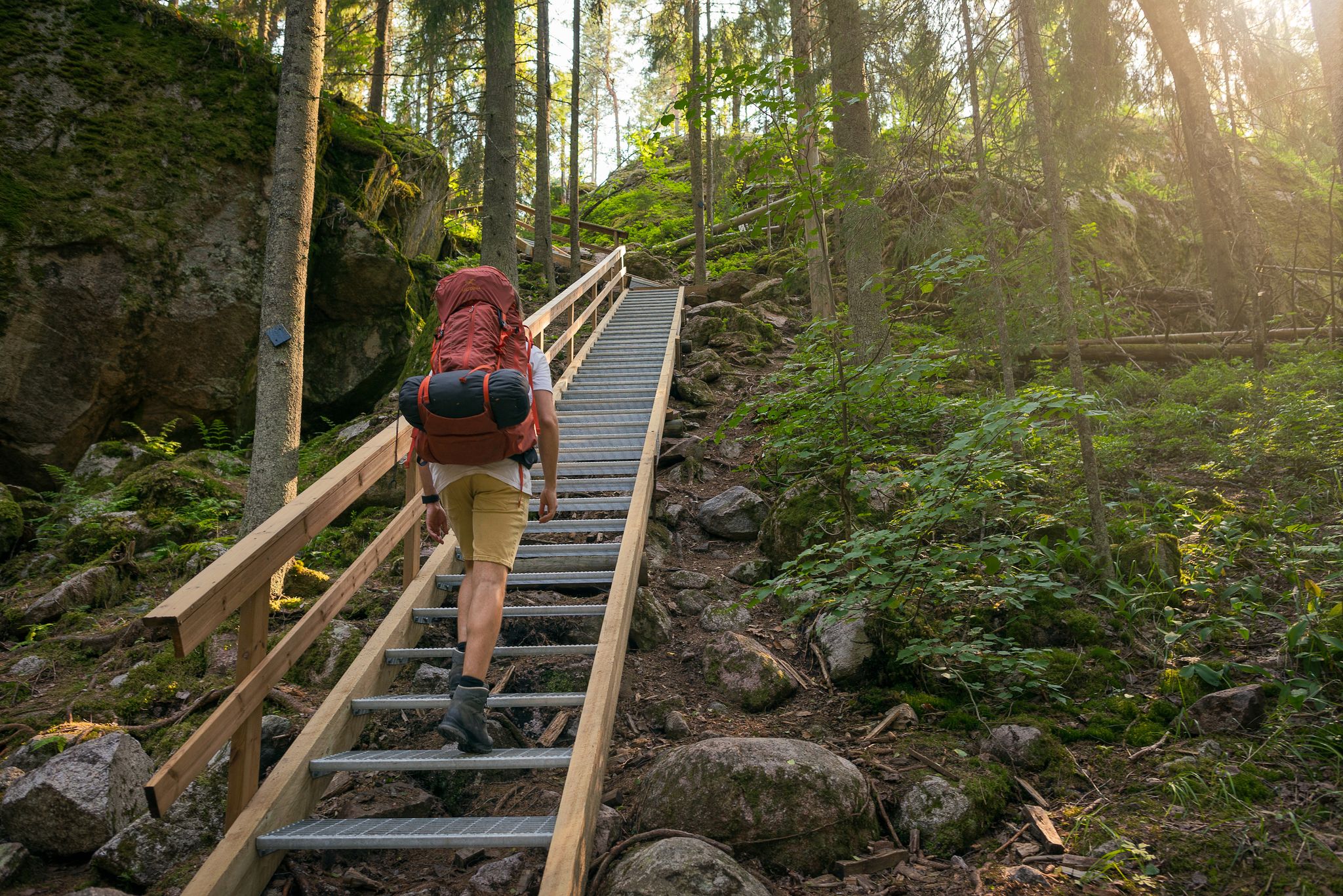
Espoo offers a wealth of natural beauty, including the expansive Nuuksio National Park, perfect for hiking and enjoying untouched wilderness. You can also visit Espoo Central Park, an 880-hectare forest area with extensive recreational opportunities. The city's picturesque archipelago provides stunning views and islands like Pentala and Stora Herrö, accessible by archipelago boats in summer. For birdwatching, the Laajalahti Nature Sanctuary Trail is an excellent choice.
What cultural and historical sites are there in Espoo?
Espoo is home to several significant cultural and historical sites. The Espoo Cathedral, dating back to the 1480s, is the city's oldest preserved building. You can also explore the Glims Farmstead Museum, an open-air museum showcasing rural life, or visit the WeeGee Exhibition Centre, which houses multiple museums including EMMA – Espoo Museum of Modern Art and KAMU – Espoo City Museum.
Are there any unique architectural sites to visit in Espoo?
Yes, Espoo features notable architectural sites. The Tapiola Garden City is recognized as a modernist masterpiece with its unique layout and buildings. The Otaniemi district showcases significant works by Alvar Aalto, such as the Undergraduate Centre, and the striking Dipoli building at Aalto University. The Otaniemi Chapel by Heikki and Kaija Sirén is another example of natural Nordic modernism.
What museums can I visit in Espoo?
The WeeGee Exhibition Centre is a cultural hub housing five museums: EMMA – Espoo Museum of Modern Art, Finland's only Museum of Horology (Kellomuseo), Leikkilinna (a toy museum), KAMU (Espoo City Museum), and the Helinä Rautavaara Museum. Additionally, the Gallen-Kallela Museum displays works by Akseli Gallen-Kallela, and there's also the Espoo Car Museum and Mineralogical Museum for specialized interests.
Are there family-friendly activities in Espoo?
Absolutely! Many of Espoo's attractions are family-friendly. The WeeGee Exhibition Centre includes Leikkilinna, a toy museum that children often enjoy. Exploring the nature trails in Nuuksio National Park or Espoo Central Park offers outdoor fun for all ages. The archipelago islands also provide great opportunities for family outings, with places like Diksand beach on Pentala island being a fine sandy beach.
How can I experience Espoo's archipelago?
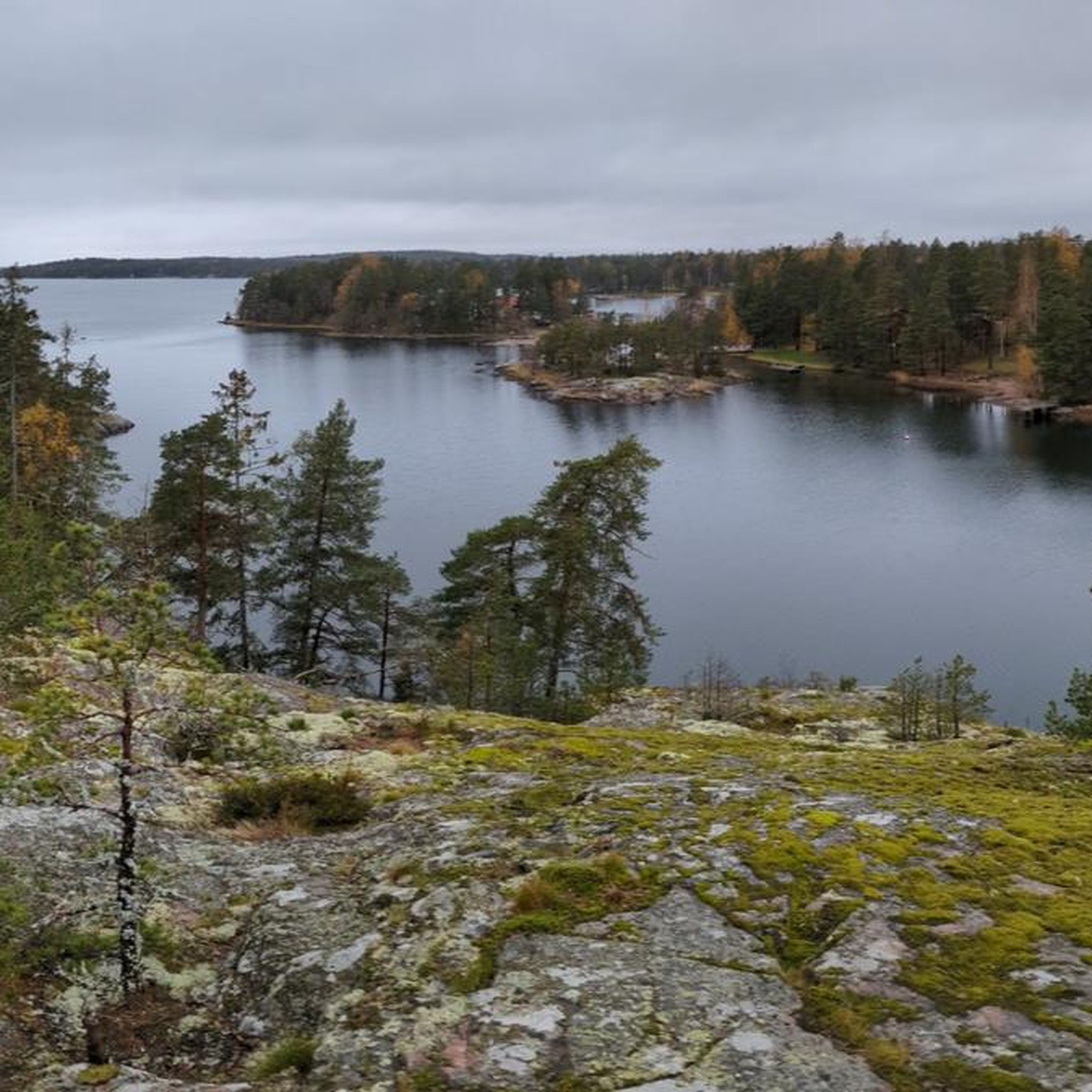
You can experience Espoo's idyllic archipelago by taking archipelago boats during the summer months. These boats provide access to various islands like Pentala and Stora Herrö, which offer nature reserves, recreational areas, and charming seaside cafes. Diksand beach on Pentala is particularly noted as a beautiful sandy beach.
Are there accessible nature trails in Espoo?
Espoo strives to offer accessible options. While specific details on wheelchair accessibility for all 26 nature trails vary, some areas within Espoo Central Park and certain sections of the waterfront might be more accessible. It's recommended to check local visitor information for the most up-to-date details on specific trail accessibility.
What is the best time of year to visit Espoo's nature attractions?
The best time to visit Espoo's nature attractions largely depends on your preferred activities. Summer (June-August) is ideal for archipelago boat trips, swimming, and enjoying the lush greenery. Autumn (September-October) offers beautiful fall foliage for hiking. Winter (December-March) provides opportunities for snowshoeing in places like Nuuksio National Park, while spring (April-May) is great for birdwatching as migratory birds return.
What outdoor activities and routes are available around Espoo?
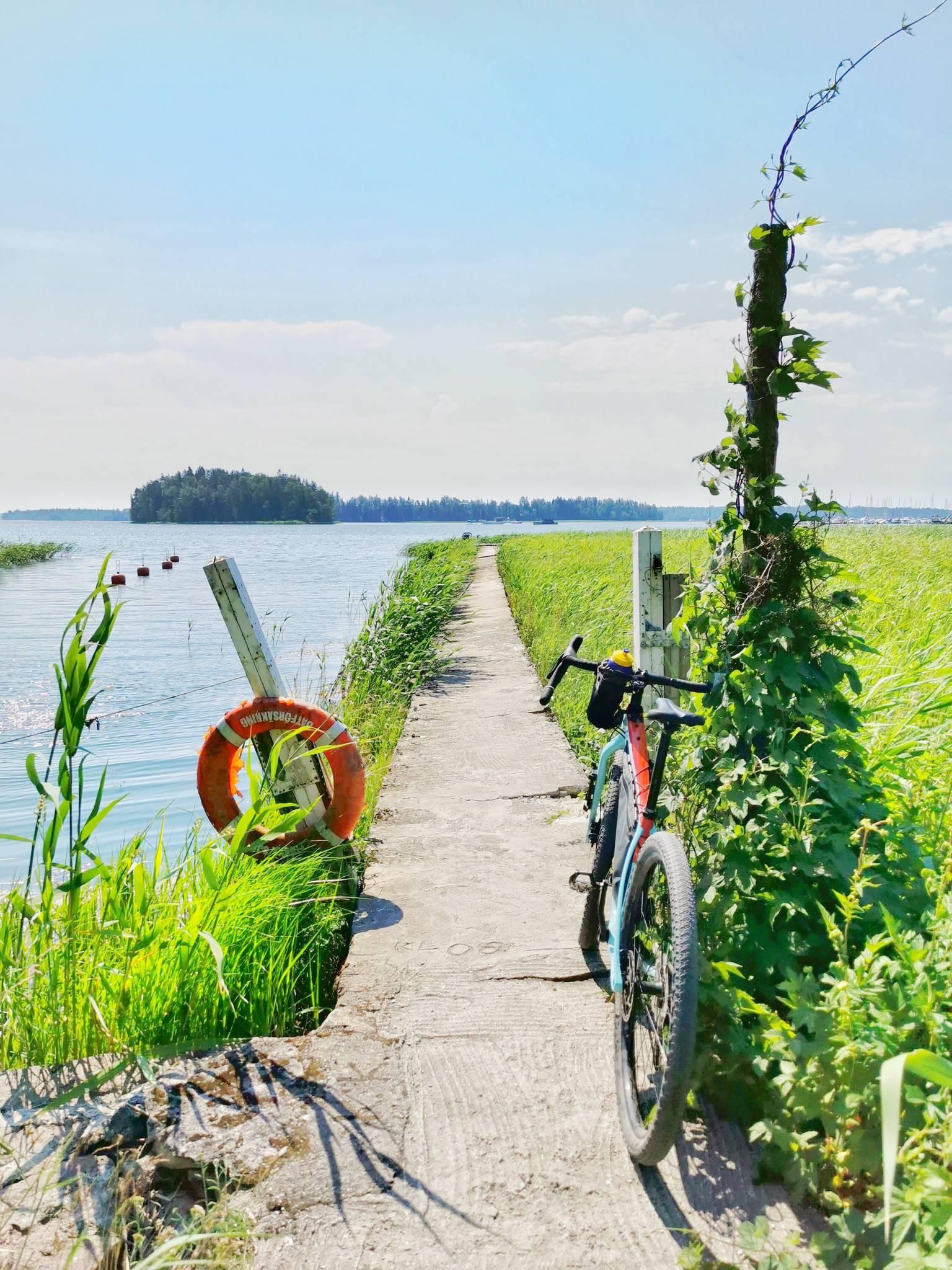
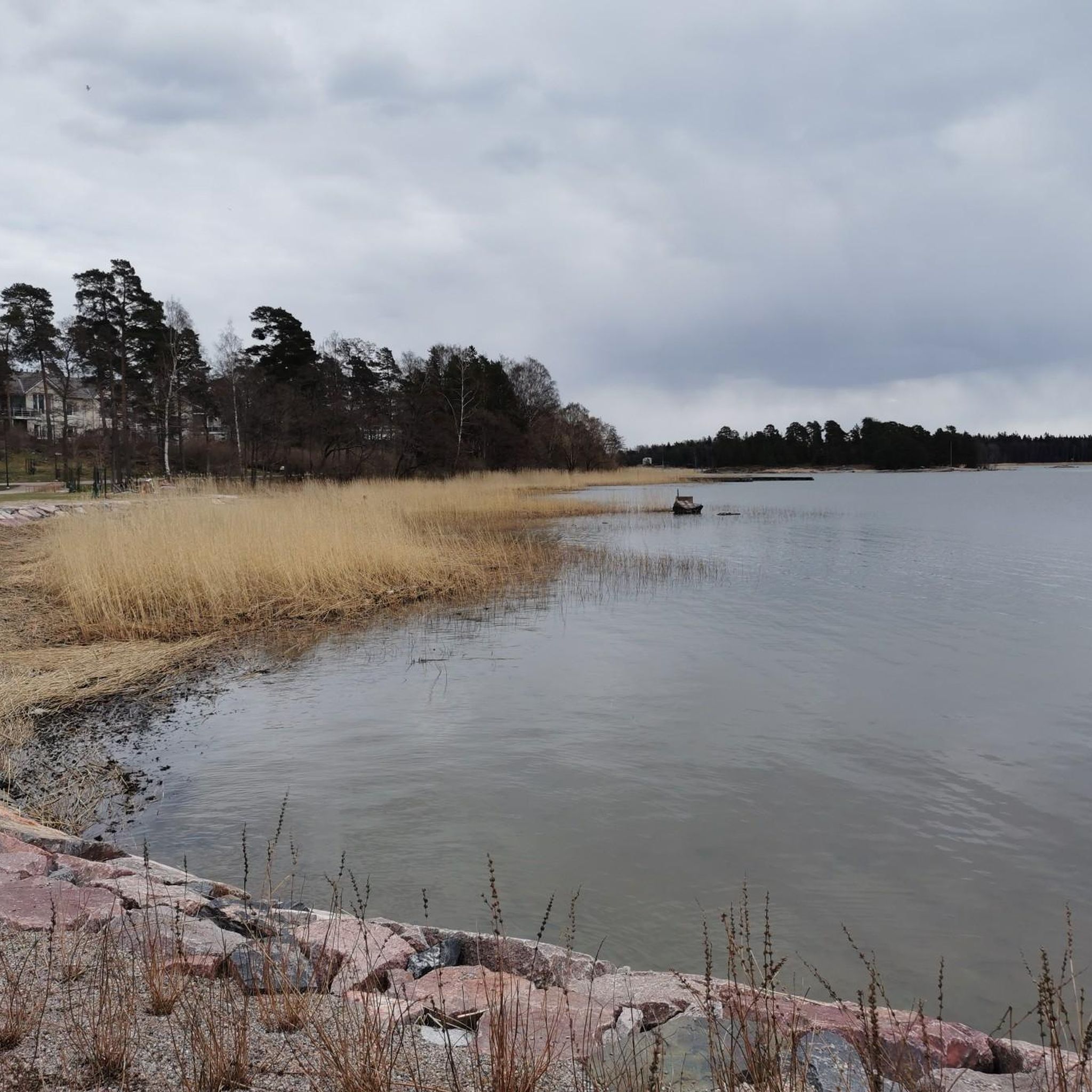
Espoo offers a wide range of outdoor activities. You can find numerous routes for cycling, gravel biking, and mountain biking. For example, the 'ESPOO Rantaraitti – Espoo Waterfront Walkway' is a popular cycling route. There are also challenging mountain biking trails like 'Route 2000' and 'Espoo Central Park MTB Loop'. You can explore more options on the Cycling around Espoo, Gravel biking around Espoo, and MTB Trails around Espoo guide pages.
What do visitors particularly enjoy about the attractions around Espoo?
Visitors frequently praise the majestic appearance and historical significance of sites like Helsinki Cathedral, noting its impressive classicist style. The Uspenski Cathedral, Helsinki is admired for its magnificent and brilliantly decorated interior and its unique setting on rocks by the harbor. The central Senate Square (Senaatintori) is appreciated for its historical buildings and vibrant atmosphere, especially during events like the Christmas market.
Can I find places to eat or shop near Espoo's main attractions?
Yes, Espoo has various options for dining and shopping. The Vanha Kauppahalli (Old Market Hall) in Helsinki, located near the harbor, offers a wide selection of culinary delights and Finnish specialties. Within Espoo, the five distinct city centers provide a range of cafes, restaurants, and shops. The Espoo Cultural Centre and Sello Hall also host cultural events and are often surrounded by amenities.
Are there any specific nature reserves for birdwatching in Espoo?
Yes, the Laajalahti Nature Sanctuary Trail is particularly known as an excellent area for birdwatching. Located in the northern section of the Laajalahti Nature Reserve, the Villa Elfvik Nature House also offers exhibitions on Espoo's biodiversity and guided tours, making it a great starting point for nature enthusiasts.
Most popular attractions around Espoo

Get inspired with the komoot mobile app


Explore more
Still not found the Highlight you’re looking for? See guides of the top attractions in other regions:
