Attractions and Places To See around Helsinki - Top 20
Best attractions and places to see around Helsinki include a blend of historic landmarks, modern architecture, and natural landscapes. The city is characterized by its coastal location, numerous islands, and extensive green spaces, offering diverse exploration opportunities. Helsinki features significant cultural institutions and architectural marvels alongside accessible national parks and urban nature reserves.
Best attractions and places to see around Helsinki
- The most popular attractions is Helsinki Cathedral, a religious_building that rises above Senate Square and is the city's most famous landmark. This classicist structure radiates a majestic shine.
- Another must-see spot is Uspenski Cathedral, Helsinki, a religious_building that stands freely on rocks at the edge of the harbor. Its interior is magnificent and brilliantly decorated with mosaics and icons.
- Visitors also love Senate Square (Senaatintori), a historical_site around which the cathedral and numerous buildings are grouped. This central square often hosts major events.
- Helsinki is known for historic landmarks, modern architecture, and extensive natural areas. Visitors can explore a variety of attractions, from cultural sites to green spaces and coastal islands.
- The attractions around Helsinki are appreciated by the komoot community, with more than 670 upvotes and over 550 photos shared.
Last updated: October 9, 2026
Helsinki Cathedral
Highlight • Religious Site
Translated by Google •
Tip by

Senate Square (Senaatintori)
Highlight • Historical Site
Translated by Google •
Tip by
Sign up now to discover places like this
Get recommendations on the best single tracks, peaks, & plenty of other exciting outdoor places.
Vanha Kauppahalli (Old Market Hall), Helsinki
Highlight • Historical Site
Translated by Google •
Tip by
Uspenski Cathedral, Helsinki
Highlight • Religious Site
The interior of the church is very magnificent and brilliantly decorated. The naves rest on massive granite columns and are lined with brightly colored mosaics and particularly beautiful icons.
A visit is highly recommended.
Translated by Google •
Tip by

Oodi Helsinki Central Library
Highlight • Monument
oodihelsinki.fi/en
Translated by Google •
Tip by

Sign up for free to discover even more attractions around Helsinki.
Already have an account?
Start today with a free account
Your next adventure awaits.
Popular around Helsinki

NorthCape4000 – 12 days from Lake Garda to the North Cape
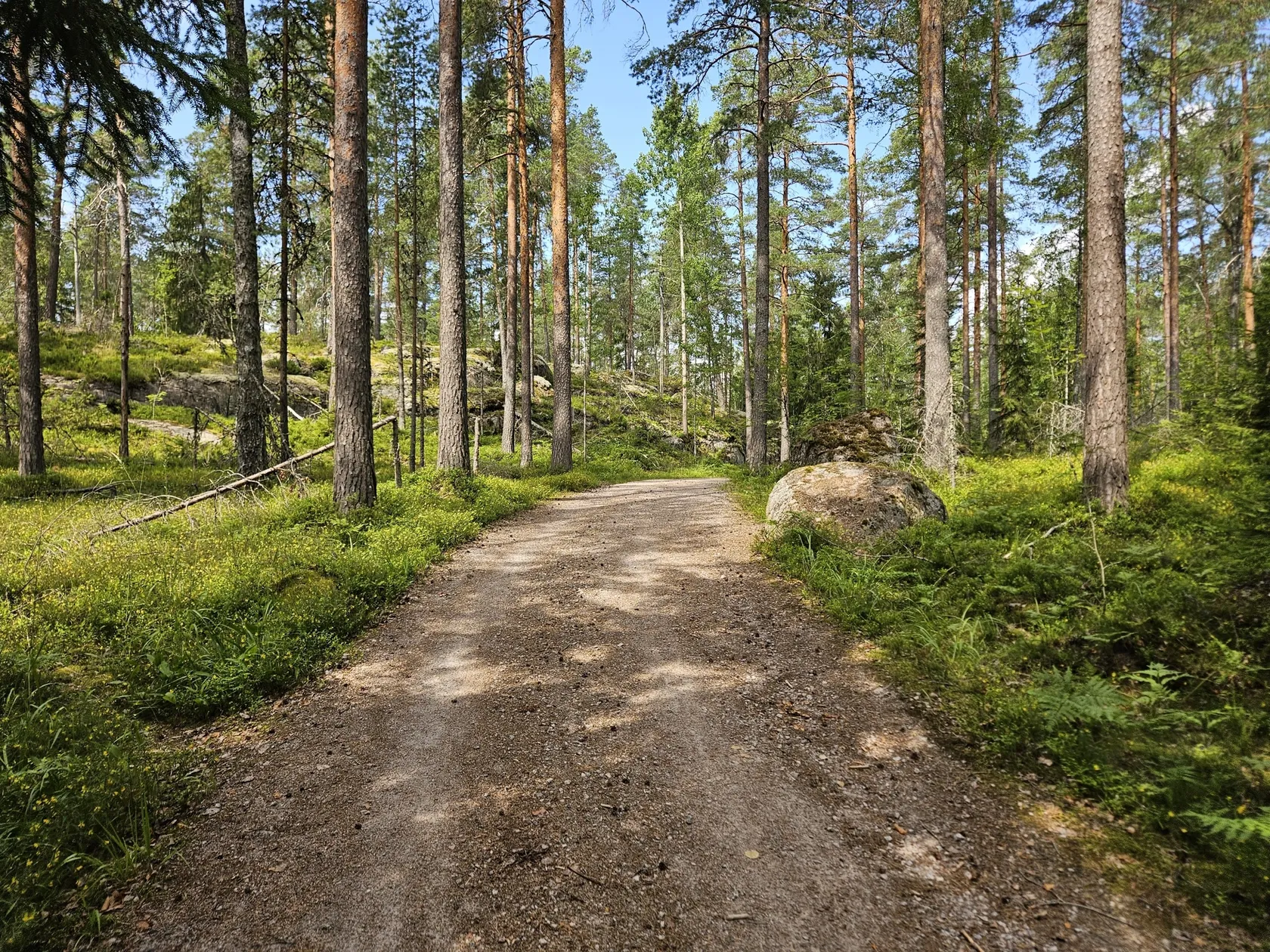
Forest frame – Nuuksio National Park overnighter
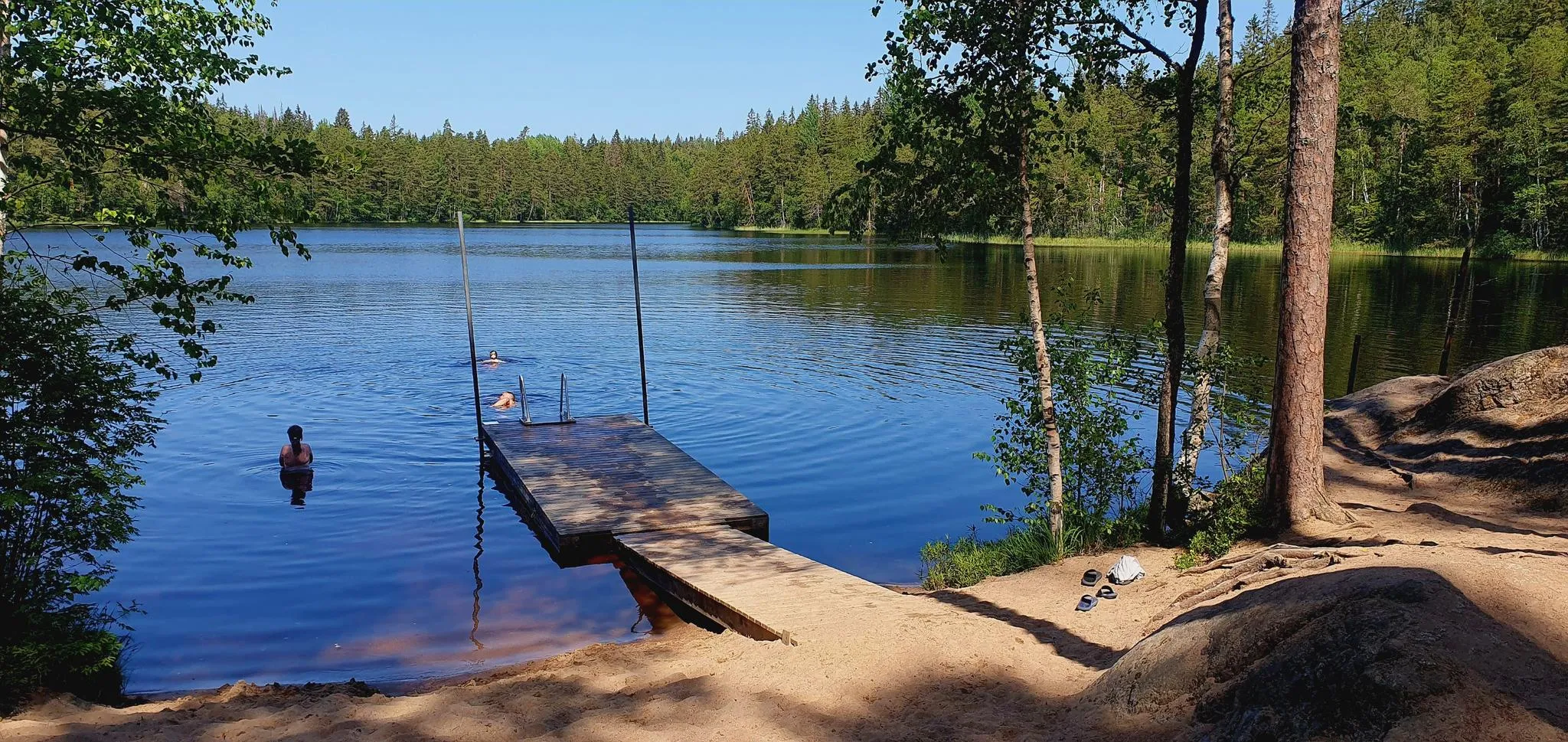
Urban escape route – Ring G
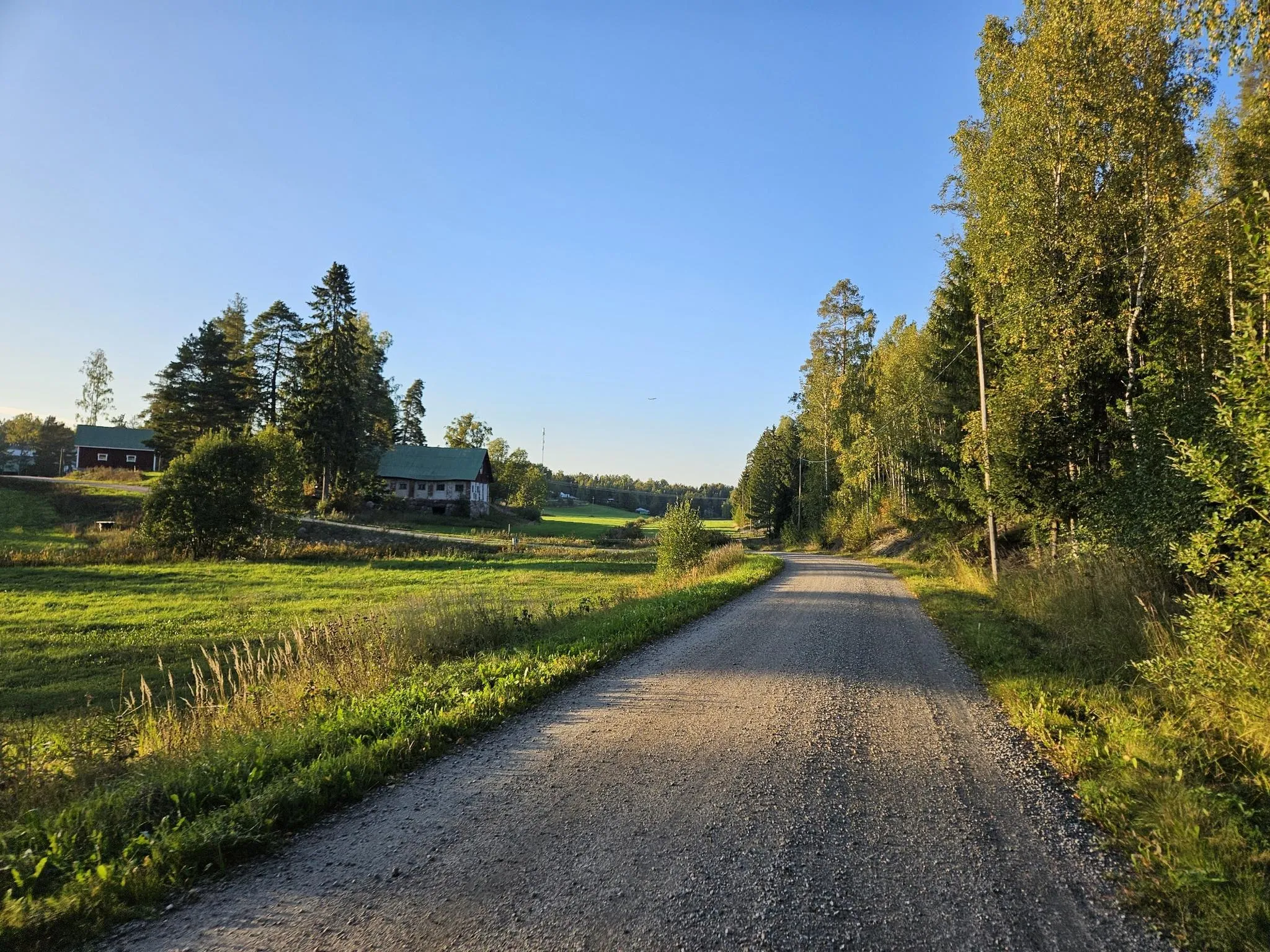
Forestbound – Sipoonkorpi National Park Overnighter
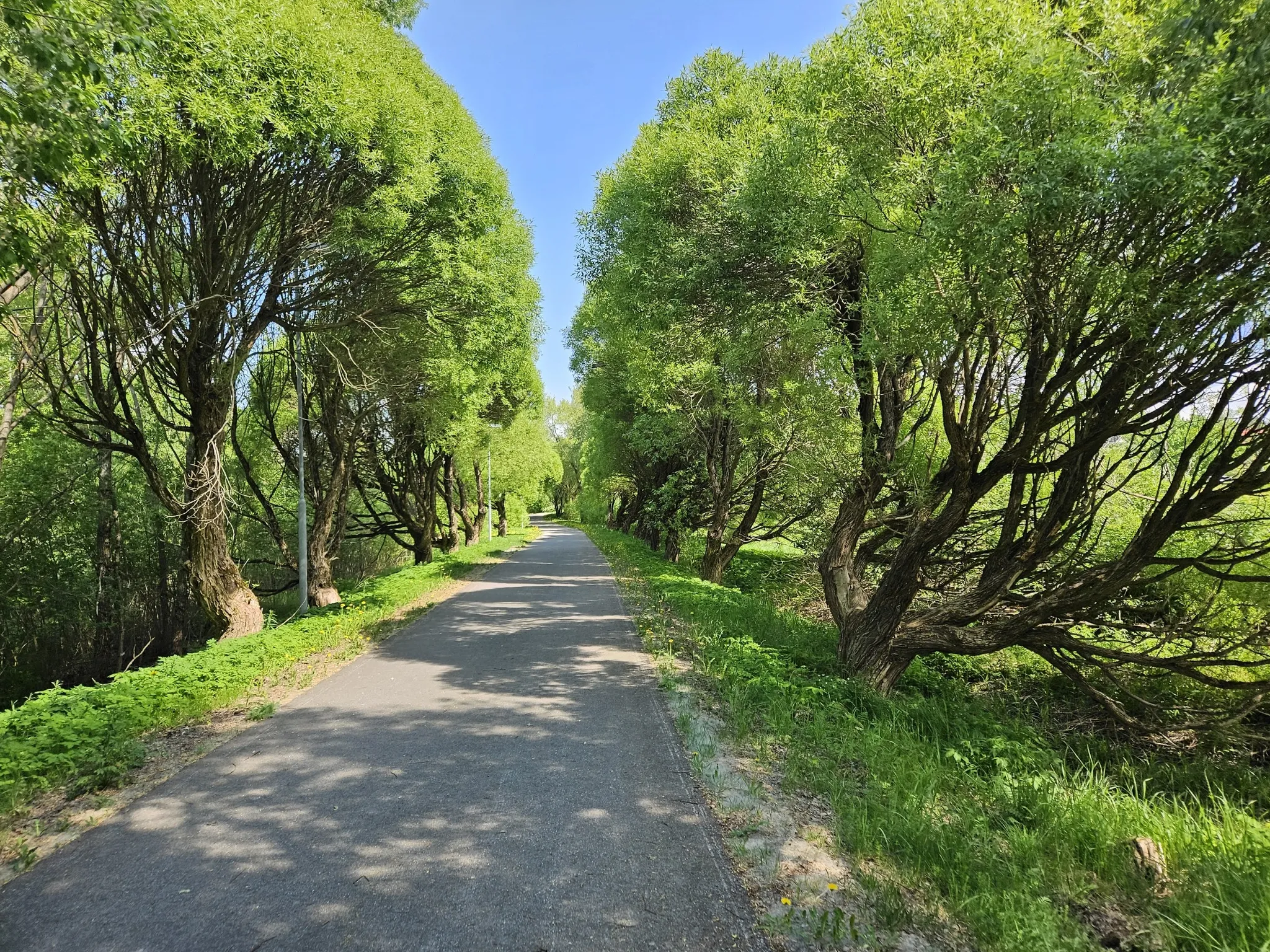
Between lakes and the sea – Western Uusimaa Loop
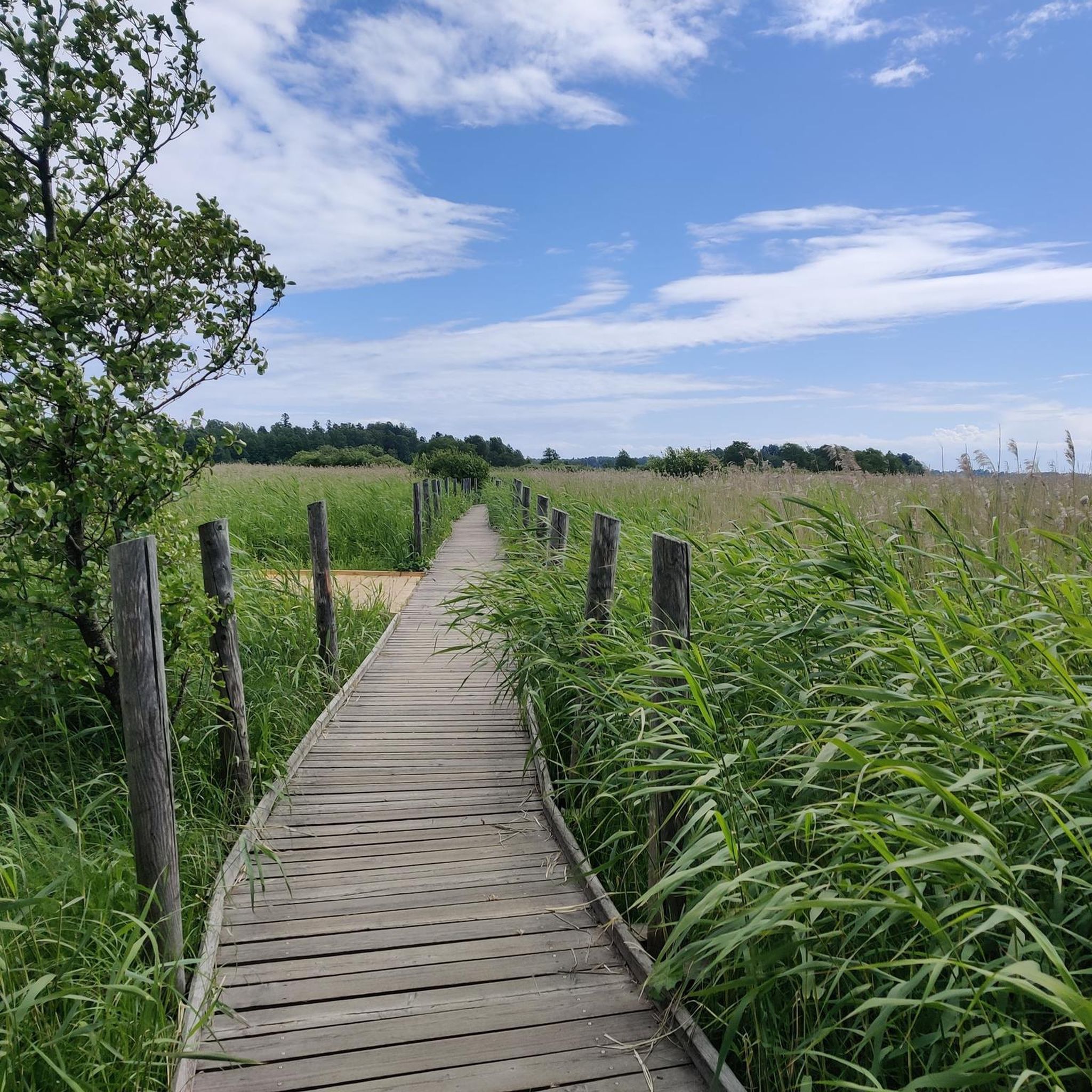
Hiking around Helsinki
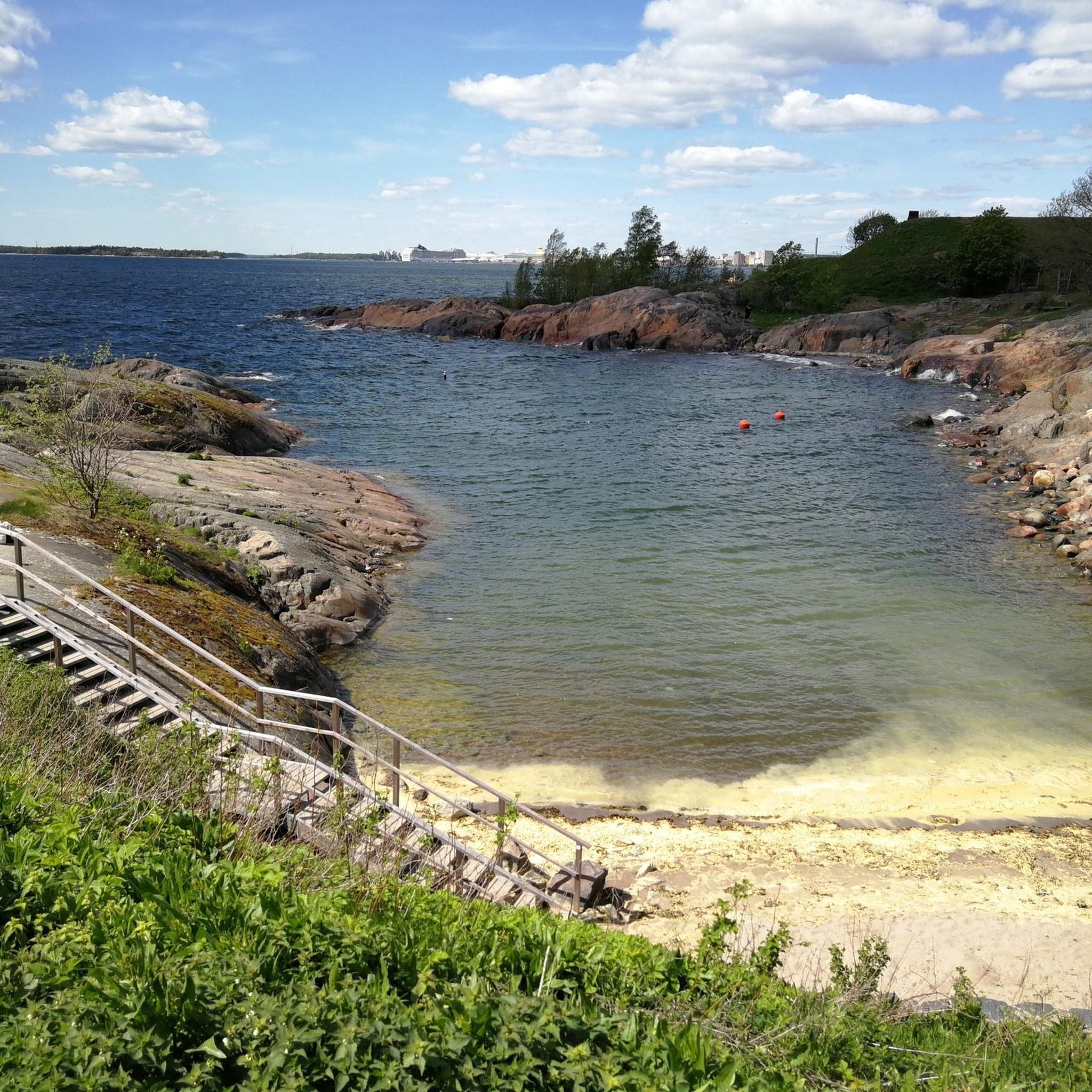
Running Trails around Helsinki
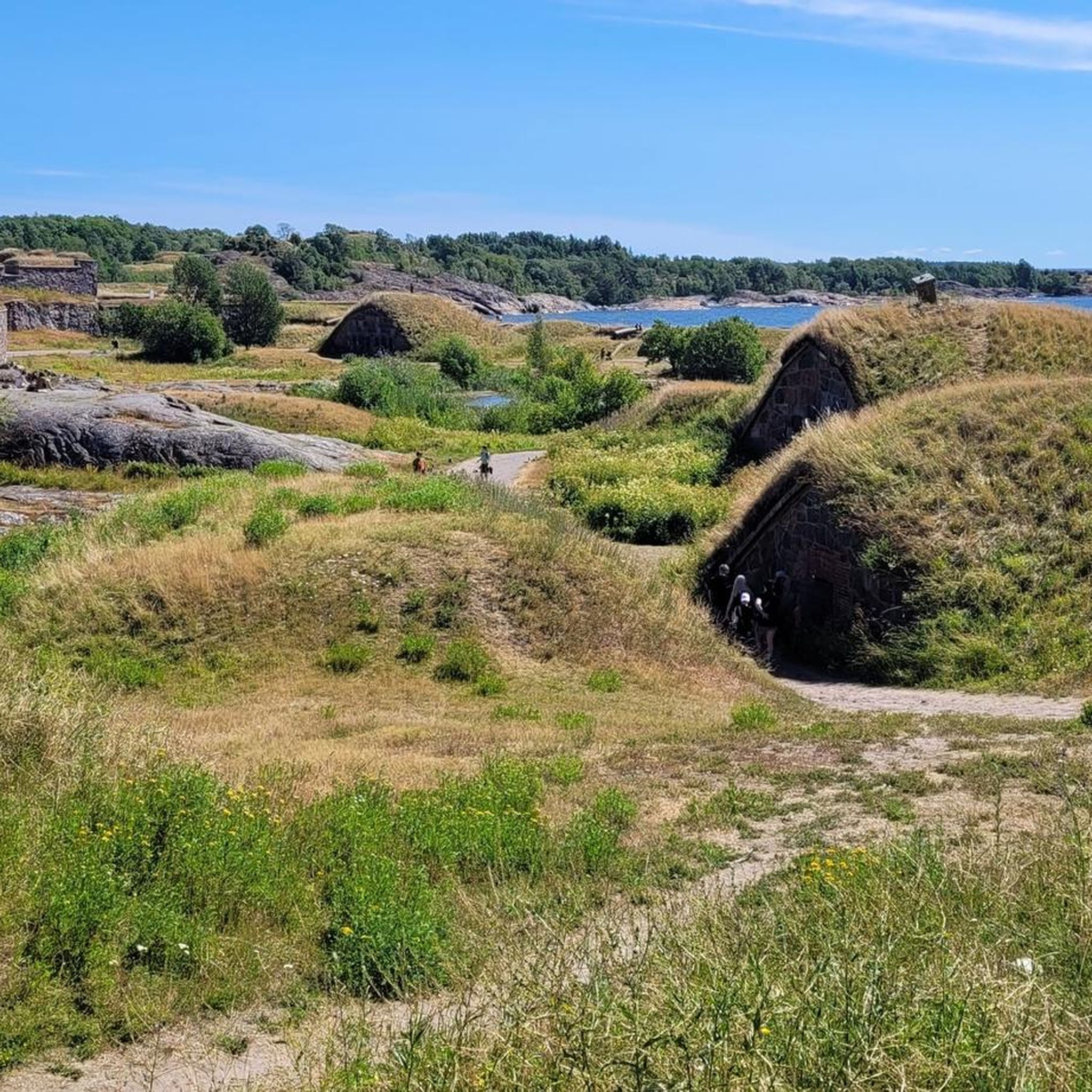
Road Cycling Routes around Helsinki
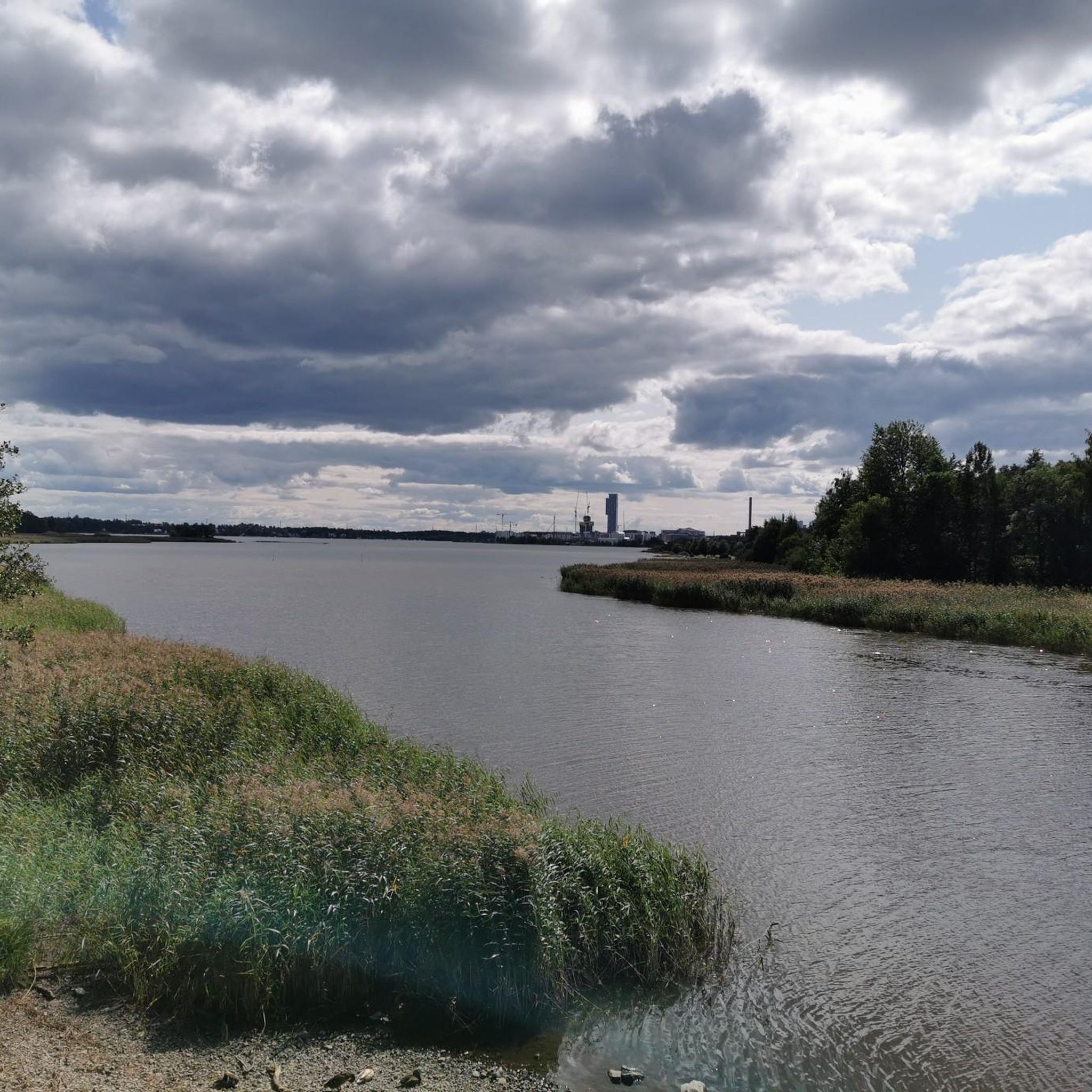
Cycling around Helsinki
MTB Trails around Helsinki
Other adventures around Helsinki


Tips from the Community

One of the most beautiful libraries. A very wide range of offerings for everyone and it is also well received. Architecturally great and with a lot of space. The roof terrace is a special place in good weather.
4
0

The cathedral is one of the largest Orthodox churches in Western Europe. Magnificent icons and paintings.
10
0

In addition to lending books, the library also has public work and event rooms, recording studios, a cinema and a public kitchen. A very nice place to meet people and to retreat for study purposes.
4
0

It is still important that people meet and do things together.
4
0

A visit to the sweeping Finnish Central Library in Oodi is well worth it. There's no entrance fee. It's interesting to see how openly the books are displayed. The large spiral staircase inside is also noteworthy. A variety of chess sets invite you to a game. https://www.bauwelt.de/rubriken/bauten/Zentralbibliothek-Oodi-Helsinki-ALA-Architects-3324901.html
6
0

The Uspenski Cathedral, which translates as “Assumption Cathedral,” is the largest Orthodox building in Western Europe, in a country that is mainly characterized by the Evangelical Lutheran faith.
17
1

At night and with outside lighting, the building looks like a landed UFO.
6
0

Definitely worth a visit. There are very tasty and, for a Central European, very unusual products. The cinnamon rolls are recommended.
8
0
Frequently Asked Questions
What historical landmarks should I visit in Helsinki?
Helsinki boasts several significant historical landmarks. Don't miss the iconic Helsinki Cathedral, a majestic classicist structure overlooking Senate Square (Senaatintori). Nearby, the distinctive red-brick and golden-domed Uspenski Cathedral, Helsinki stands freely on rocks at the harbor's edge. The Presidential Palace, Helsinki, also on the harbor promenade, is another notable historical site.
Are there any unique architectural sites to see in Helsinki?
Beyond its historic cathedrals, Helsinki is renowned for its modern and unique architecture. The Helsinki Cathedral and Uspenski Cathedral, Helsinki are prime examples of classicist and Orthodox styles. Other architectural marvels include the Temppeliaukio Church (Rock Church), built directly into solid granite, and the modern Helsinki Central Library Oodi, a hub for knowledge and design. Finlandia Hall, designed by Alvar Aalto, showcases functionalist architecture.
Where can I experience nature within or near Helsinki?
Helsinki offers abundant natural beauty. Explore the vast Central Park (Keskuspuisto), stretching nearly ten kilometers for walking and wildlife spotting. The Esplanadi Park is a lively urban green space. For a day trip, the UNESCO World Heritage site Suomenlinna Sea Fortress, spread across six islands, offers scenic paths and coastal views. Further afield, Nuuksio National Park and Sipoonkorpi National Park provide opportunities for hiking in Finnish forests and by lakes.
What are some family-friendly attractions in Helsinki?
Many attractions in Helsinki are suitable for families. The Helsinki Cathedral and Uspenski Cathedral, Helsinki are family-friendly historical sites. The Senate Square (Senaatintori) is a great open space for children. The Vanha Kauppahalli (Old Market Hall), Helsinki offers a fun culinary experience. Korkeasaari Zoo, located on an island, is another excellent choice for families, housing animals adapted to extreme winters.
Are there good hiking opportunities close to Helsinki?
Yes, Helsinki is surrounded by excellent hiking opportunities. You can explore trails in Nuuksio National Park and Sipoonkorpi National Park, both easily accessible from the city. Within the city, Central Park (Keskuspuisto) offers extensive walking paths. For more detailed routes, check out the Running Trails around Helsinki guide, which includes trails like the Seurasaarenselkä Waterfront Trail and Haltiavuori Nature Trail.
What kind of cycling routes are available around Helsinki?
Helsinki offers a variety of cycling routes for different skill levels. The Cycling around Helsinki guide features routes such as the Helsinki North Cycling Route (difficult), the easy North Baana, and moderate options like the Vanhankaupunginkoski Waterfall – Paloheinä Hill loop. There are also routes like the Baana Urban Pathway for urban exploration.
What cultural institutions or museums are worth visiting in Helsinki?
Helsinki is rich in cultural sites. The Ateneum Art Museum houses the largest collection of Finnish art. For contemporary art, visit the Museum of Contemporary Art Kiasma or Amos Rex, known for its innovative exhibitions. The National Museum of Finland details the country's history, while the Design Museum explores Finnish design. The Helsinki City Museum offers a free look into local history.
Is Helsinki accessible for visitors with mobility needs?
Many of Helsinki's key attractions strive for accessibility. For instance, the Helsinki Cathedral and Vanha Kauppahalli (Old Market Hall), Helsinki are noted as wheelchair accessible. Modern public buildings like the Helsinki Central Library Oodi are designed with accessibility in mind. It's always advisable to check specific venue details for the most up-to-date accessibility information.
What is the best time of year to visit Helsinki for outdoor activities?
The best time for outdoor activities in Helsinki largely depends on your preferences. Summer (June-August) offers long daylight hours and pleasant temperatures, ideal for hiking, cycling, and exploring the archipelago. Autumn brings beautiful fall foliage, while winter provides opportunities for unique activities like ice skating or cross-country skiing, especially in areas like Central Park (Keskuspuisto).
Are there any interesting market places or food halls in Helsinki?
Absolutely! The Vanha Kauppahalli (Old Market Hall), Helsinki, located by the harbor, is a historic market hall offering a wide variety of Finnish foods, drinks, and local goods. Market Square, a bustling central square by the Baltic Sea, is another vibrant spot where vendors sell Finnish food and souvenirs, especially from spring to autumn.
What are some unique local experiences in Helsinki?
Beyond the main sights, consider experiencing a traditional Finnish sauna, with options like Löyly Sauna or Allas Sea Pool offering unique settings by the water. Exploring the Helsinki Archipelago, with its over 300 islands, provides opportunities for island hopping and enjoying coastal nature. Visiting the Old Market Hall offers a taste of local culinary culture.
How can I get to natural parks like Nuuksio or Sipoonkorpi from Helsinki?
Nuuksio National Park and Sipoonkorpi National Park are both easily accessible from Helsinki by public transport, typically involving a bus ride from the city center. Specific routes and schedules can be found on Helsinki Region Transport (HSL) websites. These parks are popular for day trips, offering a quick escape into the Finnish wilderness.
Are there any islands worth visiting near Helsinki?
Yes, the Helsinki Archipelago is a highlight. The Suomenlinna Sea Fortress, a UNESCO World Heritage site, is a must-visit island accessible by a short ferry ride from Market Square. Many other islands in the archipelago are accessible for recreational activities, offering hiking trails and campfire spots, perfect for a day of island hopping.
Most popular routes around Helsinki
Most popular attractions around Helsinki

Get inspired with the komoot mobile app


Explore more
Still not found the Highlight you’re looking for? See guides of the top attractions in other regions:
